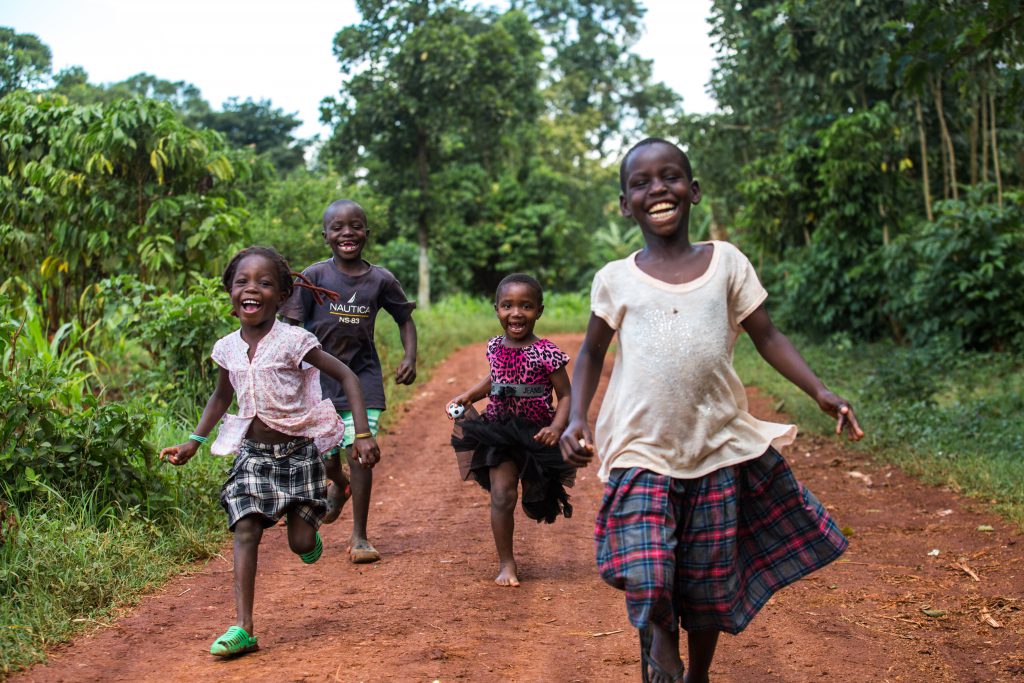
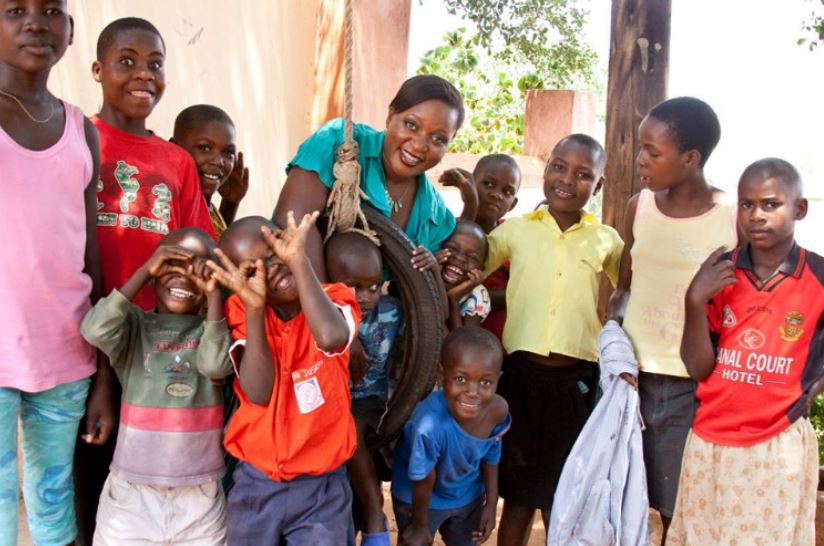
Uganda is more than bright markets and busy roads, it is children facing abuse, street survival, and school loss while still asking for safety and a path forward. From Kampala to Gulu and rural districts, their voices matter now, and we are here to make sure they are heard.
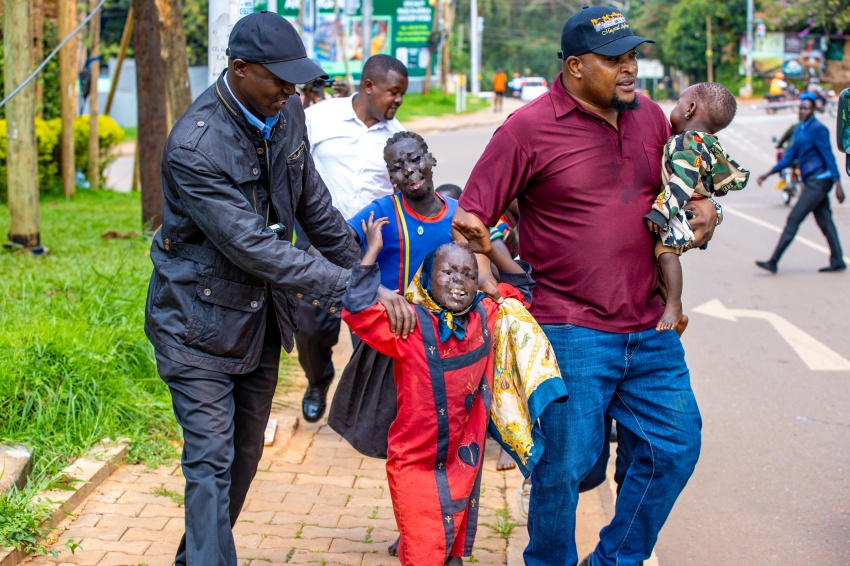
Cases of child neglect, domestic violence, and sexual abuse are widespread. Many children live in unsafe households or on the streets, with little access to justice or recovery services.
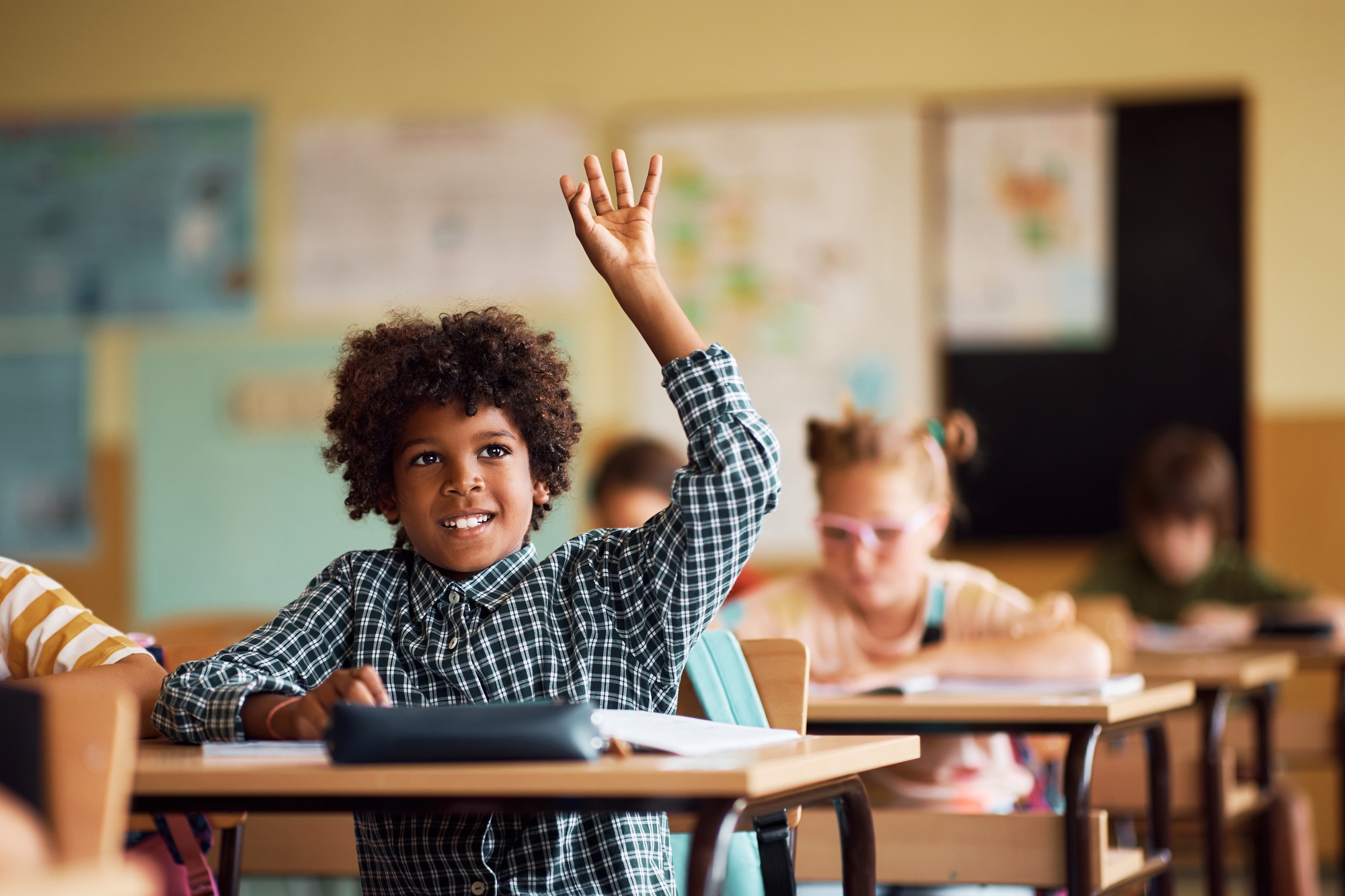
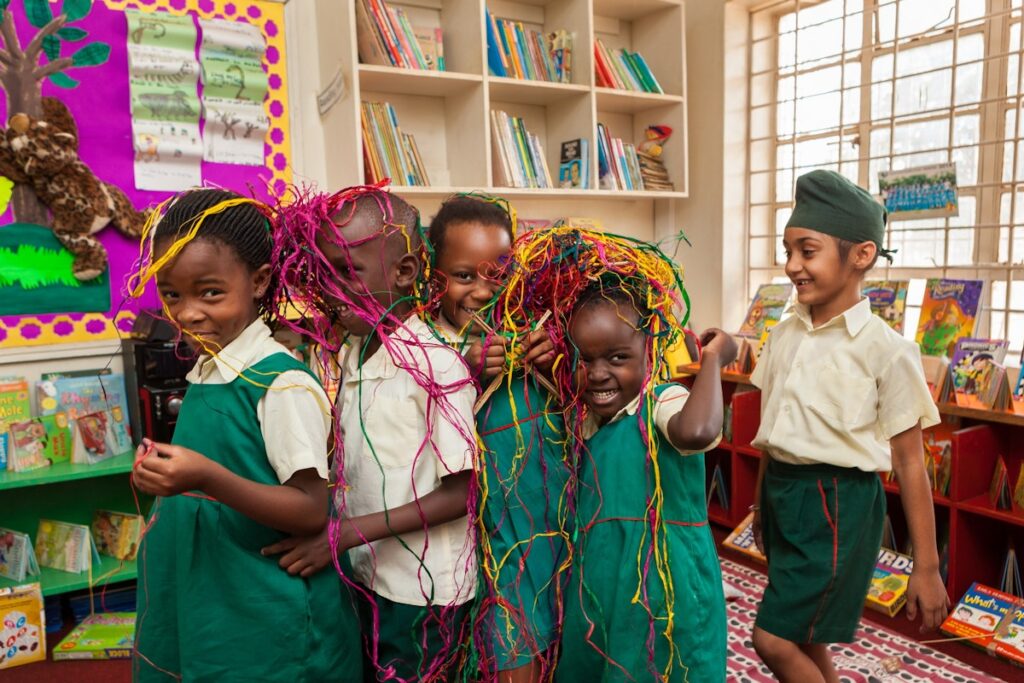
Many girls drop out of school due to early pregnancy, forced marriage, or financial hardship. Boys also leave school to work or due to overcrowded classrooms and lack of support.
In cities like Kampala and Gulu, thousands of children live on the streets, exposed to exploitation, hunger, and criminalization. Many are displaced by family loss or conflict.
UCRNN connects frontline groups to policy rooms so cases move from whispers to action. Trainings help communities identify harm and navigate the law; referrals are coordinated so survivors meet a system that actually shows up. Public dialogues replace rumor with rights; legal advocacy tightens the gaps where abusers once hid. The network supports local responders with tools that last—templates, checklists, contacts—so protection can be consistent. When a case surfaces, there is somewhere to go and someone accountable to meet it. Over time, this builds a culture that expects safety, not luck. Children feel the difference in how quickly help arrives.
Outreach finds children where they sleep and invites them into steady rooms—food, health care, and gentle structure that lets bodies and minds exhale. Transitional education closes gaps; counselors listen without rushing; caseworkers trace family and prepare reunions with care. When home is unsafe, alternatives are created so a child doesn’t have to choose between abuse and the street. Staff stay close through the fragile first months back in school. The work is small and faithful: names remembered, appointments kept, milestones celebrated. Childhood returns in pieces that add up: a bed, a desk, a trusted adult, a plan.
A coordinated push identified children across markets and taxi parks, offering immediate shelter and warm meals so decisions could be made with a clear head. Medical checks and counseling followed; family tracing began; reunifications were prepared with monitoring built in. For those who could not return, safe placements and school enrollment were arranged. The week modeled what happens when compassion and logistics share a table. It turned short-term rescue into longer-term belonging. Many firsts happened here: first quiet sleep, first day back in class, first sense that tomorrow might hold.
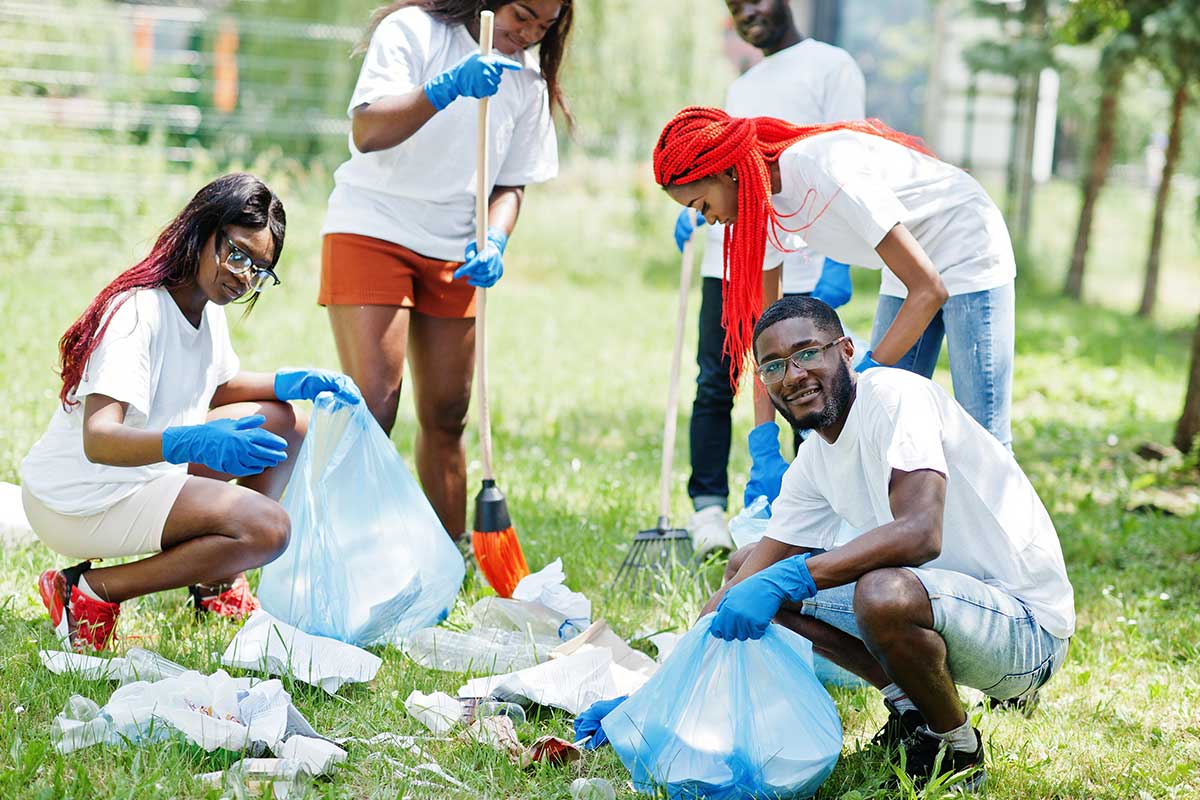
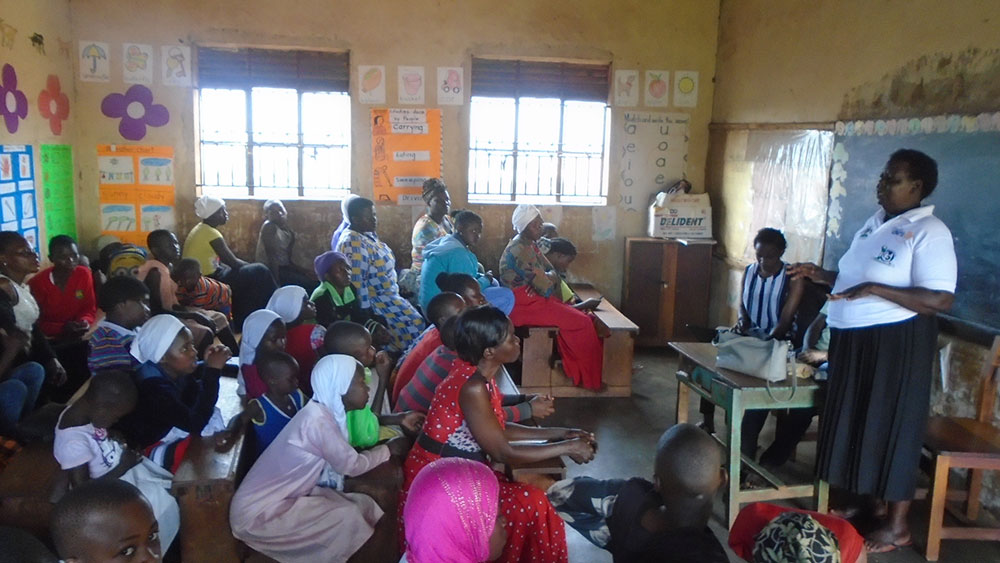
Survivors, parents, teachers, and officials sat together, learned together, and wrote real action plans with dates and names. Reporting pathways were clarified; harmful norms were named; leaders agreed to public checks on progress. Trainings moved from slides to drills so practice would stick in a crisis. By the end, communities knew what to do and who to call. Accountability stopped being a slogan and started being a schedule. Children gained more than attention—they gained a system.
Provides holistic care and education to children living with HIV in family-based settings.
Supports orphans and poor families through faith-based schooling and community outreach.
Advocates for women’s social and economic empowerment through education, training, and policy reform.
Equips adolescent girls with leadership, health, and skills training to build gender equality.
Promotes grassroots development and good governance through civic education and advocacy.