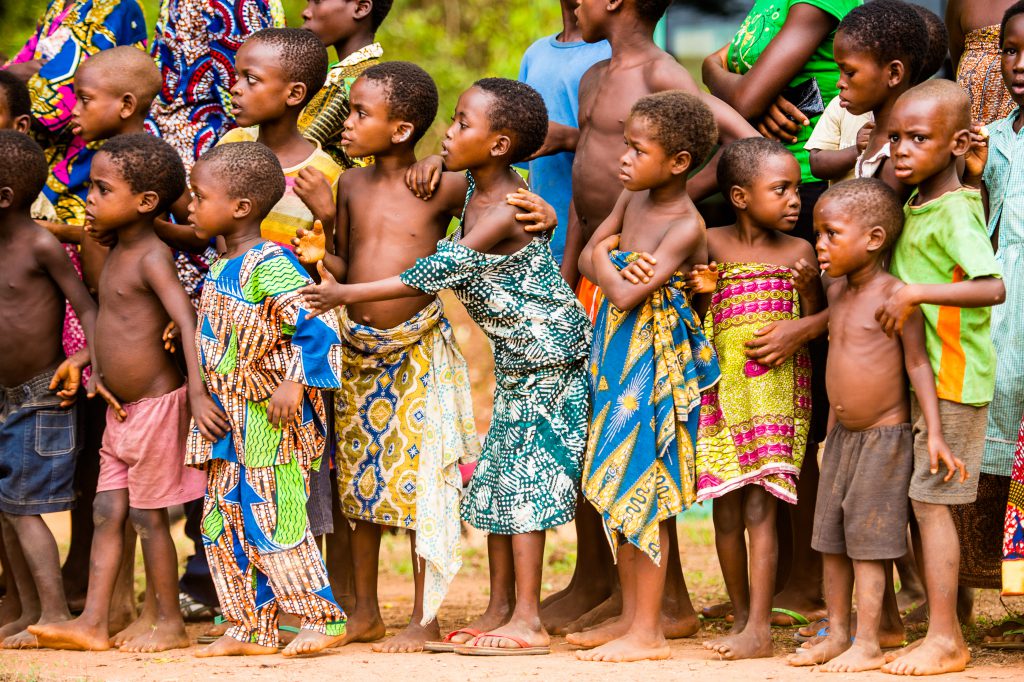
Togo is more than small borders and busy roads, it is children pulled into labor, early marriage, and illness while still reaching for safety and school. From Lomé to Bassar and rural villages, their stories are often hidden, and we are here to bring them forward.
Many children are sent to cities or across borders to work as domestic servants, street vendors, or laborers. Some are trafficked under the guise of apprenticeships and face abuse and isolation far from home.
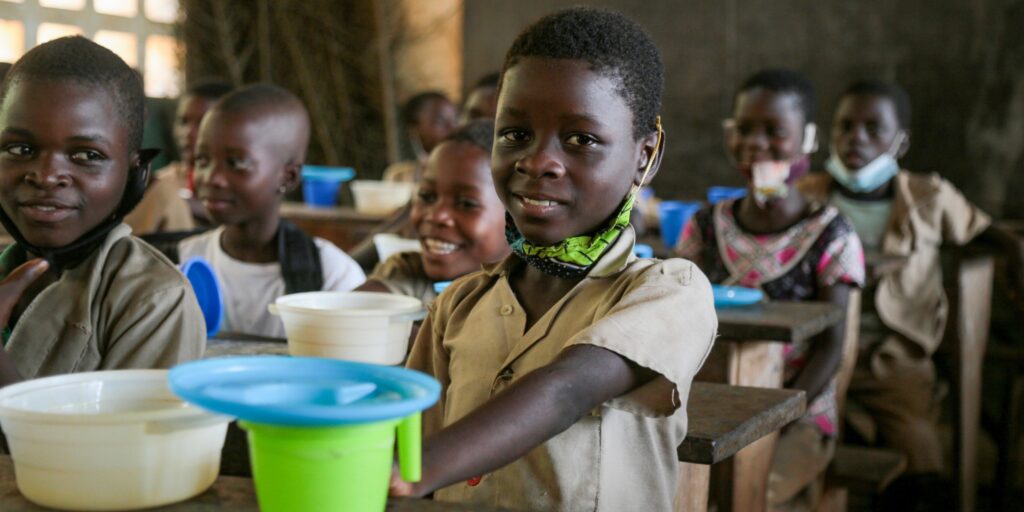
Girls in rural areas often drop out before secondary school due to early marriage, pregnancy, or cultural barriers. Legal protections exist but are rarely enforced at the community level.
In remote villages, children suffer from diarrhea, malaria, and malnutrition due to poor sanitation and limited access to clinics. Many walk long distances for care — or go without entirely.
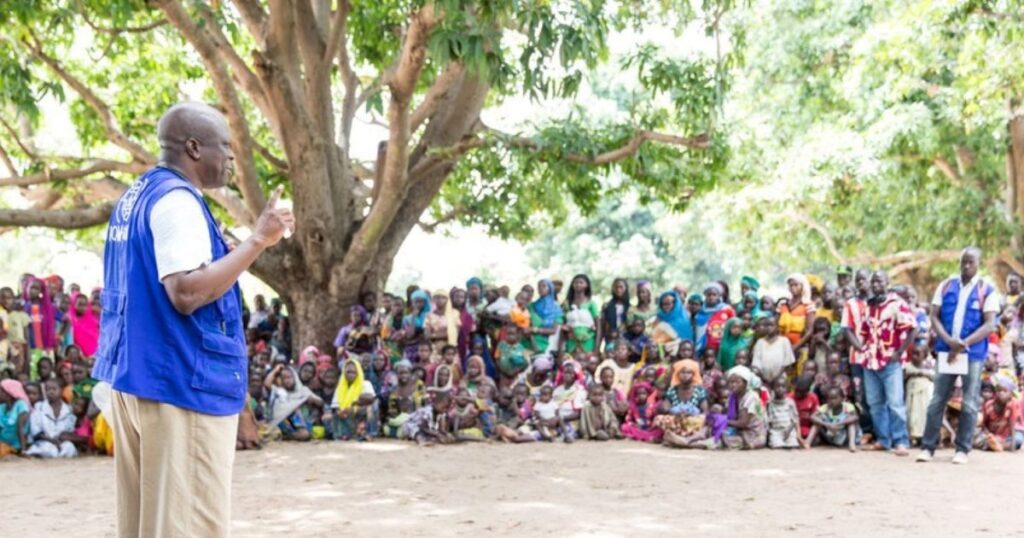
Creuset Togo runs safe shelters and careful reunification so children taken for domestic work or cross-border labor can come home to protection. Teams partner with border agents and police to identify risk and stop return to harm; counselors steady emotions; educators rebuild learning. Family meetings are paced to reality, not pressure; school enrollment follows when safety is secured. Community education makes recruitment harder and vigilance stronger. Each child’s plan is personal and practical; follow up prevents repeat abuse. The path home is made of many steps, and Creuset walks them all.
Where clinics are far and wells are dry, ANADEB organizes boreholes, filtration, and school gardens to protect children’s health. Caregivers learn hygiene and early childhood nutrition that fits local food; women’s groups monitor growth and manage basic illness. Water access drops disease and lifts attendance because children can study instead of fetch. The work is community-led so repairs and habits last. Health becomes a shared project that children can feel in their bodies and see in their schools.
Coordinated teams identified children in domestic servitude and market labor, moving them to safe spaces for food, medical exams, and counseling. Documents were verified; families were traced; school readiness was assessed with patience and care. Some children returned home with monitoring; others began long-term support when safety required it. The week proved that exploitation can be interrupted when compassion meets coordination. Survivors left with a plan and people committed to it. That changes futures.
Deep boreholes were installed and management committees trained so access wouldn’t fade with time. Children joined hygiene workshops and carried habits home; mothers reported fewer cases of diarrhea and skin infection within weeks. The project showed how water underpins learning and growth. With clean taps, school days stabilized and energy returned. A village’s health began to turn. That is what infrastructure for dignity looks like.
Provides medical care, clean water access, and food relief to underserved communities in Togo.
Delivers education, food distribution, and medical support to vulnerable children and families.
Promotes sustainable development and child rights through training, advocacy, and local partnerships.
Supports community resilience through environmental projects, research, and civic education.
Mentors youth through sponsorships, life skills programs, and academic support.