All Revenue From Ads Go to Advertising and Support for Nonprofits
South Africa: Lifting Up the Children Left Behind
Explore South Africa:
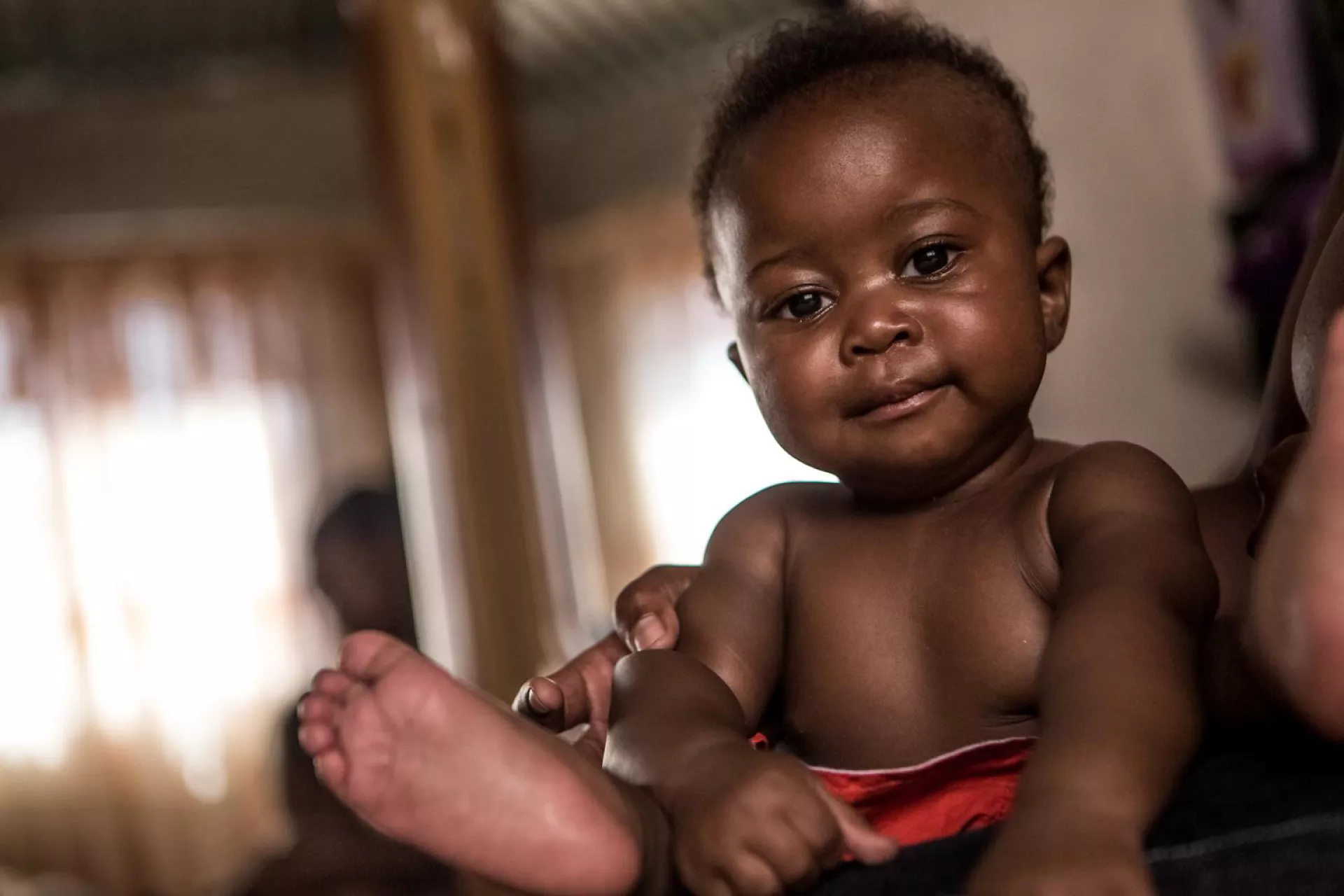
South Africa is more than headlines and highways, it is children navigating violence, silence, and broken trust while still reaching for school and safety. From Cape Town’s streets to townships around Johannesburg, their courage is present and urgent, and we are here to lift it into the light.
The Situation for Children in South Africa
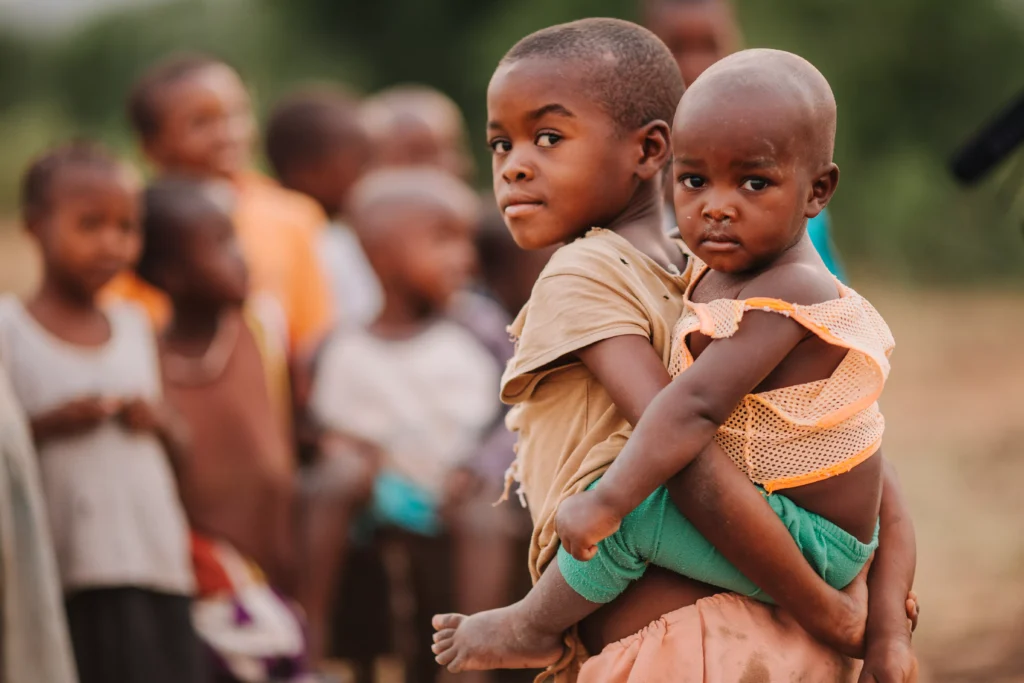
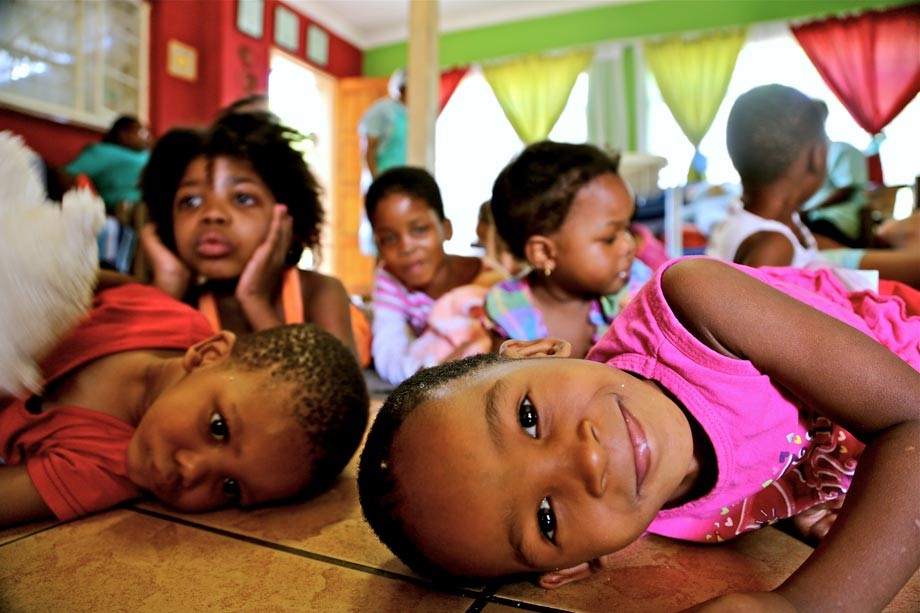
South Africa is a nation of strength and diversity, but deep inequality still defines the experience of many children. In townships and informal settlements, daily life brings fear, hunger, and few chances to grow safely. These are the three most urgent challenges:
Violence, Abuse, and Unsafe Homes
Many children experience physical or sexual abuse at home or in their communities. South Africa has one of the highest rates of child abuse and femicide in the world. Shelters and trauma support are limited in rural areas.
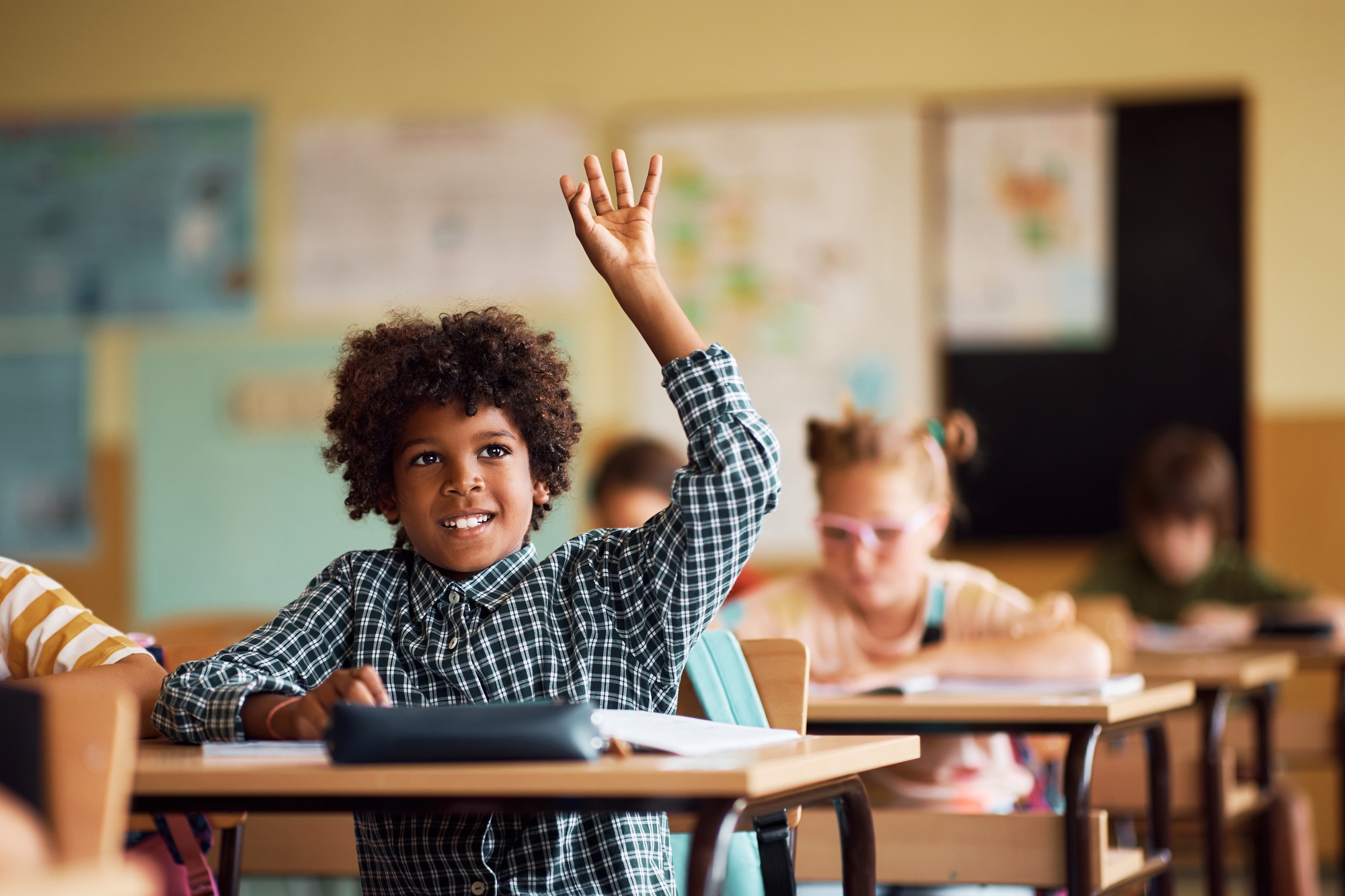
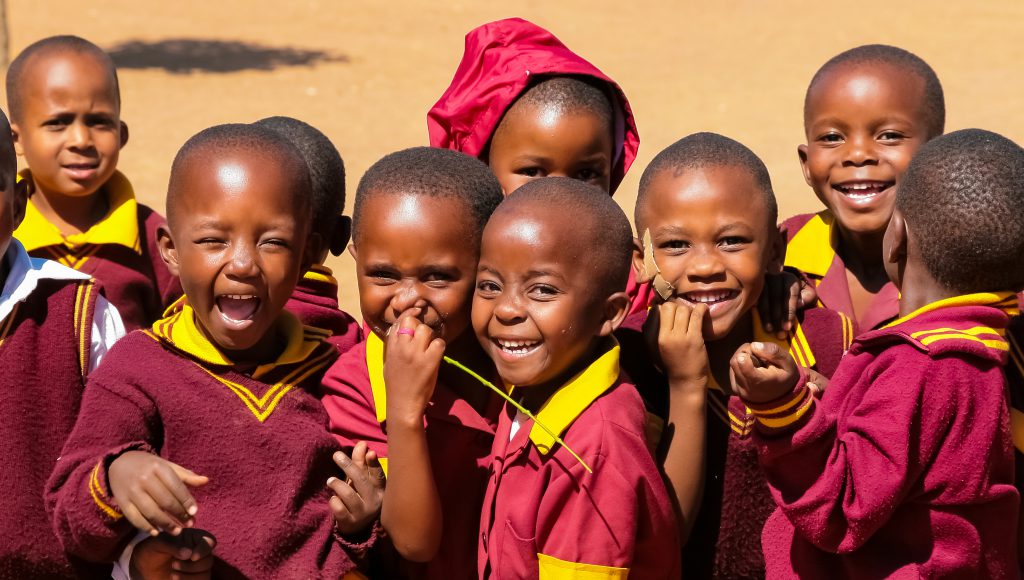
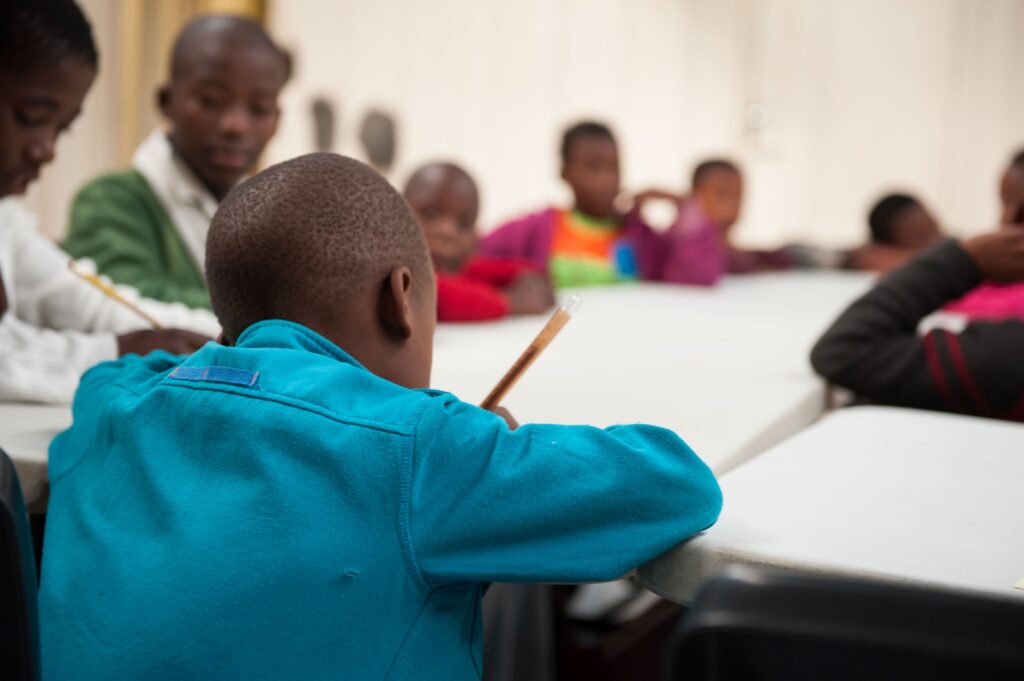
Although basic education is free, overcrowded classrooms, teacher shortages, and long commutes keep many students — especially in poor communities — from completing school.
Children growing up in poverty, addiction, and violence often face depression, anxiety, and behavioral challenges. Mental health care is underfunded and rarely tailored to youth.
Despite these challenges, South Africa’s children remain full of hope, dreaming of education, health, and opportunities for a better tomorrow.
Key Contributor #1: The Homestead Projects for Street Children
Helping Street-Connected Youth Rebuild Trust, Identity, and Belonging
Outreach begins where boys sleep and survive—hot meals, clean clothes, and a name spoken with care—and that first welcome opens the way to healing. Inside The Homestead, steady routines replace chaos: therapy that listens, classrooms that fit many levels, and adults who keep their word. Family tracing is careful and humane; reunification happens when safety is real, and when it isn’t, group homes become places where childhood can restart. Counselors help boys carry fear without letting it define them; teachers celebrate progress page by page; mentors model calm. Identity documents and school enrollment follow so protection lasts beyond one good week. What could feel like rescue becomes something deeper: belonging and a plan. This is how boys move from corners and stations to desks and teams, from being unseen to being expected.
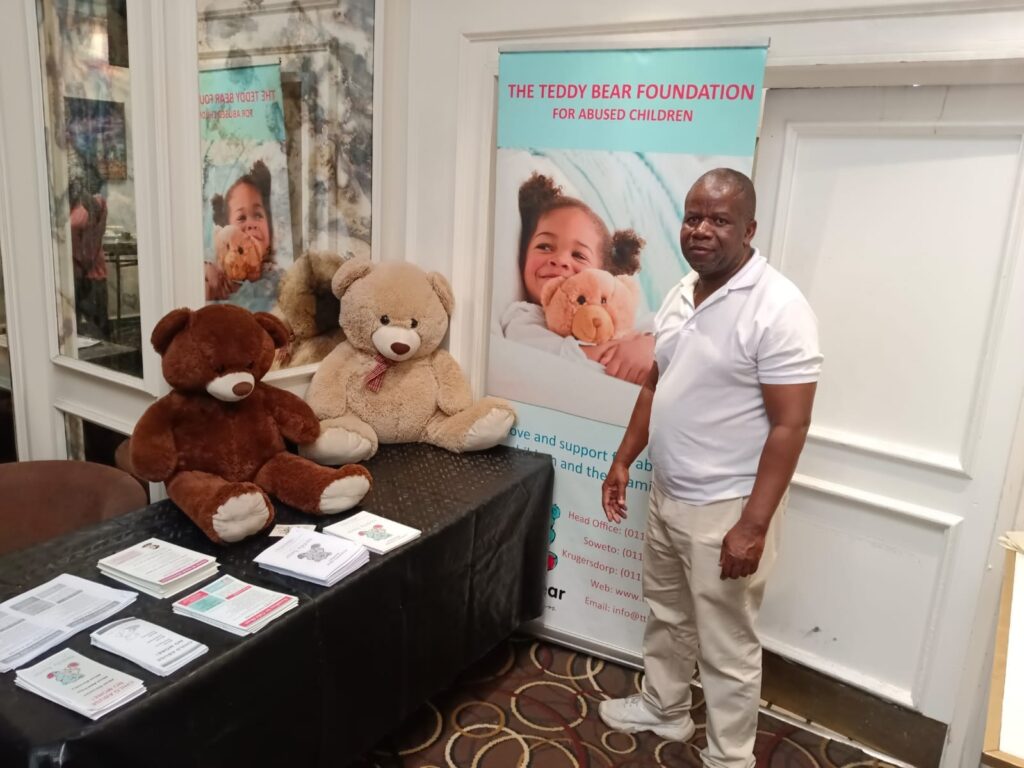
Key Contributor #2: The Teddy Bear Foundation
Providing Trauma Care and Legal Support for Abused Children
At child-friendly centers, survivors are met by clinicians and social workers who believe them, explain each step, and protect dignity at every turn. Forensic assessments sit alongside therapy; legal teams prepare children for court without re-traumatizing them; partners in hospitals and schools ensure no child falls through the cracks. Caregivers learn what support looks like at home; teachers receive guidance for safer classrooms; police have allies who speak the language of both law and healing. Each case becomes a promise that justice is possible and that recovery will not be rushed. The approach is precise and patient because lives are tender. In a country wrestling with abuse, this work turns silence into testimony and fear into strength. A child leaves not only protected, but believed.
Key Event #1: Street Outreach Week – Cape Town CBD
Connecting Children With Shelter, Food, and Family Reunification
Teams mapped the city center, greeted children by name, and offered immediate care—meals, health checks, and a place to sleep—so trust could begin. Families were contacted, reunions prepared, and for those who could not go home, longer programs opened with clear steps and steady follow up. Temporary help turned into lasting support because workers returned day after day to the same blocks. Boys who had been invisible became known and counted; paperwork moved; school placements were made. Even small choices—taking a shower, joining a reading circle—signaled a shift back to childhood. The week proved that consistent presence can change a street’s story. It set a pattern others can repeat.
Giving Children and Families a Lifeline in Moments of Abuse
A 24/7 line answered by trained staff gave children, teachers, and guardians one clear door to knock on when danger appeared. Each call received calm triage, referrals, and follow up; safety plans were made in hours, not weeks; survivors felt less alone. Hospitals and police coordinated response; schools posted the number where it could be seen; word spread in neighborhoods that help was finally near. The hotline’s power was its consistency: someone always answered. That reliability turned fear into action and action into protection. For many, it was the first time a system felt human. It changed what families believed was possible.
Top Grassroot Nonprofits Across South Africa
Meet the five grassroot organizations seeking to make extraordinary strides in improving the lives of South Africa’s children — one community at a time.
To get started, click on the image to visit the donation page, or click on the nonprofit’s name to access their homepage.
After donating on a partner site, click the purple globe icon to register your contribution in our data tables.
Remember, your support, whether it’s visiting their homepage, donating, or following their social media, will be crucial towards helping these nonprofits grow and amplify their efforts.