All Revenue From Ads Go to Advertising and Support for Nonprofits
Sierra Leone: Rebuilding Childhood in the Wake of Crisis
Explore Sierra Leone:
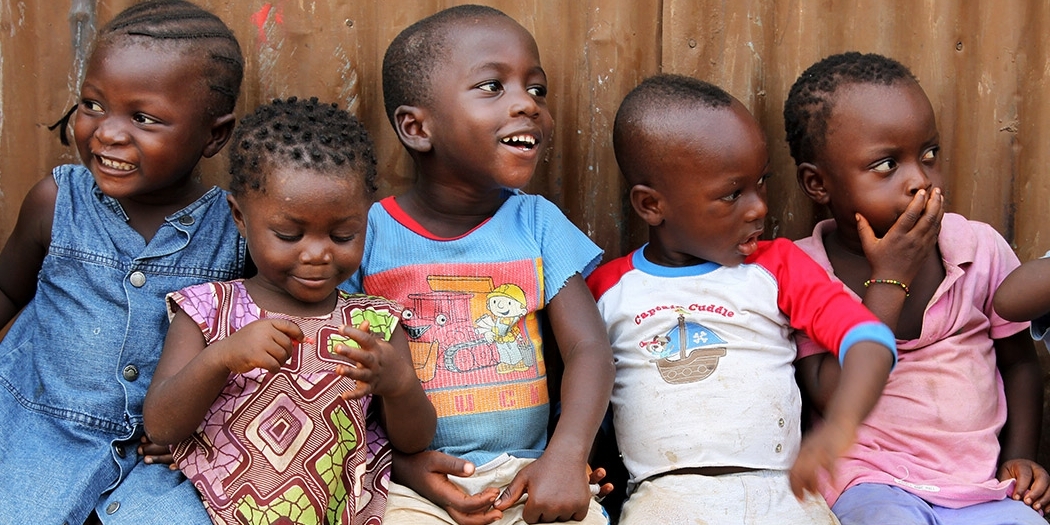
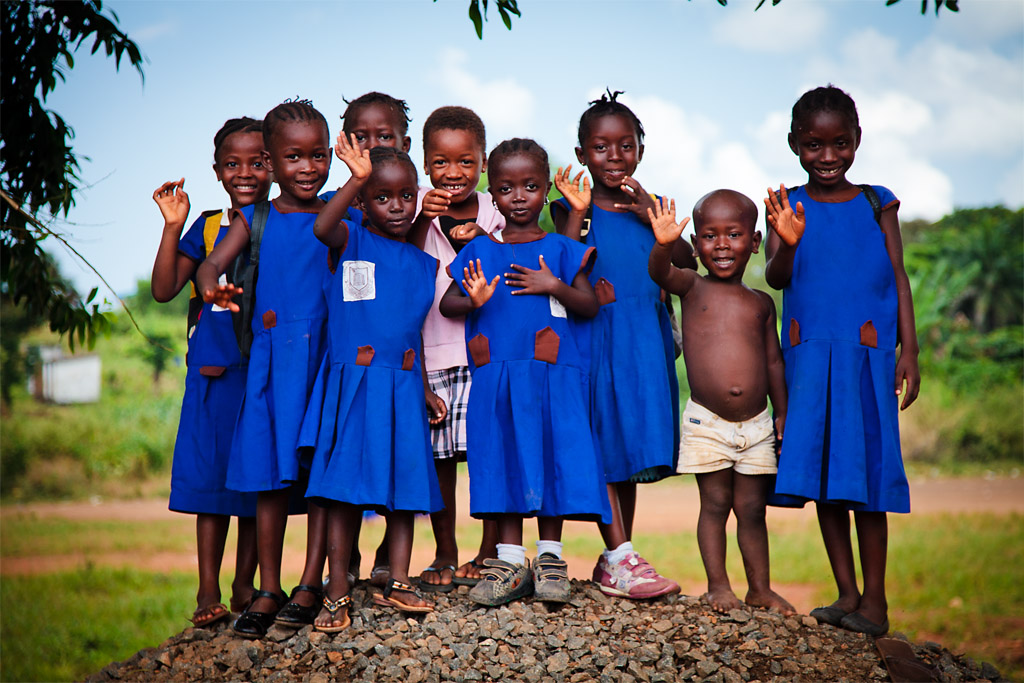
Sierra Leone is more than war scars and quiet grief, it is children rebuilding voice, safety, and study after years that took too much. From Bo to Freetown and rural towns beyond, their courage is visible, and we are here to hold it up and help it grow.
The Situation for Children in Sierra Leone
Sierra Leone has faced civil war, Ebola, and natural disasters — each leaving children more vulnerable. While peace has returned, children still face severe poverty, violence, and underfunded services. These are the three most urgent challenges:
Sexual Violence and Lack of Legal Protection for Girls
Sexual abuse, rape, and early pregnancy are common. Many survivors never report due to stigma or lack of trust in the justice system. Legal follow-through is rare, especially in rural areas.
Barriers to Education and School Dropout Among the Poor
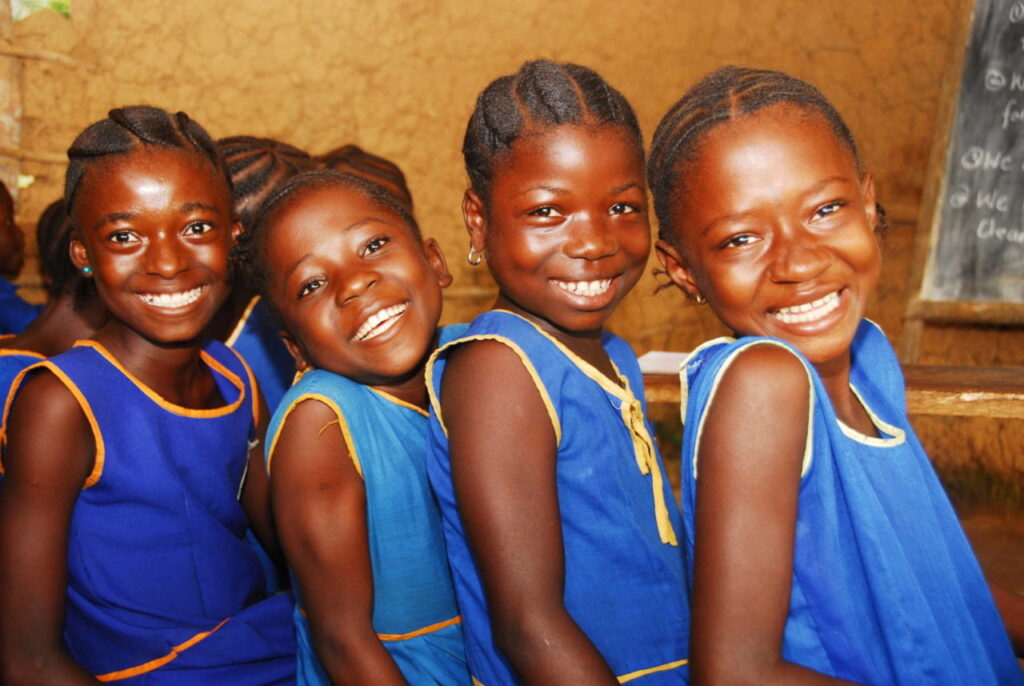
Although public education is technically free, families still struggle with costs for uniforms, supplies, and meals. Many children — especially girls — drop out to support family survival.
Many children still carry invisible wounds from war and Ebola-era loss. Trauma, grief, and ongoing instability have led to high levels of anxiety, aggression, and emotional shutdown — often without access to care.
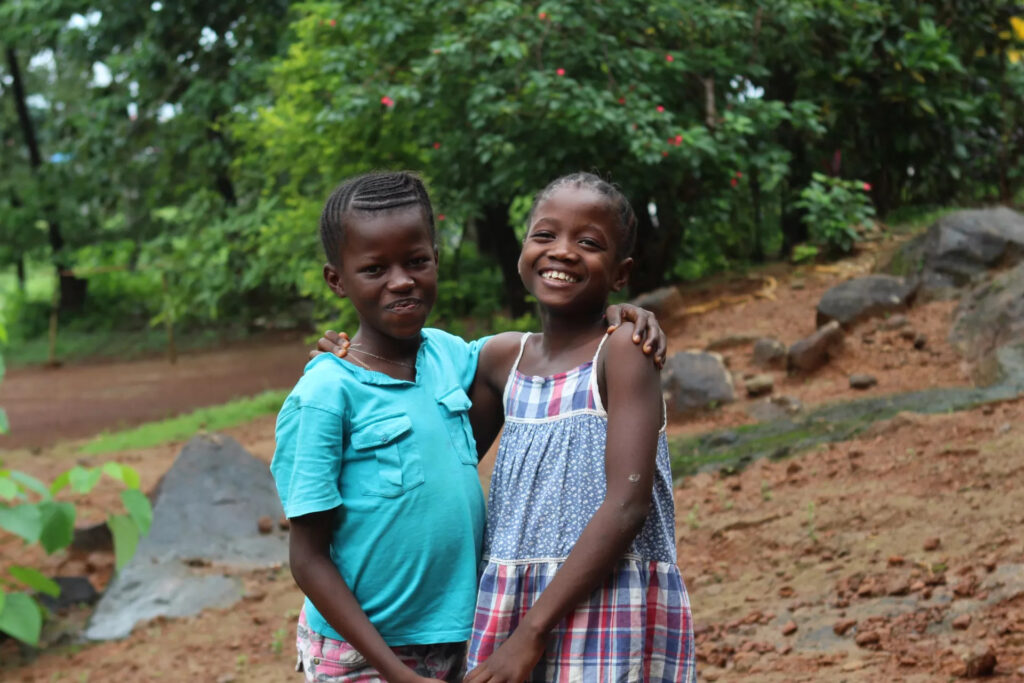
Despite these challenges, Sierra Leone’s children remain full of hope, dreaming of education, health, and opportunities for a better tomorrow.
Key Contributor #1: Rainbo Initiative
Supporting Survivors of Sexual Violence With Medical and Legal Care
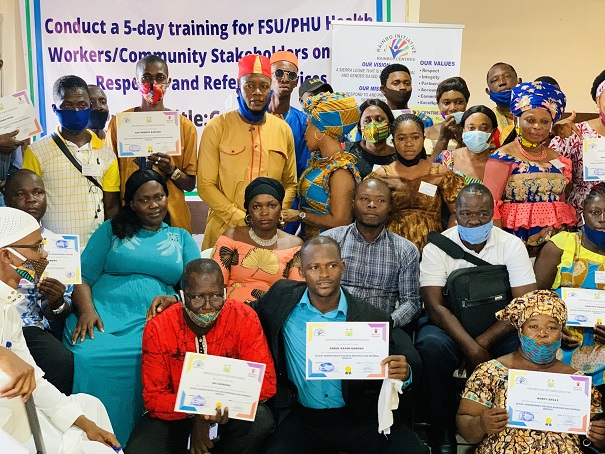
At Rainbo centers, a survivor is welcomed with medicine, evidence care, and a calm voice that believes her, then guides each next step. Nurses treat injuries, counselors restore breath and focus, legal teams prepare cases with clarity; none of it moves without the child’s dignity intact. Parents learn how to support healing; teachers learn how to make school a safe place to come back to; police have partners who speak the language of trauma and of law. Prevention sessions meet communities where they gather, replacing rumor with truth and a plan for protection. Files are not closed with signatures alone; follow up continues until safety holds. The result is more than services; it is justice that feels reachable and recovery that belongs to the survivor. In a country still healing, Rainbo restores voice and hope.
Key Contributor #2: Commit and Act Foundation – Sierra Leone
Healing Emotional Trauma and Rebuilding Resilience in Children
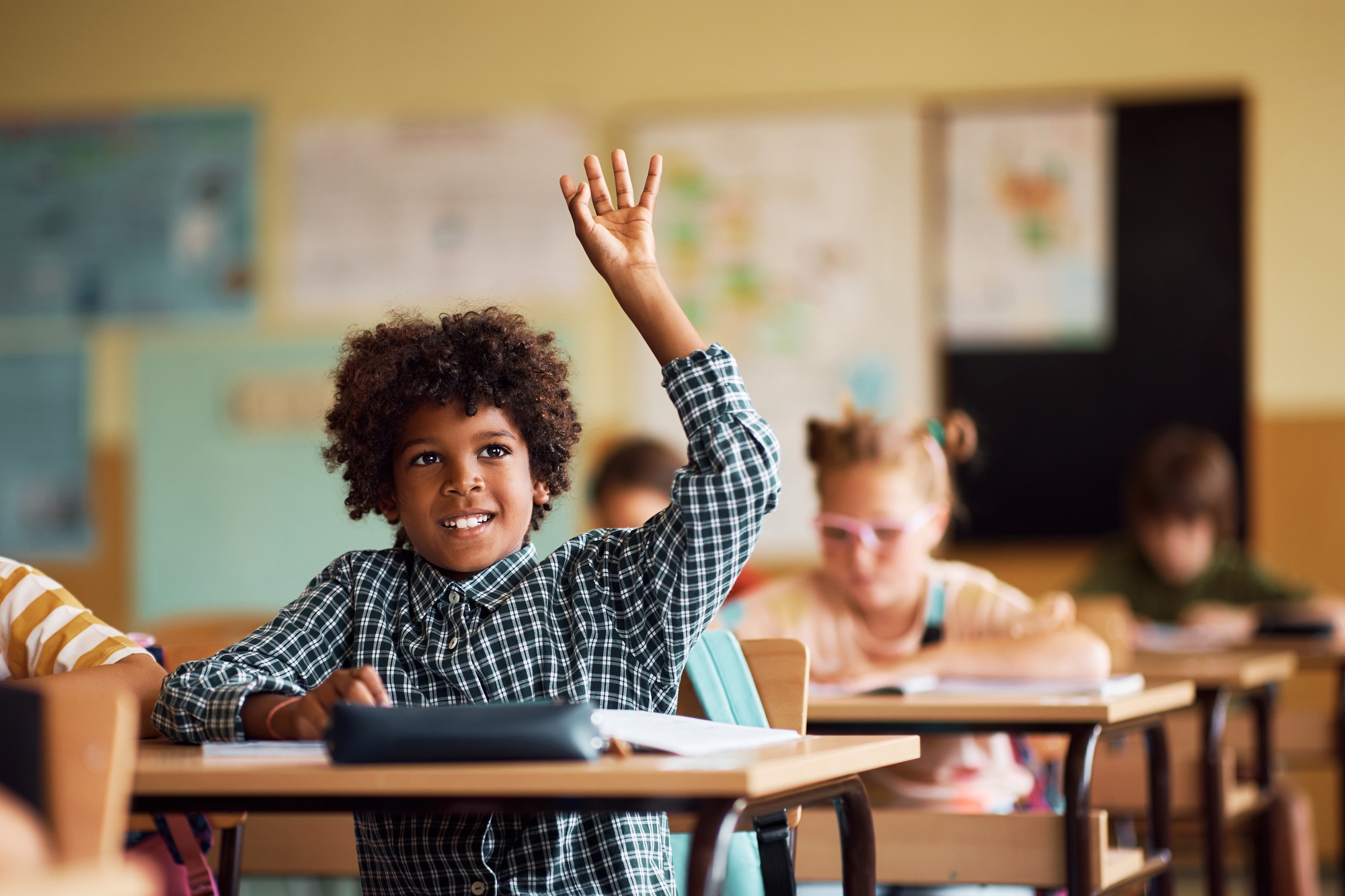
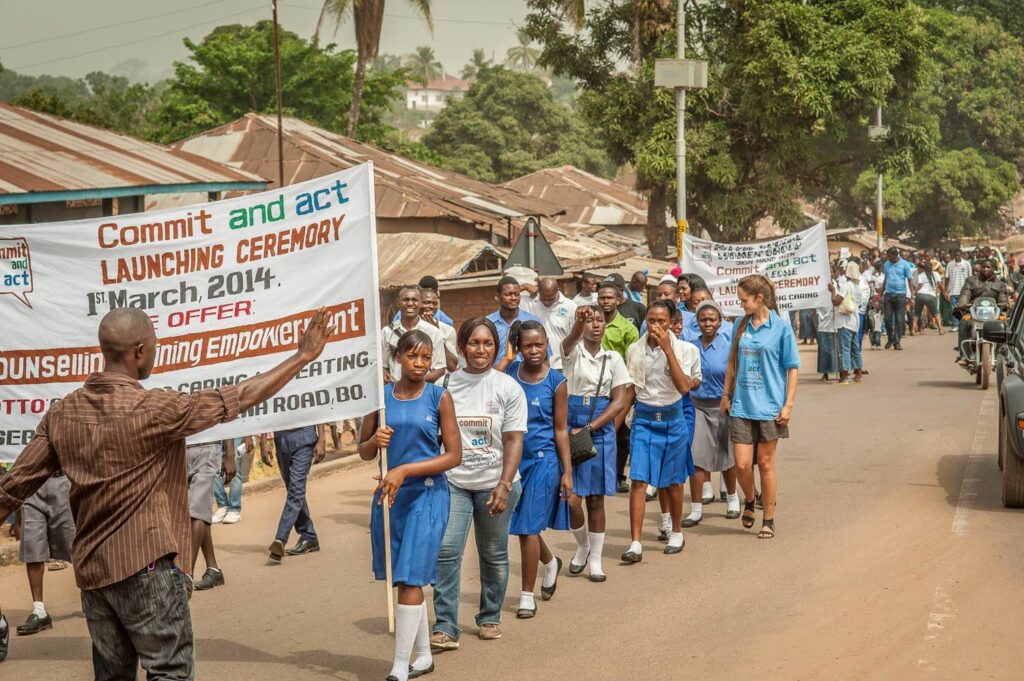
Commit and Act trains teachers, caregivers, and counselors to see what anxiety, grief, and shutdown look like in a child, then to respond with methods that fit the culture and the classroom. Art and play let feelings surface; small group circles teach grounding and trust; one to one sessions move at the child’s pace. School support keeps learning within reach while the heart mends; parents receive simple tools that live at home and work after the session ends. In rural clinics and city rooms, the same pattern holds: slow is fast, listening is care, practice is power. Over time, nightmares ease, attention returns, and a student who once hid at the back begins to raise a hand. Healing becomes a path, not a moment, and that path leads back to belonging.
Key Event #1: Healing Circles for Girls – Bo District
Creating Safe Spaces for Survivors of Violence
Each week in Bo, girls gathered with facilitators who knew when to speak and when to wait, and together they turned isolation into sisterhood. Journaling, story games, and quiet conversation built confidence without force; tears and laughter shared the same circle. Practical safety planning sat beside creativity; school goals were named and written down; small wins were celebrated, not rushed past. When a girl needed legal help, Rainbo staff walked with her so a courthouse would not feel like a second harm. Attendance held because the room felt safe and predictable; trust deepened because promises were kept. By season’s end, voices that once stayed inside found the courage to carry across the room, then into class, then home.
Key Event #2: School Recovery Camp – Post-Ebola Communities
Helping Children Reengage With Learning and Life
For two weeks, a community still marked by loss filled tents with music, memory work, and lessons that rebuilt the habit of study with kindness. Children practiced grounding, shared stories of those they loved, then opened notebooks with a steadier heart. Teachers blended catch up reading with games that restored friendship; counselors stayed close so hard moments did not end the day. Meals anchored the schedule; backpacks kept materials safe; parents were invited to see progress and learn how to support at night. The camp did not erase sorrow, it taught children to carry it and still grow. Many returned to school with confidence, and the village felt a little more like a place where tomorrow belongs.
Top Grassroot Nonprofits Across Sierra Leone
Meet the five grassroot organizations seeking to make extraordinary strides in improving the lives of Sierra Leone’s children — one community at a time.
To get started, click on the image to visit the donation page, or click on the nonprofit’s name to access their homepage.
After donating on a partner site, click the purple globe icon to register your contribution in our data tables.
Remember, your support, whether it’s visiting their homepage, donating, or following their social media, will be crucial towards helping these nonprofits grow and amplify their efforts.