All Revenue From Ads Go to Advertising and Support for Nonprofits
Rwanda: Healing the Past and Protecting the Next Generation
Explore Rwanda:
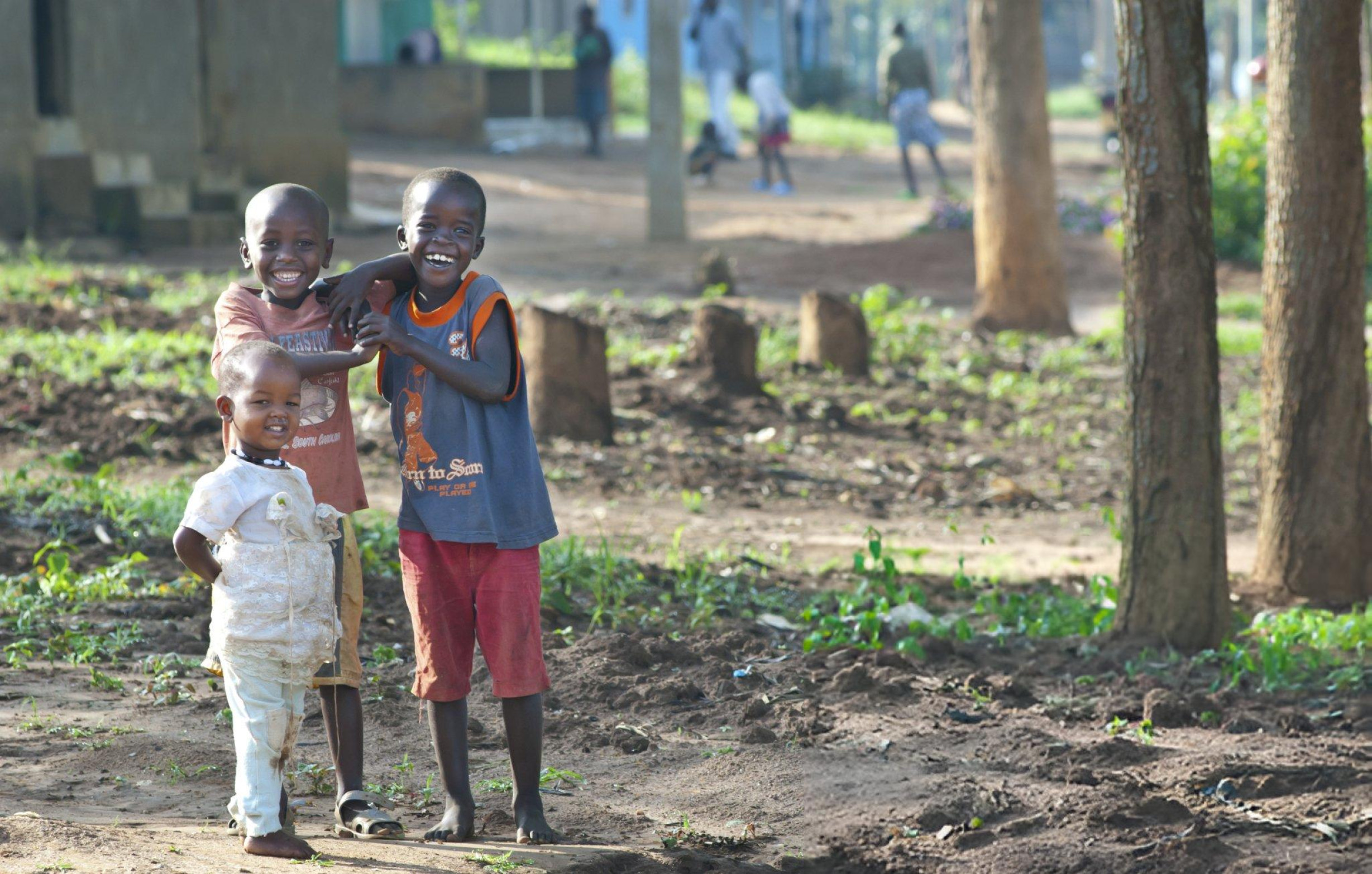
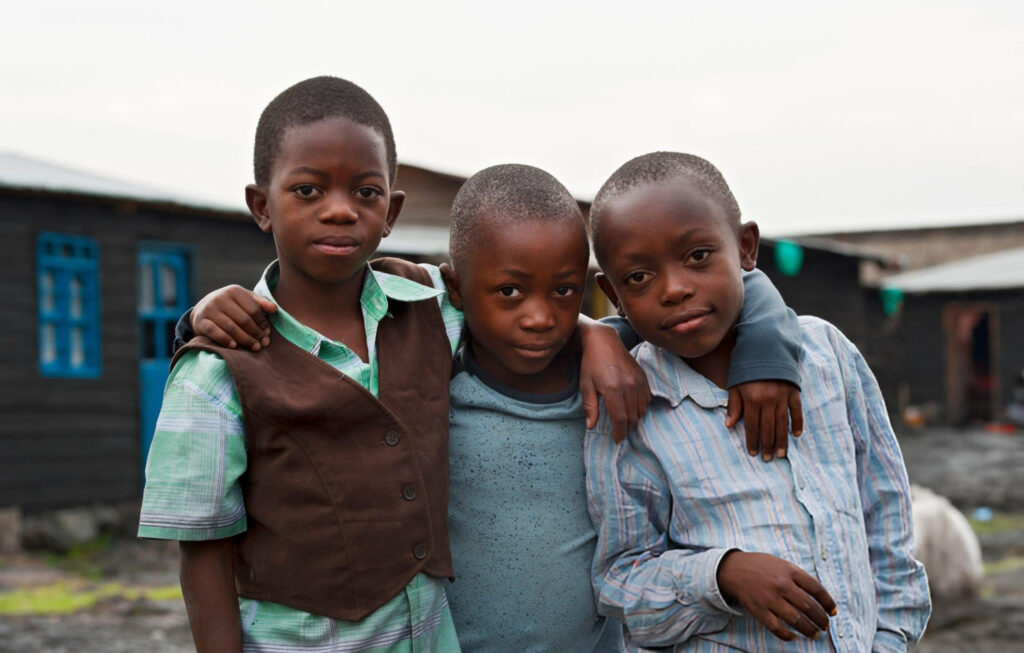
Rwanda is more than memory and recovery, it is children rebuilding life after loss, stigma, and street survival. From Kigali to the Southern Province and rural hills, they ask for inclusion and steady love; we are here to help keep that promise.
The Situation for Children in Rwanda
Rwanda has made remarkable progress since the 1994 genocide — yet not all children have benefited equally. Orphans, street-connected youth, and children with disabilities continue to face barriers to safety, schooling, and belonging. These are the three most urgent challenges:
Street-Connected Children and Family Breakdown
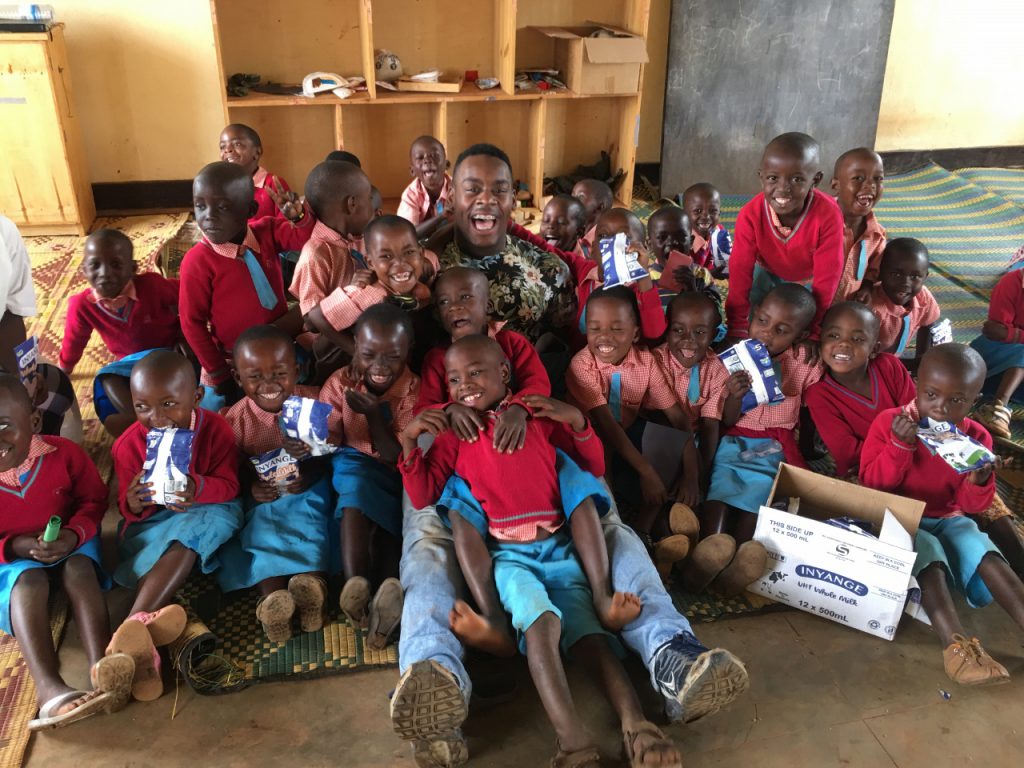
In cities like Kigali and Huye, thousands of children live or work on the streets. Many are abandoned, orphaned, or pushed out by poverty, domestic violence, or family loss.
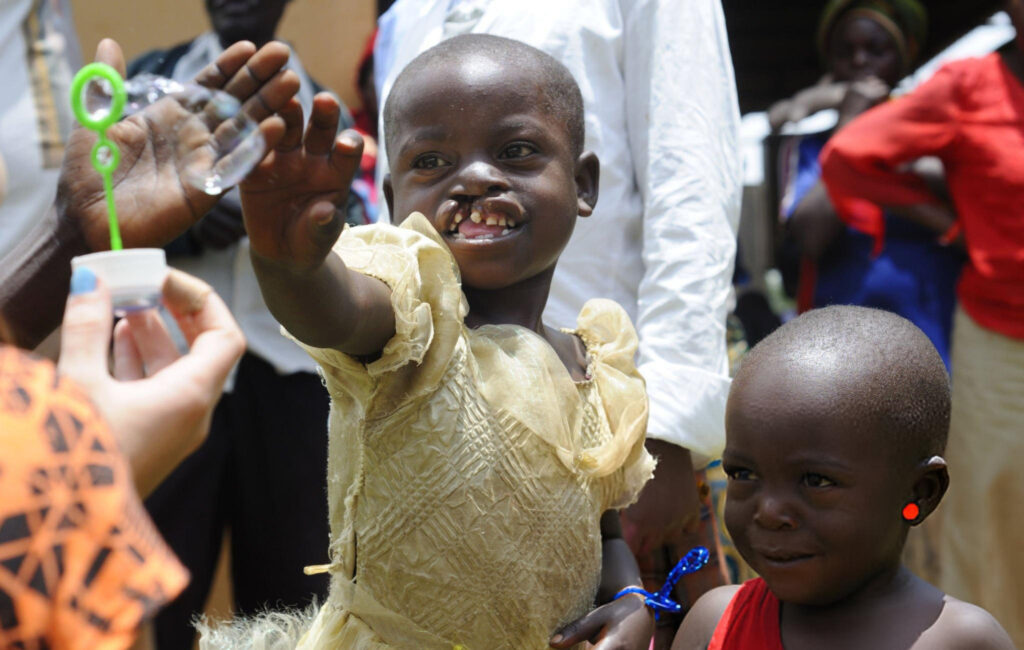
Children with disabilities are often hidden or excluded from school. Many families lack support, and public services remain limited despite inclusive policy efforts.
Trauma From Genocide Legacy and Intergenerational Poverty
While Rwanda has fostered national reconciliation, many families — especially those headed by genocide survivors — still live with unhealed trauma, poverty, and loss that affects their children.
Despite these challenges, Rwanda’s children remain full of hope, dreaming of education, health, and opportunities for a better tomorrow.
Key Contributor #1: Centre Marembo
Rehabilitating Street-Connected Girls and Survivors of Gender-Based Violence
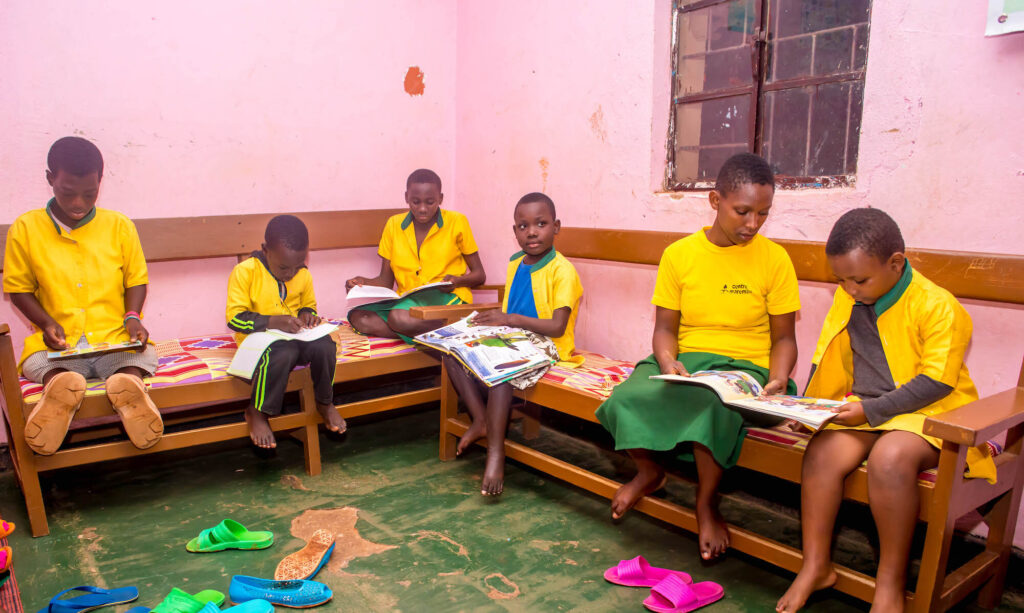
Centre Marembo offers girls a front door that opens to safety, study, and quiet honor; the welcome is immediate, the care is whole. Counselors guide healing; teachers run catch up classes; vocational rooms turn skill into confidence; leadership clubs replace shame with voice. Outreach workers stay in touch with girls not yet ready; reunification is prepared with patience; when home is unsafe, alternatives are built. Every plan is personal; progress is noted and celebrated; relapse is met with support, not blame. In a country that values rebuilding, these rooms make rebuilding intimate and real: a bed, a book, a mentor, a future.
Key Contributor #2: Uwezo Youth Empowerment
Supporting Children With Disabilities Through Inclusive Education and Family Advocacy
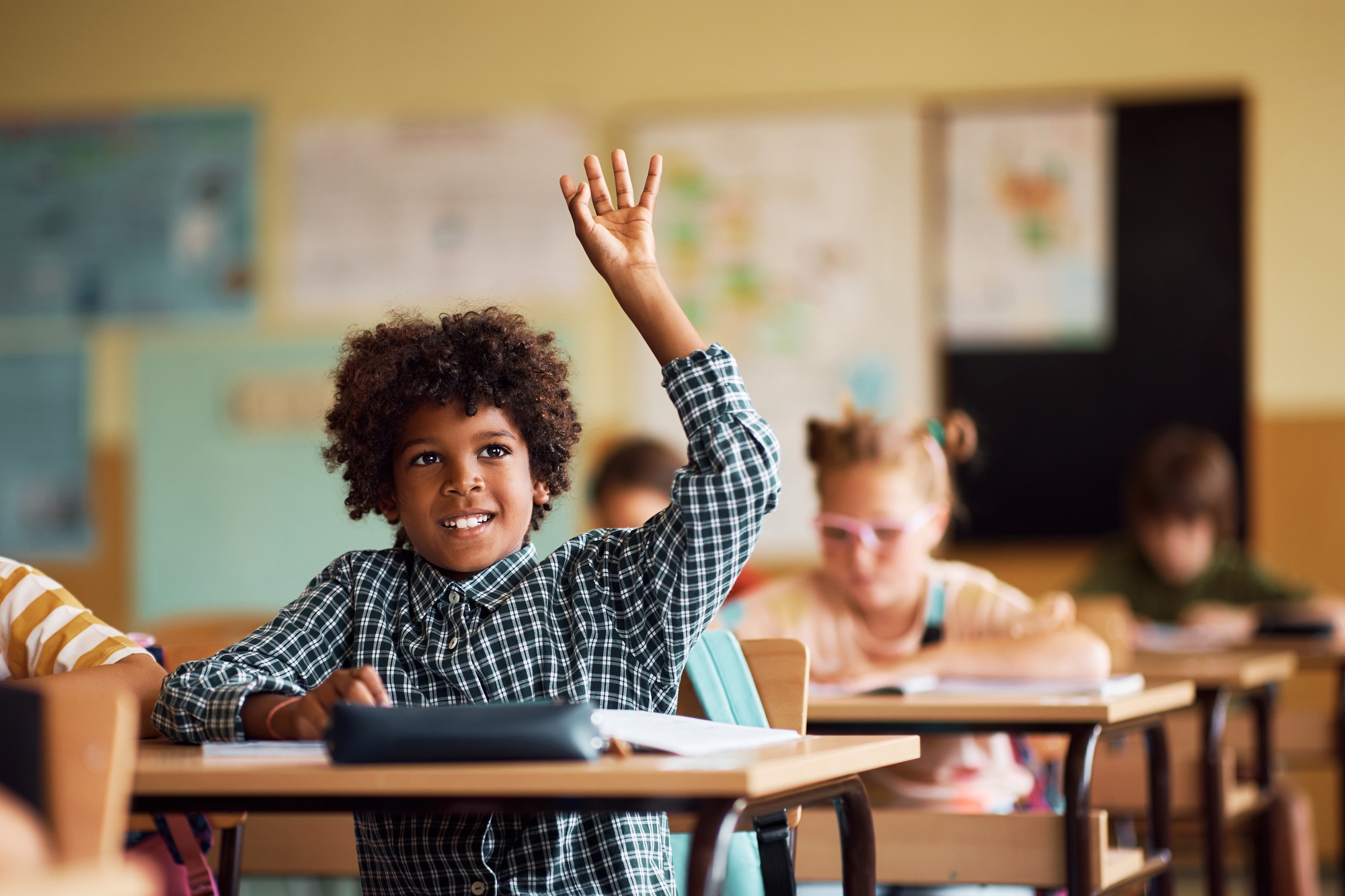
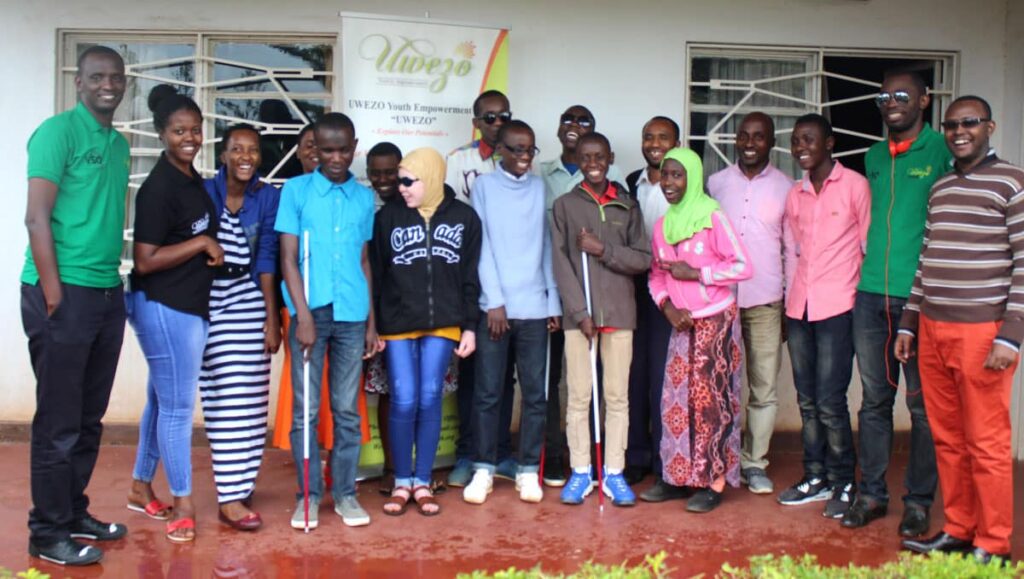
Uwezo trains teachers, equips classrooms, and stands beside families until inclusion is not a slogan but a habit. Early education centers welcome diverse needs; mobility and language practice sit beside play and reading; peers learn respect through shared routines. Parents gain tools to advocate; administrators see how small adaptations open doors; stigma loosens when success is visible. Follow up keeps accommodations in place; pride grows as children present work and lead songs. The message is steady: every child belongs, every day, in every class.
The expanded shelter added dorms, classrooms, and a garden designed by the girls; mornings began with a calm meeting; afternoons held study and art. Workshops on mental health, entrepreneurship, and poetry helped stories surface; laughter returned to rooms that once held fear. Staff prepared school reentry plans; alumni visited to mentor; confidence rose with each small success. What began as extra space became a platform for leadership; girls who hid now speak, and others listen.
Key Event #2: Disability Inclusion Day – Southern Province
Uniting Educators and Families for Inclusive Classrooms
Teachers, students, and parents gathered for panels, games, and shared learning; children presented songs and art; families told stories of progress. Practical tools were practiced on the spot; commitments were written and read aloud; a network formed that would last beyond the day. Administrators left with checklists and courage; classrooms opened wider the following week. Inclusion felt joyful and doable; that feeling is how change holds.
Top Grassroot Nonprofits Across Rwanda
Meet the five grassroot organizations seeking to make extraordinary strides in improving the lives of Rwanda’s children — one community at a time.
To get started, click on the image to visit the donation page, or click on the nonprofit’s name to access their homepage.
After donating on a partner site, click the purple globe icon to register your contribution in our data tables.
Remember, your support, whether it’s visiting their homepage, donating, or following their social media, will be crucial towards helping these nonprofits grow and amplify their efforts.