All Revenue From Ads Go to Advertising and Support for Nonprofits
Republic of the Congo: Lifting Children Beyond Silence and Survival
Explore the Republic of the Congo:
Congo is more than forest roads and oil ports, it is children facing exclusion, poverty, and unhealed memories while reaching for identity and school. From Likouala to Brazzaville and Pointe-Noire, their needs are specific and human; we are here to keep them seen and supported.
The Situation for Children in the Republic of the Congo
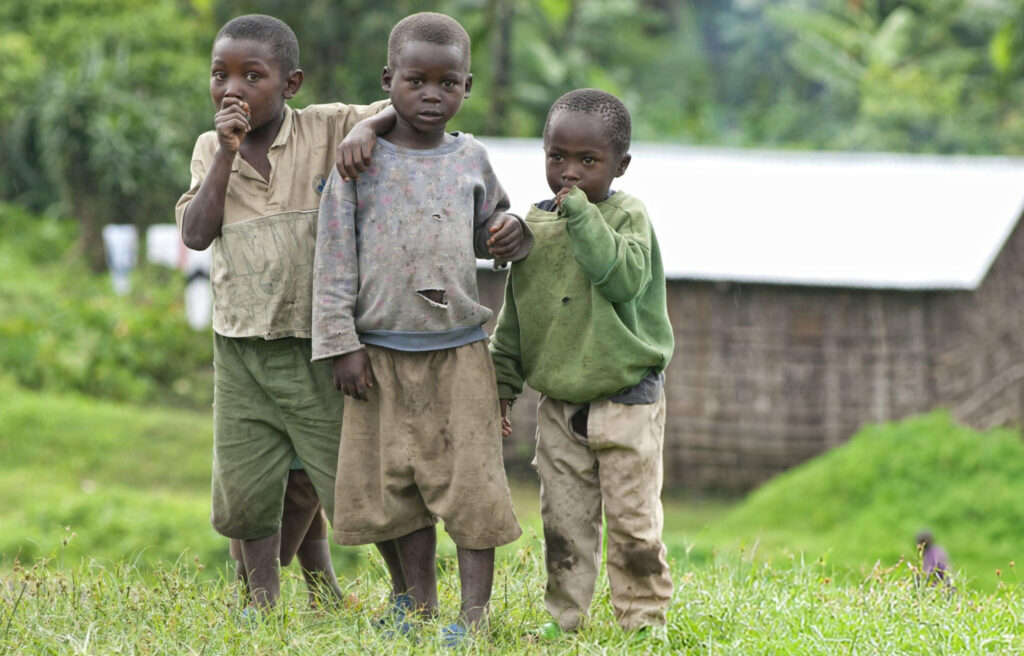
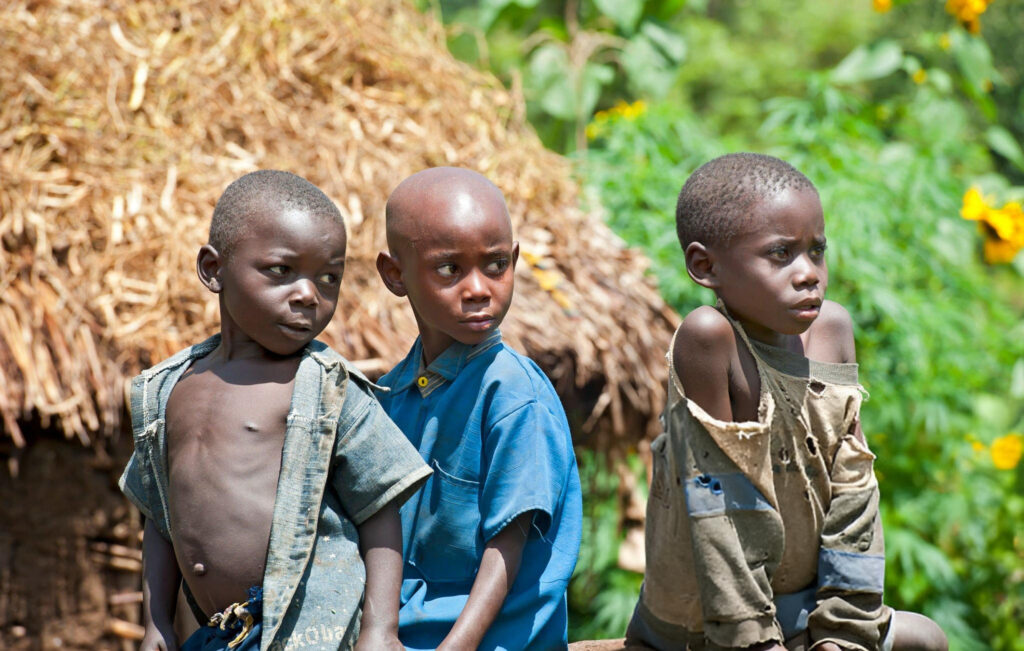
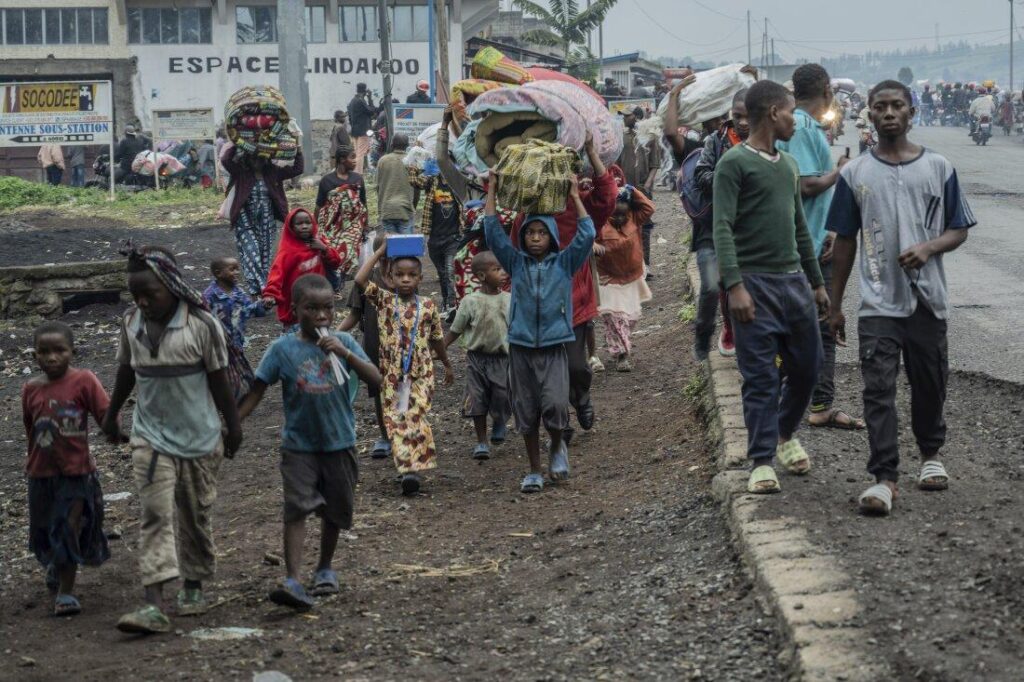
Behind the Republic of the Congo’s rich culture and oil wealth lies a quieter reality — where many children still face poverty, neglect, and marginalization. Indigenous children and those in post-conflict zones are especially vulnerable. These are the three most urgent challenges:
Exclusion and Discrimination Against Indigenous Children (Batwa Communities)
Children from Indigenous Batwa (Pygmy) groups often face systemic exclusion from schools, healthcare, and birth registration. Many live in deep poverty, silenced by stigma and denied basic rights.
Urban Poverty and Child Neglect in Brazzaville and Pointe-Noire
In informal settlements, many children grow up without stable homes, guardianship, or access to education. They are vulnerable to street life, exploitation, and malnutrition.
Post-Conflict Trauma and Lack of Child Protection Services
Years of armed conflict left scars on communities. Many children who witnessed violence or lost family still live without trauma care or emotional support.
Despite these challenges, ROC’s children remain full of hope, dreaming of education, health, and opportunities for a better tomorrow.
Key Contributor #1: CAD-Mali Congo (Centre d’Action pour le Développement)
Bringing Education and Legal Identity to Indigenous Communities
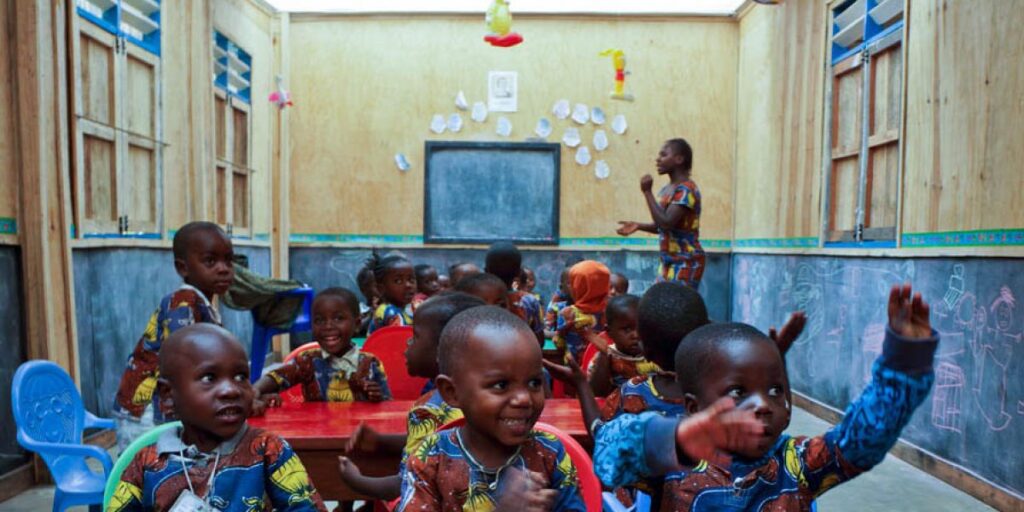
In Batwa settlements where services rarely arrive, CAD-Mali registers births, teaches in mobile classrooms, and translates systems into language families can trust. Educators travel with chiefs’ support; they help parents understand forms; they help children write their names and hear them read aloud. Health outreach pairs with lessons so attendance can hold; school enrollment follows registration; dignity follows both. The approach is patient and respectful; it protects culture while opening doors. A child once invisible to the state becomes counted, expected, enrolled. That shift changes how a village greets tomorrow.
Key Contributor #2: Fondation Solidarité pour Tous
Feeding and Protecting Children in Urban Slums
In Brazzaville’s poorest neighborhoods, volunteers serve meals, offer tutoring, and keep watch for harm that hides in crowded rooms. Street outreach finds children sleeping rough; shelters provide beds and quiet; counselors steady emotions that made school impossible. Caseworkers reunite families when safe; when not, care homes protect stability; teachers coordinate catch up classes and exam prep. The rhythm is simple: food, rest, learning, follow up; progress is measured in calmer mornings and regular attendance. Children who lived by improvisation begin to plan; safety stops being rare. The city learns how solidarity looks in practice.
Key Event #1: Birth Registration Drive – Likouala Province
Giving Identity and Rights to Indigenous Children
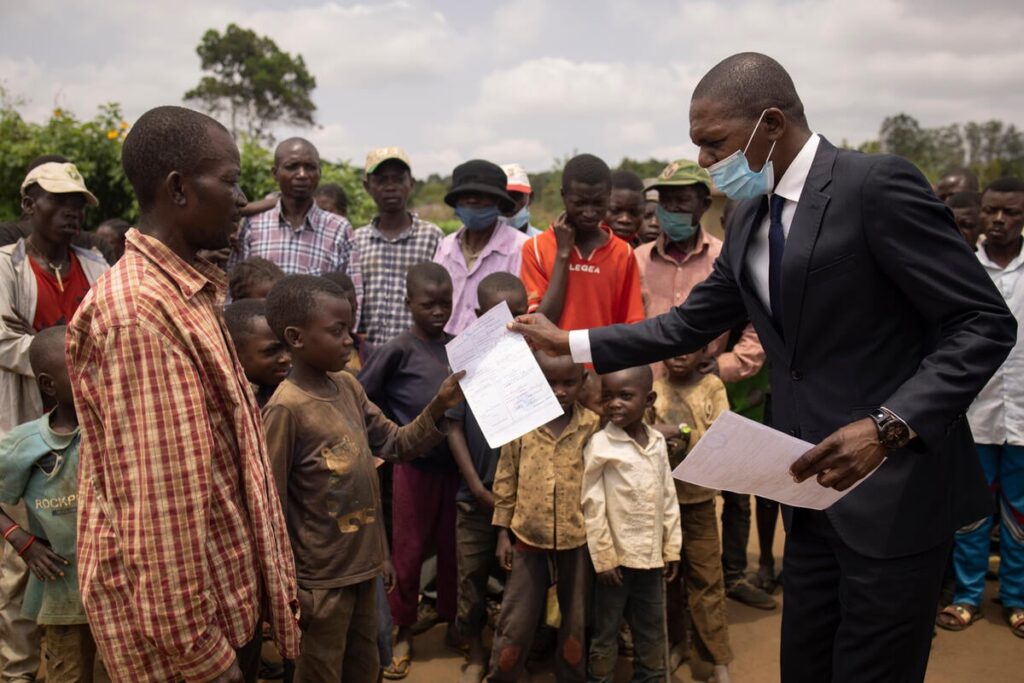
Mobile teams set up beside village squares; interpreters and chiefs welcomed families; paperwork moved from rumor to reality. Children received certificates; parents received explanations and copies; school enrollment desks opened nearby for immediate next steps. The moment of hearing a name read from an official page carried weight; joy mixed with relief; protection became more likely. The drive brought children into view of services and law; it turned recognition into routine. A document became a door.
Providing Safety and Healing for Abandoned Children
A new building opened with dorms, a classroom, and an art room where drawings spoke before words did. Staff trained in trauma care set a steady schedule; tutors guided lessons; kitchens served meals that made afternoons possible. Outreach teams brought in children who had avoided institutions; trust formed around consistency and kindness. Some reunited with relatives; others found longer care; all found respect. The expansion added beds, but it added something larger: a place where childhood can return.
Top Grassroot Nonprofits Across ROC
Meet the five grassroot organizations seeking to make extraordinary strides in improving the lives of ROC’s children — one community at a time.
To get started, click on the image to visit the donation page, or click on the nonprofit’s name to access their homepage.
After donating on a partner site, click the purple globe icon to register your contribution in our data tables.
Operates long‑term programs in Brazzaville and Pointe‑Noire supporting vulnerable urban girls through multidisciplinary care—from street outreach and shelters to education, vocational training, health services, and legal empowerment.
Remember, your support, whether it’s visiting their homepage, donating, or following their social media, will be crucial towards helping these nonprofits grow and amplify their efforts.