All Revenue From Ads Go to Advertising and Support for Nonprofits
Morocco: Reclaiming Childhood in the Margins of Progress
Explore Morocco:
Morocco is more than skylines and proud plazas, it is children working in kitchens, sleeping in stations, and walking mountain paths for a seat in class. From Casablanca to the High Atlas and beyond, their lives ask for action, and we are here to carry their stories into change.
The Situation for Children in Morocco
Morocco is often praised as a model of growth and stability — but for children in rural areas, inner-city neighborhoods, and undocumented communities, daily life remains defined by hardship. These are the three most urgent challenges:
Child Domestic Labor and Gender-Based Exploitation
Thousands of girls — some as young as eight — are employed as domestic workers under exploitative or abusive conditions. Many never attend school and suffer long-term trauma in silence.
Education Gaps in Rural and Marginalized Communities
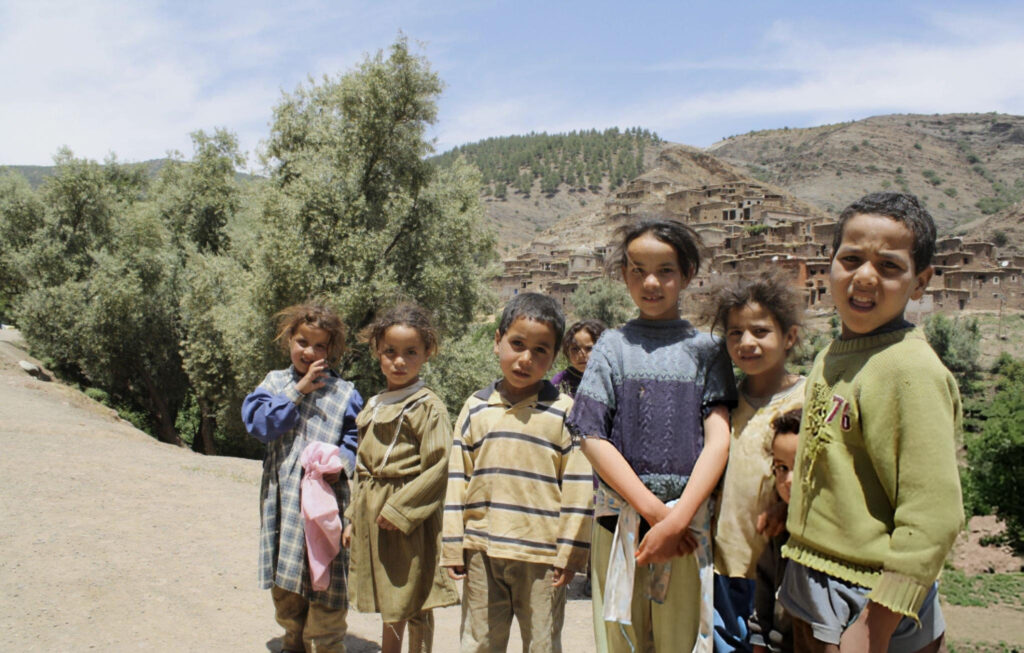
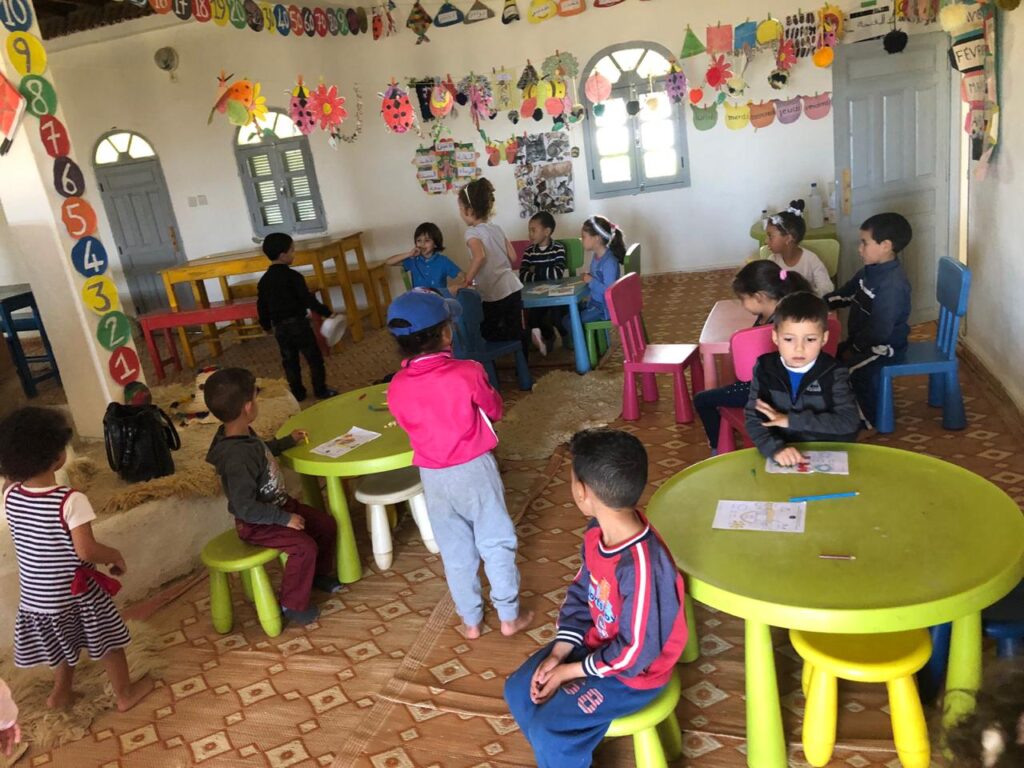
While enrollment has improved, school infrastructure, transportation, and teacher availability remain poor in remote areas. Children with disabilities and Amazigh-speaking youth often face systemic exclusion.
Lack of Legal Protection for Abandoned and Street-Connected Children
Street children, orphans, and undocumented youth face discrimination, violence, and arrest. Legal identity, guardianship systems, and access to care remain weak or inaccessible.
Despite these challenges, Morocco’s children remain full of hope, dreaming of education, health, and opportunities for a better tomorrow.
Key Contributor #1: INSAF (Institution Nationale de Solidarité Avec les Femmes en détresse)
Rescuing Girl Domestic Workers and Reuniting Families
INSAF finds girls hidden in domestic work, brings them to safety, and builds careful paths home and back to school. Family support and rural outreach prevent new recruitment; legal aid and advocacy press for accountability; classrooms and bridge programs restore the habit of learning. In care centers and mountain villages, the same message holds: a girl’s future belongs to her. Step by step, labor gives way to lessons and voice.
Key Contributor #2: Bayti Association
Supporting Street-Connected and Abandoned Children With Shelter and Hope
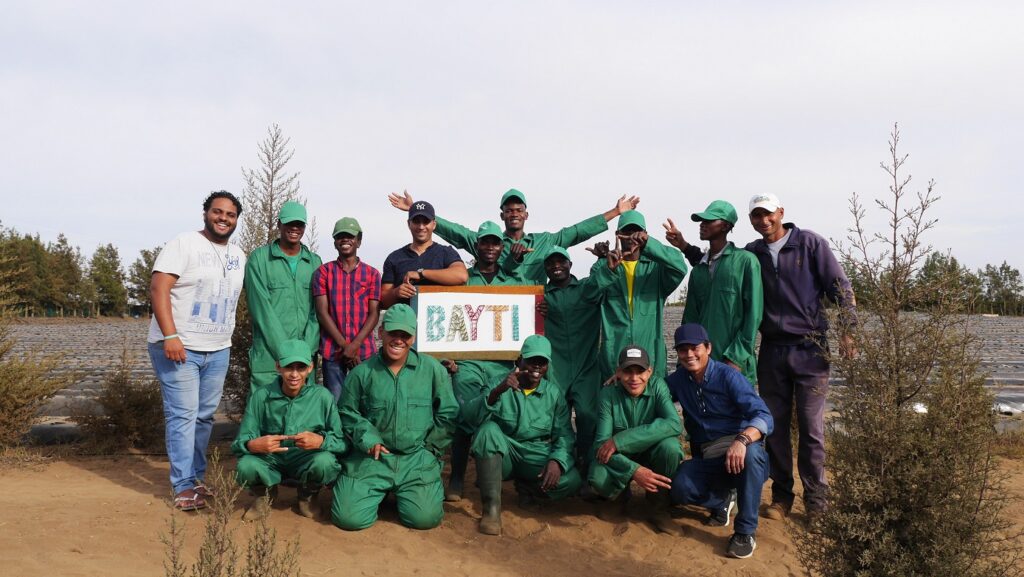
Bayti meets children in markets and alleys with no questions asked, then offers shelter, counseling, and a route to documents, school, and skills. Drop in centers provide meals and hygiene; legal teams secure identity; educators keep progress steady; follow up is measured in months and years. Protection is practical here: a bed, a paper, a plan, a steady adult. Hope becomes routine.
Key Event #1: Back to School Caravan – High Atlas Mountains
Reaching Rural Children With Supplies, Support, and Teachers
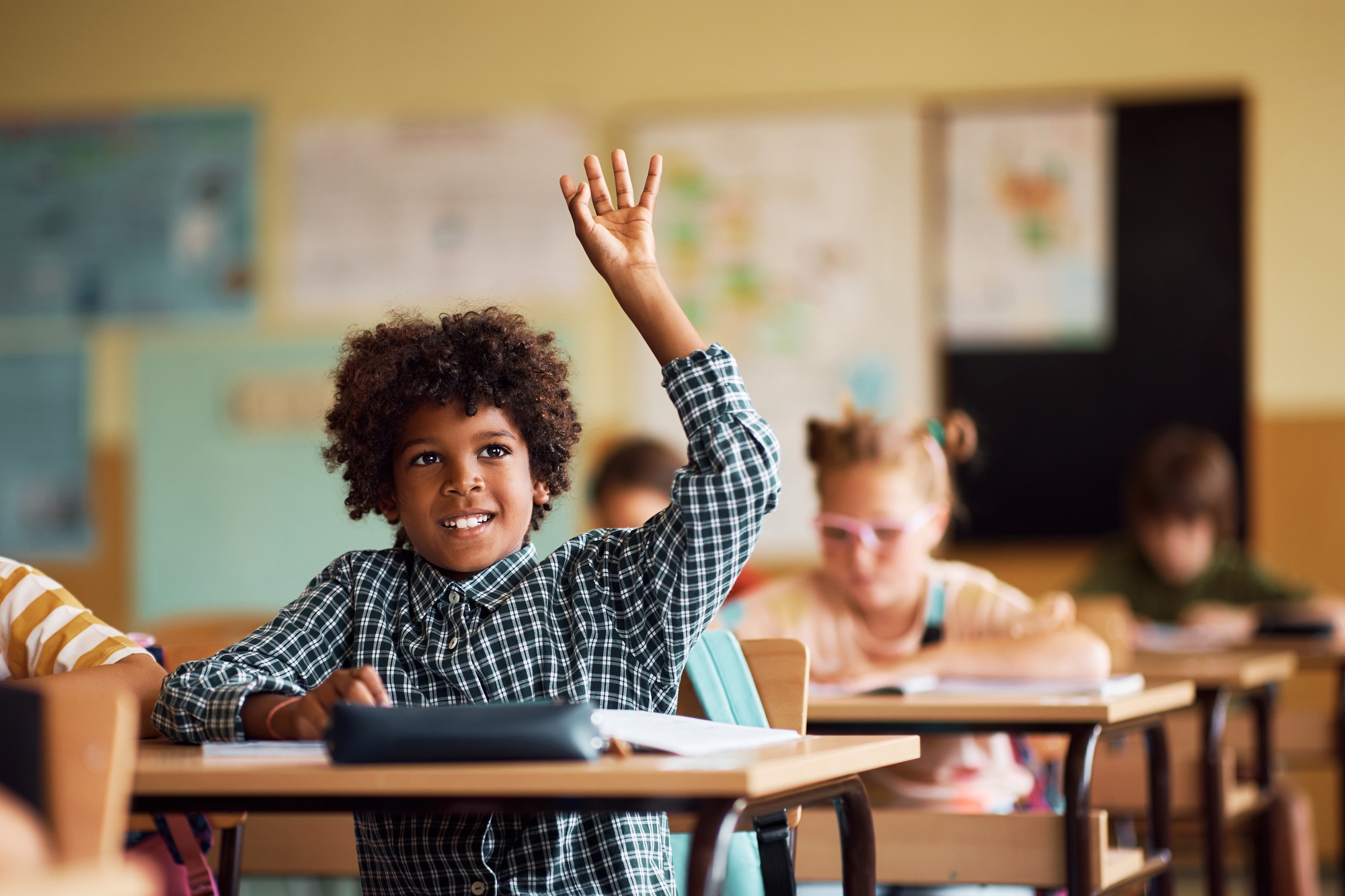
Trucks climbed into Amazigh villages with backpacks, assessments, and health checks; out of school children were enrolled on the spot. Parents joined sessions on girls’ education; vision screenings matched students with glasses; story circles turned shyness into laughter. The caravan brought more than supplies; it brought belonging to the school gate.
Helping Undocumented Street Youth Reclaim Their Legal Rights
Legal teams and local officials worked side by side to verify names, locate families, and file papers so teens could hold IDs for the first time. With documents in hand, school and services opened; dignity returned with a signature and a photo. A life that had been stuck began to move again.
Top Grassroot Nonprofits Across Morocco
Meet the five grassroot organizations seeking to make extraordinary strides in improving the lives of Morocco’s children — one community at a time.
To get started, click on the image to visit the donation page, or click on the nonprofit’s name to access their homepage.
After donating on a partner site, click the purple globe icon to register your contribution in our data tables.
Remember, your support, whether it’s visiting their homepage, donating, or following their social media, will be crucial towards helping these nonprofits grow and amplify their efforts.