All Revenue From Ads Go to Advertising and Support for Nonprofits
Madagascar: Uplifting Childhood on an Island of Contrast and Crisis
Explore Madagascar:
Madagascar is more than red earth and rain, it is children learning to stand against hunger, distance, and storms with will and grace. From Antananarivo to the south, their futures depend on steady care and real inclusion; we are here to lift those futures into view.
The Situation for Children in Madagascar
Madagascar is a land of stunning beauty and ecological wonder, but its children face a different reality — one marked by chronic hunger, missed schooling, and worsening climate impacts. These are the three most urgent challenges:
Chronic Malnutrition and Food Insecurity
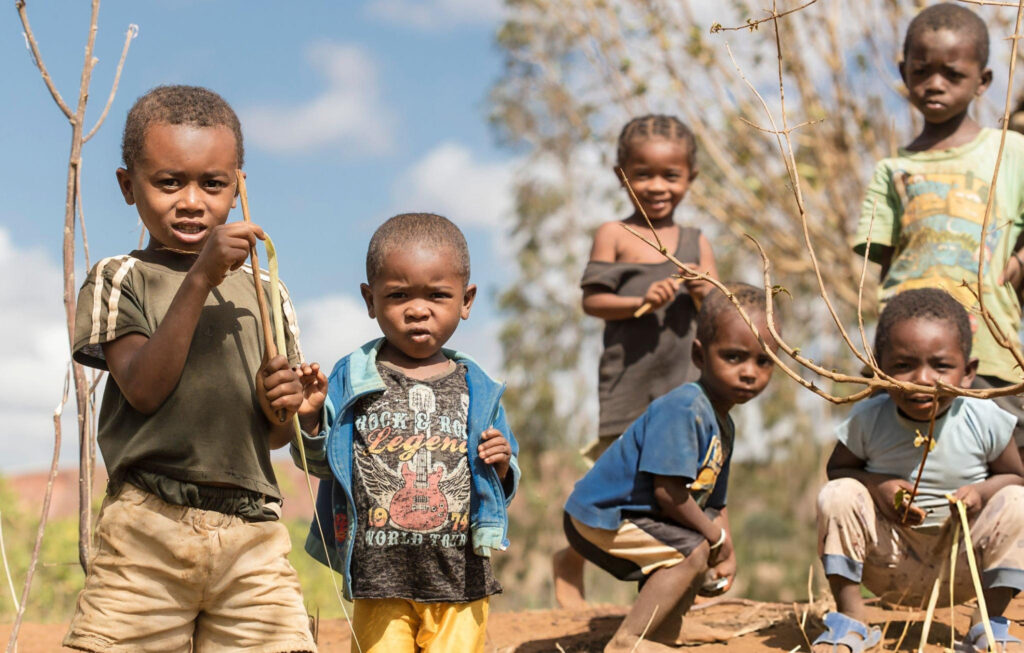
Over 40% of children under five are chronically malnourished, especially in southern regions plagued by drought. Many go to school hungry or drop out to search for food.
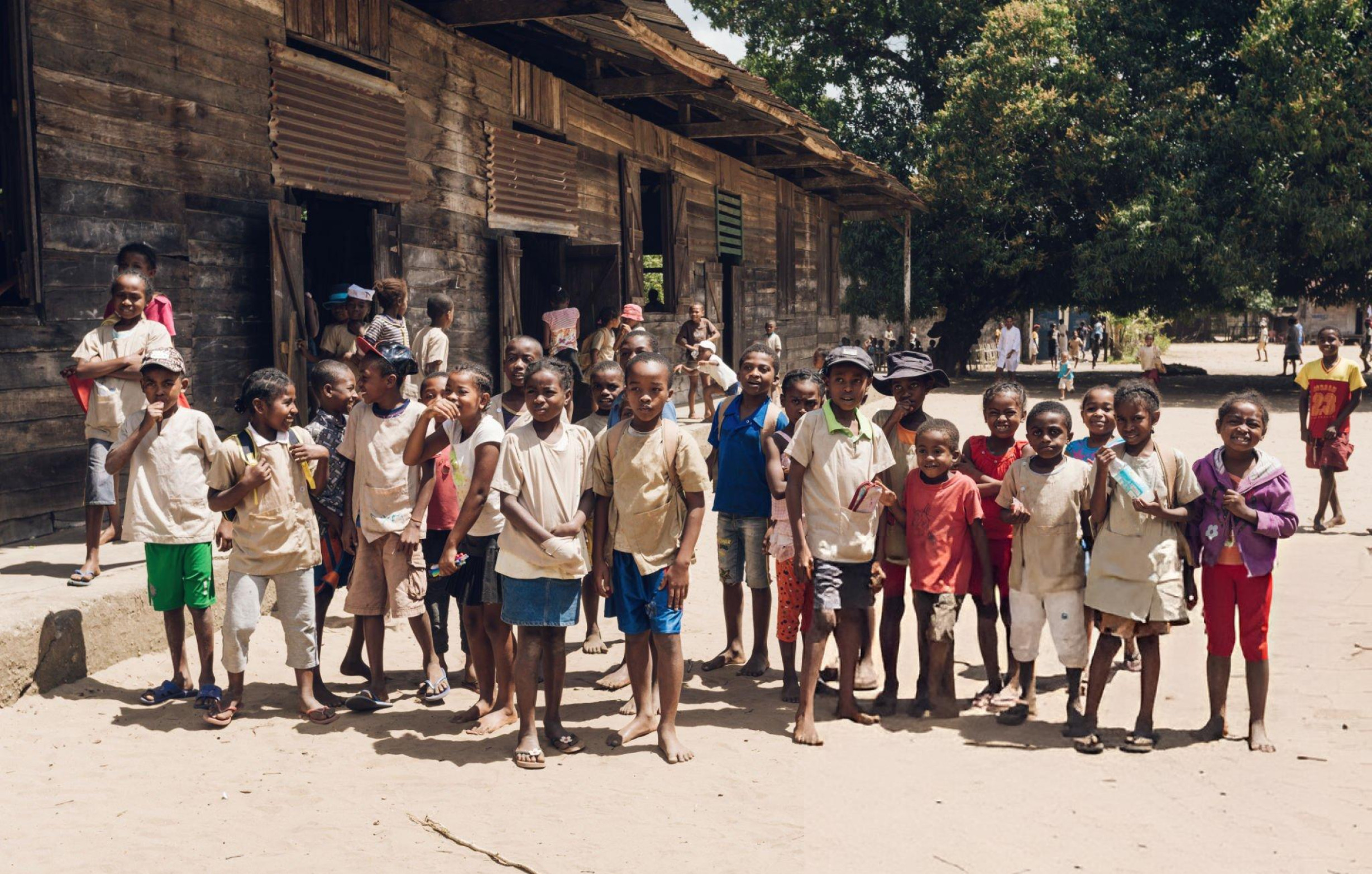
Rural schools are often overcrowded, under-resourced, and far from home. Children with disabilities are frequently excluded, and dropout rates spike after primary school — especially among girls.
Southern Madagascar is experiencing one of the world’s first climate-driven famines. Drought, cyclones, and crop failures have displaced families, eroded livelihoods, and pushed children deeper into survival mode.
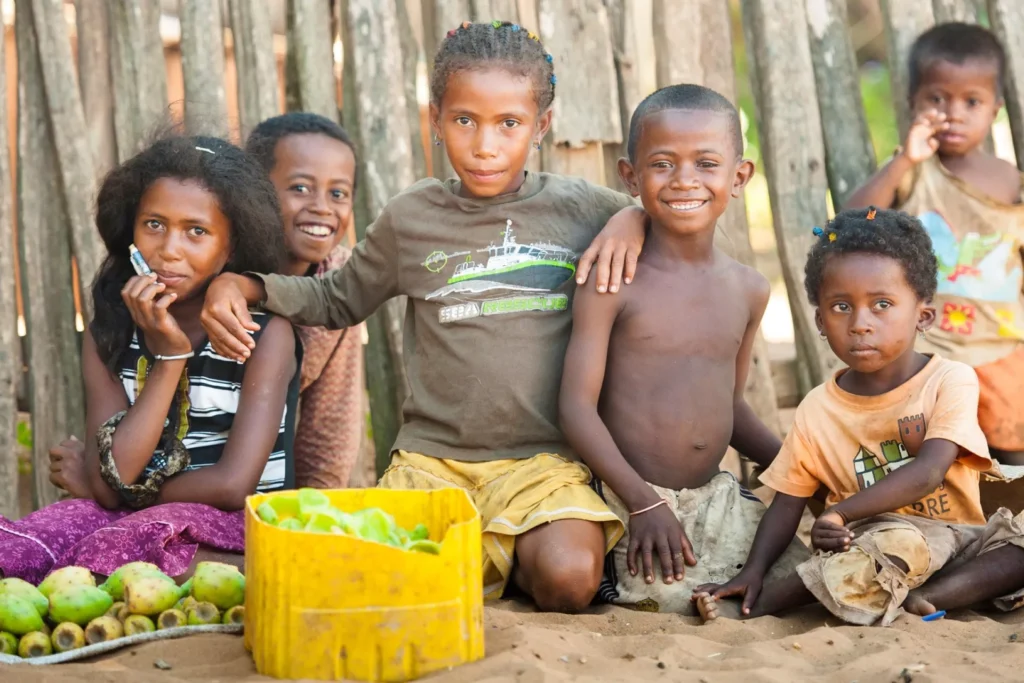
Despite these challenges, Madagascar’s children remain full of hope, dreaming of education, health, and opportunities for a better tomorrow.
Key Contributor #1: Zazakely Sambatra Foundation
Feeding, Teaching, and Mentoring Children in Rural Madagascar
In neighborhoods where drought steals meals and school feels far, Zazakely Sambatra serves food, opens books, and builds circles of trust that hold. Children eat first; attention returns; tutors guide reading, numbers, and study habits that last beyond a single term. Former students teach the next cohort, a living proof that mentorship can travel across years; parents join kitchen gardens that steady nutrition between distributions. Staff bring care to the edge of crisis without noise; they listen, adjust, and return; they value progress measured in steady attendance and eyes that brighten. The goal is simple and strong: a child who is nourished, learning, and hopeful. In places where options seem thin, this is how possibility grows.
Key Contributor #2: Fianakaviana Sambatra (FISA)
Supporting Children With Disabilities Through Education and Acceptance
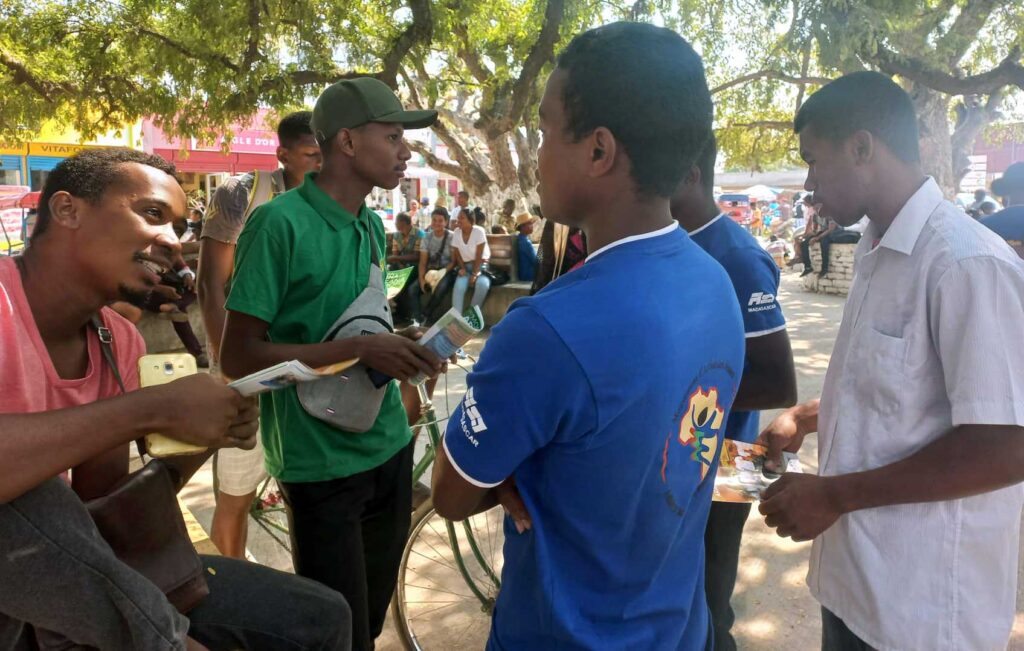
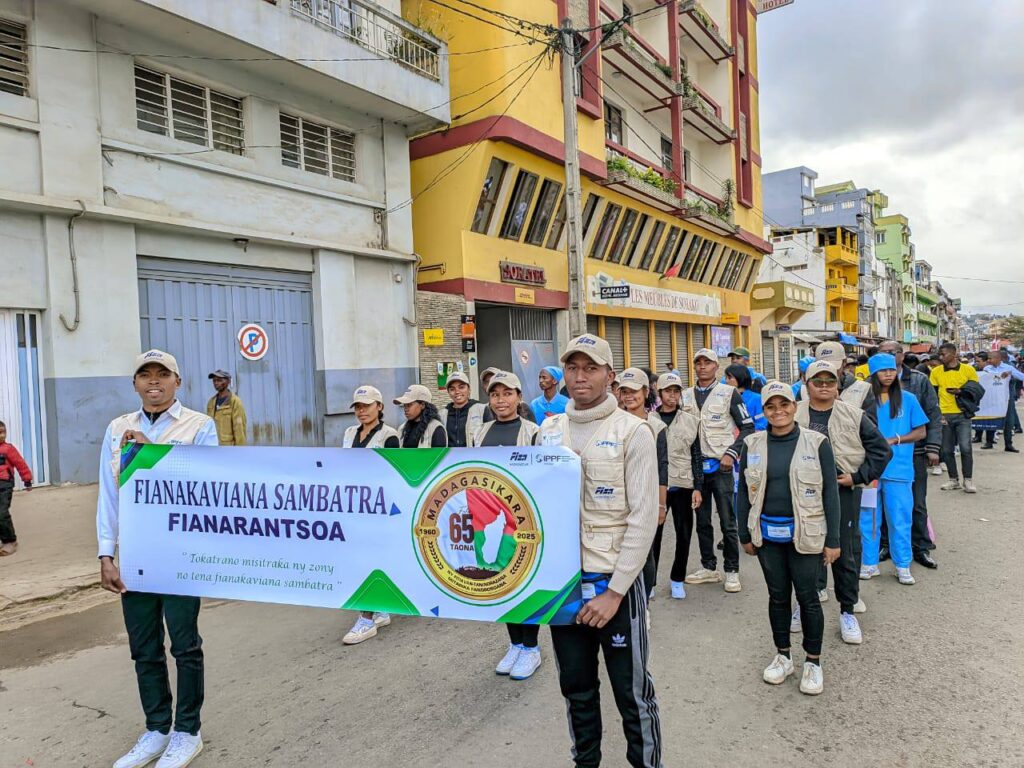
FISA invites children with disabilities into rooms designed for dignity and growth, then walks with families until inclusion becomes habit, not exception. Therapists and teachers coordinate plans; mobility and language practice sit beside play and early learning; patience guides every step. Schools receive training that turns fear into readiness; administrators see that small adjustments open doors wide. Public campaigns replace stigma with stories; parents who once hid their children now celebrate progress in community. Follow up remains close so gains do not slip; every improvement is named and built upon. Inclusion becomes visible, then normal; a child takes a seat, learns with peers, and carries that belonging home.
Key Event #1: Emergency Meal Kit Campaign – Androy Region
Feeding Children in Madagascar’s Climate-Driven Famine Zone
Teams reached villages where drought had pressed hardest and set a rhythm that saved energy and attention: screening, meal kits, safe water, and a place to rest. Mobile kitchens cooked daily in schoolyards; children ate, laughed, and returned to lessons with steadier focus. Health checks caught danger early; simple guidance helped caregivers stretch food and keep water clean; follow up made the difference between a good week and a good month. Pride returned with strength; families spoke of sleep without hunger and mornings that began with purpose. Relief became renewal because it was personal, nearby, and predictable.
Key Event #2: Inclusive Play Festival – Antsirabe
Creating Safe, Joyful Spaces for Children With Disabilities
For a full day, ramps, games, music, and art turned a public space into a map of what inclusion can feel like. Children with and without disabilities played together; teachers practiced adaptive methods; parents learned how to support progress at home. Volunteers paired patience with celebration; quiet corners allowed rest; sign language and braille materials sat beside story circles. Smiles carried the message further than any speech: every child belongs, and belonging can be designed. The festival closed, but classrooms and families kept the lesson alive.
Top Grassroot Nonprofits Across Madagascar
Meet the five grassroot organizations seeking to make extraordinary strides in improving the lives of Madagascar’s children — one community at a time.
To get started, click on the image to visit the donation page, or click on the nonprofit’s name to access their homepage.
After donating on a partner site, click the purple globe icon to register your contribution in our data tables.
Remember, your support, whether it’s visiting their homepage, donating, or following their social media, will be crucial towards helping these nonprofits grow and amplify their efforts.