All Revenue From Ads Go to Advertising and Support for Nonprofits
Côte d’Ivoire: Defending Childhood at the Root of the Cocoa Crisis
Explore Côte d’Ivoire:
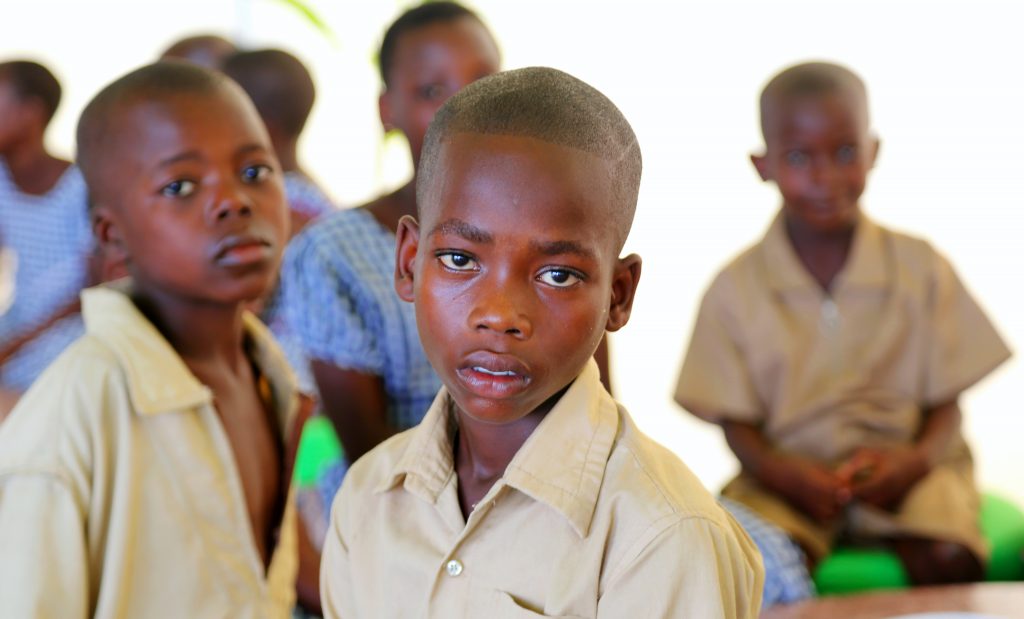
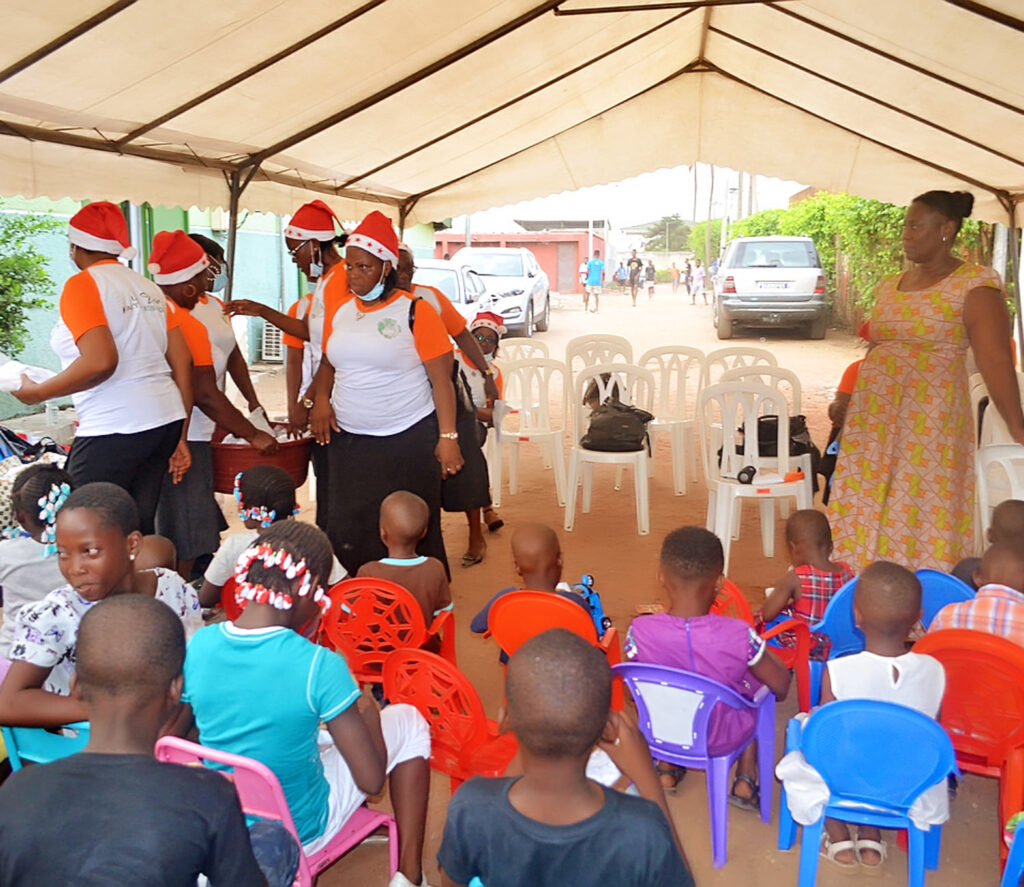
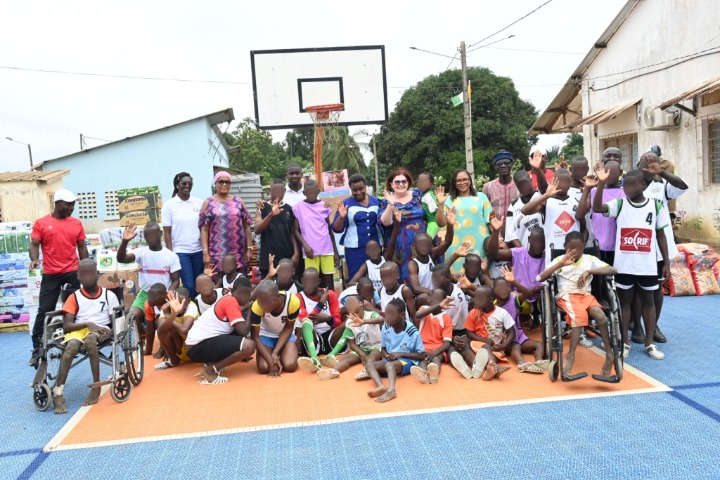
Côte d’Ivoire is more than highways and cacao groves, it is children chasing health, learning, and dignity with courage. From Abidjan’s crowded suburbs to the cocoa belt around Soubré and the towns of the west, many carry heavy burdens, and that is why we are here.
The Situation for Children in Côte d’Ivoire
Côte d’Ivoire is the world’s top cocoa producer, with a booming economy and rich cultural heritage. But many of its children remain trapped in cycles of labor, poverty, and exclusion — especially in rural and post-conflict areas. These are the three most urgent challenges:
Widespread Child Labor in Cocoa and Agriculture
Hundreds of thousands of children work in cocoa farms and other sectors, often carrying heavy loads, using sharp tools, and missing school. Family poverty and weak enforcement make it hard for children to escape the fields.
Education Disruption in Rural and Conflict-Affected Areas
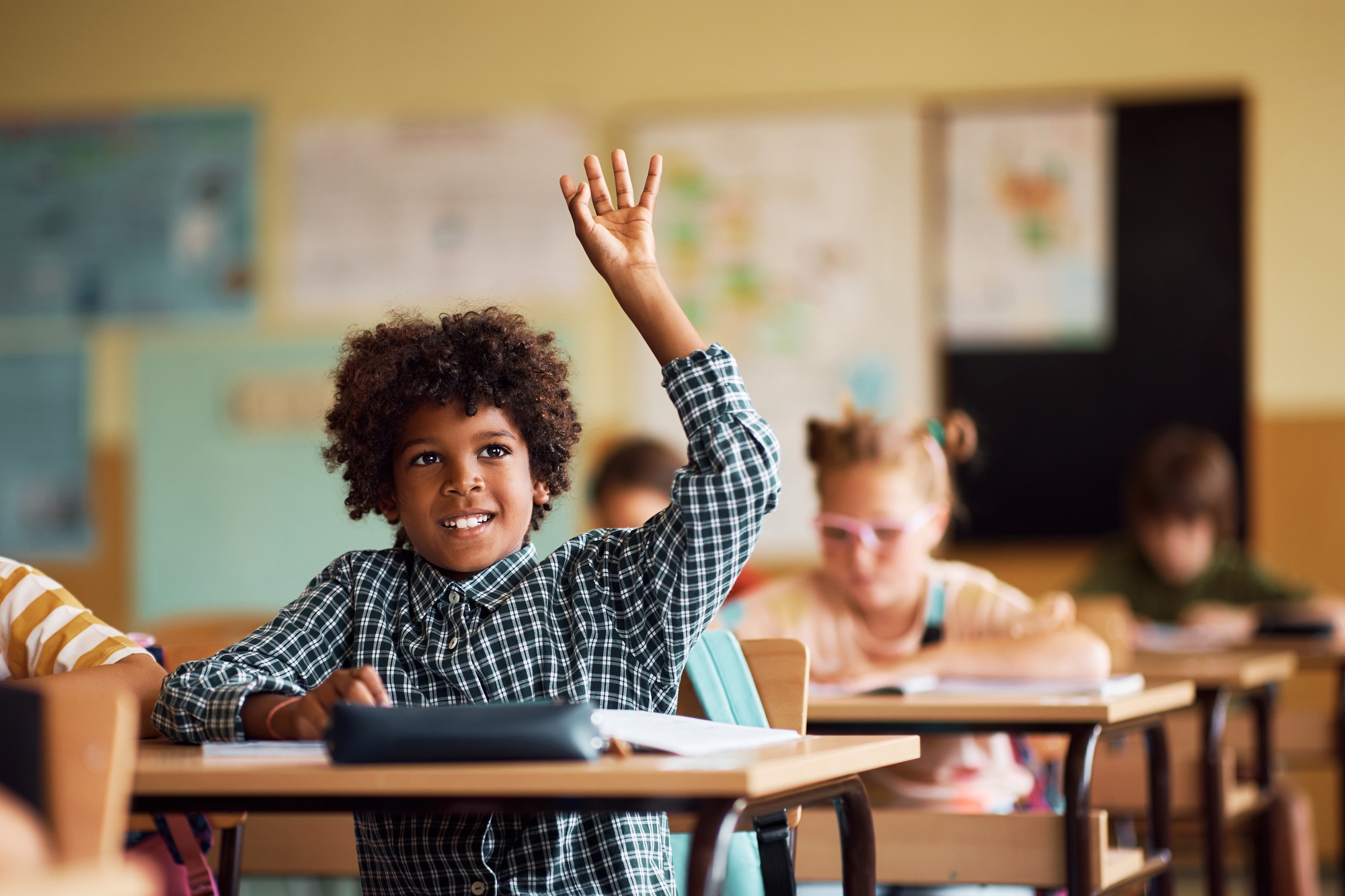
Though school enrollment has improved, many children — especially in the west and north — lack access to functioning schools, teachers, and safe transportation. Girls face early marriage, and children with disabilities are often excluded.
Years of political conflict left thousands of children displaced, orphaned, or exposed to violence. Mental health care and child protection services remain limited, especially outside urban centers.
Despite these challenges, Côte d’Ivoire’s children remain full of hope, dreaming of education, health, and opportunities for a better tomorrow.
Key Contributor #1: ONG Lueur d’Espoir
Helping Children Exit Cocoa Labor and Reclaim Education
In villages where work begins before sunrise, Lueur d’Espoir walks farm paths with patience and care. Staff identify children in hazardous tasks; they coordinate safe withdrawal; they enroll students in bridge classes that prepare them for formal school. Parents learn about rights and risks; farmers discuss better practices; community leaders pledge to keep children in class. Support includes meals, school kits, and counseling; small changes remove big obstacles; attendance turns from rare to routine. Children who once carried machetes now carry notebooks; a different future comes into view.
Key Contributor #2: Fondation Amour de l’Enfant
Supporting Orphans and Trauma Survivors With Healing and Care
Loss leaves marks that are hard to see; this foundation meets children with shelter, counseling, and school. Group activities use art, music, and play to process grief; caregivers receive guidance so healing continues at home. Caseworkers help locate safe relatives; when reunification is possible, support follows; when not, long term care protects stability. Children regain sleep; they learn to name feelings; they practice routines that make classrooms feel safe again. The work is slow and human; it turns pain into courage and isolation into belonging.
Key Event #1: Child Freedom Campaign – Soubré Region
Mobilizing Communities to End Cocoa Child Labor
Farmers, teachers, and elders gathered in public squares; they pledged to keep children in school and out of fields. Parades celebrated students returning to class; theater performances carried messages of safety and rights; enrollment drives made the next step easy. Families received uniforms and supplies; school meals filled gaps that poverty left; momentum spread from village to village. The change was practical and proud; people claimed a new story for their children and chose to live it together.
Key Event #2: Healing Camp for War-Affected Children – Duékoué
Offering Emotional Recovery Through Creativity and Care
For a week, children painted, told stories, and played; counselors guided them gently toward words that had been locked away. Group circles honored loss and lifted small joys; music loosened tight shoulders; quiet rooms offered one on one support. Each day closed with simple rituals that restored calm; each morning began with games that rebuilt trust. On the final day, the children planted trees together; roots reached for water; branches reached for light; hope felt possible again.
Top Grassroot Nonprofits Across Côte d’Ivoire
Meet the five grassroot organizations seeking to make extraordinary strides in improving the lives of Côte d’Ivoire’s children — one community at a time.
To get started, click on the image to visit the donation page, or click on the nonprofit’s name to access their homepage.
After donating on a partner site, click the purple globe icon to register your contribution in our data tables.
Remember, your support, whether it’s visiting their homepage, donating, or following their social media, will be crucial towards helping these nonprofits grow and amplify their efforts.