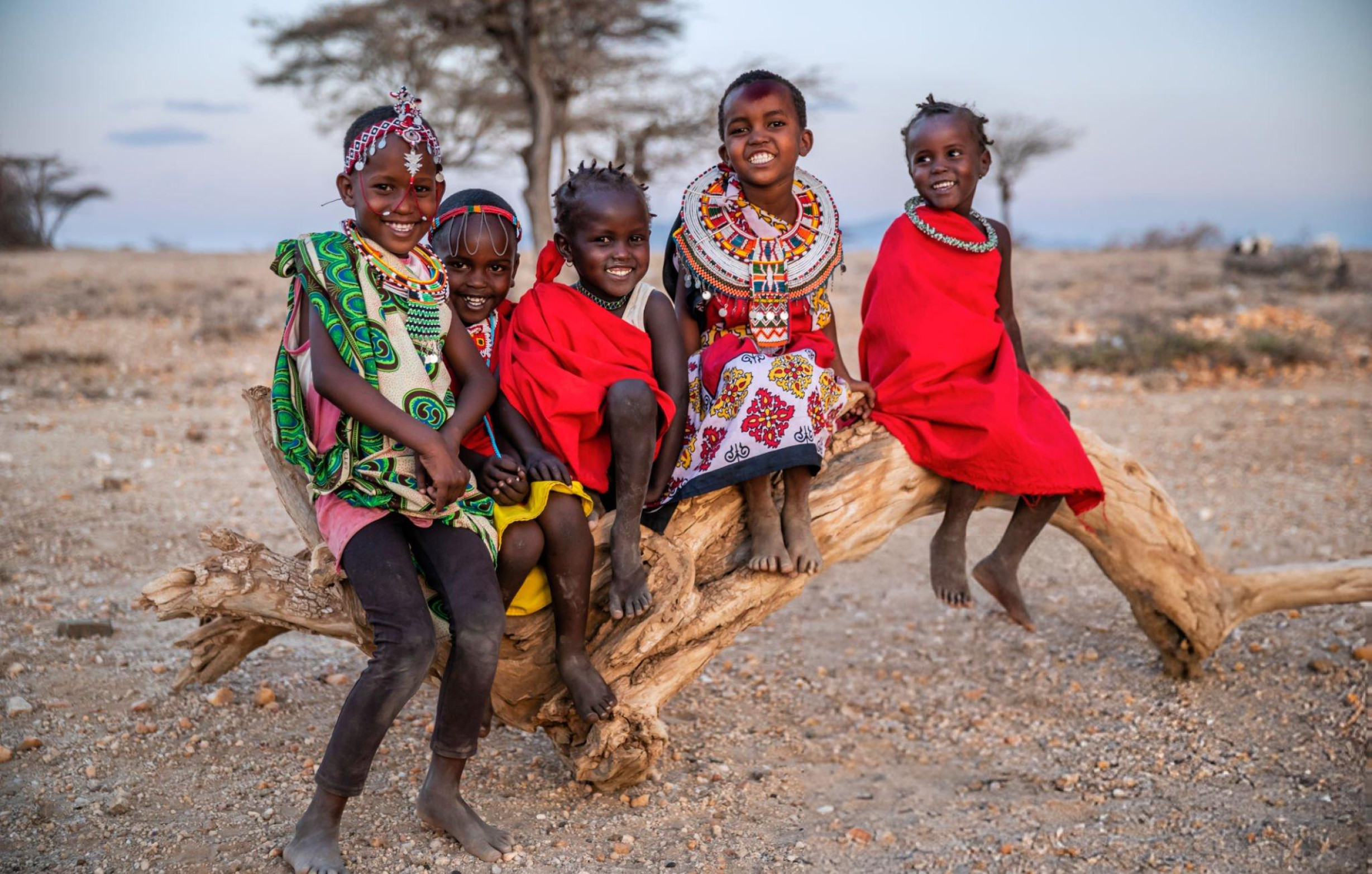
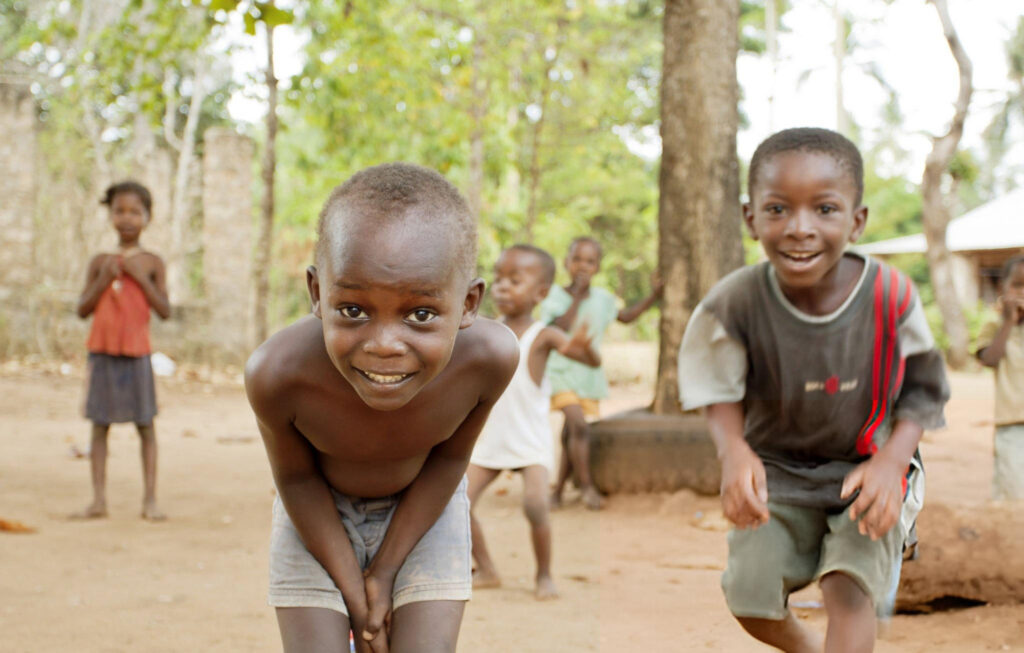
Kenya is more than headlines and highways, it is children navigating street life, pregnancy, and poverty while reaching for family and school. From Nairobi to Migori, their strength deserves partners and proof; we are here to help turn courage into change.
Thousands of children live or work on the streets in urban areas like Nairobi, exposed to violence, hunger, and arrest. Many flee abuse at home only to face neglect, trafficking, or addiction in public spaces.
Kenya has one of the highest teen pregnancy rates in East Africa. Pregnant girls are often expelled from school or pressured into marriage, with limited access to support, childcare, or reentry programs.
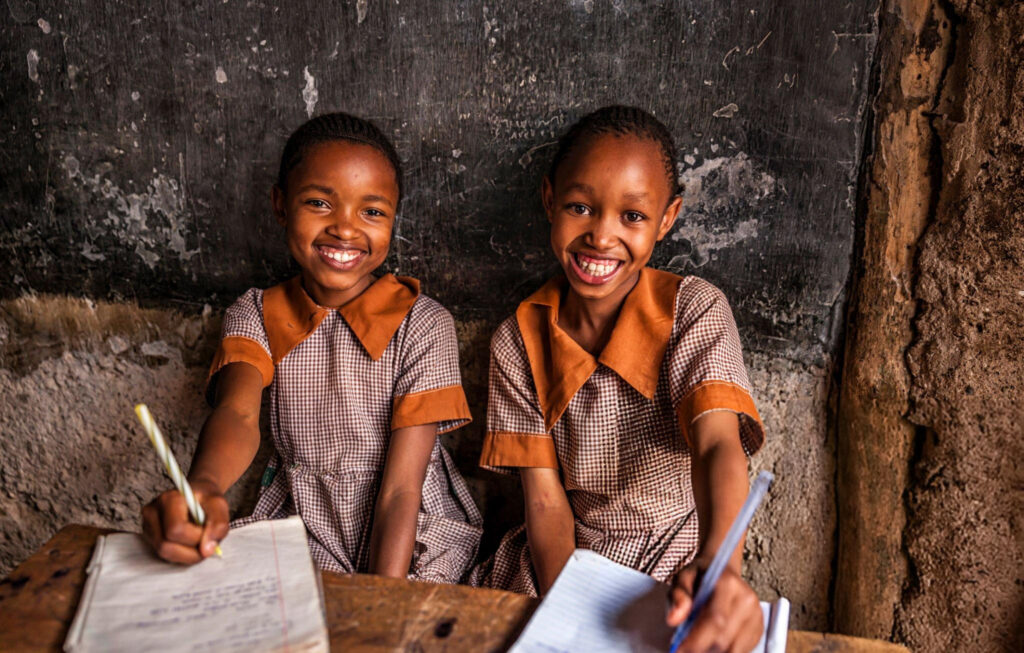
Despite free primary education, costs for uniforms, books, and meals keep many poor and rural children out of school. Overcrowded classrooms and teacher shortages further limit learning outcomes.
Outreach begins where children sleep and work; trust grows through meals, medical care, and a plan that fits the person, not the paperwork. CFFK reunites families when it is safe; where it is not, foster care and community supports protect childhood while school resumes. Counselors address trauma that made the street feel like the only option; teachers guide catch up learning; mentors stay close through the fragile first months. The work is careful and persistent; it treats belonging as essential, not optional. A child who once felt invisible is seen, expected, and welcomed back to a desk that has their name on it.
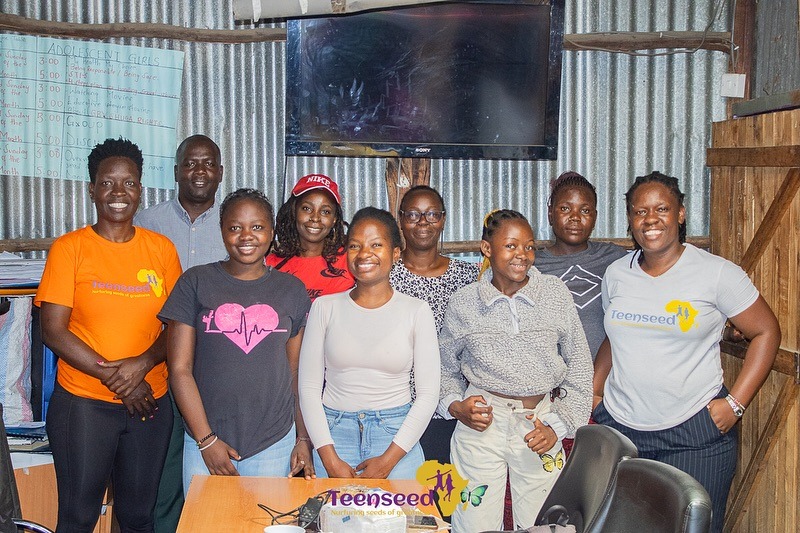
Teen Seed Africa tells girls a simple truth: you are still a student, and your future is still yours. Reentry guidance clears the path back to class; daycare support removes a daily barrier; peer mentors help manage fear and time. Health partners ensure prenatal and postnatal care; counselors teach skills for stress and study; families are invited to become allies rather than judges. Schools receive practical steps for inclusion; teachers see attendance hold; babies nap while mothers learn. What once looked like an ending becomes a beginning with support and patience.
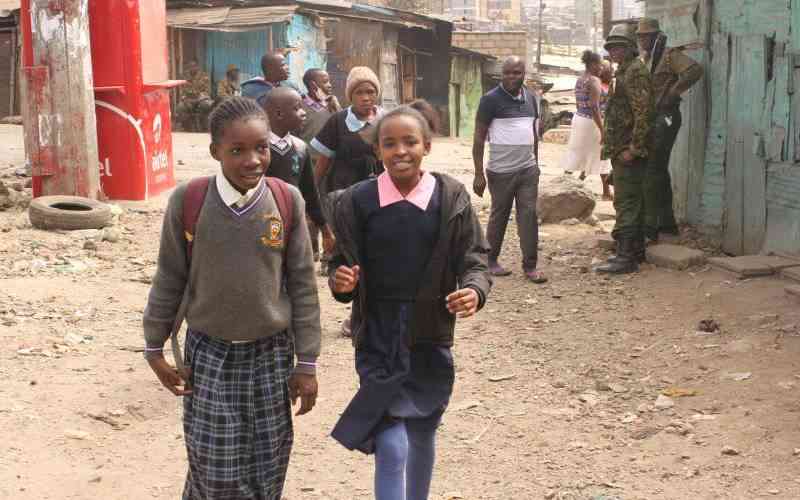
For one month, outreach teams mapped settlements, met guardians, and walked children to nearby schools with uniforms, supplies, and a familiar adult at their side. Teachers trained in trauma aware practice welcomed new students; transition counselors checked in each afternoon; small wins were noticed and named. Attendance rose because support stayed close; siblings followed as confidence spread; neighbors saw what was possible and joined the effort. The drive restored more than enrollment; it restored the idea that the street is not a destination.
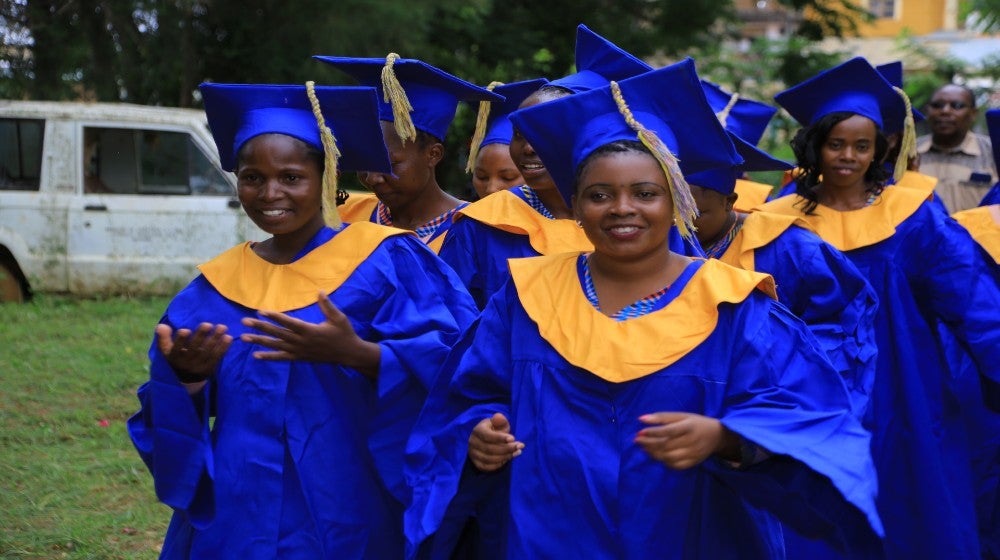
Families, teachers, and babies filled a courtyard to honor girls who studied through challenge and stood ready for next steps. Graduates spoke without apology; mentors smiled from the front row; staff handed toolkits for further education or small enterprise. The ceremony set a public standard: motherhood can live beside ambition; compassion and structure can open doors that shame had closed. Younger students watched and saw a path; communities cheered and promised to keep that path clear. Celebration became strategy, and hope felt practical.
Provides free schools, healthcare, water, and women’s empowerment programs in Kenya’s urban slums.
Rescues and rehabilitates street-connected girls through care, education, and family reintegration.
Protects children from abuse and institutionalization by advocating for education and legal rights.
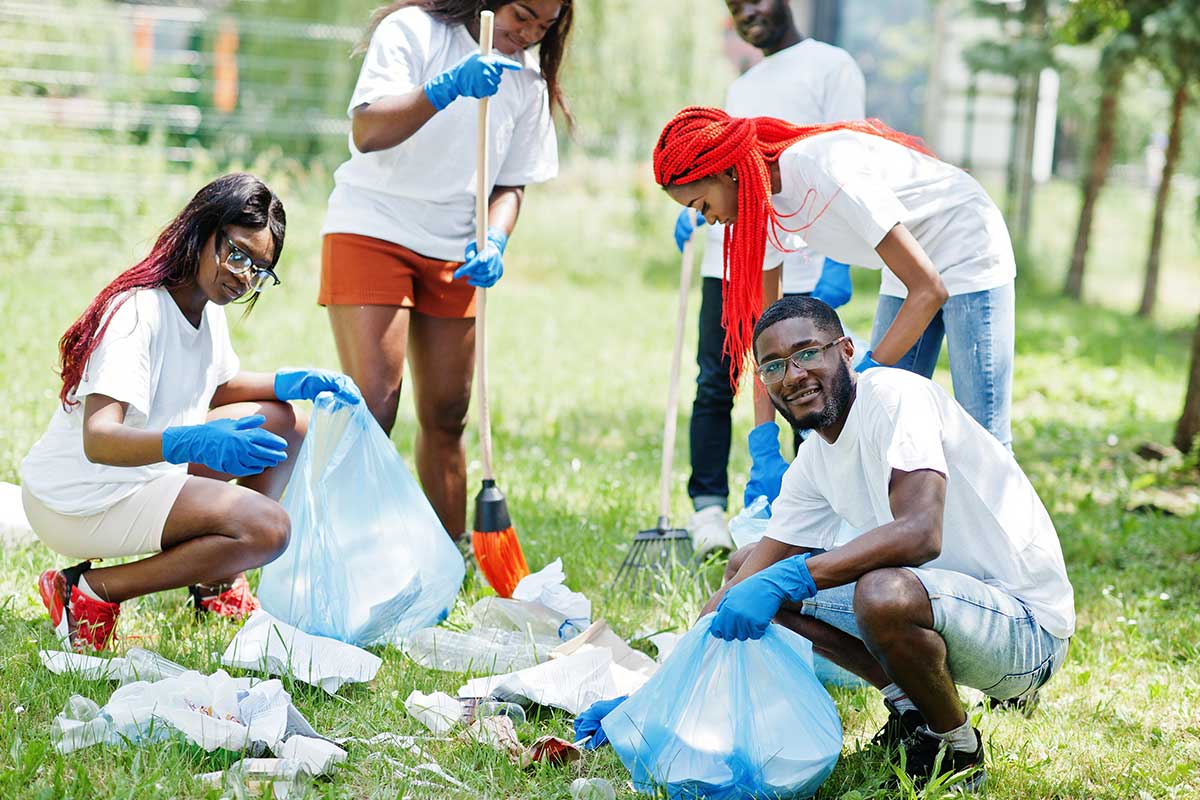
Educates youth in climate action by planting trees, promoting green spaces, and environmental literacy.