All Revenue From Ads Go to Advertising and Support for Nonprofits
Gabon: Building a Brighter Future Beyond the Capital
Explore Gabon:
Gabon is more than rainforests and oil towns, it is children asking for health, education, and dignity that lasts. From Libreville’s crowded neighborhoods to Port-Gentil’s sandy courts, needs remain hidden in plain sight, and that is why we are here.
The Situation for Children in Gabon
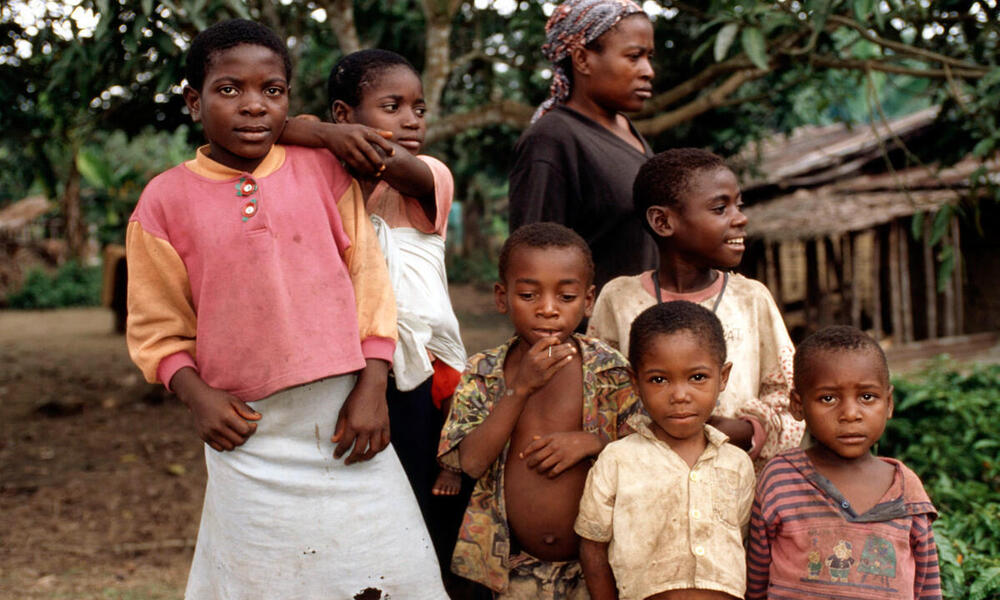
Gabon is rich in forests and oil, but many of its children grow up disconnected from the country’s progress. For those outside the capital, in informal settlements, or living with disabilities, opportunity is often out of reach. These are the three most urgent issues children face:
Inequality in Education Access and Retention
While Gabon boasts high urban literacy rates, many rural schools are under-resourced, and dropout rates remain high. Girls, disabled children, and children in remote villages often fall through the cracks.
Many children without family support end up in state-run institutions with poor oversight. Reports of physical abuse, emotional neglect, and lack of schooling are common — with few avenues for justice or reform.
Silence Around Abuse, Disability, and Mental Health
Cultural taboos prevent open dialogue about abuse, trauma, and neurodiversity. Children with disabilities often remain invisible — excluded from school and public life, without support or understanding.
Sports, Mentorship, and Safe Spaces for Boys Without Support
On courts and in small meeting rooms, mentors turn competition into connection; boys learn teamwork, respect, and care. Practice opens with check ins; feelings are named; conflicts are addressed with calm words and clear boundaries. Homework clubs meet after drills; volunteers help with reading and math; small wins stack into confidence. When a child faces danger at home, staff coordinate protection and services; safety is never left to chance. The ripple travels; boys model kindness for younger players; the game becomes a classroom and the classroom becomes a safer home.
Protecting Vulnerable Children With Care and Legal Support
Some children are invisible on paper and at risk in life; the foundation responds with documentation, care, and counsel. Caseworkers secure birth papers; lawyers guide families through complex systems; social workers link children to school and health services. Shelters provide immediate safety; follow up ensures stability; caregivers receive training and support. With identity recognized and rights affirmed, barriers fall; school enrollment becomes simple; protection plans hold. The work is precise and patient; it makes dignity something a child can carry into every room.
Key Event #1: Healing Through Play – Port-Gentil
Basketball, Teamwork, and Hope for Street-Involved Boys
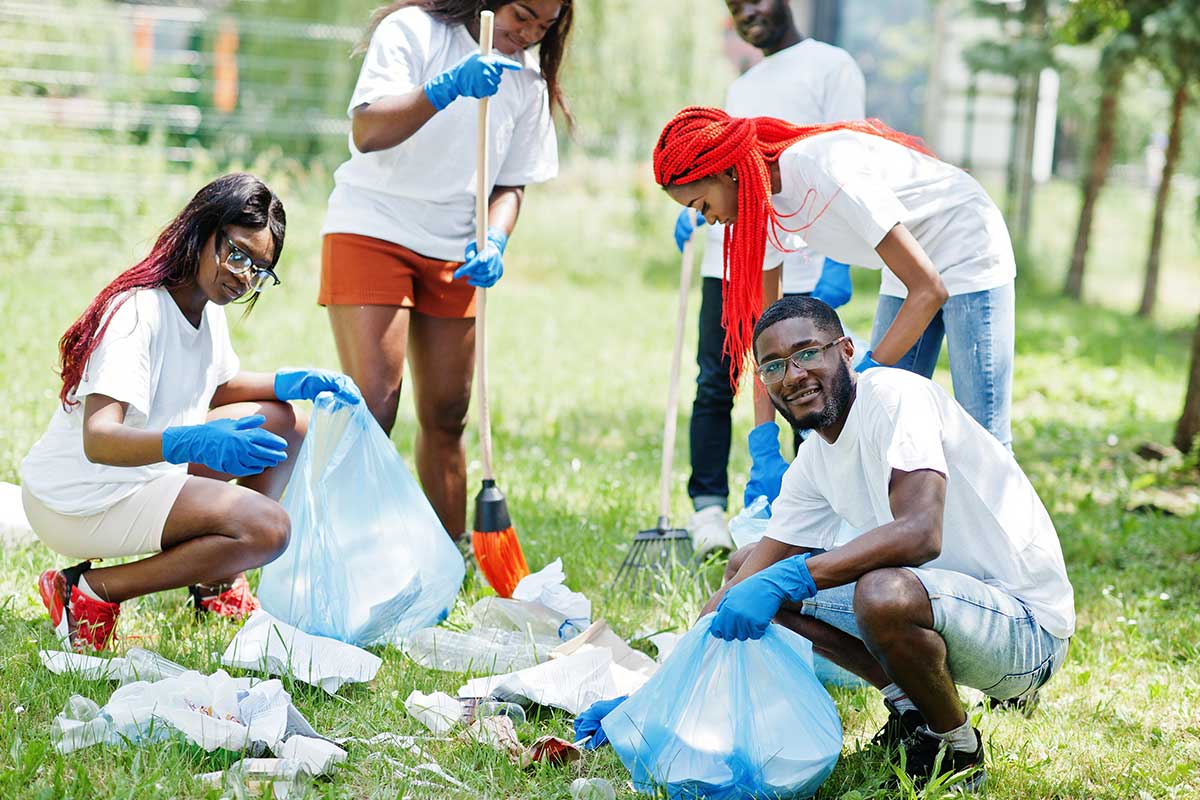
A local tournament invited boys living on the margins to join teams; coaches paired practice with meals and mentoring. Players learned to pass, to listen, to lead; they also learned to show up for school and for one another. Community members filled the stands; small businesses provided water and snacks; pride grew with every game. By the final whistle, attendance at nearby schools had risen; boys who once avoided adults now sought guidance. The court stayed open; the lessons did too.
Tables were set up near markets and churches; families arrived with questions and hope; teams helped complete the forms. Hospitals and registrars coordinated outreach; fees were covered for those who needed help; appointments were scheduled and kept. Children received their papers; enrollment in school and access to care became possible; risk of exploitation decreased. With each certificate, a door opened; a child moved from unseen to protected; a future gained shape and name.
Top Grassroot Nonprofits Across Gabon
Meet the five grassroot organizations seeking to make extraordinary strides in improving the lives of Burundi’s children — one community at a time.
To get started, click on the image to visit the donation page, or click on the nonprofit’s name to access their homepage.
After donating on a partner site, click the purple globe icon to register your contribution in our data tables.
Remember, your support, whether it’s visiting their homepage, donating, or following their social media, will be crucial towards helping these nonprofits grow and amplify their efforts.