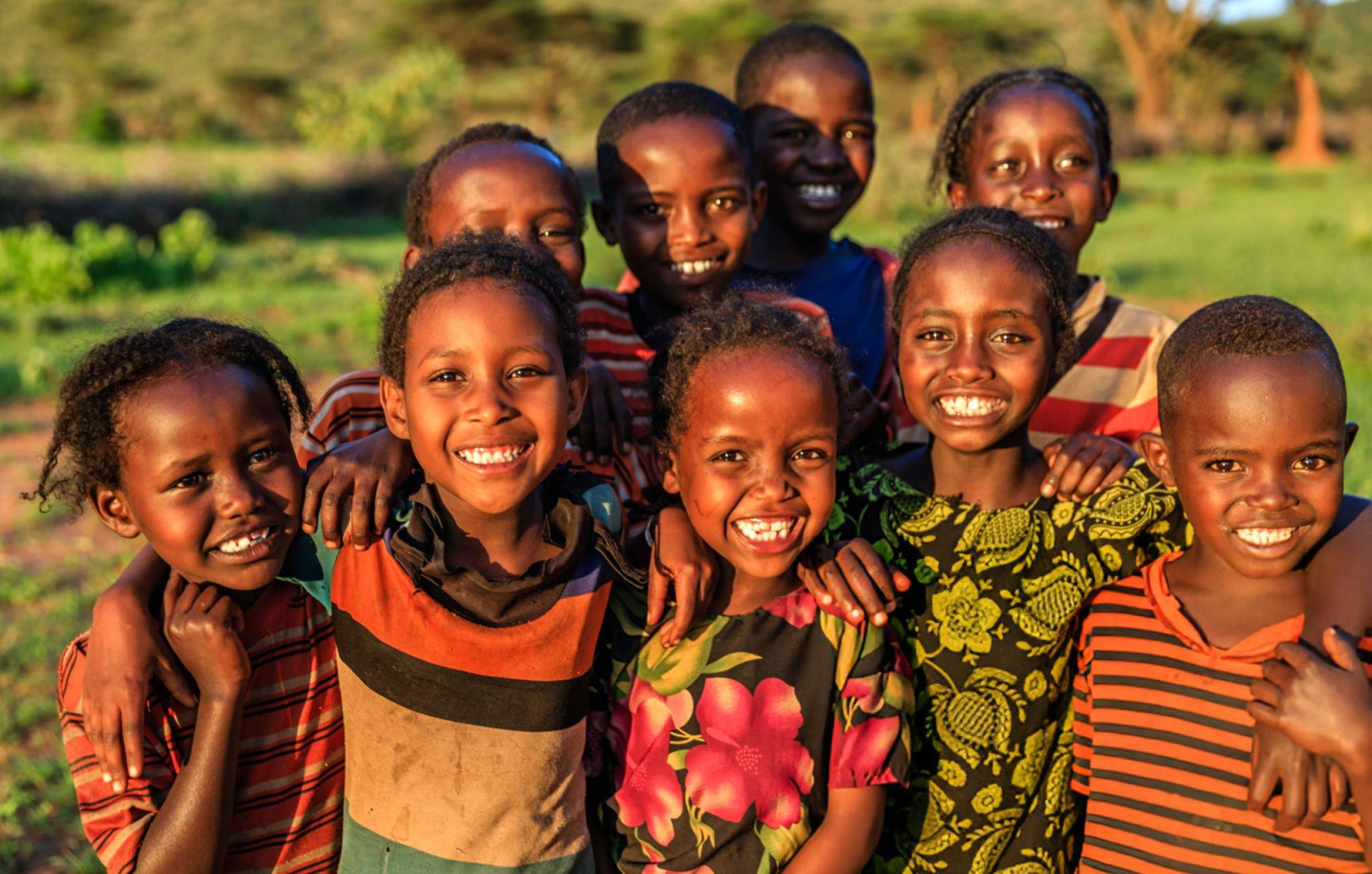
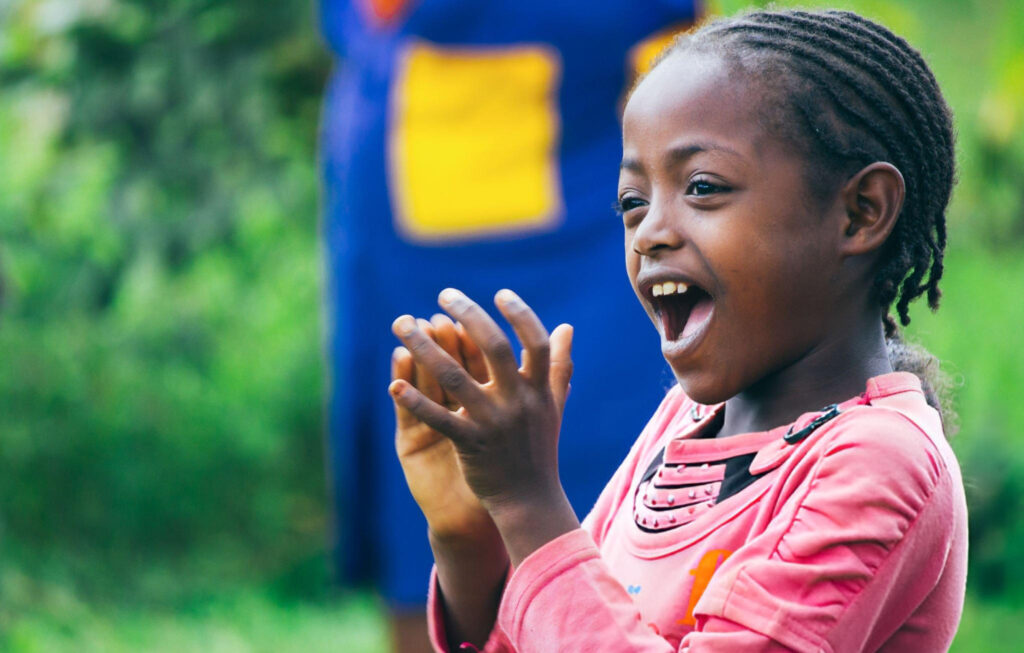
Ethiopia is more than history and highlands, it is children carrying hunger, conflict, and displacement while still choosing school. From Tigray and Amhara to Afar and Oromia, their voices rise with courage, and we are here to stand beside them.
Armed conflict in regions like Tigray, Amhara, Oromia, and Afar has displaced over 4 million people, with children making up the majority. Many have lost parents, homes, or access to school — and live with trauma that is rarely addressed.
Drought, inflation, and violence have created widespread hunger. Millions of children are malnourished, especially in pastoralist and rural regions, where food and medical support are difficult to access.
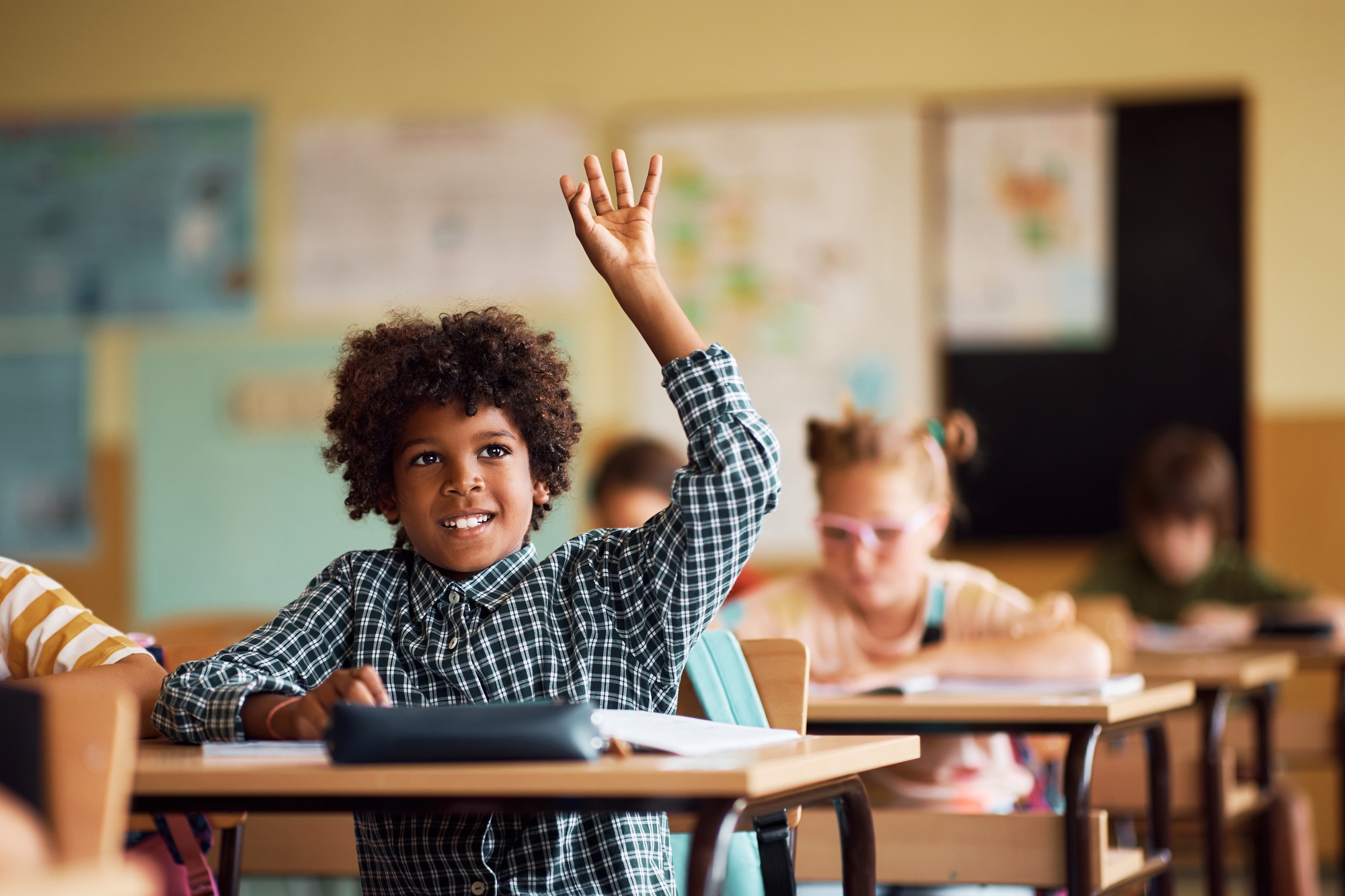
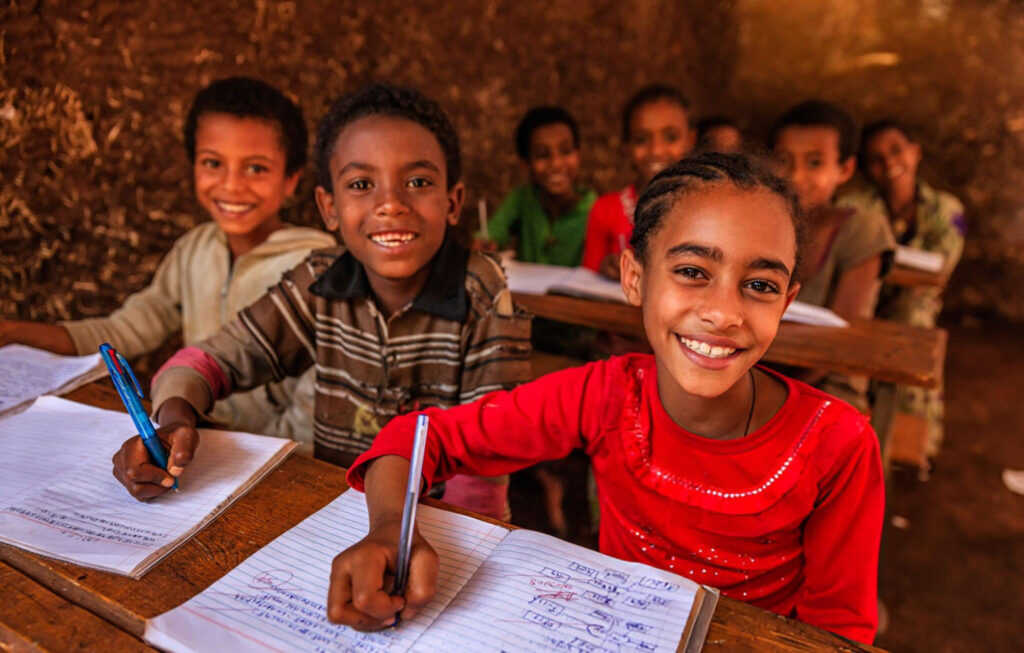
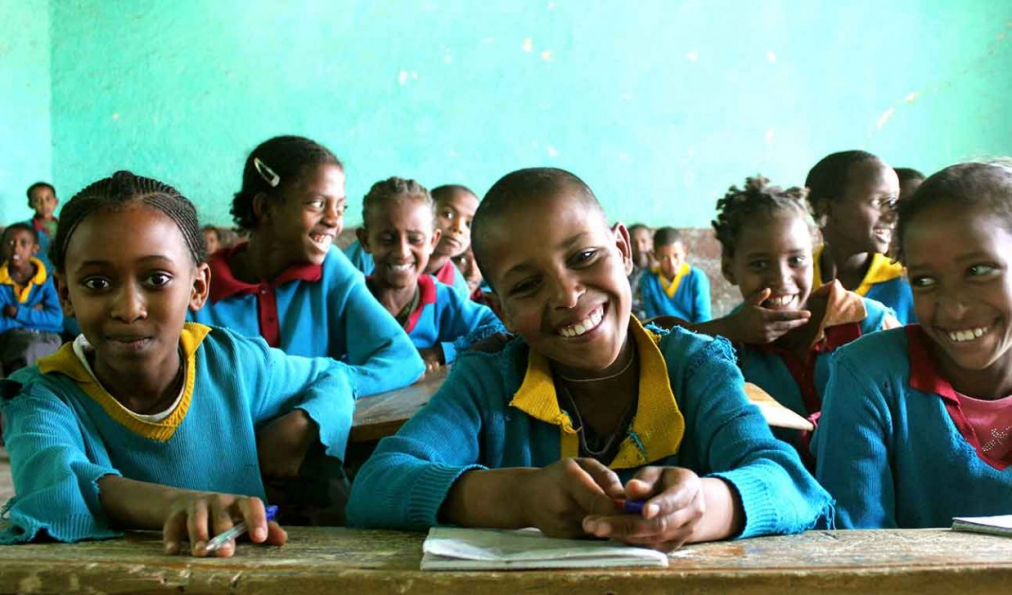
While school enrollment has improved nationally, many children — especially girls, disabled students, and those in conflict zones — lack access to safe, inclusive, and functional schools.
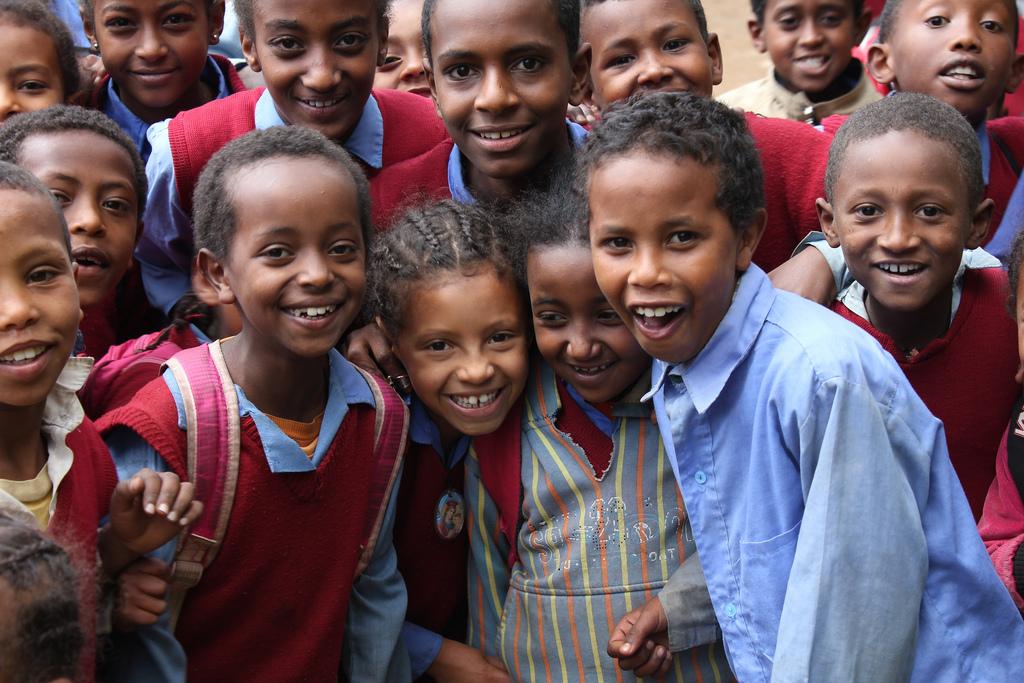
In communities where classrooms were emptied by war, teams rebuild walls, place desks, and train teachers who know how to welcome children back with patience. Accelerated lessons help students recover lost years; parent groups learn why steady attendance protects more than grades. Supplies reach the most remote schools; sanitation improves; girls receive the support that keeps them in class through hard seasons. Everything is done with communities, not for them; ownership grows as buildings rise. A child sits again at a desk and feels the ground under their future grow firm; a teacher hears confident reading where silence used to be. The work is infrastructure and heart combined, and it turns education from a memory into a daily reality.
In Addis Ababa and surrounding districts, social workers and mentors form circles of care around children living with loss, poverty, or displacement. Health checkups catch problems before they grow; life skills sessions teach planning, communication, and responsibility; foster networks and family support keep children rooted. Youth find tutors who believe in them; parents find partners who strengthen homes; neighborhoods see what happens when care is organized and close. The approach is comprehensive and kind; it measures success in stability as much as in scores. A teenager who felt alone discovers community; a younger child practices joy again. This is what protection looks like when it is local, steady, and focused on the whole child.
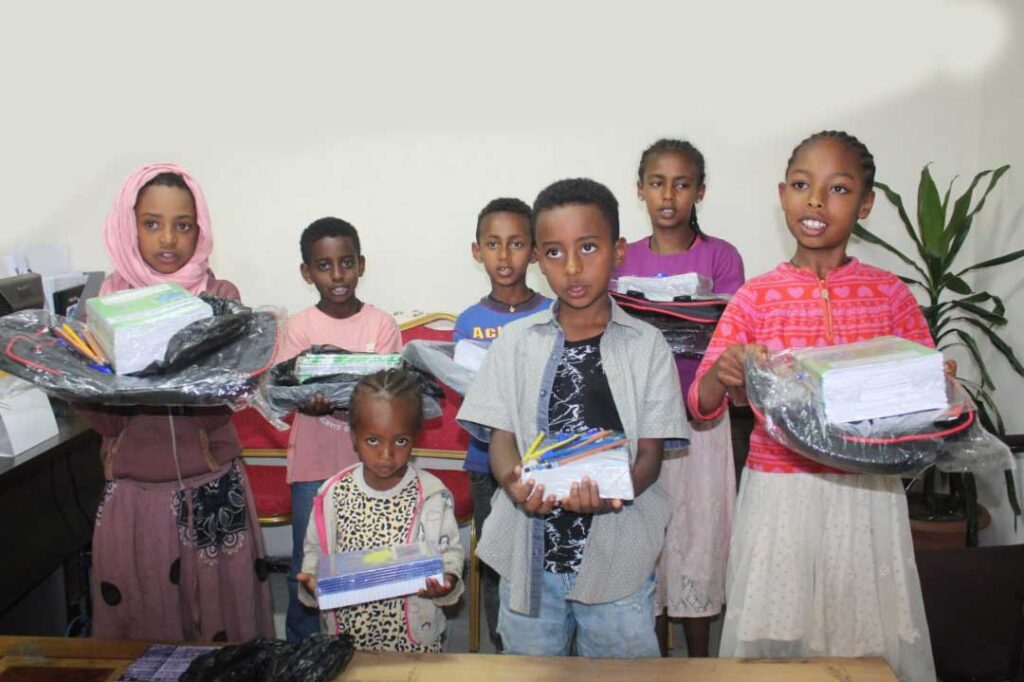
Volunteers traveled by foot and camel to reach settlements where school had stopped; shaded tents turned into classrooms; notebooks opened to pages that felt like a new beginning. Solar lights let homework continue after dusk; backpacks kept materials safe; simple schedules restored the rhythm that helps children heal. Local educators led, adapting lessons to different levels and languages; parents watched, then helped, then insisted the classes continue. The kits were small, the effect large; routine returned, and with it the belief that tomorrow can be shaped. Movement did not mean missing school anymore; learning learned to travel.
For three days, children painted what they remembered and what they hoped for; they wrote, they spoke, they listened to one another with care. Counselors stayed close to guide reflection; facilitators taught grounding skills that could live in pockets and be used in classrooms and kitchens. Parents arrived for the closing circle and saw courage on paper and stage; families left with practices they could keep. The workshop made space for emotions that had been pushed away, and in that space attention and learning returned. Art became a bridge; voice became a tool; healing became a shared project.
Builds schools, trains teachers, and increases student enrollment in rural Ethiopia.
Supports orphaned and vulnerable children with education, healthcare, and family-based care.
Provides school sponsorships, small business support, and rural education development.
Delivers emergency aid and long-term development in health, food security, and education.