All Revenue From Ads Go to Advertising and Support for Nonprofits
Burundi: Supporting Children in a Cycle of Resilience and Recovery
Explore Burundi:
From terraced hills to the heart of Bujumbura, children carry both the memory of conflict and the courage to begin again. We back the neighbors turning that courage into meals, mentoring, and classrooms that feel like home.
The Situation for Children in Burundi
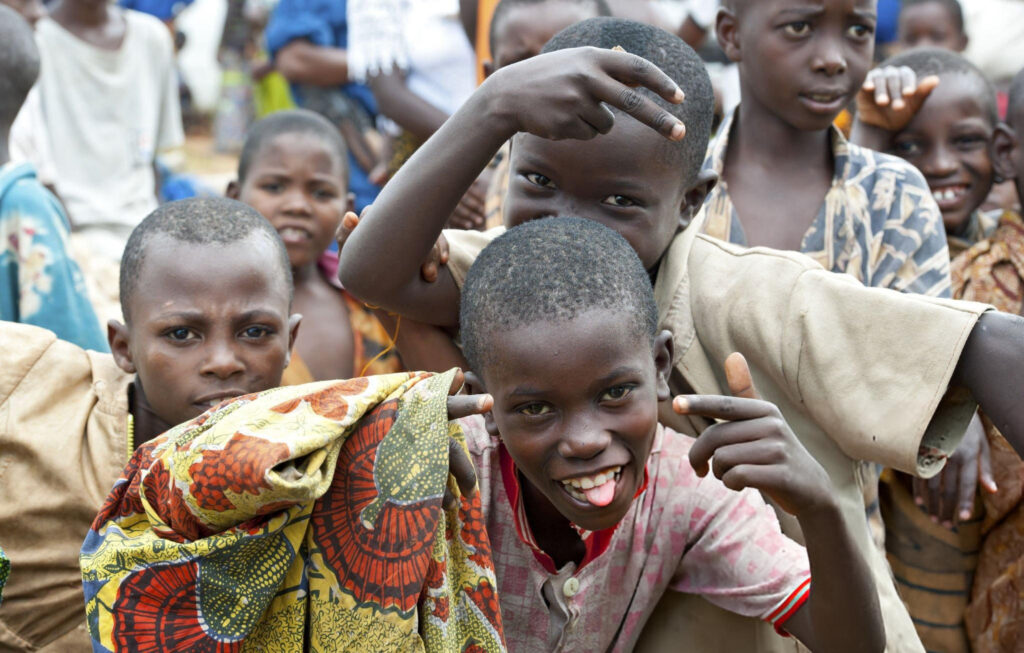
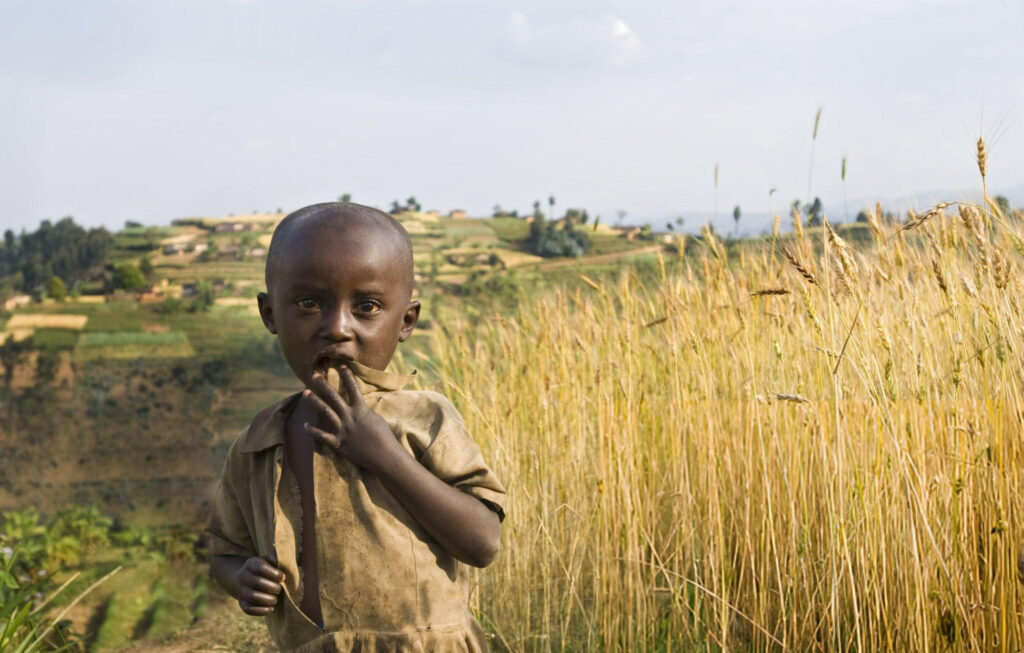
Burundi is a small country with a long history of political instability, poverty, and conflict. While peace has returned, many children continue to carry the weight of past violence and ongoing hardship. These are the three most pressing challenges facing children today:
Chronic Poverty and Food Insecurity
Over 65% of Burundians live in poverty, and many children suffer from hunger and malnutrition. Daily meals are uncertain, and many families depend on subsistence farming that’s vulnerable to drought and crop failure.
Psychosocial Trauma from Past and Present Conflict
Generations of children have grown up amid displacement, civil unrest, or the legacy of violence. Emotional trauma is common, yet mental health support remains nearly nonexistent in schools and communities.
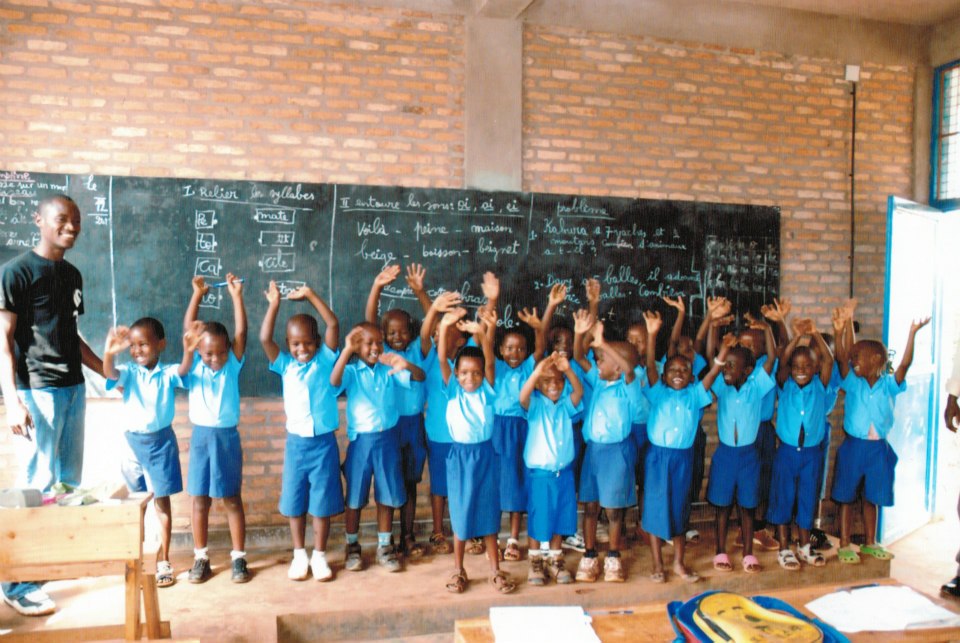
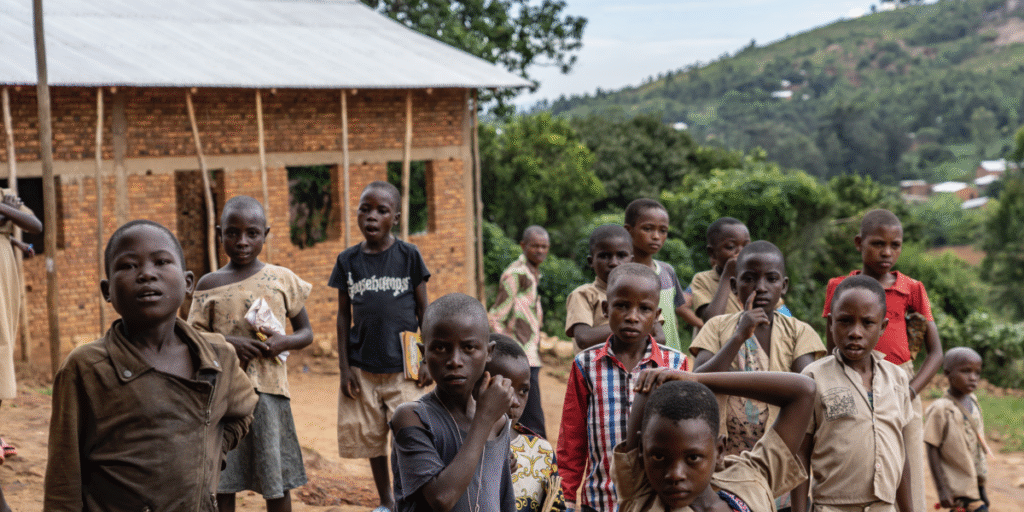
While enrollment in primary school is high, schools are often overcrowded, underfunded, and lack trained teachers. Rural children — especially girls — face long walks to school and pressure to drop out early.
Despite these challenges, Burundi’s children remain full of hope, dreaming of education, health, and opportunities for a better tomorrow.
Key Contributor #1: FVS-AMADE Burundi
Fighting Hunger and Supporting Orphans Through Community Care
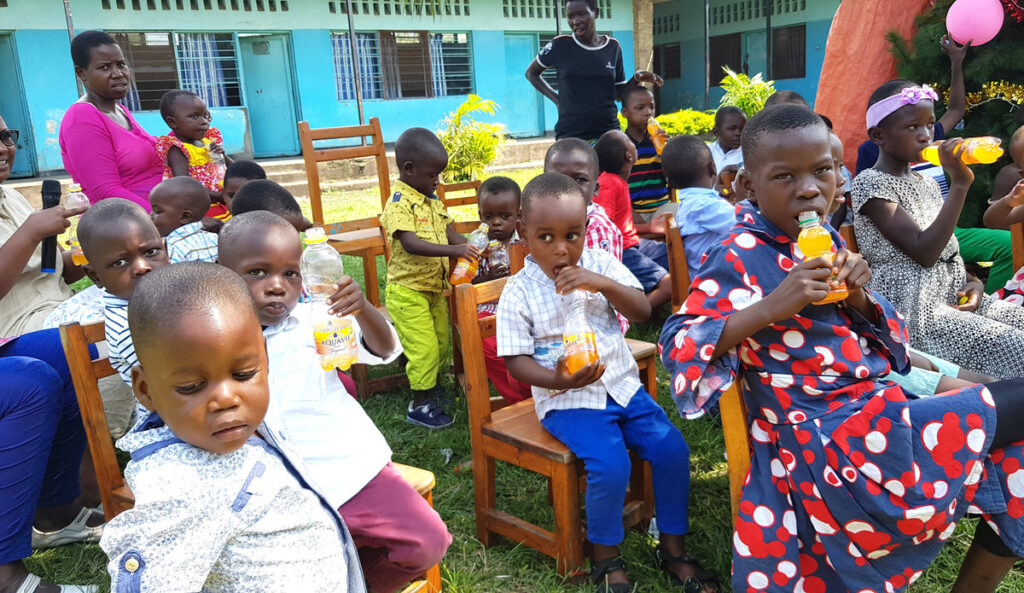
Across rural hills, community kitchens and care centers make sure children aren’t facing hunger and homework alone. Caregivers — most of them local women — serve warm meals, check on health, and keep an eye on school progress with the tenderness of aunties and the rigor of nurses. Kids learn farming basics and hygiene that protect them long after they leave the table. The promise is simple: you will be seen, fed, and guided. For children who’ve lost a parent, that steadiness is everything — a reason to show up, a reason to believe tomorrow can be kinder than yesterday.
Key Contributor #2: Maison Shalom
Helping Children Heal Through Art, Education, and Dignity
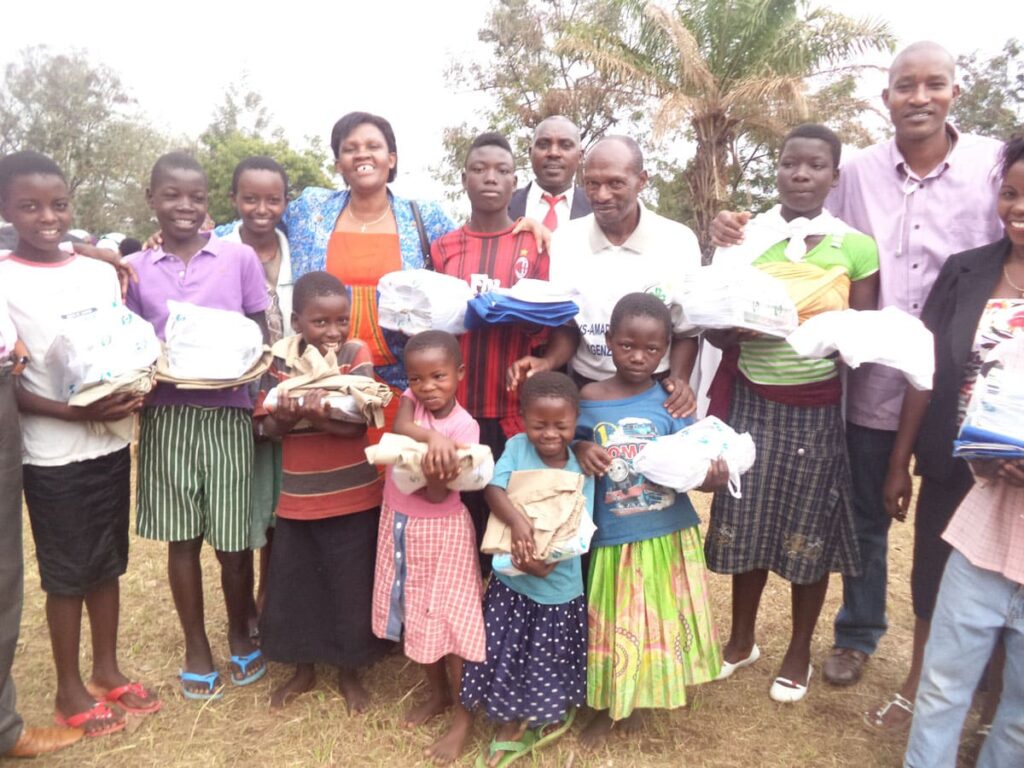
Born from hardship, Maison Shalom gives children the tools to turn pain into possibility. Story circles and art classes help them name what happened and imagine what’s next. School support — supplies, uniforms, meals — keeps attendance strong while mentors model safety and respect. Healing here isn’t quiet; it’s creative, communal, and proud. Each drawing pinned to a wall, each poem read aloud, is a declaration that a child’s future is bigger than their past.
Key Event #1: Hillside Meal Drive – Gitega Province
Fighting Hunger With Community Kitchens
Villages organized themselves into a rhythm of firewood, shared pots, and early morning prep so kids could eat before lessons. Farmers donated beans and maize; volunteers stirred porridge as the sun rose. Attendance climbed because hunger stopped stealing attention, and classrooms felt brighter — not just from full bellies, but from the dignity of being cared for. The drive proved what communities already know: even in scarcity, generosity multiplies.
Key Event #2: Children’s Story Circle – Bujumbura
Helping Youth Heal With Words and Art
Every Saturday, a quiet room opens and kids gather to listen, draw, write, and share. Some talk about missing parents; others sketch houses they hope to live in one day. Facilitators don’t rush the silence; they wait until courage arrives. Week by week, stories grow louder and smiles return. The circle is small, but its impact travels — into homes, into classrooms, into a child’s sense that they are not alone.
Top Grassroot Nonprofits Across Burundi
Meet the five grassroot organizations seeking to make extraordinary strides in improving the lives of Burundi’s children — one community at a time.
To get started, click on the image to visit the donation page, or click on the nonprofit’s name to access their homepage.
After donating on a partner site, click the purple globe icon to register your contribution in our data tables.
Remember, your support, whether it’s visiting their homepage, donating, or following their social media, will be crucial towards helping these nonprofits grow and amplify their efforts.