All Revenue From Ads Go to Advertising and Support for Nonprofits
Cameroon: Standing With Children Amid Crisis and Complexity
Explore Cameroon:
Cameroon is more than conflict lines and crowded markets, it is children holding tight to school, safety, and self worth. From Bamenda to Buea, their voices carry through grief and courage, and we are here to lift them and invite America to stand with them.
The Situation for Children in Cameroon
Cameroon is a country of breathtaking landscapes and rich culture, but for many of its children, life is shaped by fear and instability. The nation faces both a humanitarian crisis and systemic inequalities that are quietly robbing children of safety and opportunity. These are the three most pressing challenges:
Armed Conflict and Internal Displacement
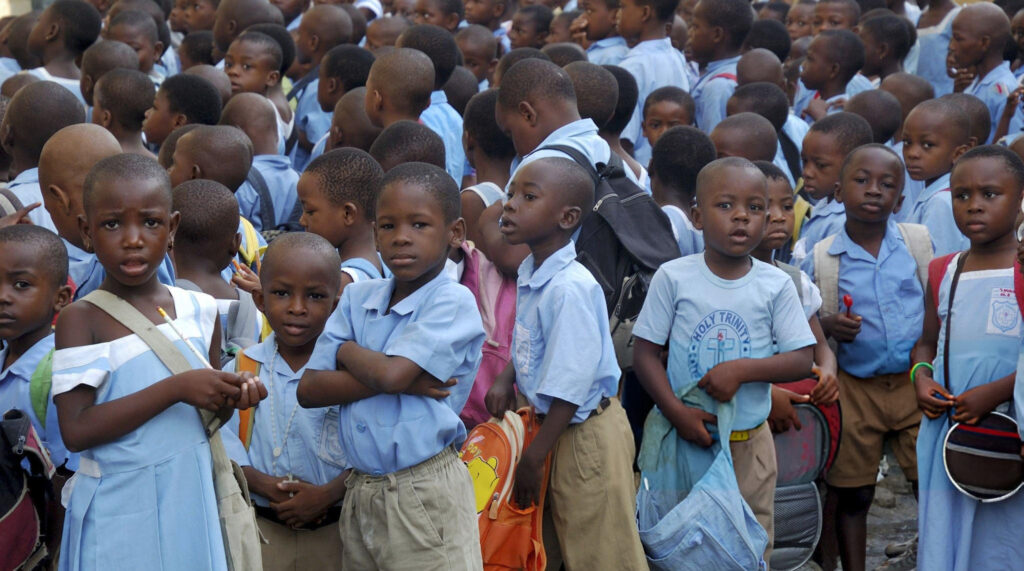
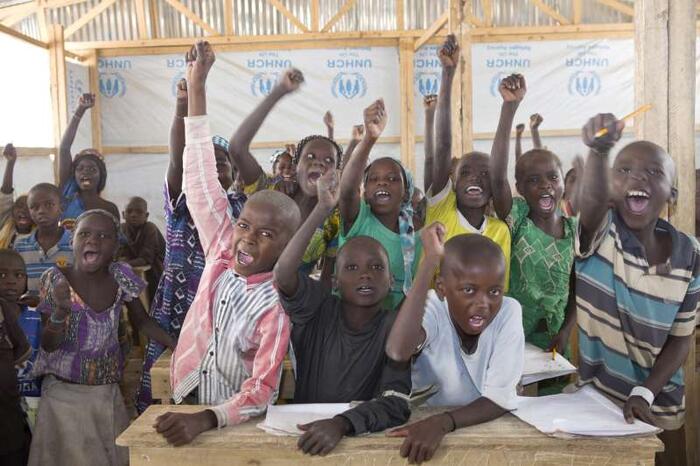
Ongoing conflict in the Northwest and Southwest regions has displaced over one million people, including hundreds of thousands of children. Many are living in temporary shelters, far from their schools, friends, and extended families.
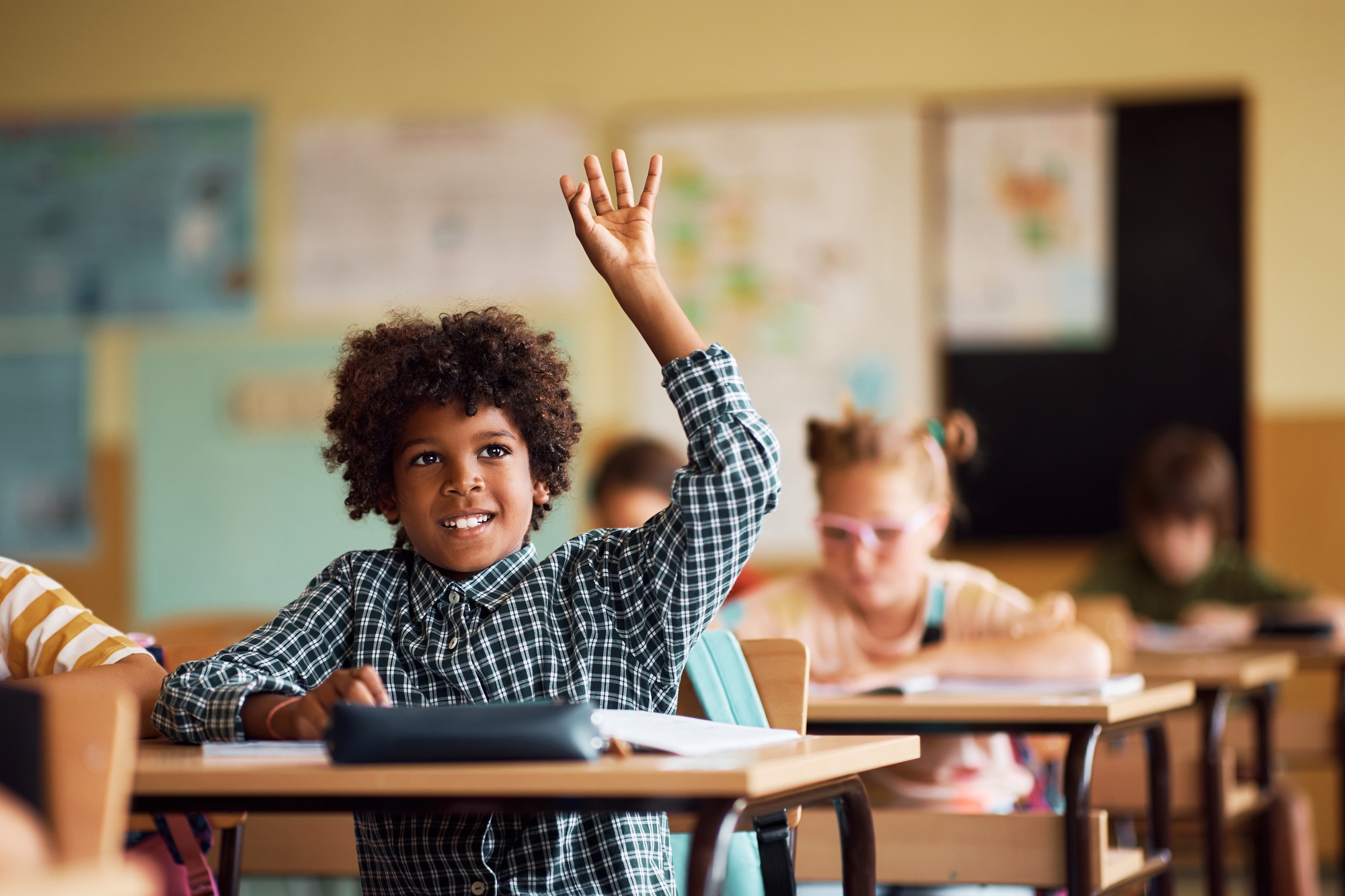
In conflict zones, schools have been burned or abandoned, and teachers threatened. Entire generations of children are growing up without access to safe, continuous education — especially in the Anglophone regions.
Lack of Mental Health Support for War-Affected Youth
Children who have witnessed violence or experienced displacement often carry silent trauma. Yet across most of Cameroon, there are no structured mental health systems in place for young people in crisis.
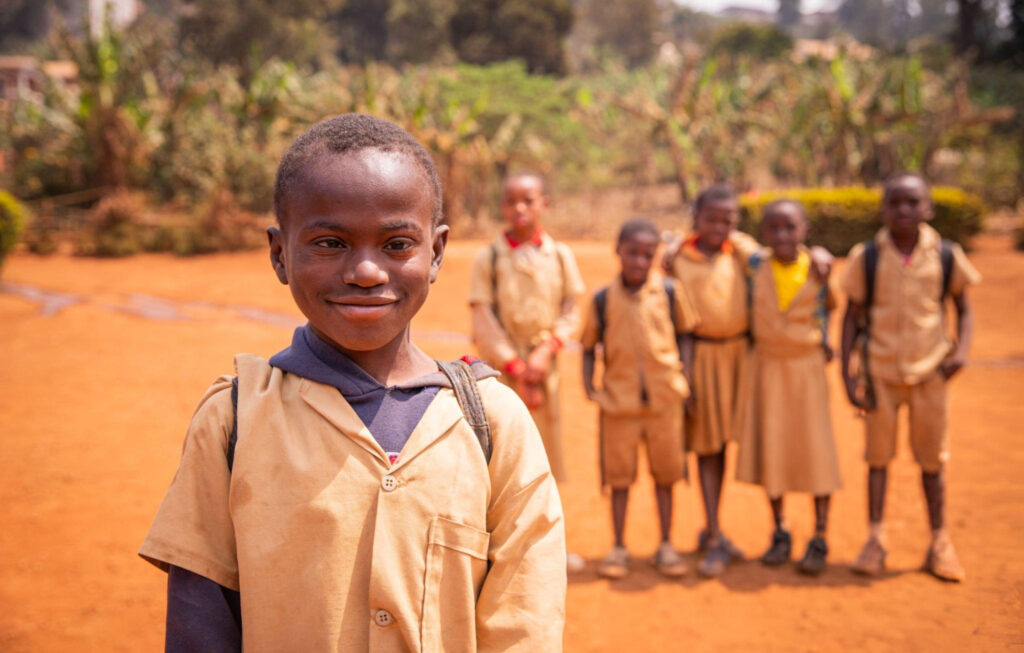
Despite these challenges, Cameroon’s children remain full of hope, dreaming of education, health, and opportunities for a better tomorrow.
Key Contributor #1: Reach Out Cameroon
Providing Education and Protection for Displaced Children
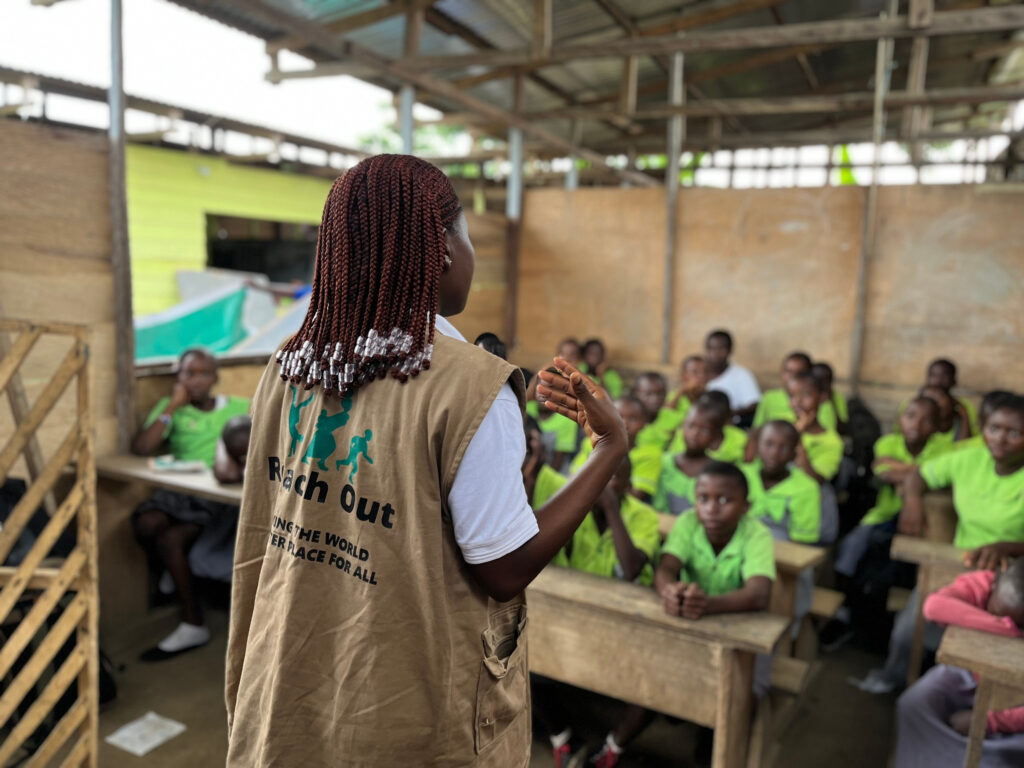
In the Southwest, families arrive with little more than names and memories; Reach Out Cameroon meets them with calm structure, trained teachers, and care that restores dignity. Temporary classrooms become anchors: children receive books and uniforms, they relearn routine, they hear encouragement spoken softly and often. Counselors sit with those who carry fear, then guide families through referrals, legal advocacy, and safer housing options. Health workers bring vaccines and simple medicines; social workers keep traffickers away by staying present and known. The team negotiates with local leaders, listens to parents, and makes space for grief without letting it define a child’s future. Bit by bit, attendance rises; children begin to smile in lessons; communities regain a sense that protection is possible. In places bent by violence, this steadiness becomes a lifeline.
Key Contributor #2: Better World Cameroon
Healing War-Affected Youth Through Eco-Therapy and Community Support
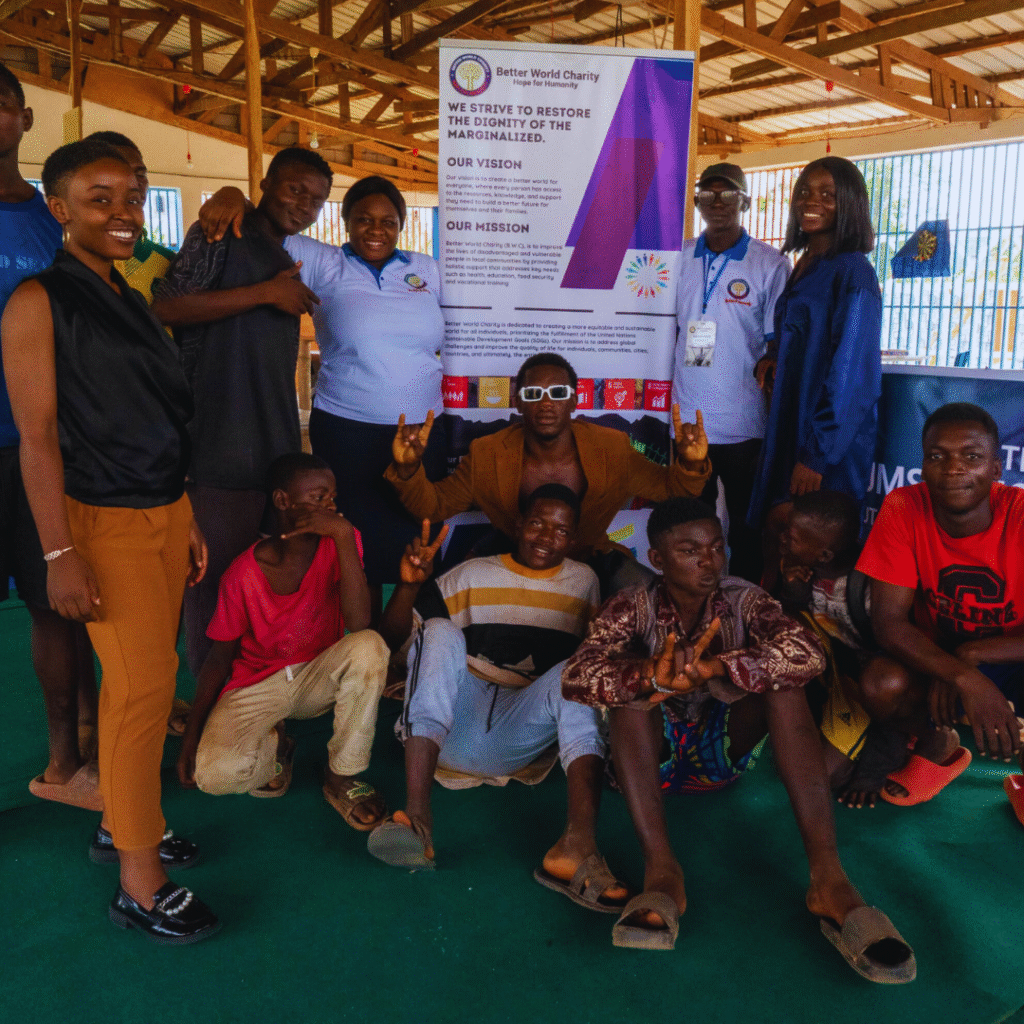
Better World Cameroon invites youth affected by war into gardens, art rooms, and open spaces where healing can finally begin. Hands in soil quiet the mind; mentors talk while planting; stories surface without pressure as seedlings take root. In eco village programs, teenagers grow food, practice cooperation, and discover purpose that does not depend on fear or flight. Creative workshops turn memory into music and paint; conflict resolution is practiced in circles that value patience. Counselors remain nearby, guiding young people toward school reentry or apprenticeships, always matching pace to the person. Families are drawn in, learning how to listen, how to set gentle structure, how to celebrate progress that once felt impossible. Over time, identity returns; confidence rises; a new picture of adulthood appears. This is what recovery can look like: steady work, quiet support, renewed hope.
Key Event #1: Peace Learning Camp – Buea Hills
Creating a Safe Space for Dialogue, Art, and Learning
In 2023, educators and local leaders opened a retreat in the hills above Buea, a place where children could breathe, create, and speak without fear. Days began with games that taught cooperation; afternoons filled with poetry, mural painting, and conversations about what peace might feel like at home. Counselors taught simple tools for calming the body; teachers led lessons that helped children rebuild skills interrupted by conflict. Evenings were for music, gentle quiet, and shared meals that reminded everyone they belonged. For many, this was the first time they felt safe enough to name what they had seen. The camp then traveled to new sites, carrying its model of healing and learning to communities that asked for it. What started as a gathering became a promise that safety and voice can return.
Key Event #2: Mobile Learning Unit Launch – Bamenda Region
Bringing School to Children Where Schools No Longer Exist
When a classroom cannot be reached, a classroom must arrive, and in 2024 a mobile unit did exactly that across the Northwest. Teachers guided lessons beside a van, chalkboards unfolded, small mats became circles where reading and counting felt joyful again. Children ran to meet the team; parents watched, then joined, then helped set a schedule that fit the rhythm of their days. Lessons were adapted for those who had missed years; tablets and books circulated carefully so nothing was lost. The unit returned on time, week after week, so trust could deepen and progress could hold. Smiles gathered; questions multiplied; a new routine replaced waiting. The message to every settlement was clear: education will find you. Even when buildings are gone, the right to learn remains, and the community carries it forward.
Top Grassroot Nonprofits Across Cameroon
Meet the five grassroot organizations seeking to make extraordinary strides in improving the lives of Cameroons’s children — one community at a time.
To get started, click on the image to visit the donation page, or click on the nonprofit’s name to access their homepage.
After donating on a partner site, click the purple globe icon to register your contribution in our data tables.
Remember, your support, whether it’s visiting their homepage, donating, or following their social media, will be crucial towards helping these nonprofits grow and amplify their efforts.