All Revenue From Ads Go to Advertising and Support for Nonprofits
Angola: Rebuilding Childhood, One Story at a Time
Explore Angola:
From river islands to the bustle of Luanda’s markets, childhood here is a balancing act between promise and pressure. We stand with the people turning that pressure into pathways — to health, to skills, and to a future kids can hold onto.
The Situation for Children in Angola
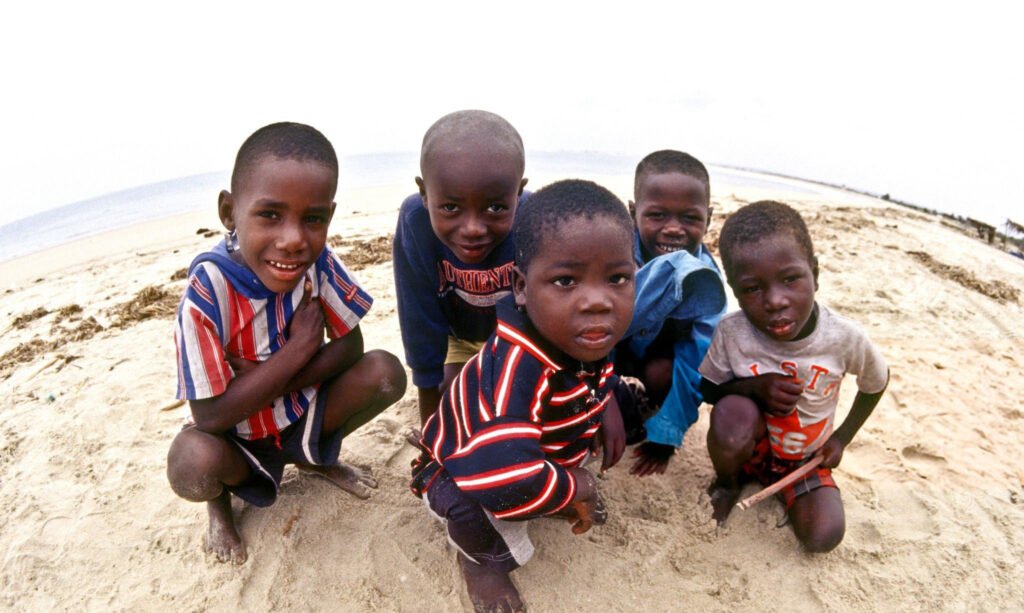
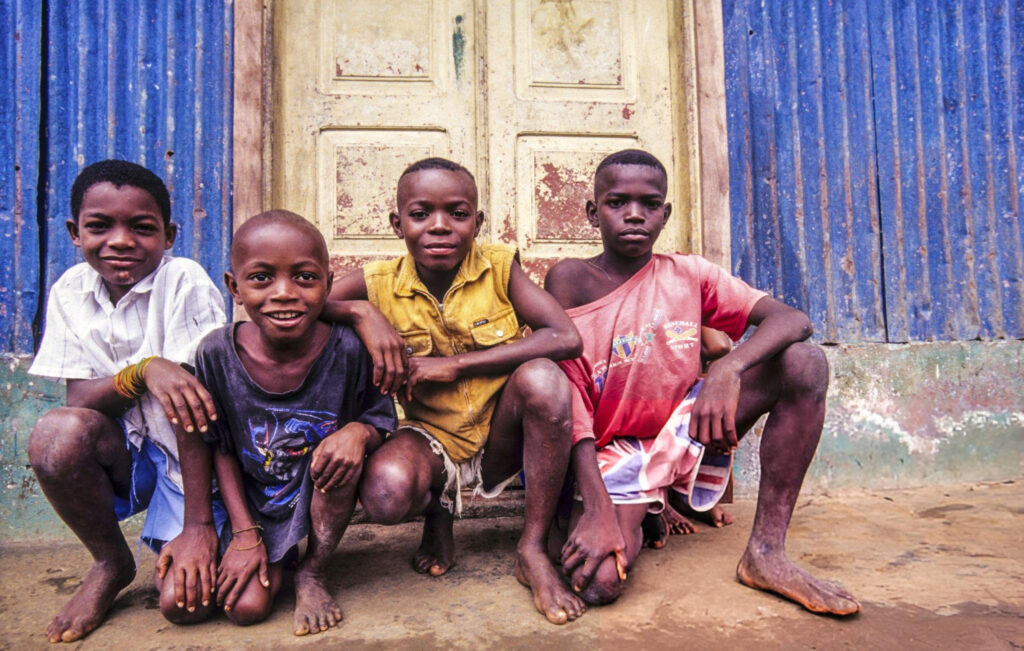
Angola is a country of incredible resilience, rich in natural resources and healing from decades of civil war. But for many children, the scars of the past still shape their everyday lives. These are the most urgent challenges they face today:
Post-Conflict Poverty and Economic Instability
Although Angola has seen economic growth through its oil industry, many families still live in deep poverty. Children often lack access to basic necessities like food, clean water, and stable income at home.
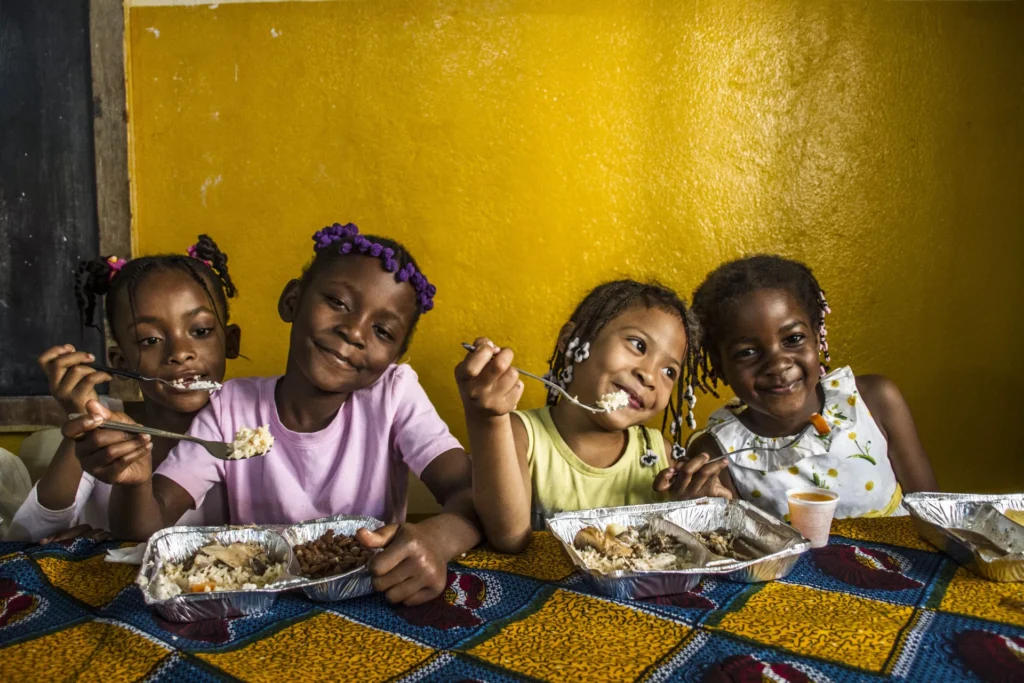
One in three children suffers from chronic malnutrition. Without consistent meals, safe drinking water, or access to healthcare, their development and futures are at risk.
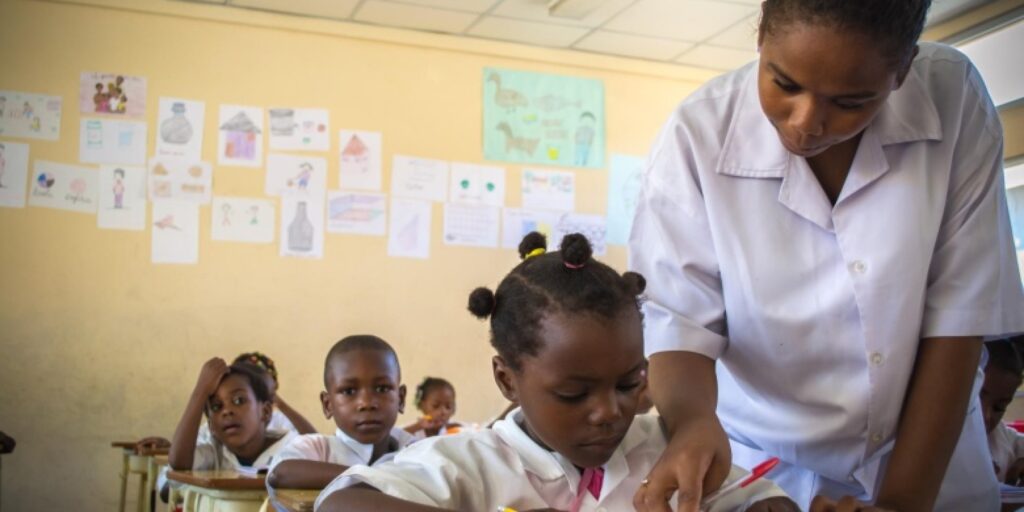
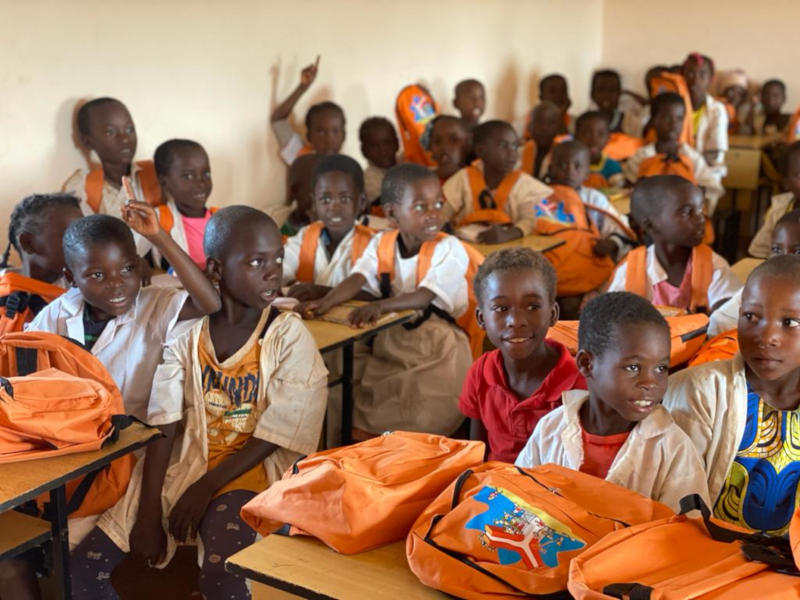
In many provinces, schools are damaged, under-resourced, or miles away from children’s homes. Girls in particular face early marriage and family responsibilities that pull them out of the classroom far too soon.
Despite these challenges, Angola’s children remain full of hope, dreaming of education, health, and opportunities for a better tomorrow.
Key Contributor #1: Nova Esperança
Community Health and Child Nutrition
Where clinics are far and food is thin, Nova Esperança meets families exactly where they are. They weigh babies on doorframes, teach mothers to spot danger signs, and run cooking circles that turn simple ingredients into sturdy meals. Children get checkups without long, costly trips; caregivers get answers they can trust. The model is humble and powerful: neighbors trained to care for neighbors, one household at a time. A child’s cough is caught early; a toddler’s appetite returns; a classroom grows a little steadier because stomachs are full. It’s health care that looks like community — consistent, practical, and anchored in love.
Key Contributor #2: Literacy Bridges Angola
From Street to Classroom
Some kids spend whole days hustling on sidewalks, selling small goods and stories nobody asks to hear. Literacy Bridges opens a door: first to a table and a safe seat, then to letters, numbers, and the rhythm of a school day. Tutors rebuild confidence one word at a time, and social workers work with families so learning doesn’t stop at the exit. The first notebook is a milestone; the first finished chapter, a celebration. Soon those sidewalks are a way home, not a workplace. And the city that once hurried past begins to notice — a backpack, a smile, a child who knows where they’re going.
Key Event #1: National Youth Skills Expo
Opening Doors to Jobs & Vocations
Workshops spilled out of tents and into the street as teens tried welding masks, coding demos, and hospitality drills side by side. Recruiters didn’t just hand out flyers; they mapped training to real openings and told students exactly how to get there. For youth who’ve only known closed doors, seeing a path sketched in plain language changed everything. The expo felt like a promise kept: that talent exists in every bairro, and opportunity should, too. By sundown, pockets held phone numbers and next steps, and a quiet, collective thought was taking root — “I can do this.”
Key Event #2: Luanda Child Health Days
Vaccines & Checkups for All
City blocks turned into care corridors — vaccination points, quick exams, and nutrition checks lined up like a festival of protection. Parents arrived wary and left relieved, holding cards that finally made sense and dates they wouldn’t forget. Nurses explained side effects in everyday words; volunteers helped calm tears with songs and stickers. No child needed a referral letter or a paid ride; the services came to their corner and spoke their language. By night, thousands had been seen — and the city felt a little safer, not because fear disappeared, but because care showed up.
Top Grassroot Nonprofits Across Angola
Meet the five grassroot organizations seeking to make extraordinary strides in improving the lives of Angola’s children — one community at a time.
To get started, click on the image to visit the donation page, or click on the nonprofit’s name to access their homepage.
After donating on a partner site, click the purple globe icon to register your contribution in our data tables.
Remember, your support, whether it’s visiting their homepage, donating, or following their social media, will be crucial towards helping these nonprofits grow and amplify their efforts.