All Revenue From Ads Go to Advertising and Support for Nonprofits
Benin: Supporting Children at the Crossroads of Tradition and Change
Explore Benin:
From fishing villages on Lake Nokoué to the alleys of Porto-Novo, childhood is shaped by craft, courage, and community. We amplify the local work that keeps girls in school, protects kids from harm, and opens the door to opportunity.
The Situation for Children in Benin
Benin is a nation of vibrant tradition, growing democracy, and a youthful population full of potential. But for many children — especially those in rural areas — daily life is shaped by hardship, not opportunity. These are the three most urgent challenges facing Benin’s children:
Widespread Child Labor
Many children in Benin are pushed into labor at a young age, especially in farming, domestic work, and informal trade. Economic need and cultural norms often force them out of school and into work to help support their families.
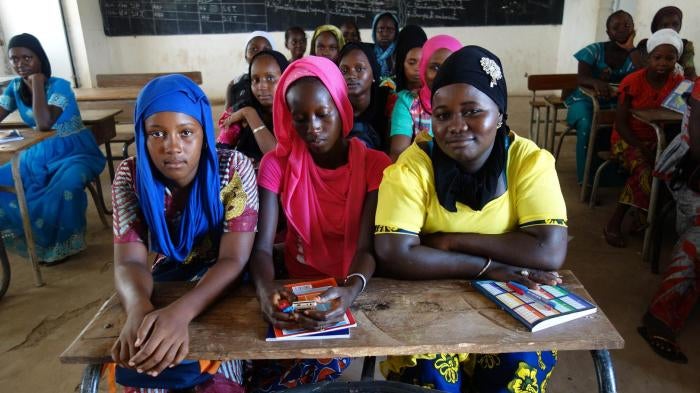
Girls in Benin are significantly less likely than boys to complete secondary education. Early marriage, household responsibilities, and gender bias all contribute to higher dropout rates among girls, particularly in rural areas.
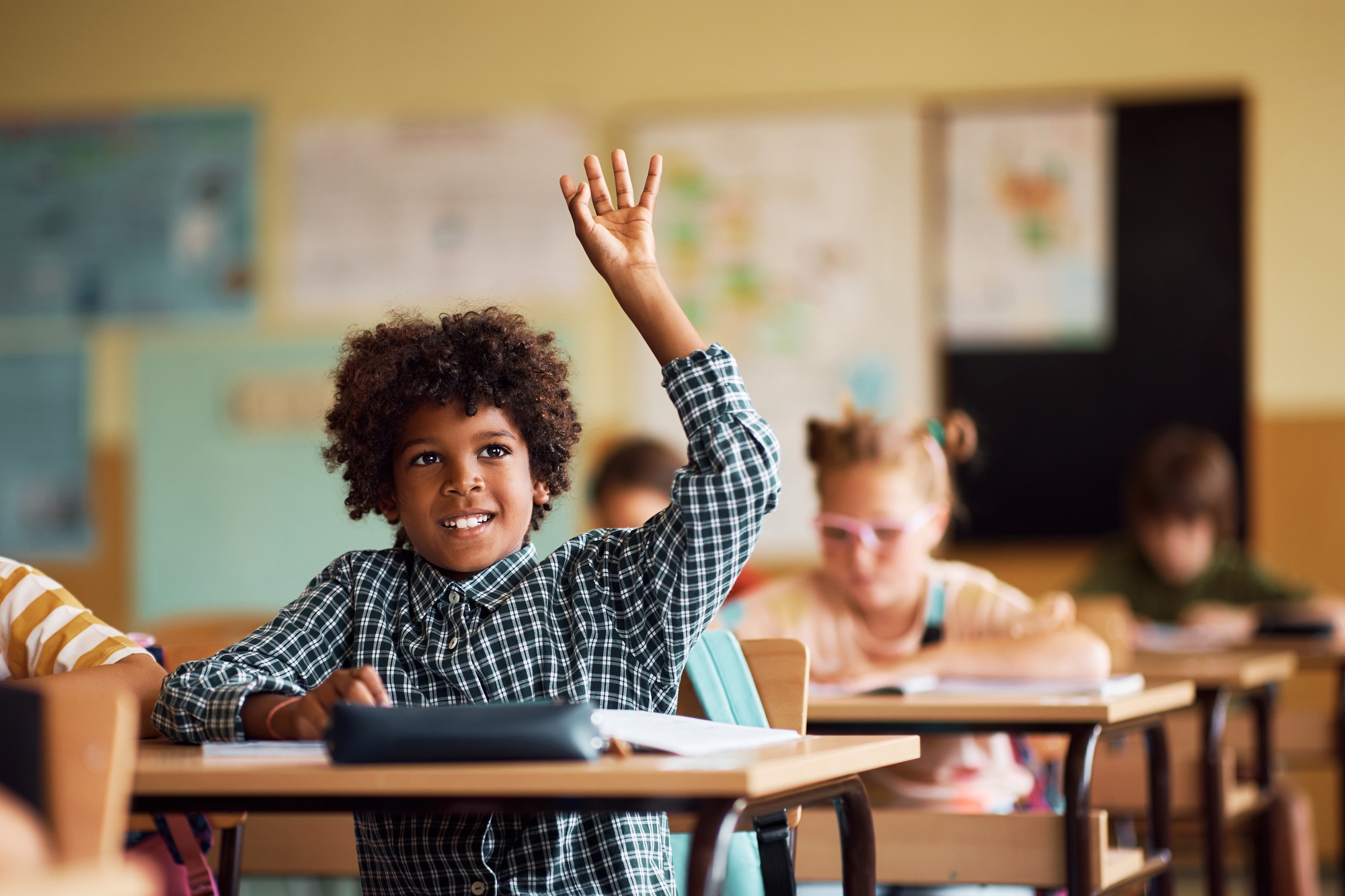
Lack of Access to Quality Education in Remote Communities
While primary school is technically free, many children live far from the nearest school or attend classrooms with no desks, books, or trained teachers. The gap between urban and rural education access continues to widen.
Despite these challenges, Benin’s children remain full of hope, dreaming of education, health, and opportunities for a better tomorrow.
Key Contributor #1: Fondation Vallet Benin
Bridging the Education Divide
Scholarships here are more than paperwork — they are lifelines that turn a student’s grit into a graduation. Fondation Vallet pairs bright minds with books, tutors, and the calm of knowing school fees won’t end the story. Libraries become second homes; study groups become new families; and excellence stops being the exception in low-income neighborhoods. When the money barrier drops, talent rises fast. Kids who once juggled work and class now focus on learning, and their success echoes into younger siblings and friends. This is how a bridge is built: one student across, then another, until both sides feel like the same city.
Key Contributor #2: Terre des Hommes Bénin
Protecting Children from Exploitation
On roads where children are too often invisible, Terre des Hommes stands watch. They train border agents and market leaders to spot trafficking, support families before desperation forces dangerous choices, and help survivors reclaim safety and schooling. Protection isn’t just rescue; it’s prevention — birth certificates, hotlines that work, and caseworkers who stay. A child learns that “no” is a full sentence, and a community learns to say it together. Slowly, the routes that once led to harm turn into pathways back to class, back to play, back to being a kid.
Key Event #1: National Girls’ Education Day – Porto-Novo
A Promise to Keep Girls in School
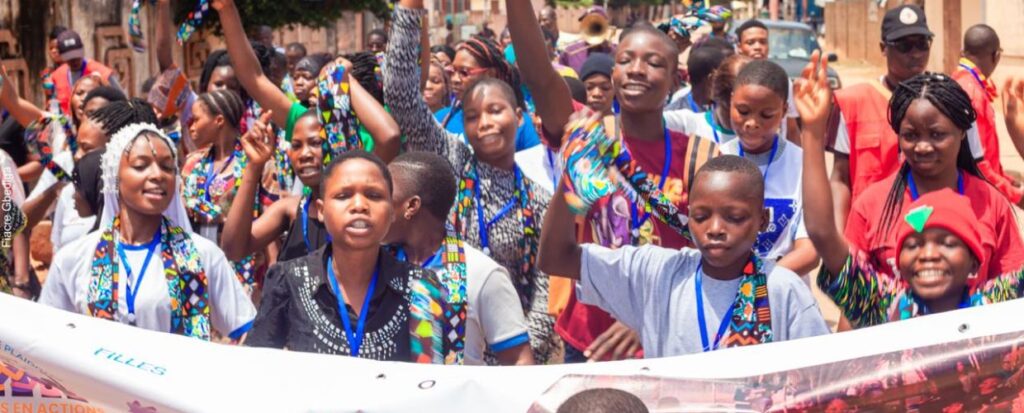
Streets filled with uniforms and handmade signs as students, teachers, and parents marched for a simple truth: when girls learn, everyone rises. Headteachers announced scholarship pledges; moms and dads took turns speaking about the cost of dropout — in dreams, in incomes, in futures. Workshops on menstrual health and safety were practical, frank, and run by women who’d walked the same road. The day ended with a pledge wall covered in names and fingerprints. It wasn’t just a celebration; it was a contract with the country’s daughters to keep classrooms open and expectations high.
Narrow tracks led to pop-up clinics where nurses measured tiny wrists and taught families the signs that can’t be ignored. Generators hummed, coolers clicked open, and vaccines reached villages that maps barely mark. Parents asked questions they’d held for years and left with answers, follow-up dates, and the confidence to trust their instincts. The work is logistical and loving — a choreography of cool boxes, clipboards, and patience. By week’s end, the mountains felt closer to the capital, not in distance, but in dignity.
Top Grassroot Nonprofits Across Benin
Meet the five grassroot organizations seeking to make extraordinary strides in improving the lives of Benin’s children — one community at a time.
To get started, click on the image to visit the donation page, or click on the nonprofit’s name to access their homepage.
After donating on a partner site, click the purple globe icon to register your contribution in our data tables.
Remember, your support, whether it’s visiting their homepage, donating, or following their social media, will be crucial towards helping these nonprofits grow and amplify their efforts.