All Revenue From Ads Go to Advertising and Support for Nonprofits
Botswana: Standing With Children in the Gaps Between Growth and Reality
Explore Botswana:
From cattle posts and salt pans to Gaborone’s bright corners, childhood is full of grit and grace. We lift up the people turning that grit into health, safety, and skills that last.
The Situation for Children in Botswana
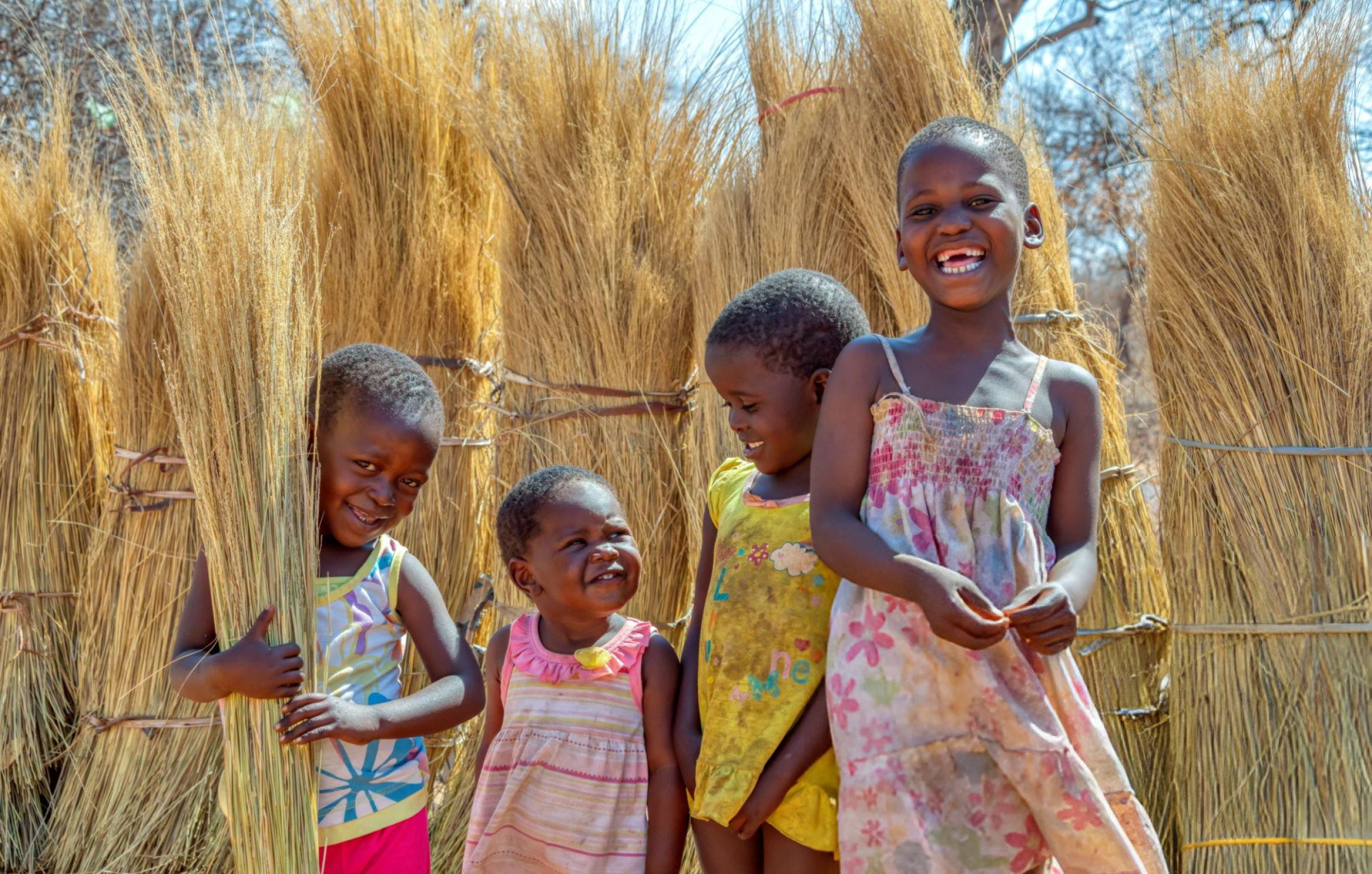
Botswana is often praised for its peace, natural beauty, and economic stability — but beneath the surface, many children continue to face challenges that are overlooked by national progress. These are the three most pressing issues:
Inequality in Access to Early Childhood Education
While Botswana has invested heavily in primary education, preschool and early learning opportunities are still limited, especially in rural and low-income communities. Many children enter school already behind, lacking foundational skills.
HIV/AIDS Impact on Orphaned and Vulnerable Children
Although HIV rates have declined, Botswana still has one of the highest HIV prevalence rates in the world. Thousands of children have lost one or both parents to the disease, leaving them vulnerable to poverty, emotional trauma, and dropping out of school.
Abuse, harassment, and gender-based violence remain significant threats to girls across the country. With limited access to child counseling or mental health services, many young people — especially girls — suffer in silence.
Despite these challenges, Botswana’s children remain full of hope, dreaming of education, health, and opportunities for a better tomorrow.
Key Contributor #1: Botswana Red Cross Youth
First Aid, First Friends
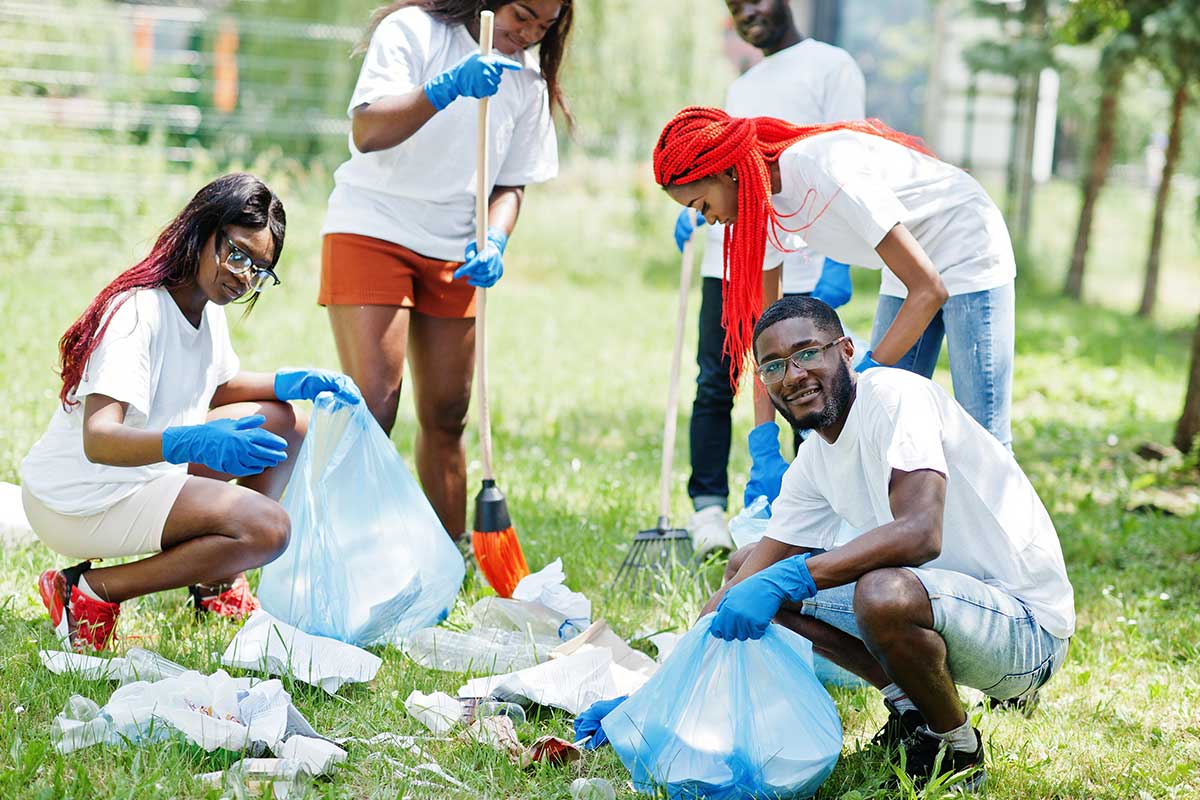
Teen volunteers learn to spot danger, steady a friend, and call help without panic — and then they take those skills into schools and markets. A small kit and a big heart turn fear into action: bandages where there was confusion, calm where there was shouting. The program teaches more than first aid; it teaches leadership and care that doesn’t wait for adults to arrive. Kids who once walked past trouble now walk toward it safely, together. In doing so, they make every playground, bus stop, and classroom a little braver.
Key Contributor #2: Young Africa Botswana
Skills for Life
Workshops buzz with young people testing real trades — electrics, sewing, hospitality, digital basics — and discovering the pride that comes from making something that works. Trainers speak plainly about wages, apprenticeships, and how to pitch yourself without shrinking your story. By graduation, students hold more than certificates; they hold a plan and a circle that roots for them. Jobs follow, and with them, stability at home. That’s how cycles break: a skill, a paycheck, a family that breathes easier.
Key Event #1: Gaborone Youth Wellness Week
Listening to the Silence
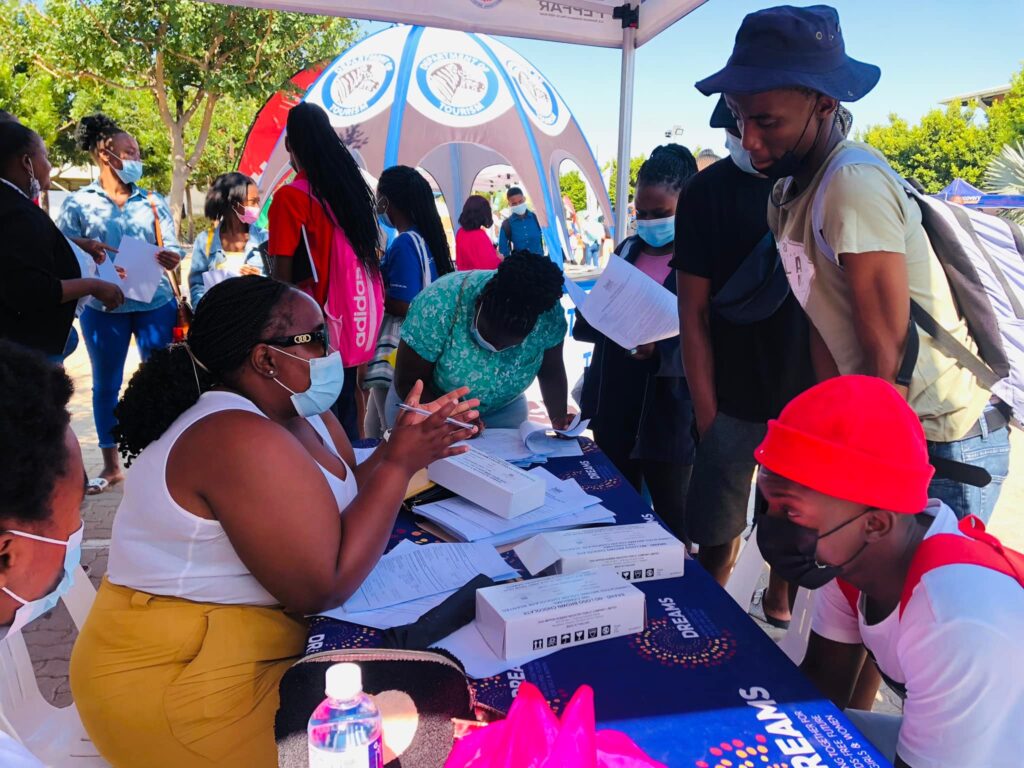
Pop-up tents offered quiet corners where teens could talk about anxiety, violence, and the pressure to look “fine.” Counselors listened more than they spoke, and peer leaders modeled how to ask for help without shame. Workshops were generous with language — words for stress, for grief, for panic that sneaks up in class. By week’s end, students had new tools, teachers had new protocols, and the silence that harms children had a lot less space to hide.
Key Event #2: Northern District School Readiness Drive
Backpacks, Books & Bravery
Before term started, communities rallied: backpacks packed, uniforms mended, and kids matched with the supplies they needed to show up proud. Volunteers checked fits, labeled notebooks, and turned distribution day into a mini-festival of music and encouragement. The message was simple and powerful — you belong in that classroom. When Monday came, the walk to school felt lighter, and attendance spoke for itself.
Top Grassroot Nonprofits Across Botswana
Meet the five grassroot organizations seeking to make extraordinary strides in improving the lives of Botswana’s children — one community at a time.
To get started, click on the image to visit the donation page, or click on the nonprofit’s name to access their homepage.
After donating on a partner site, click the purple globe icon to register your contribution in our data tables.
Remember, your support, whether it’s visiting their homepage, donating, or following their social media, will be crucial towards helping these nonprofits grow and amplify their efforts.