All Revenue From Ads Go to Advertising and Support for Nonprofits
Burkina Faso: Protecting Childhood in a Time of Crisis
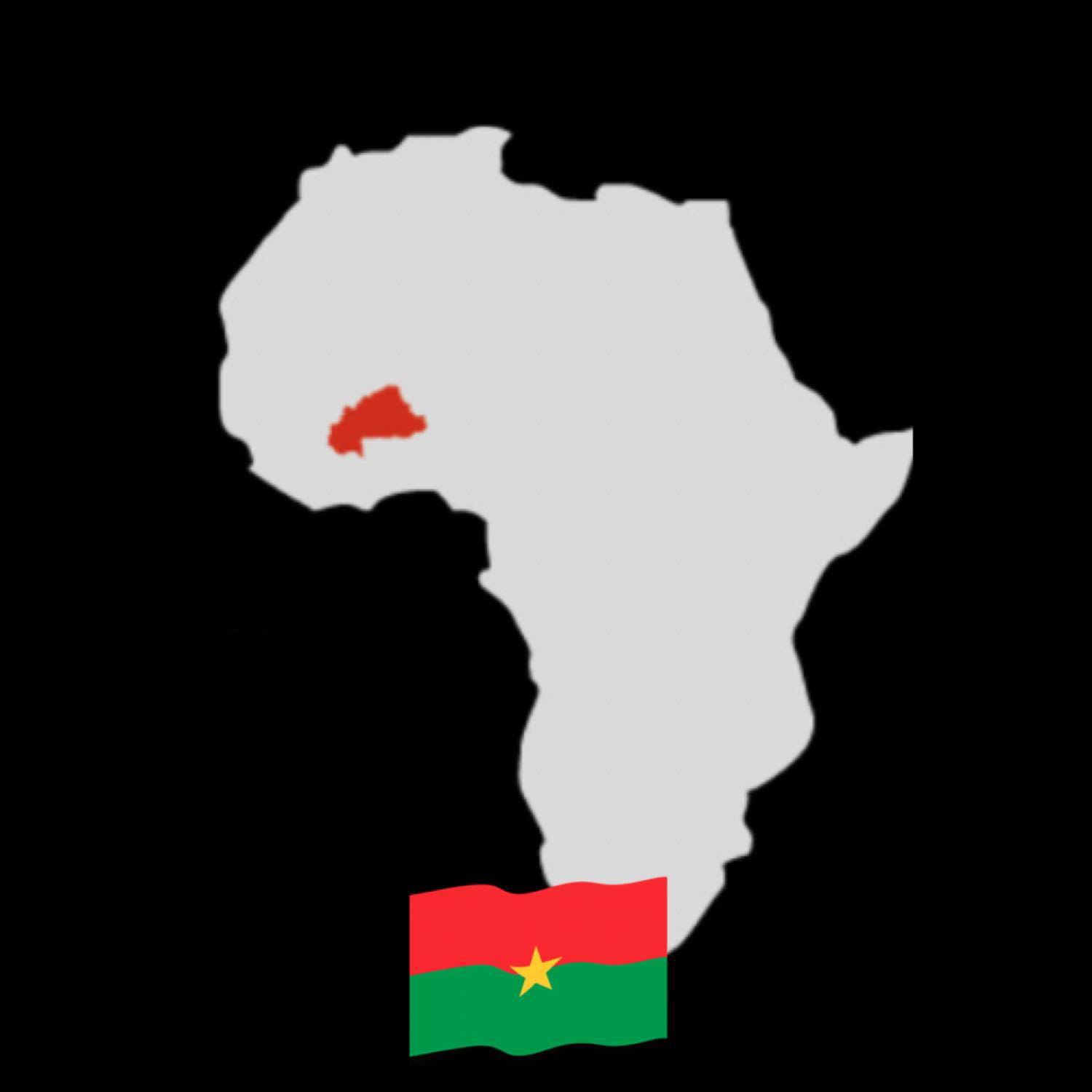
Explore Burkina Faso:
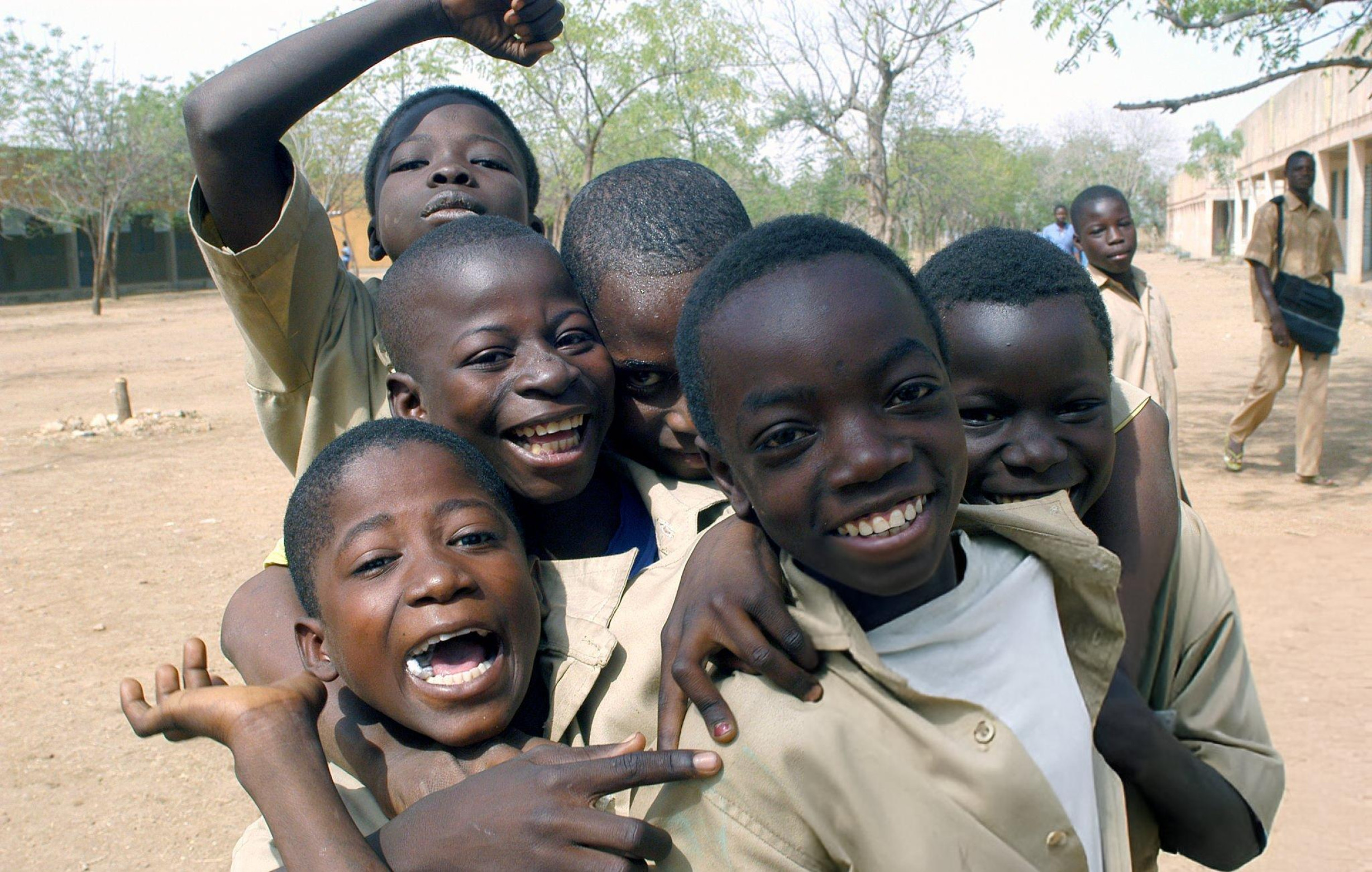
Beyond headlines of conflict are children who still reach for routine — a classroom, a storybook, a safe night’s sleep. We stand with the local teams restoring those simple, lifesaving rhythms one tent school and one smile at a time.
The Situation for Children in Burkina Faso
Burkina Faso is a nation of deep cultural pride and communal resilience, but recent years have brought a wave of violence, poverty, and disruption that has shaken the lives of millions — especially children. These are the three most urgent challenges they face today:
Violent Conflict and Displacement
Armed groups and regional instability have displaced over 2 million people in Burkina Faso, with more than half of them being children. Many have lost their homes, family members, and access to schooling.
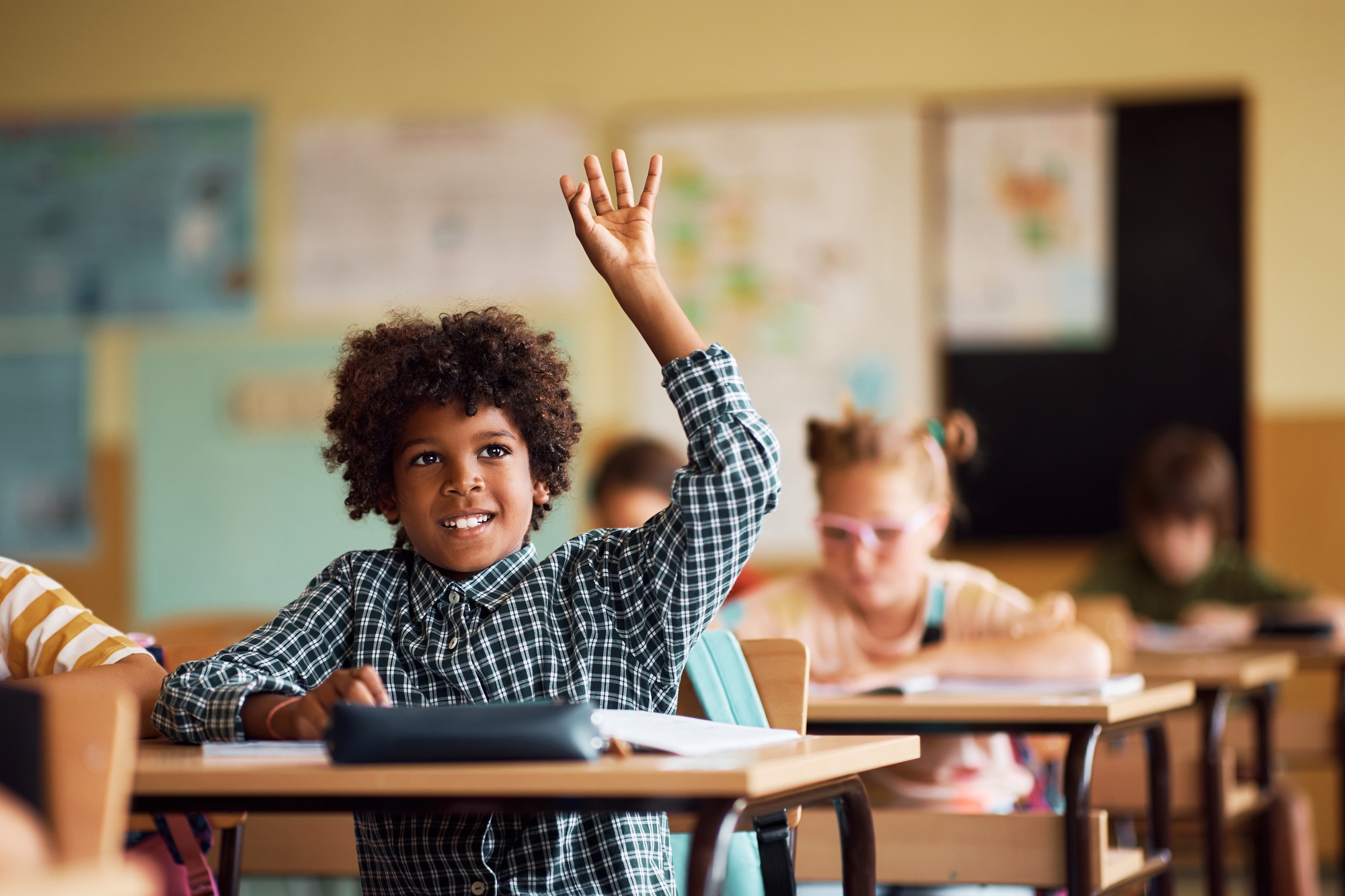
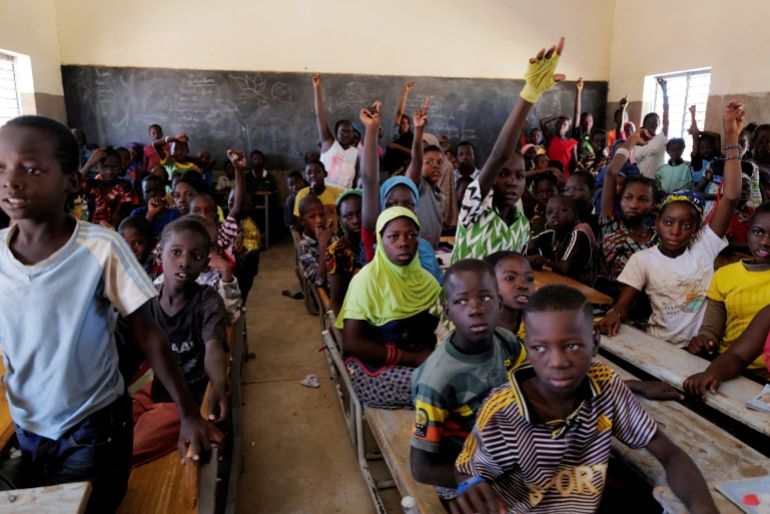
Due to insecurity, over 6,000 schools have been closed in recent years. This leaves hundreds of thousands of children without a safe place to learn or a routine to ground their lives.
Psychological Trauma and Lack of Mental Health Support
Children affected by violence, loss, and displacement often carry invisible wounds. Yet in much of Burkina Faso, there is little to no access to trained counselors or trauma-informed care for youth.
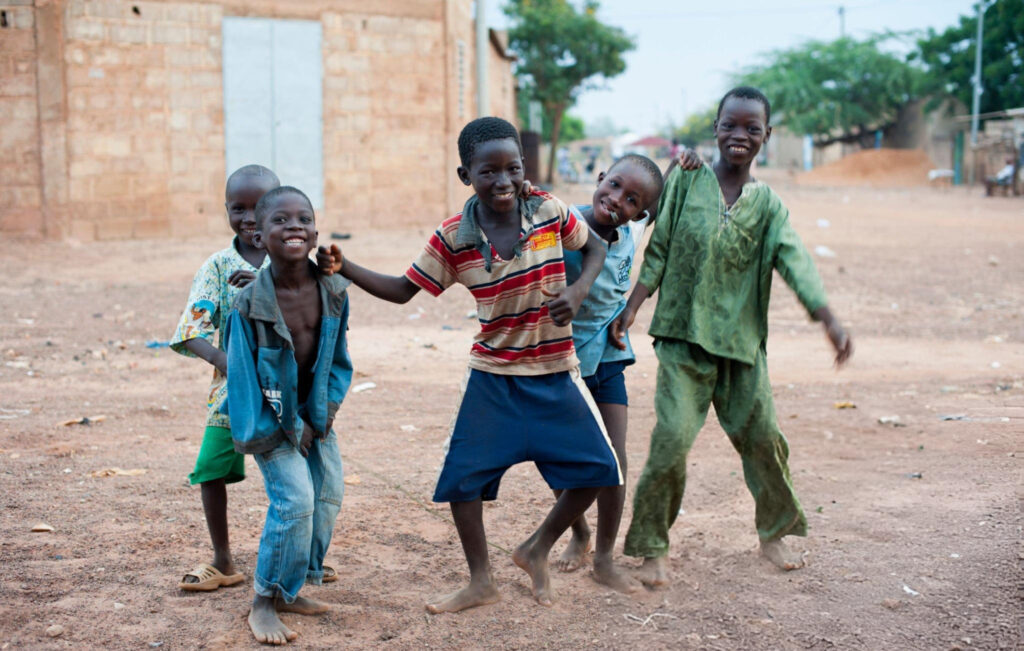
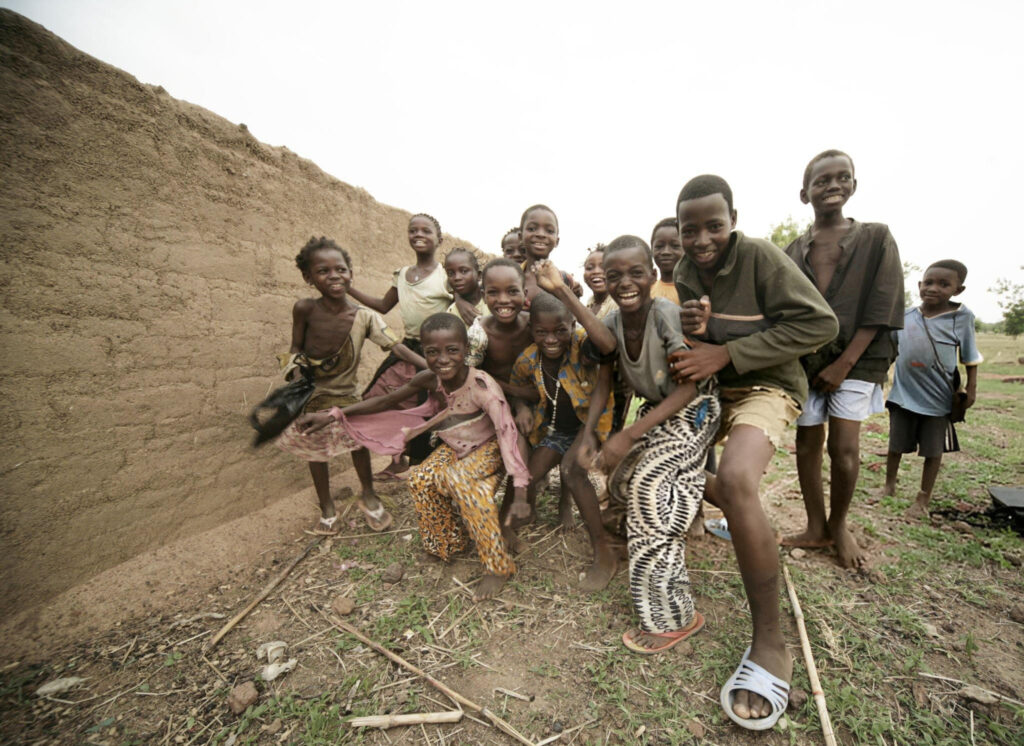
Despite these challenges, Burkina Faso’s children remain full of hope, dreaming of education, health, and opportunities for a better tomorrow.
Key Contributor #1: Keoogo
Supporting Displaced and Vulnerable Youth in Crisis Zones
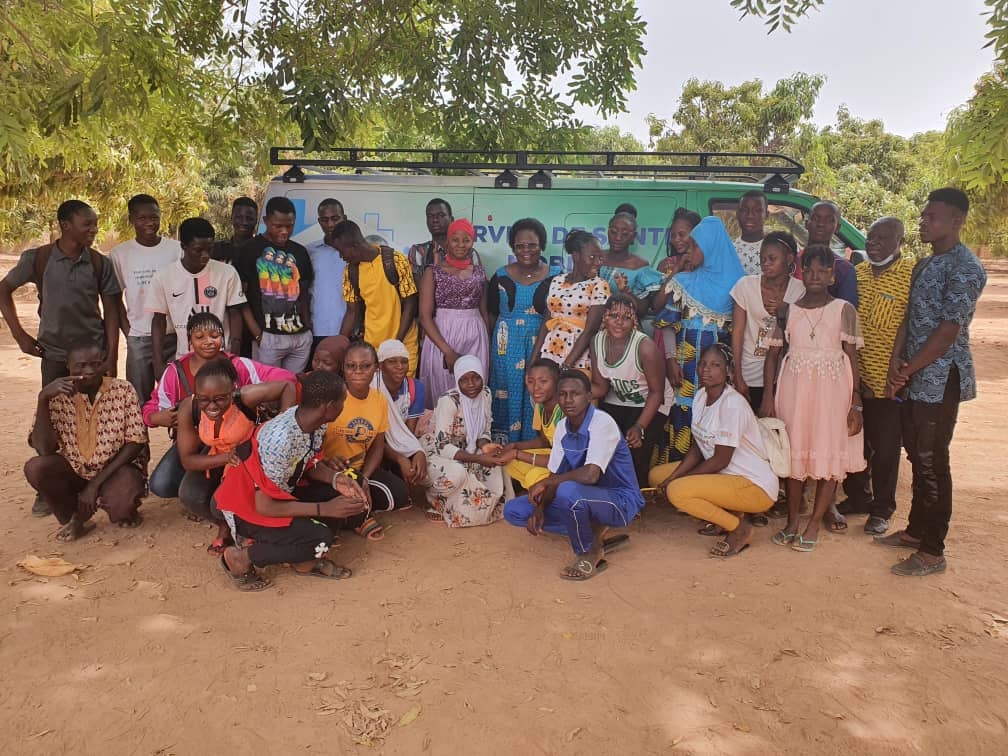
When violence scatters families, Keoogo becomes a steady hand. Staff find children sleeping rough, offer medical care and meals, and help trace relatives or safe foster homes. Transitional classes rebuild learning habits; counseling names fears that kids have carried alone for too long. The work is urgent and gentle, pairing protection with patience until a child feels anchored again. For those at risk of trafficking, teams move fast and stay close. Every placement, every reunion, every returned backpack is a small miracle — and a clear signal that no child should have to survive alone.
Key Contributor #2: Fondation KIMI
Healing Childhood Trauma Through Art and Safe Expression
Some pain refuses to come out as sentences. Fondation KIMI makes space for color, rhythm, and play to do the talking. Children paint what they can’t yet say and hear the powerful words “it’s okay to feel it.” Facilitators trained in trauma care bring consistency to places where nothing feels dependable, and sessions end with routines that help the calm last. Over time, drawings brighten, laughter returns, and teachers notice a change: attention holds a little longer, tempers cool a little faster. Healing isn’t instant, but it’s visible — and it belongs to the children again.
Key Event #1: Mobile School Caravan – Sahel Region
Bringing Classrooms to Displaced Children
Collapsible tents, whiteboards on donkeys, and backpacks stuffed with hope — the caravan brought school to the very places that lost it. Kids lined up to write their names for the first time in years, and teachers modeled patience that felt like a warm meal. Lessons were short, steady, and designed to travel; routines returned in pencil marks and shared songs. The road was dusty, the schedule imperfect, but the change was immediate: children stood a little taller and remembered what it feels like to be a student.
Key Event #2: Children’s Day of Peace – Kaya Camp
Restoring Joy and Normalcy Through Celebration
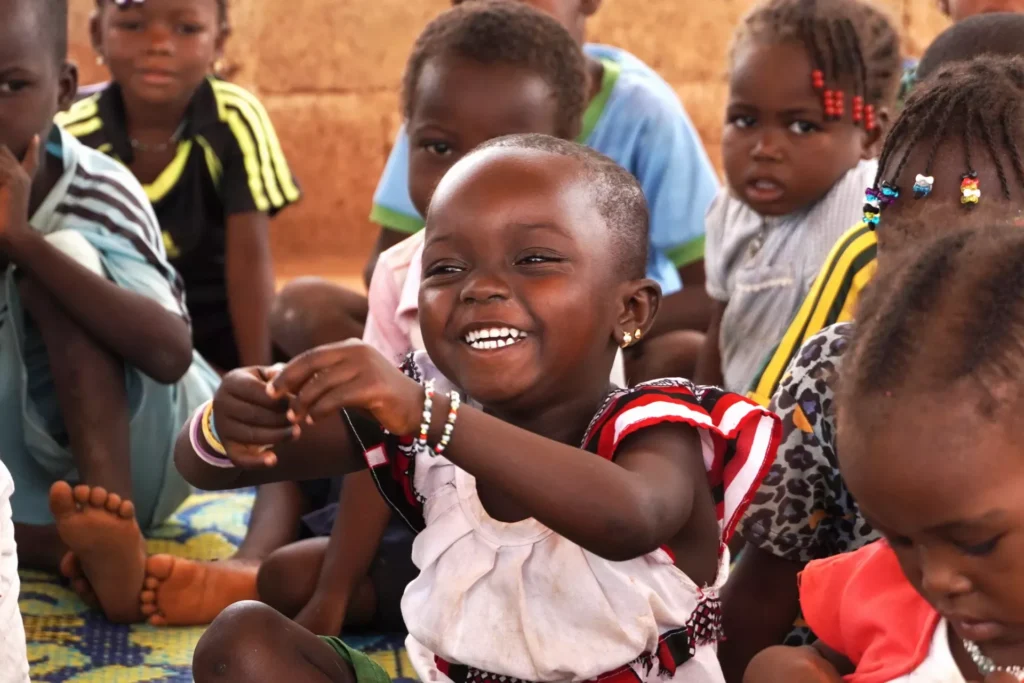
In a camp defined by loss, a day of music and murals turned grief into color. Volunteers set up circles for storytelling and dance, and parents watched as hesitation became laughter. The point wasn’t to forget; it was to remember joy as a right, not a luxury. By the final song, the air felt different — lighter, determined. Children carried their painted hands into the week like badges, proof that even here, happiness can be made and shared.
Top Grassroot Nonprofits Across Burkina Faso
Meet the five grassroot organizations seeking to make extraordinary strides in improving the lives of Burkina Faso’s children — one community at a time.
To get started, click on the image to visit the donation page, or click on the nonprofit’s name to access their homepage.
After donating on a partner site, click the purple globe icon to register your contribution in our data tables.
Remember, your support, whether it’s visiting their homepage, donating, or following their social media, will be crucial towards helping these nonprofits grow and amplify their efforts.