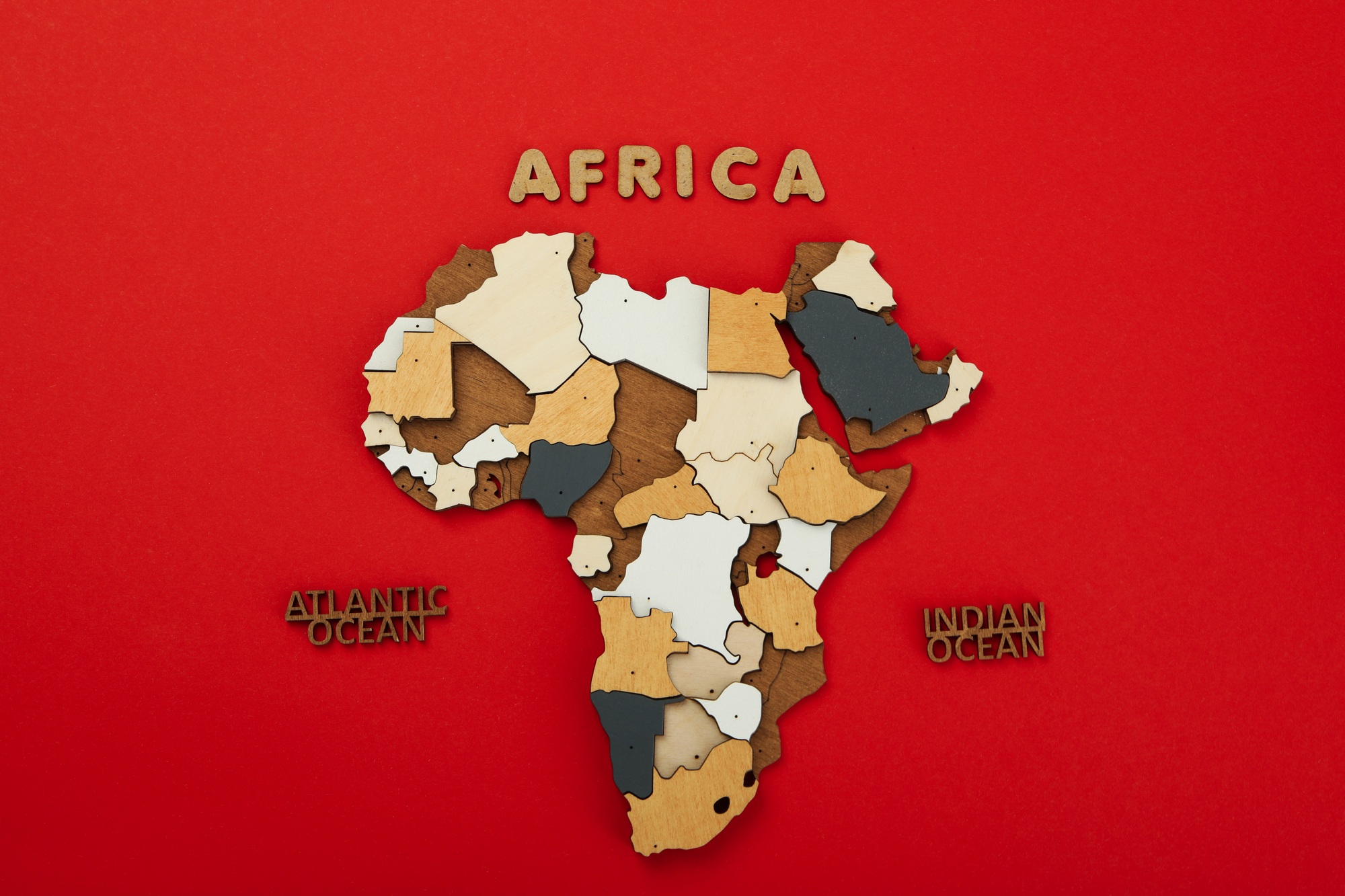
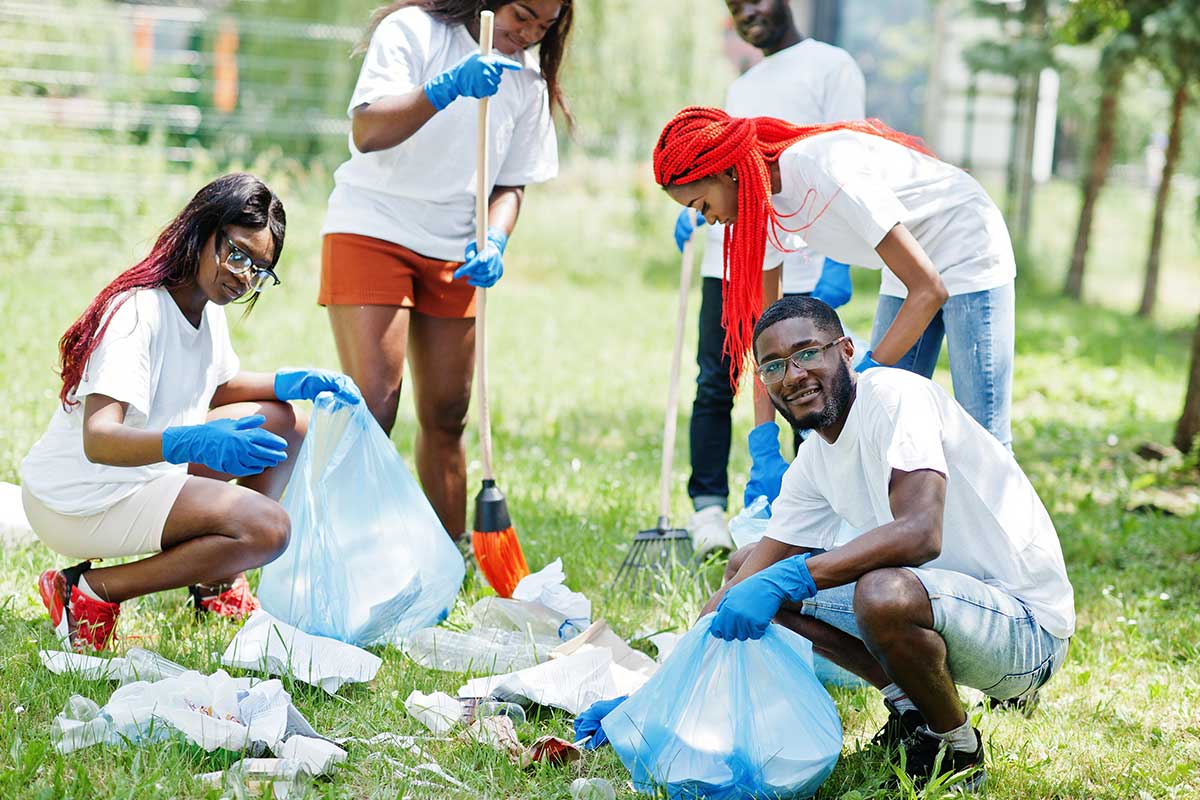
The Central African Republic is more than headlines and fear, it is children surviving war, hunger, and loss while holding on to school and hope. From Bangui to Ouaka, their voices ask for safety and healing, and we are here to lift them into view with care.
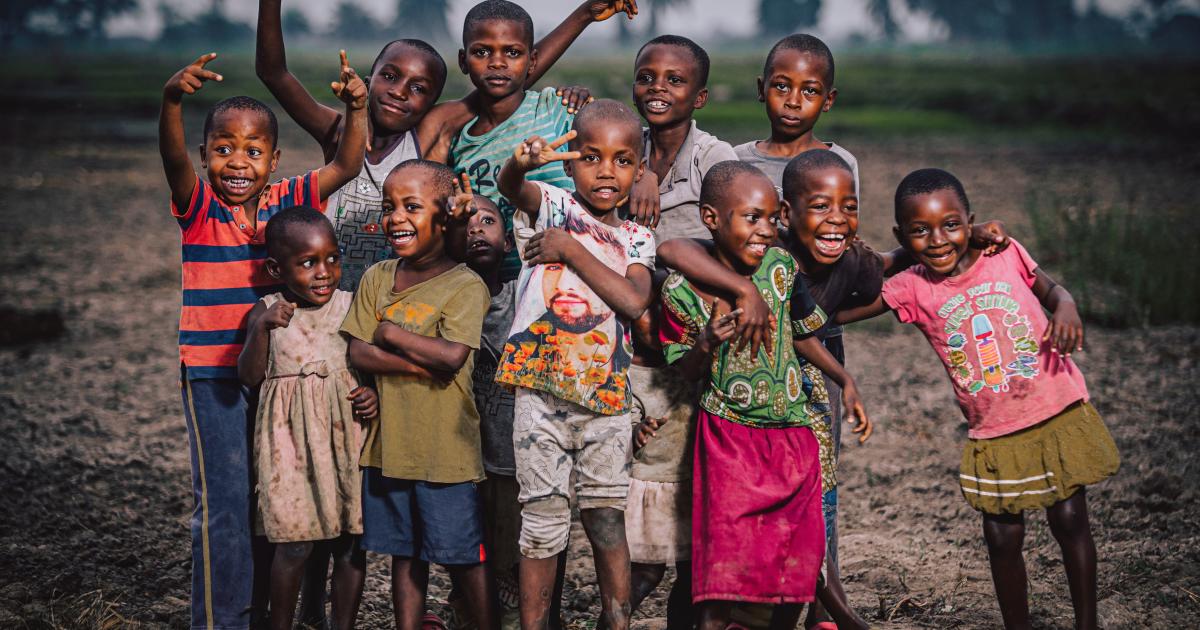
Years of violence between rebel groups and government forces have displaced over 1 million people, with more than half being children. Many have fled repeatedly, lost loved ones, or are trapped in unsafe camps without access to protection.
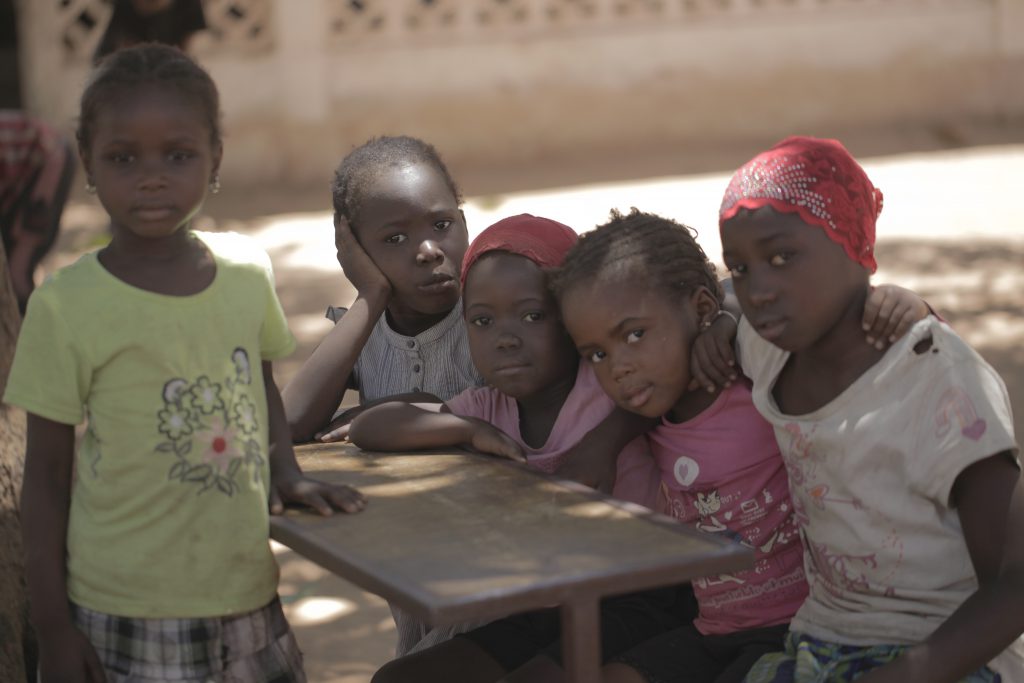
Nearly half the population faces acute hunger, and over 40% of children under five are chronically malnourished. Many go days without eating, and health centers are often out of reach or nonfunctional.
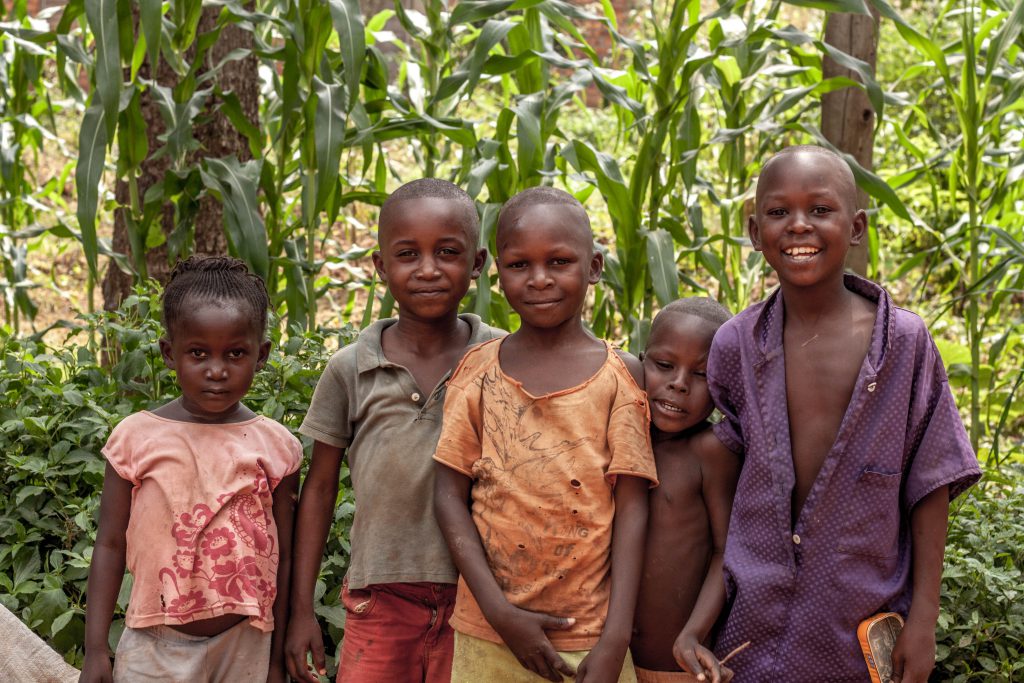
Children have been abducted or coerced into armed groups — forced to fight, cook, or serve as messengers. Even after escape, they face deep trauma, rejection by communities, and lack of access to education or therapy.
When a child returns from armed groups, the first need is safety, the second is belonging, the third is a plan. Juvenal Foundation provides shelter and patient counseling, then builds a pathway back to learning or skills training that respects each child’s pace. Staff search for family, mediate reunions, and prepare communities to welcome without judgment. Accelerated classes rebuild literacy and number sense; creative activities let children speak without fear; caseworkers watch for signs of distress and respond quickly. Legal support and advocacy protect rights that were denied; referrals connect survivors to medical care that restores the body as the mind heals. Step by step, identity returns; school feels possible; the future begins to widen again. In a place where children were used, this program insists they are cherished.
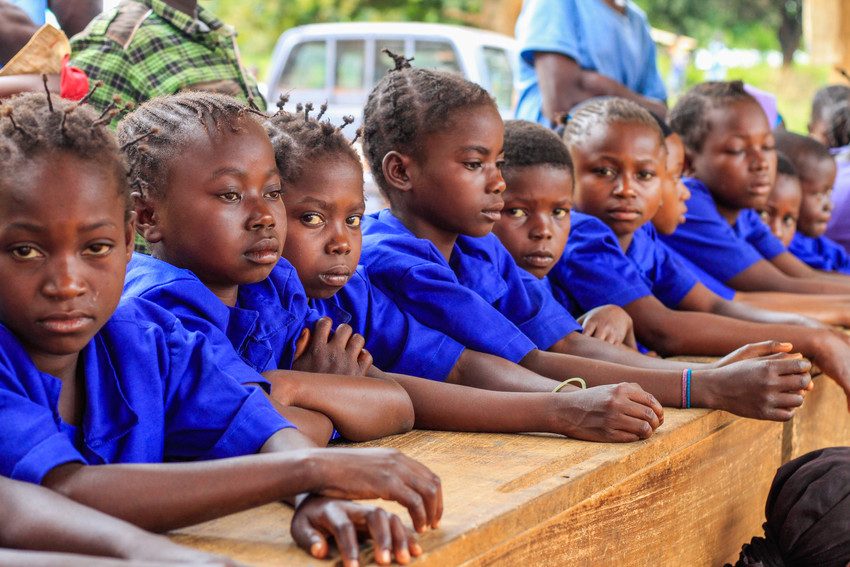
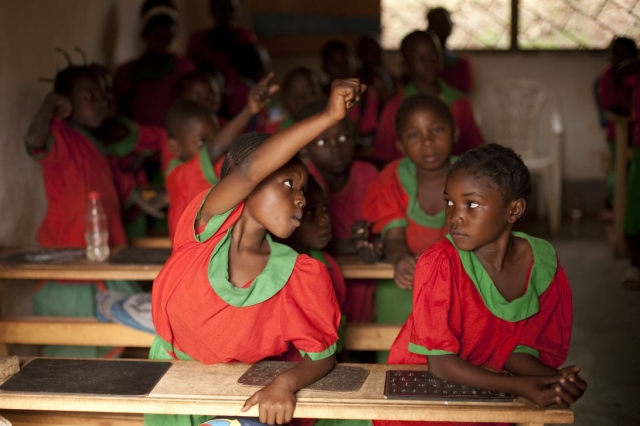
Across displacement sites and cut off towns, Caritas CAR moves supplies, care, and compassion toward children who need them most. Food distributions keep families standing; mobile teams bring clean water, basic medicine, and attention that catches problems early. School feeding and child friendly spaces turn days of waiting into days with rhythm: meals, lessons, games, quiet. Volunteers from the community help organize lines, translate, and keep children safe as services arrive. Social workers look for the small signs that a child is not coping, then intervene with patience and practical help. The work is steady rather than loud; its power is in persistence and presence. In zones others avoid, Caritas CAR shows up, returns, and stays; relief becomes relationship, and children feel seen again.
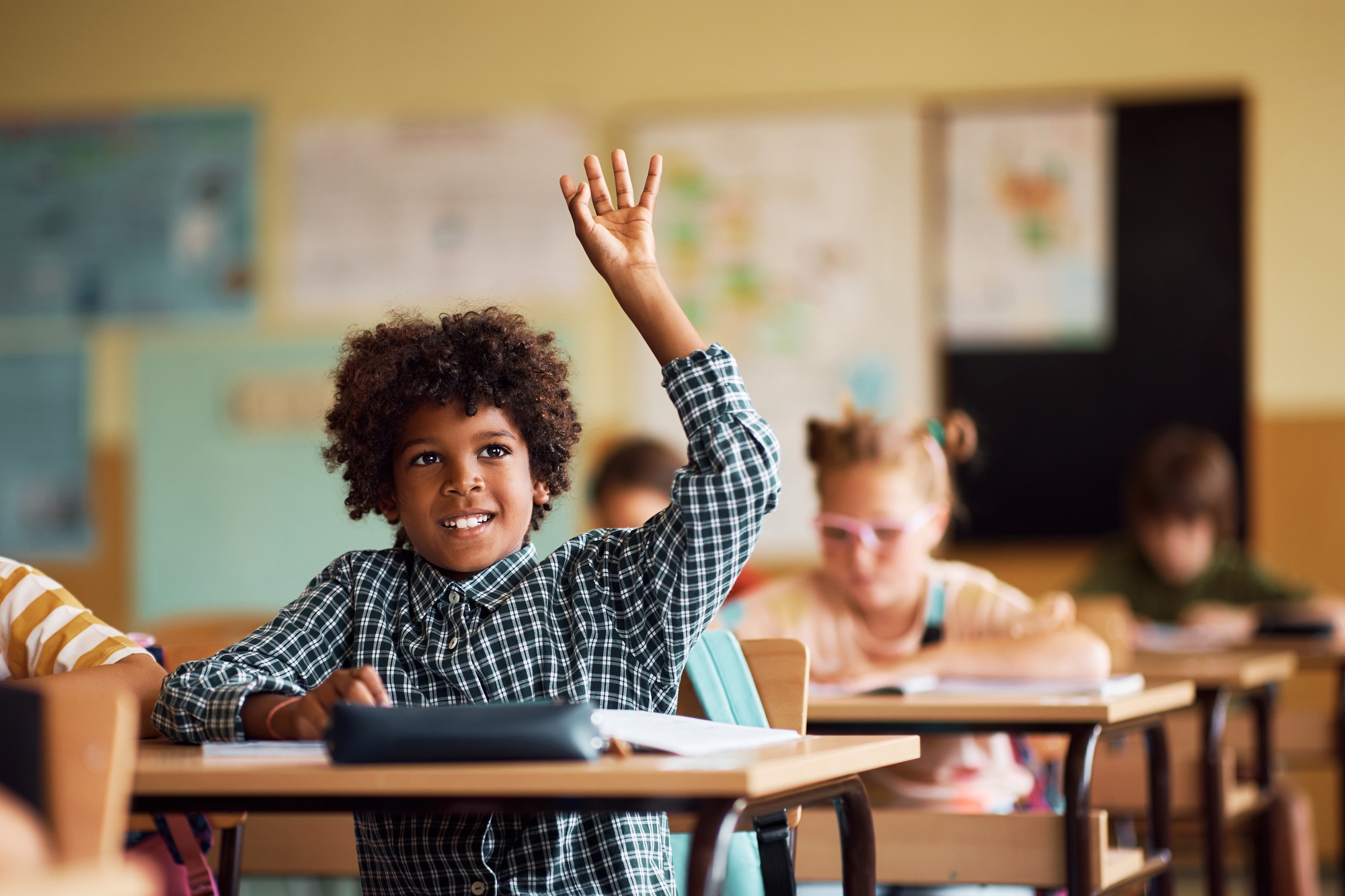
In 2023, parents, teachers, and volunteers reopened classrooms with tarps for roofs and chalkboards balanced on bricks, a quiet defiance against years of silence. Children arrived barefoot, carrying string bound notebooks and nervous excitement; roll call returned, reading practice returned, hope returned. Lessons were simple, then strong; communities took turns guarding entrances and fetching water so learning could hold. Art projects let children map dreams and tell stories of home; counselors listened and taught ways to calm anxious minds. Supplies were shared carefully; every page mattered; every pencil felt like a promise. The campaign did more than unlock doors; it restored trust in school as a place of safety and growth. In Ouaka, normalcy began to feel possible again, one morning bell at a time.
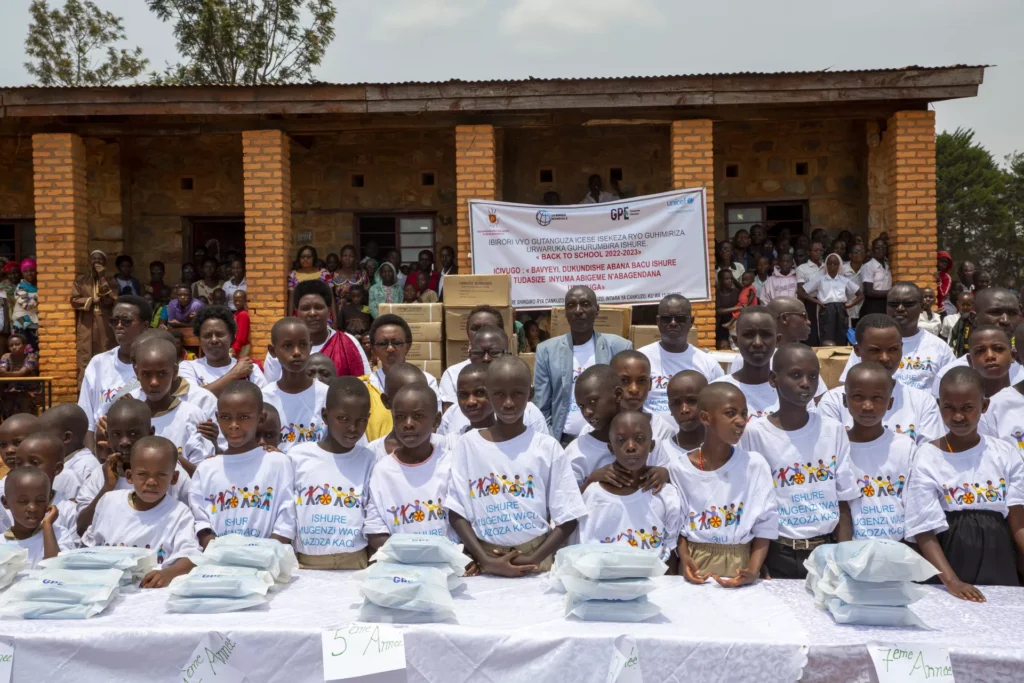
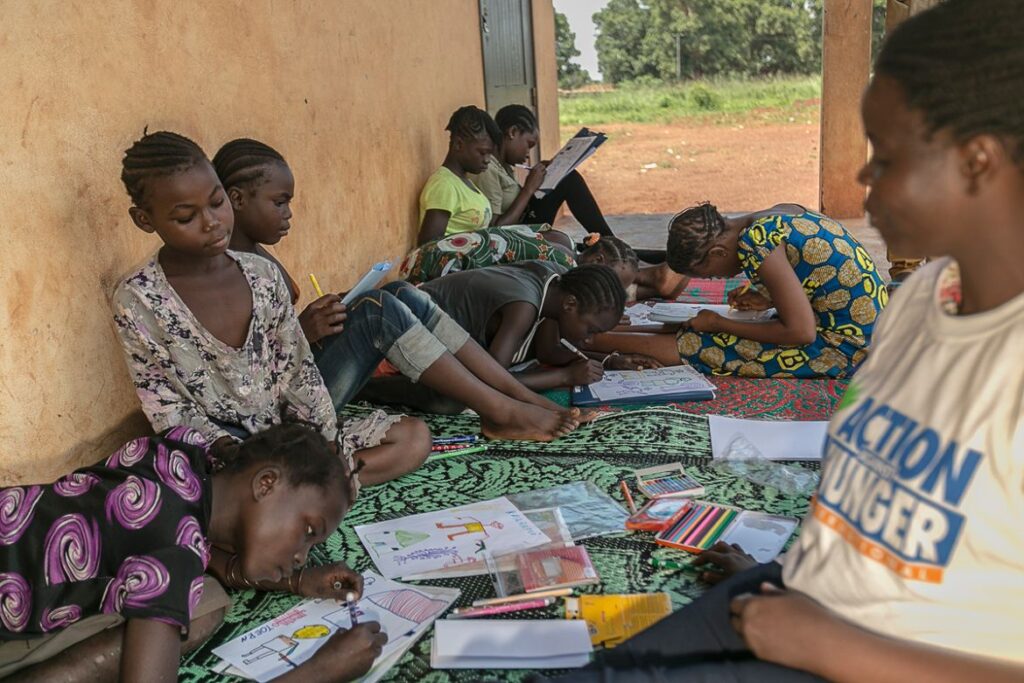
In a small Bangui theater, children and teens told their own stories on stage, turning memory into dialogue and fear into courage. Writers guided scenes that named loss and longing; performers found strength in speaking together; the audience answered with tears and applause. Psychologists and artists anchored the process, offering tools for grounding and reflection before and after each rehearsal. The program welcomed families, invited community leaders, and opened conversations about healing that reached beyond the stage. For many participants, this was the first time their truth was heard and honored in public. The play ended, but its echo continued in homes and schools. Theater became a doorway: pain acknowledged, voice reclaimed, future imagined.

Supports survivors of sexual violence through legal advocacy, trauma care, and survivor-led healing networks.

Trains youth and local leaders in peacebuilding, dialogue, and violence prevention across conflict zones.

Offers clean water, nutrition, sanitation, and farming support for disaster-affected communities.
Delivers global training on human rights, legal literacy, and policy reform in fragile states.