All Revenue From Ads Go to Advertising and Support for Nonprofits
Chad: Uplifting Children in a Landscape of Struggle and Strength
Explore Chad:
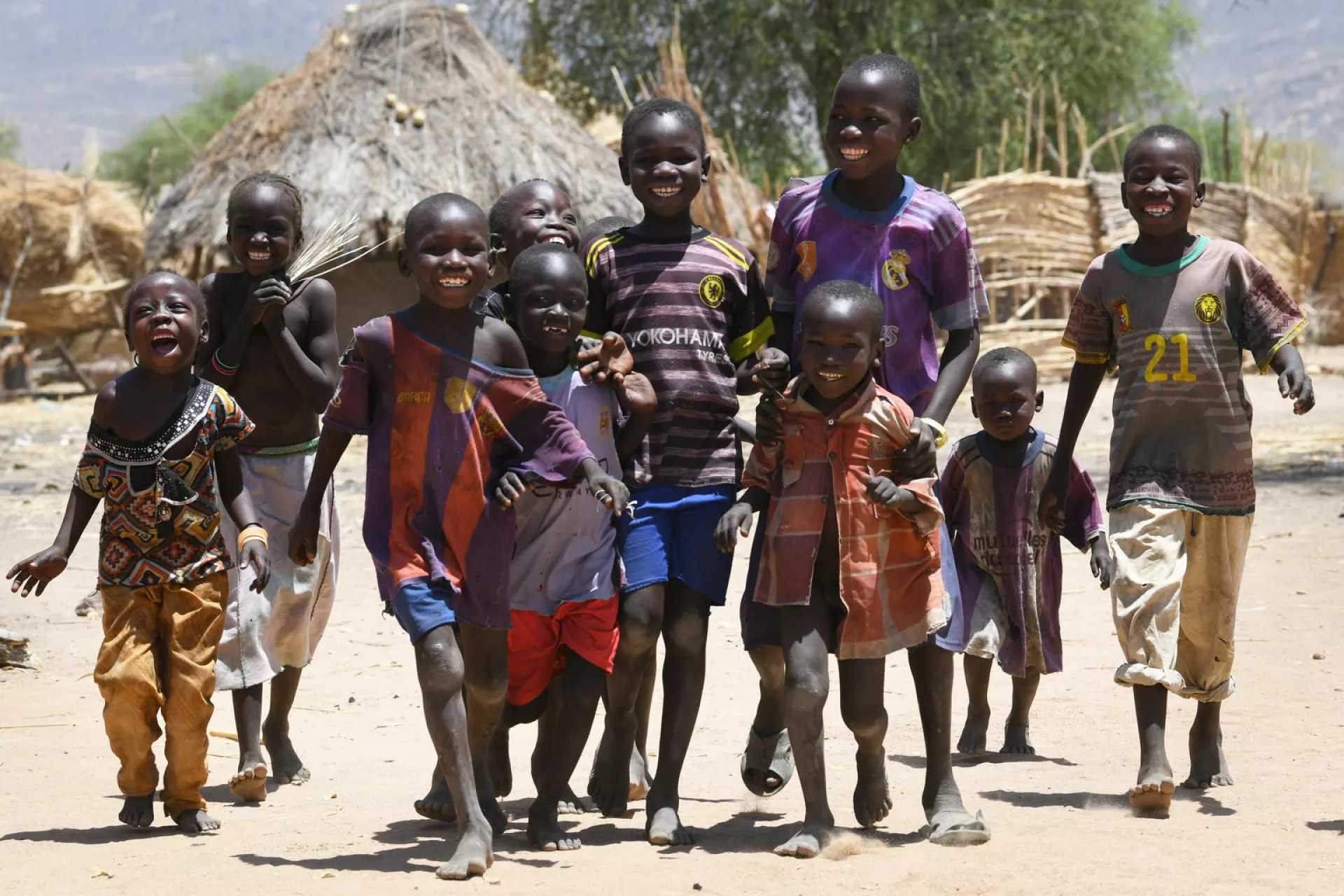
Chad is more than deserts and borders, it is children facing hunger, displacement, and classrooms that vanish, yet still reaching for learning and care. From the Lake region to Abeché, their voices call for steady help and human dignity, and we are here to answer.
The Situation for Children in Chad
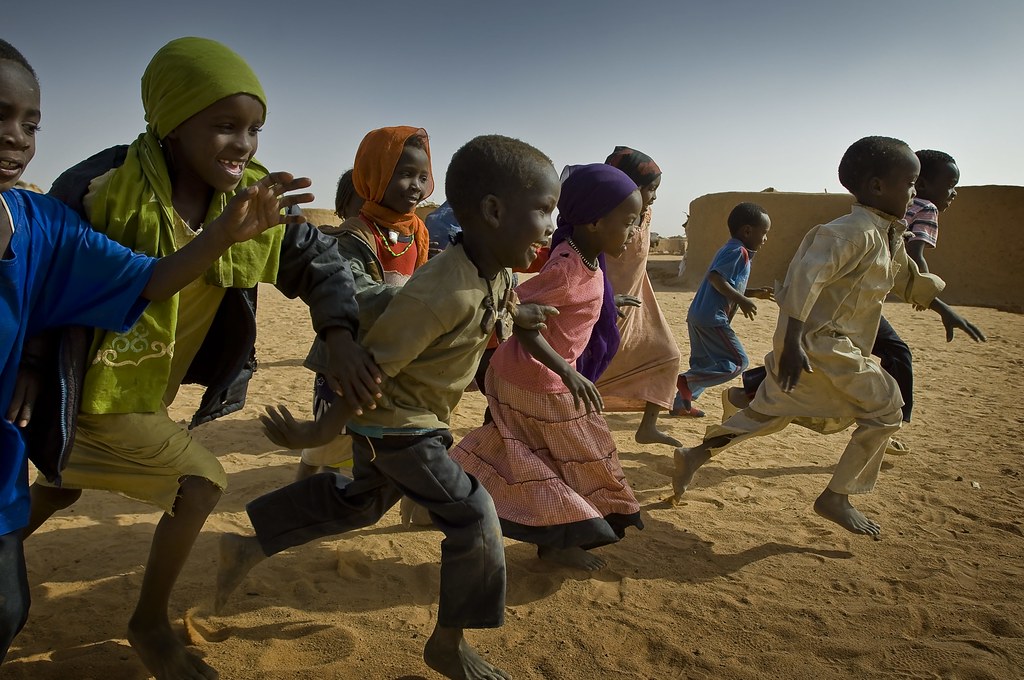
Chad is a country of vast deserts, resilient people, and persistent crisis. From conflict in the Lake Chad region to severe droughts and an underfunded education system, children in Chad are growing up on the front lines of multiple emergencies. These are the three most urgent challenges they face:
Food Insecurity and Malnutrition
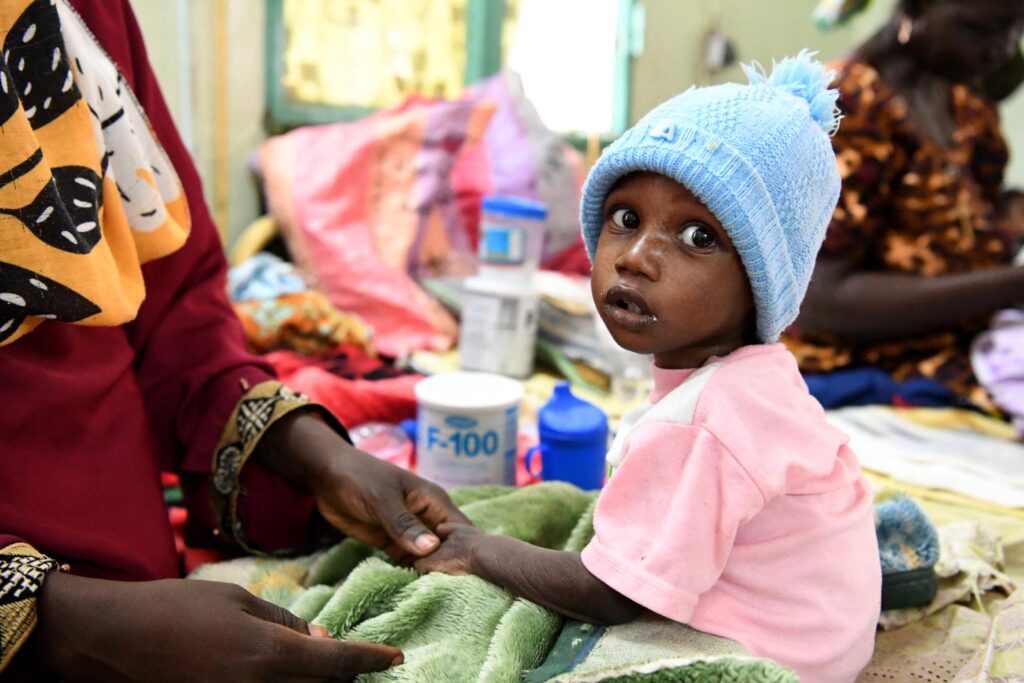
Drought, conflict, and economic instability have created one of the highest child malnutrition rates in the world. Many children go to bed hungry, and nearly 40% of children under five are stunted due to lack of nutrition.
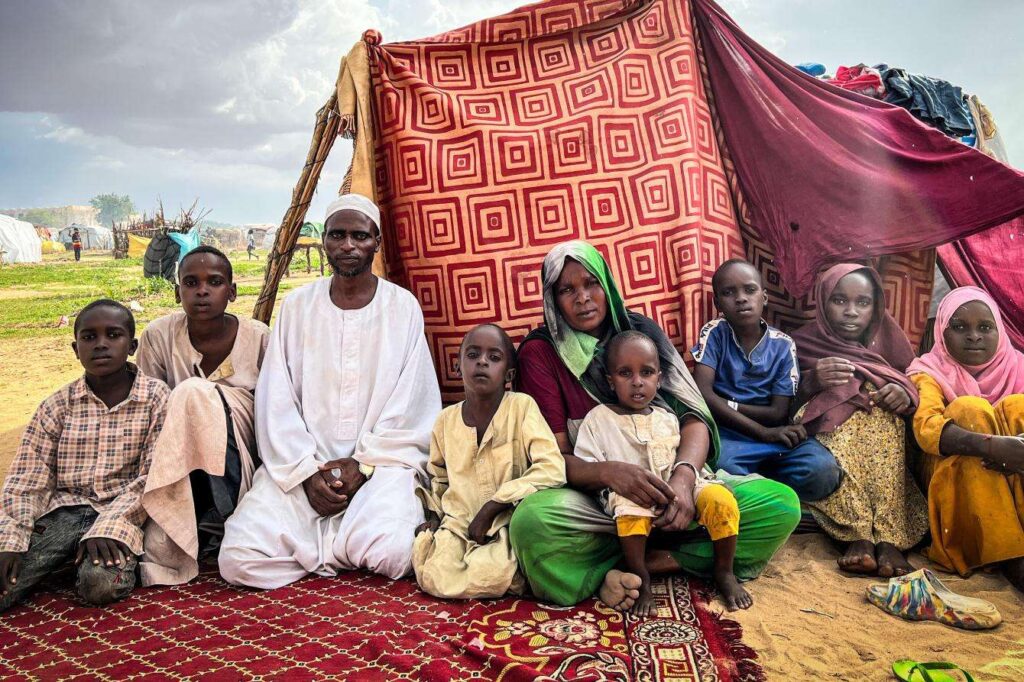
Ongoing violence in neighboring countries like Sudan, Central African Republic, and Nigeria has pushed refugees into Chad, placing enormous pressure on already scarce resources. Many refugee and internally displaced children live in camps without consistent access to school or healthcare.
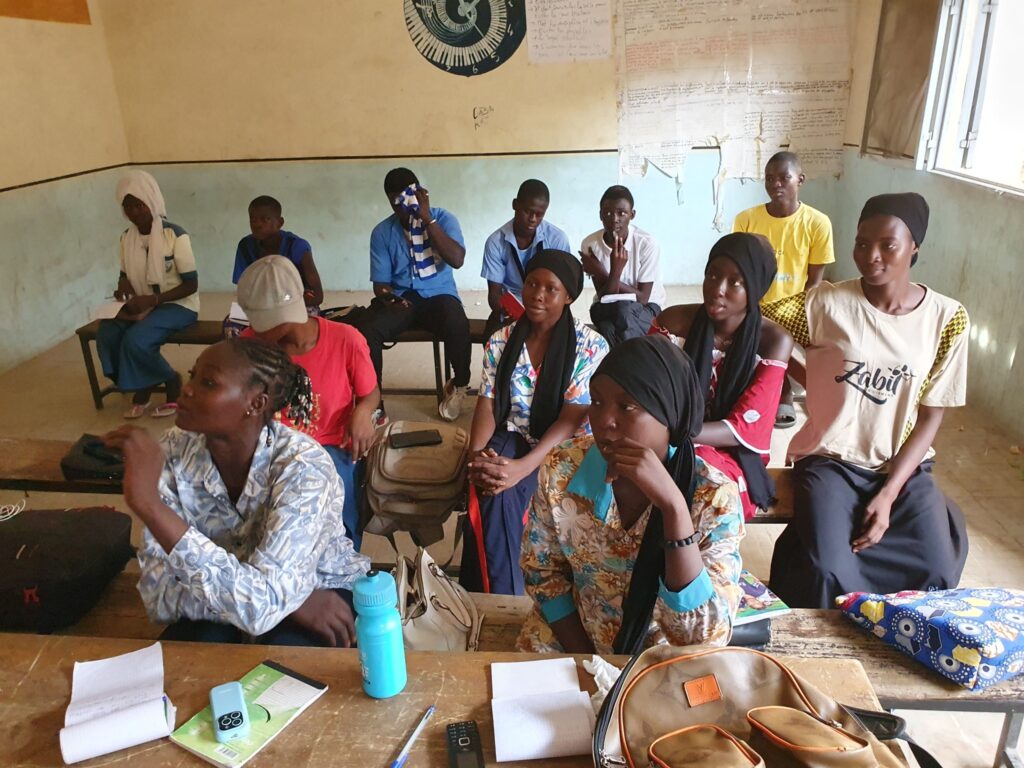
Nearly half of Chad’s children are out of school. Classrooms are overcrowded, under-resourced, and sometimes nonexistent — especially in rural or conflict-affected zones.
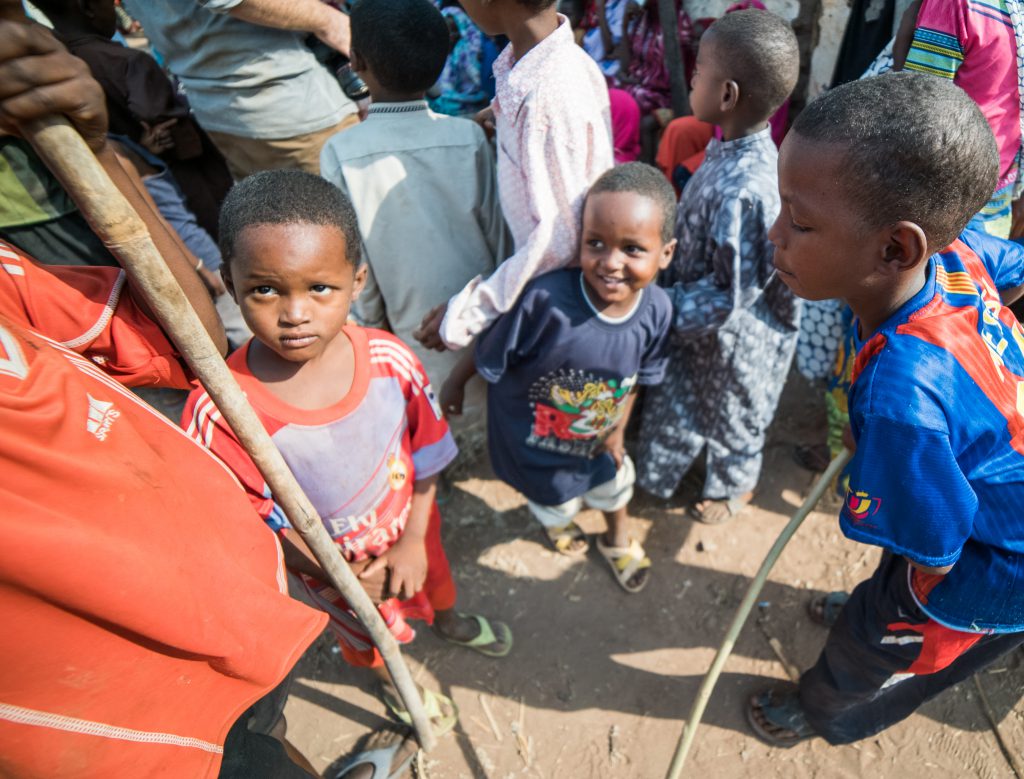
Despite these challenges, Chad’s children remain full of hope, dreaming of education, health, and opportunities for a better tomorrow.
Key Contributor #1: Tchad Plus
Delivering Emergency Aid and Education to Displaced Youth
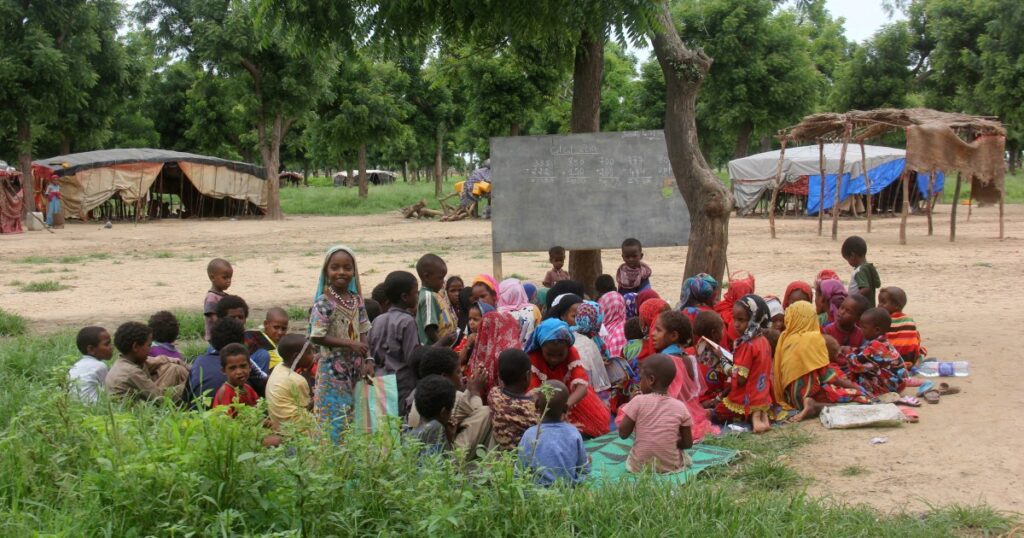
In the Lake Chad Basin, Tchad Plus brings order to days shaped by movement and loss, creating spaces where children can eat, learn, and feel safe. Mobile classrooms unfold under trees; teachers trained in trauma aware methods rebuild basics with patience. A daily meal steadies the body; a school kit signals belonging; attendance becomes the rhythm that organizes life. Counselors watch for distress and work quietly with families to keep children close to support. Water points and latrines are placed with care so dignity is protected. The team coordinates with local leaders, listens to mothers, and adjusts routes as settlements shift. Even when roads are uncertain, they keep showing up. In that consistency, children recover pieces of childhood, one lesson, one laugh, one safe afternoon at a time.
Key Contributor #2: Al Nassim Foundation
Feeding and Supporting Malnourished Children in Rural Chad
Where drought has pressed hardest, Al Nassim Foundation runs clinics that offer simple, life saving care to small children and guidance to exhausted parents. Health workers measure arms, check fevers, and start therapeutic feeding that slowly brings strength back. Mothers learn how to prepare nutrient dense porridge, how to keep water clean, how to spot danger signs early. Volunteers carry supplies across long distances; village leaders help organize distribution so the most fragile arrive first. Follow up visits prevent relapse; quiet encouragement keeps families engaged even when harvests fail. The work is practical and tender; it treats hunger as a solvable problem rather than a fate. As weeks pass, cheeks fill, energy returns, and a child reaches for play again. In rural Chad, that is the sound of hope.
Key Event #1: Mobile Classroom Launch – Lake Chad Region
Bringing School to Children on the Move
Early in 2024, a network of teachers and local groups rolled out portable schools that could reach settlements missed by formal systems. Folding boards, simple benches, and solar charged devices turned open ground into a place of learning; lessons began in local languages; patience led every plan. Children who had not seen a classroom in years practiced letters and numbers with careful pride. Parents stood nearby, then stepped in to help; schedules formed around water collection and meal times so attendance could hold. The units returned predictably, which built trust; progress became visible in notebooks and smiles. The message spread: movement no longer means missing school. Where the landscape shifts, education travels too, and children carry new skills with them.
Key Event #2: Child Nutrition Day – Abeché
Combating Malnutrition With Meals, Education, and Joy
In Abeché, families gathered for a day that felt like a festival and a clinic at once, organized to confront malnutrition with urgency and care. Children received fortified porridge, vitamins, and screenings; parents learned about breastfeeding, clean water, and safe food storage. Health workers answered questions that had gone unasked for years; play areas kept children engaged while lines moved steadily. Music and games softened worry; neighbors shared recipes and encouragement; volunteers made sure every child left fed and known by name. The event taught, treated, and united a community around its youngest members. For many, it was a first experience of preventative health. What began as a campaign became a shared commitment to keep children strong.
Top Grassroot Nonprofits Across Chad
Meet the five grassroot organizations seeking to make extraordinary strides in improving the lives of Chad’s children — one community at a time.
To get started, click on the image to visit the donation page, or click on the nonprofit’s name to access their homepage.
After donating on a partner site, click the purple globe icon to register your contribution in our data tables.
Remember, your support, whether it’s visiting their homepage, donating, or following their social media, will be crucial towards helping these nonprofits grow and amplify their efforts.