All Revenue From Ads Go to Advertising and Support for Nonprofits
Comoros: Lifting Island Voices Through Education and Belonging
Explore Comoros:
Comoros is more than islands and quiet roads, it is children working to stay in school, reach clinics, and feel included in daily life. From Moroni to Anjouan, their voices ask to be seen and supported, and we are here to carry them with care and truth.
The Situation for Children in Comoros
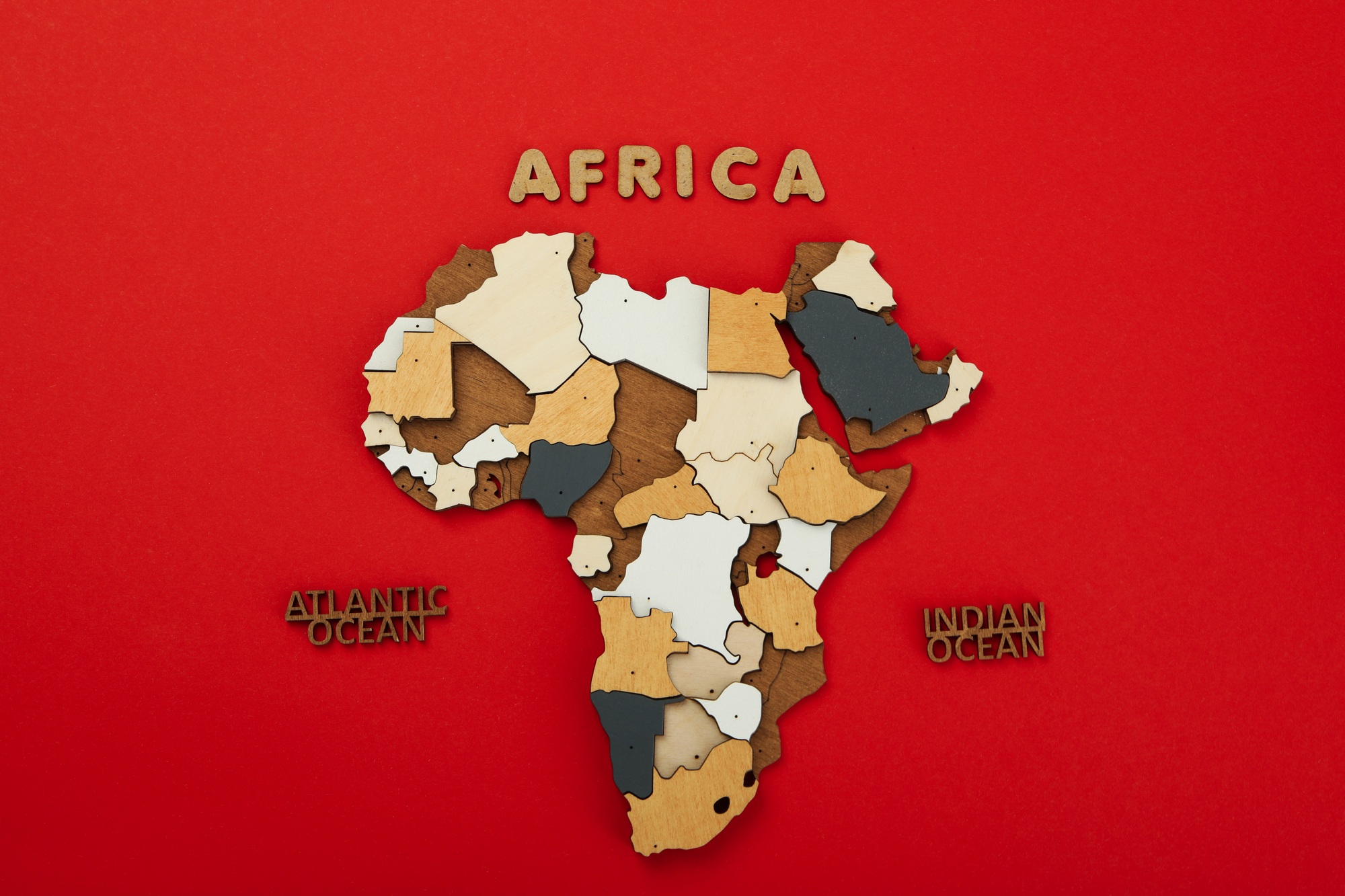
Comoros is a small island country off the eastern coast of Africa, rich in culture but facing significant development challenges. For many children, life is marked by limited access to school, healthcare, and inclusive support. These are the three most pressing issues they face:
High Dropout Rates and Gaps in School Access
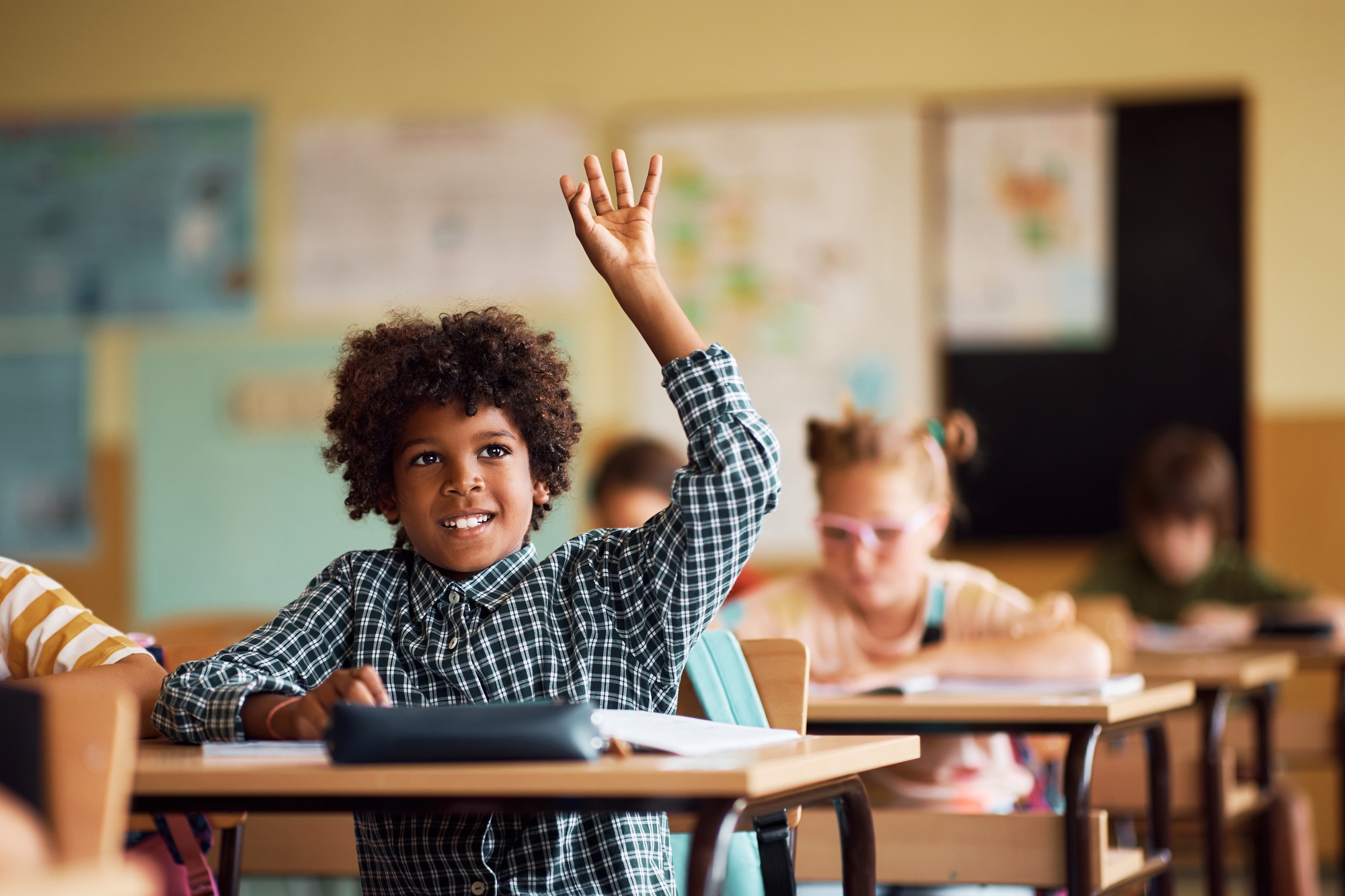
While primary education is free, schools are often overcrowded and underfunded — especially in rural areas. Many children drop out early due to poverty, distance from school, or pressure to help at home.
Children in Comoros face high rates of preventable illness and malnutrition. Clinics are limited, health outreach is scarce in remote villages, and many families cannot afford consistent care.
Disability is often misunderstood or stigmatized, and children with special needs are frequently excluded from school and social life. Most schools lack the training, equipment, or awareness needed for inclusive education.
Despite these challenges, Comoros’ children remain full of hope, dreaming of education, health, and opportunities for a better tomorrow.
Key Contributor #1: Mwana Tanga Foundation
Keeping Children in School and Building Future Pathways
Mwana Tanga Foundation sits at the crossroads where poverty pulls children from classrooms and belief tries to keep them in. Staff identify those at risk, provide scholarships and supplies, and offer tutoring that replaces shame with steady progress. Parents join workshops that explain why schooling matters over years, not days; girls facing pressure find allies who protect their time for study. Teachers coordinate second chance pathways for those who left early, welcoming them back without judgment. The program is personal and practical; it meets families where they are and walks with them toward stability. As attendance holds and grades rise, the future becomes visible again. A child who once lingered outside a school gate takes a seat, opens a book, and begins to see a different life.
Key Contributor #2: Association Twamaya
Supporting Children With Disabilities and Fighting Stigma
Association Twamaya creates spaces where children with disabilities are not hidden but celebrated, where therapy, friendship, and learning fit together. In the day center, movement practice sits beside art and early education; peer groups build confidence that lasts beyond sessions. Parents learn to advocate and to adapt the home; teachers are trained to welcome diverse needs and to adjust lessons with patience. Public outreach replaces stigma with stories that teach compassion. Staff track progress, visit families, and keep plans flexible so gains are not lost. For children once kept apart, community forms around them; they are seen, invited, and expected in school. Twamaya’s quiet insistence on belonging changes minds and daily routines. Step by step, inclusion becomes normal, and dignity becomes non negotiable.
Key Event #1: Island School Meal Program – Anjouan
Fighting Hunger and Absenteeism With Lunch and Love
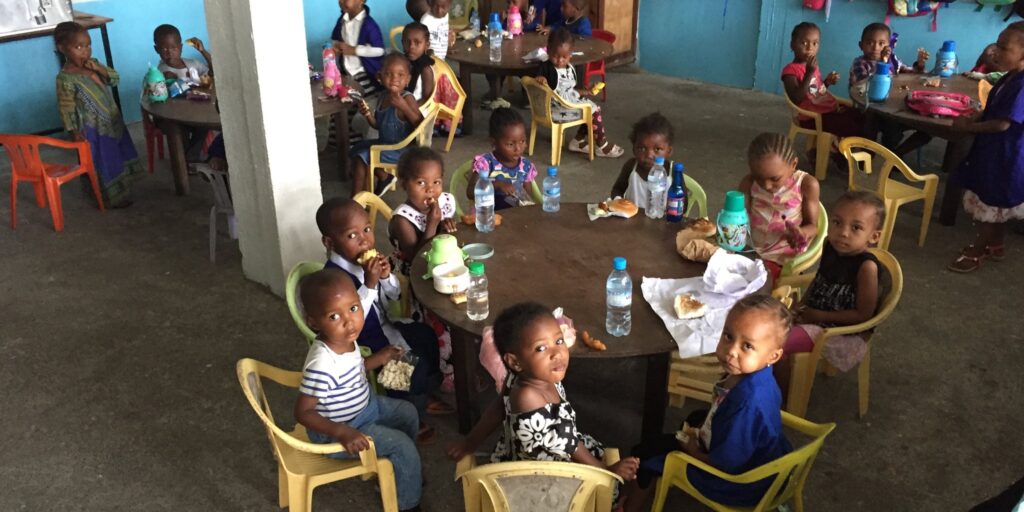
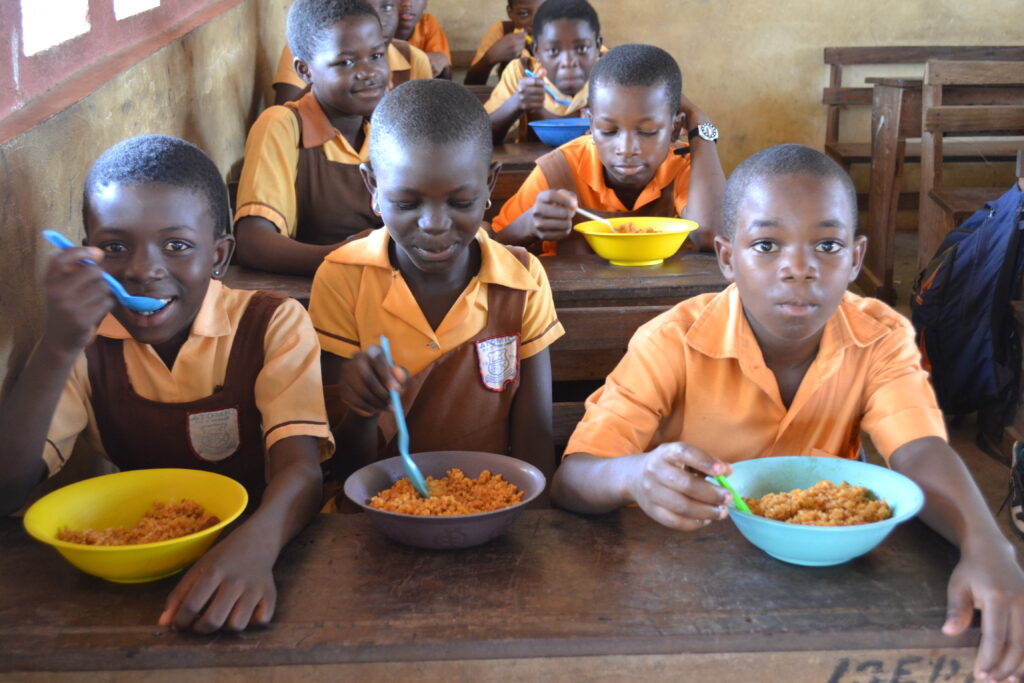
On Anjouan, a simple idea took hold: feed children at school so they can stay and learn. Parents and teachers organized kitchens, partnered with farmers, and built a menu that could endure tight budgets. Pots of rice and beans simmered each morning; small hands lined up with cups from home; classrooms grew calmer as hunger eased. Teachers noted better focus and fewer absences; older students helped serve and clean; pride spread as everyone contributed. The program stitched community together around a daily meal and a shared purpose. It turned noon into nourishment and commitment, not a reason to leave. With each plate, the message deepened: learning needs energy, and together we can provide it.
Key Event #2: Inclusive Play Day – Moroni
Celebrating Every Child Through Games, Music, and Joy
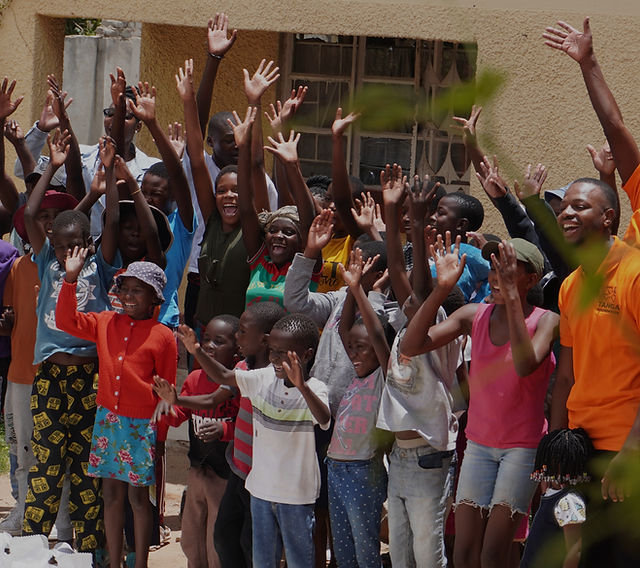
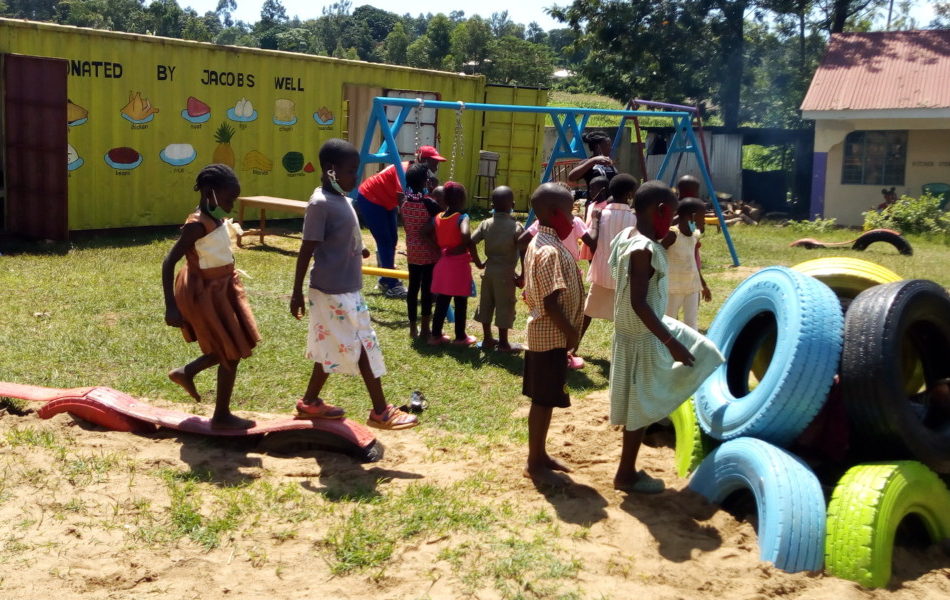
In 2024, schools and partners filled Moroni with laughter and movement, creating a day where all children could play side by side. Relay races and music circles lowered barriers; painting stations gave shy voices color; teachers saw empathy grow in real time. Families who had feared judgment watched their children welcomed without question; volunteers made sure every activity felt safe and inviting. The event shifted perception by letting joy lead; inclusion looked simple and beautiful in practice. Organizers closed with a call to carry this spirit back to classrooms and neighborhoods. What began as celebration became a model for daily life: togetherness, respect, and room for every child.
Top Grassroot Nonprofits Across Comoros
Meet the five grassroot organizations seeking to make extraordinary strides in improving the lives of Comoros’s children — one community at a time.
To get started, click on the image to visit the donation page, or click on the nonprofit’s name to access their homepage.
After donating on a partner site, click the purple globe icon to register your contribution in our data tables.
Remember, your support, whether it’s visiting their homepage, donating, or following their social media, will be crucial towards helping these nonprofits grow and amplify their efforts.