All Revenue From Ads Go to Advertising and Support for Nonprofits
Djibouti: Nurturing Childhood in the Heat of Hardship
Explore Djibouti:
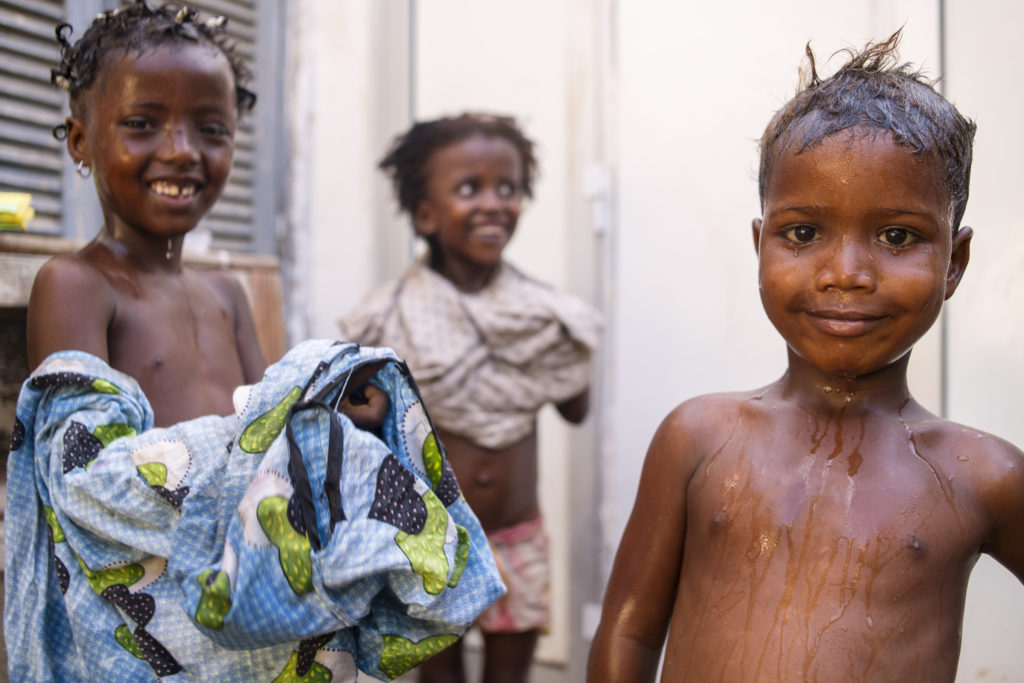
Djibouti is more than ports and heat, it is children facing drought, movement, and long paths to school while holding hope. From Balbala to the desert settlements of Dikhil and Ali Sabieh, their voices call for water, learning, and care, and we are here to respond.
The Situation for Children in Djibouti
Djibouti is a small but strategically important country, surrounded by instability and shaped by climate extremes. Though relatively peaceful, it remains deeply vulnerable to drought, food insecurity, and regional displacement — all of which profoundly impact its children. These are the three most urgent challenges they face:
Climate-Driven Food Insecurity and Water Scarcity
Recurring droughts have led to widespread hunger and limited access to clean water, especially in rural and nomadic areas. Malnutrition is rising among children, and schools often lack functioning water sources.
Strain From Refugee Influx and Regional Instability
Djibouti hosts thousands of refugees from Somalia, Ethiopia, and Yemen. Many refugee children live in overcrowded camps or urban slums with poor access to education and healthcare.
Gaps in Early Childhood Education and School Retention
While school enrollment is improving, many children — especially girls and children with disabilities — struggle to stay in school due to poverty, distance, and lack of inclusive support.
Despite these challenges, Djibouti’s children remain full of hope, dreaming of education, health, and opportunities for a better tomorrow.
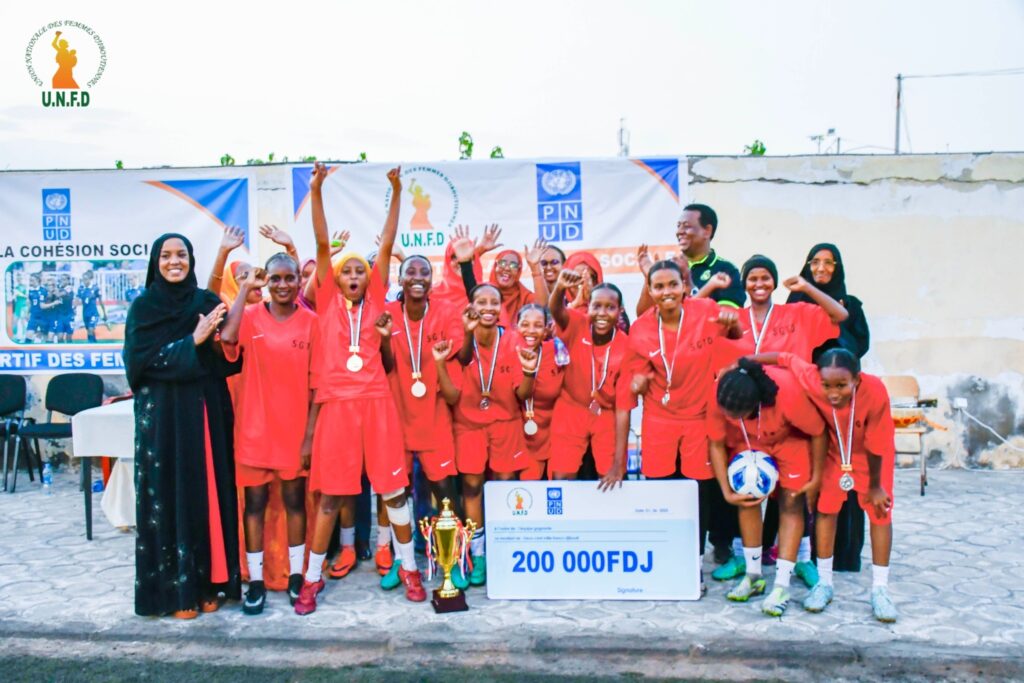
Key Contributor #1: Union Nationale des Femmes de Djibouti (UNFD)
Empowering Girls and Supporting Marginalized Children
Generations of advocates have turned attention into action: scholarships keep girls in class; mobile hygiene clinics and nutrition efforts protect health where services are thin. In rural areas and camps, volunteers reconnect children to school, solve small barriers like uniforms and transport, and remind families that education is worth the effort. Awareness sessions address early marriage and rights; mothers and fathers join the conversation and leave with tools they can use. The tone is practical and proud; progress is tracked child by child; dignity is the through line. What began as advocacy has grown into daily support that changes outcomes. When UNFD shows up, opportunity gets closer, and a path appears where none seemed to exist.
Key Contributor #2: Caritas Djibouti
Feeding, Teaching, and Caring for Refugee and Street Children
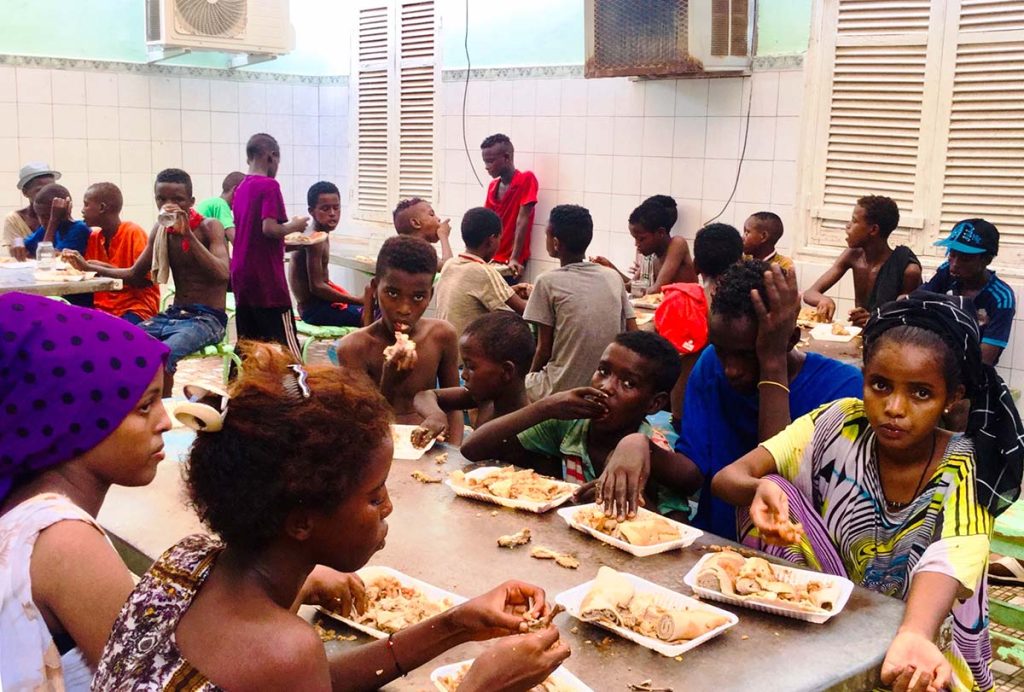
Drop in centers offer food, clean water, and lessons that are flexible enough for children who work or wander; a quiet corner becomes a classroom; a kind face becomes a reason to return. Basic health care is provided alongside literacy; social workers connect youth to safe housing and skills training that can lead to real income. The mix of mercy and structure is deliberate; it meets immediate needs while building a different future. In camps and city alleys, this presence signals that a child is not alone and that help is near. Consistency turns contact into relationship; relationship turns services into change. Many children feel seen here for the first time, and that sight is the beginning of everything else.
Key Event #1: School Feeding Initiative – Dikhil Region
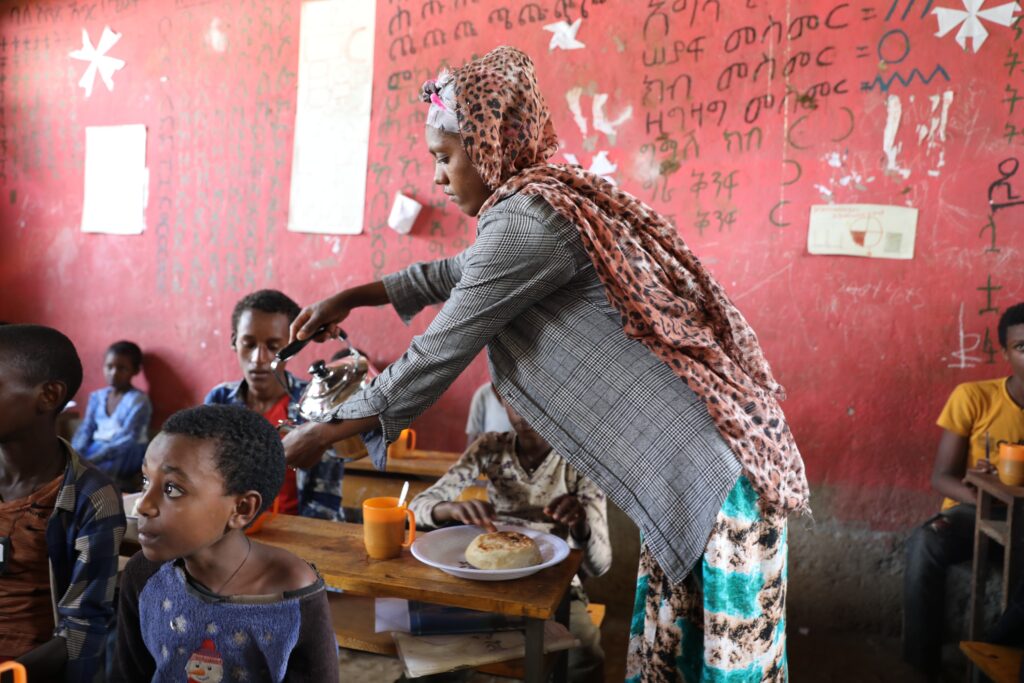
Combating Hunger With Education-Focused Nutrition
Classrooms in drought affected areas began serving warm meals, and attendance changed immediately; children stayed through lessons, teachers planned with confidence, and focus replaced fatigue. Local farmers supplied staples when possible; donors filled gaps; kitchens learned to stretch resources without losing quality. Parents organized rosters for cooking and cleaning; pride rose as lines formed each day. The impact went beyond calories; it restored a sense that school cares for the whole child. Smiles returned with energy; reading improved because hunger loosened its hold. A simple meal became the foundation for learning and the anchor that kept children coming back.
Key Event #2: Street Child Outreach Campaign – Balbala District
Bringing Learning and Care to Children Living Outside the System
Teams moved through markets and alleys with hygiene kits, health checks, and invitations to safe classrooms; boys and girls who had never enrolled tried a first session and stayed. Social workers listened before advising; they mapped sleeping spots and work routines, then built plans that fit reality. Trust grew visit by visit; children returned with friends; some chose apprenticeships when formal school felt too far. The campaign made contact with hundreds who had been invisible, and it proved that gentle persistence can pull youth toward protection. A month of outreach created footholds that programs can build on all year.
Top Grassroot Nonprofits Across Djibouti
Meet the five grassroot organizations seeking to make extraordinary strides in improving the lives of Djibouti’s children — one community at a time.
To get started, click on the image to visit the donation page, or click on the nonprofit’s name to access their homepage.
After donating on a partner site, click the purple globe icon to register your contribution in our data tables.
Remember, your support, whether it’s visiting their homepage, donating, or following their social media, will be crucial towards helping these nonprofits grow and amplify their efforts.