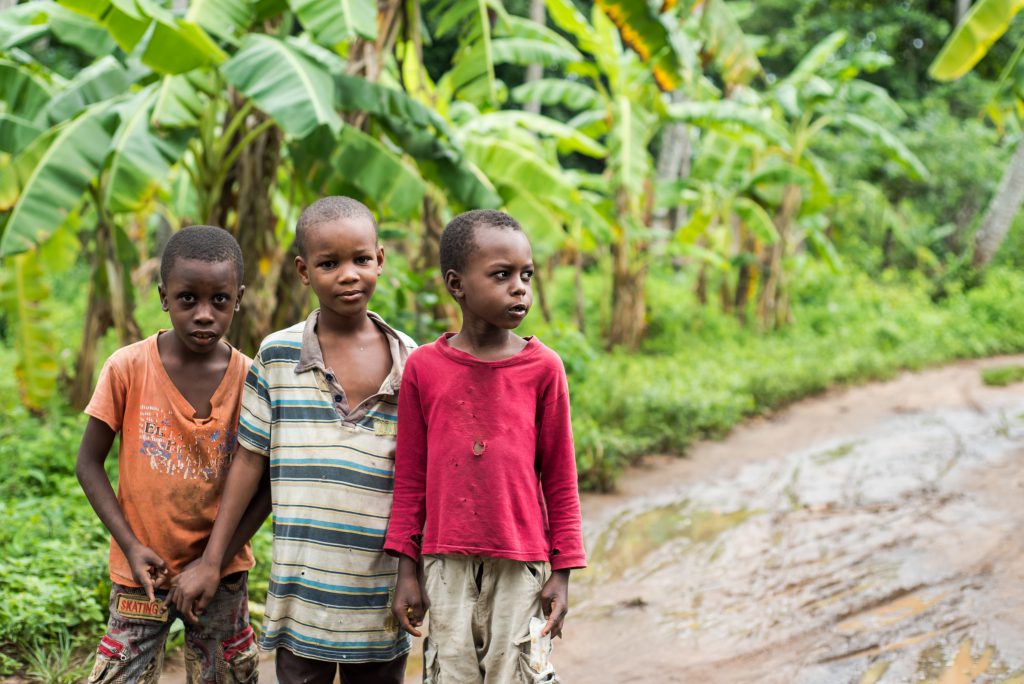
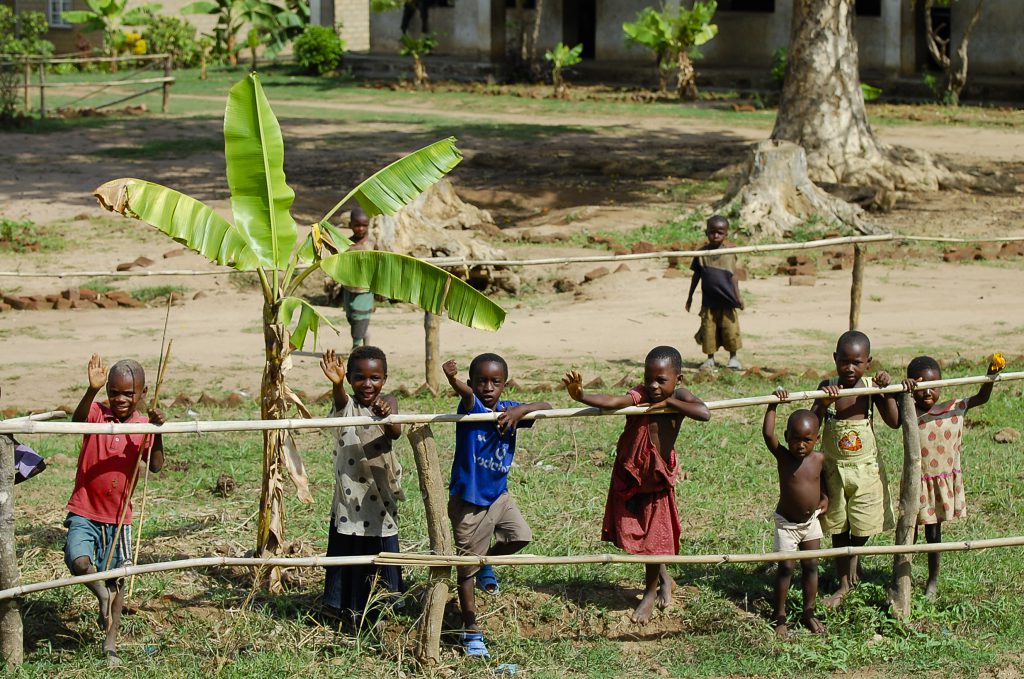
Equatorial Guinea is more than oil platforms and bright boulevards, it is children navigating inequality, exclusion, and narrow paths to care. From Bata to the island of Annobón, their voices ask for inclusion and access, and we are here to help carry them.
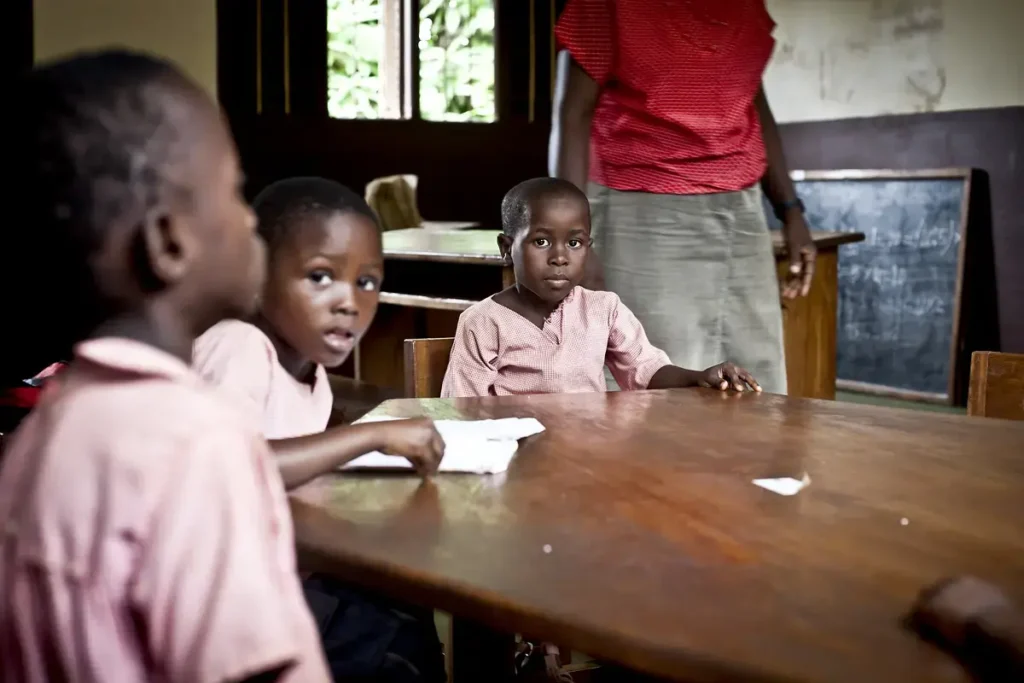
Many schools lack trained teachers, textbooks, or functioning infrastructure — especially in rural areas and on islands like Annobón. Children in low-income families often drop out early or never attend at all.
Despite state resources, basic healthcare for children remains out of reach for many. Vaccination rates are low, and many children die from preventable diseases like pneumonia or malaria due to inaccessible or poorly equipped clinics.
Children with disabilities and those from marginalized communities often face stigma, isolation, and lack of access to school or healthcare. There are few support systems or inclusive services to ensure their rights and well-being.
In crowded neighborhoods where supervision is thin and streets pull children away from books, the center offers a steady room, a small meal, and tutors who never tire of explaining one more time. Homework turns into understanding; reading practice becomes pleasure; quiet corners let emotions settle so learning can take root. Volunteers greet each child by name; social support meets basic needs that keep school possible; games and group time rebuild the habits of friendship. Staff watch closely for those who slip, call homes, and walk students back when confidence breaks. Care is woven into every task; the tone is patient and warm; progress is measured in pages read, absences reduced, voices growing clear. For many, it is the only part of the day designed for their success, and that design changes what tomorrow can be.
Where roads are rough and clinics are far, mobile teams arrive with vaccines, basic medicine, and the calm instruction that turns anxiety into action. Parents learn how to track growth and prevent illness; children are screened, treated, and guided toward follow up. School projects repair roofs, place desks, and supply books so classrooms can function; local teachers receive training that lifts quality beyond the first week. Water tanks appear beside buildings; sanitation improves; time in class increases because small problems are solved before they grow. The approach is holistic and grounded in partnership, it respects local leadership and builds capacity while meeting immediate needs. A village feels the difference when trucks pull in; a child feels it when lessons become daily and health becomes normal. Equity moves from idea to routine.
Villages that once sent children walking for hours saw small schools rise within reach; desks and chalkboards arrived, and trained local teachers set predictable schedules. Parents mixed cement, carried timber, and signed up for maintenance days that kept pride close to practice. For the first time, the youngest learners could start on time, eat at home, and return without danger; older siblings stayed in class longer because their energy was not spent on the road. Home visits helped those falling behind; water storage supported hygiene and attendance. The project did not just build rooms, it built belonging, and made education a local right rather than a distant hope. Learning took its proper place in daily life, and the community guarded it.
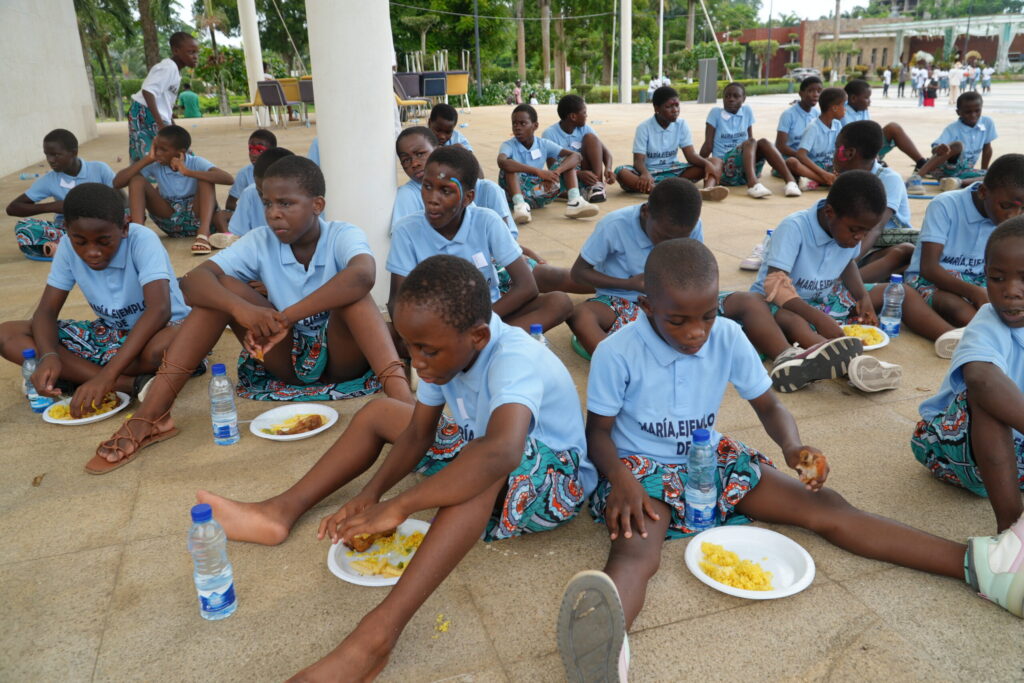
A plaza filled with games, art, and performances where children with disabilities were not hidden at the edges but welcomed to the center; families watched barriers melt in the space of an afternoon. Teachers received simple inclusion toolkits; advocates explained rights with clarity; peers discovered friendship where stigma once stood. Parents told hard stories and found neighbors who finally listened; joy replaced pity; respect replaced avoidance. The day ended with a public commitment to keep doors open in schools and clinics and to measure success by access as well as achievement. Many children were seen fully for the first time, and that sight changed minds. Awareness became relationship; relationship became support; dignity became the shared standard.
Local foundation in Bata delivering surgery missions, education support, inclusive sports, and social entrepreneurship programs across the country.
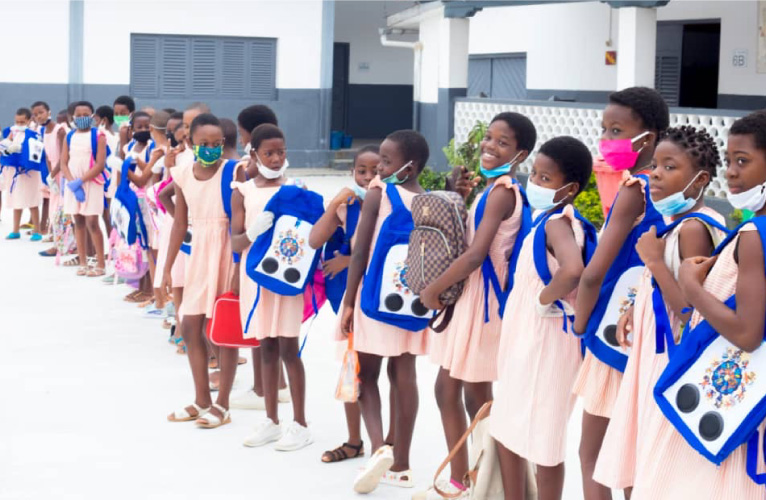
Tech foundation in Malabo closing the digital divide with training for girls and youth and community programs like TEG Campus.
Nonprofit focused on Equatorial Guinea that supports victims, trains defenders, and challenges corruption while engaging youth.
Public health organization with programs in malaria control, cervical cancer screening, and health systems strengthening in Equatorial Guinea.
Network that supports schools and youth centers in Equatorial Guinea and funds infrastructure like wells and classrooms.