All Revenue From Ads Go to Advertising and Support for Nonprofits
Eswatini: Protecting Childhood in the Shadow of Loss and Inequality
Explore Eswatini:
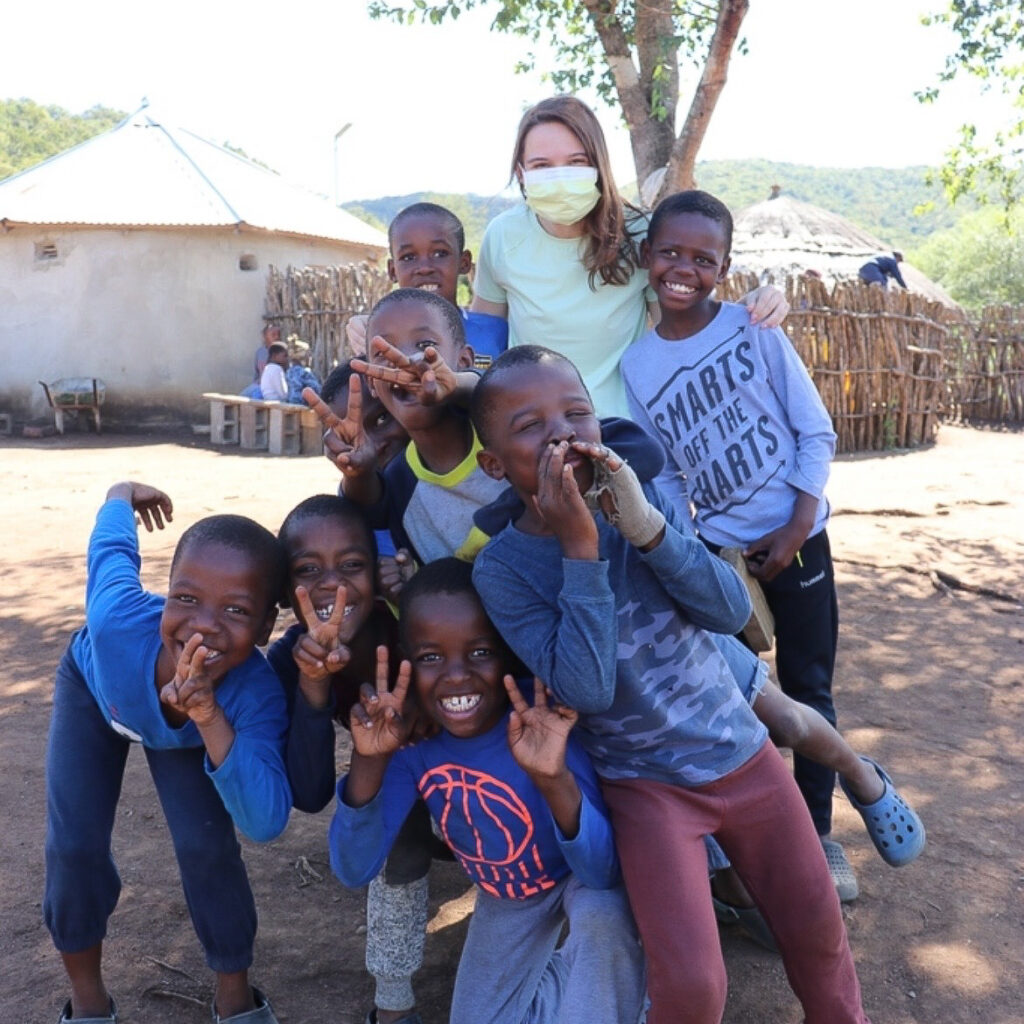
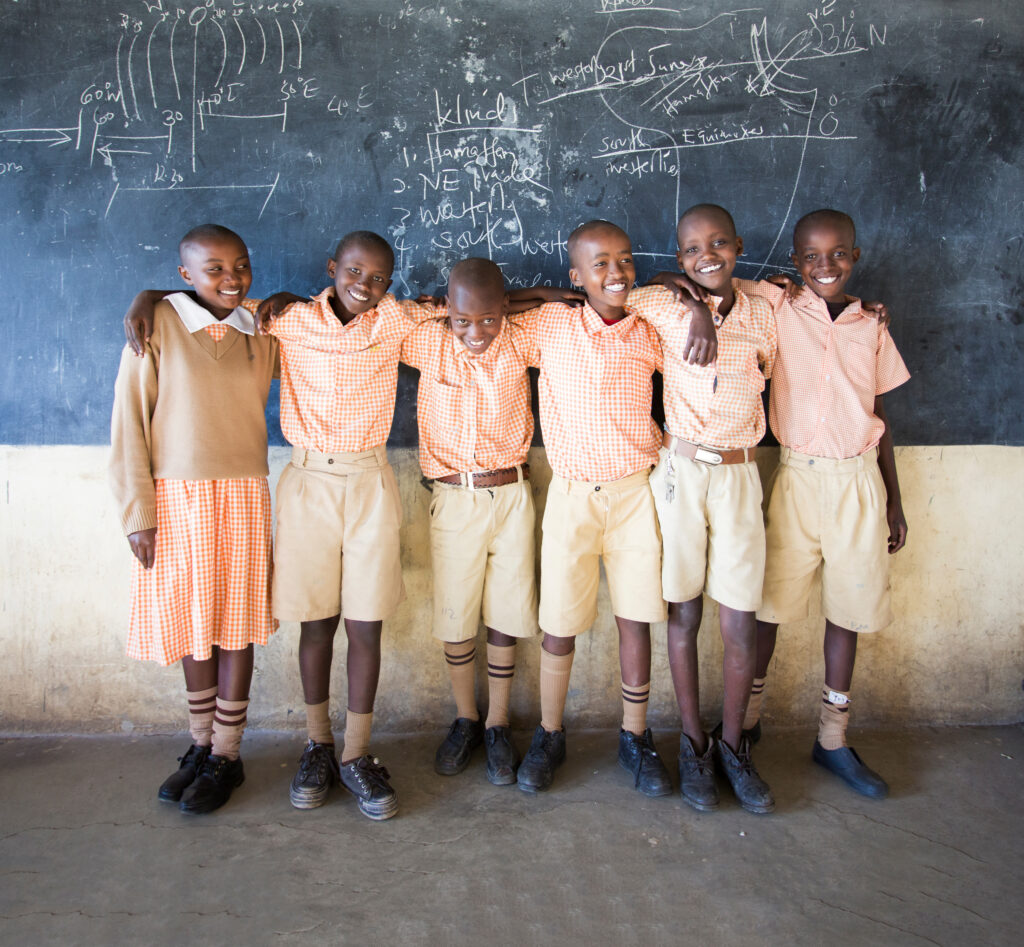
Eswatini is more than hills and ceremony, it is children living with loss, illness, and stigma while reaching for belonging. From Mbabane to the homesteads of Shiselweni and Lubombo, their voices ask for safety and love, and we are here to answer.
The Situation for Children in Eswatini
Eswatini (formerly Swaziland) has one of the highest HIV rates in the world, leaving hundreds of thousands of children orphaned or vulnerable. Though peaceful and stable in many ways, the country faces deep inequality and limited access to youth-centered care. These are the three most urgent challenges facing children today:
Orphanhood and the Impact of HIV/AIDS
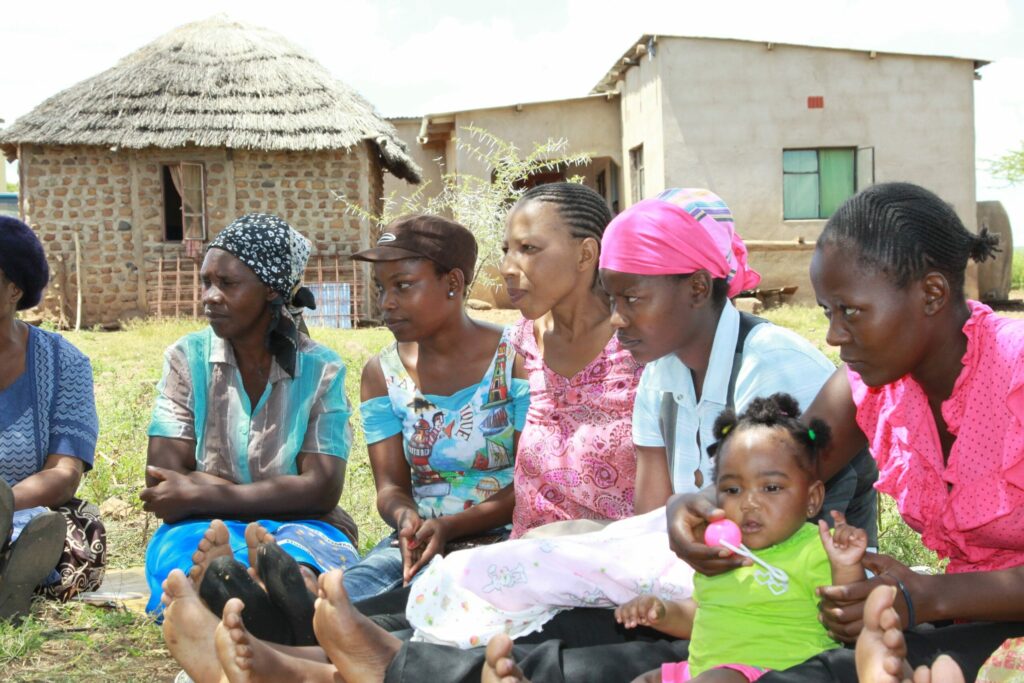
Over 45% of Eswatini’s children have lost one or both parents, mostly due to HIV/AIDS. Many live with elderly relatives or head households themselves, often without consistent emotional or financial support.
Children affected by grief, trauma, or abuse rarely receive counseling. Cultural taboos often prevent children from speaking about mental health or sexual violence, leaving many to suffer in silence.
Barriers to Quality Education for Rural and Poor Youth
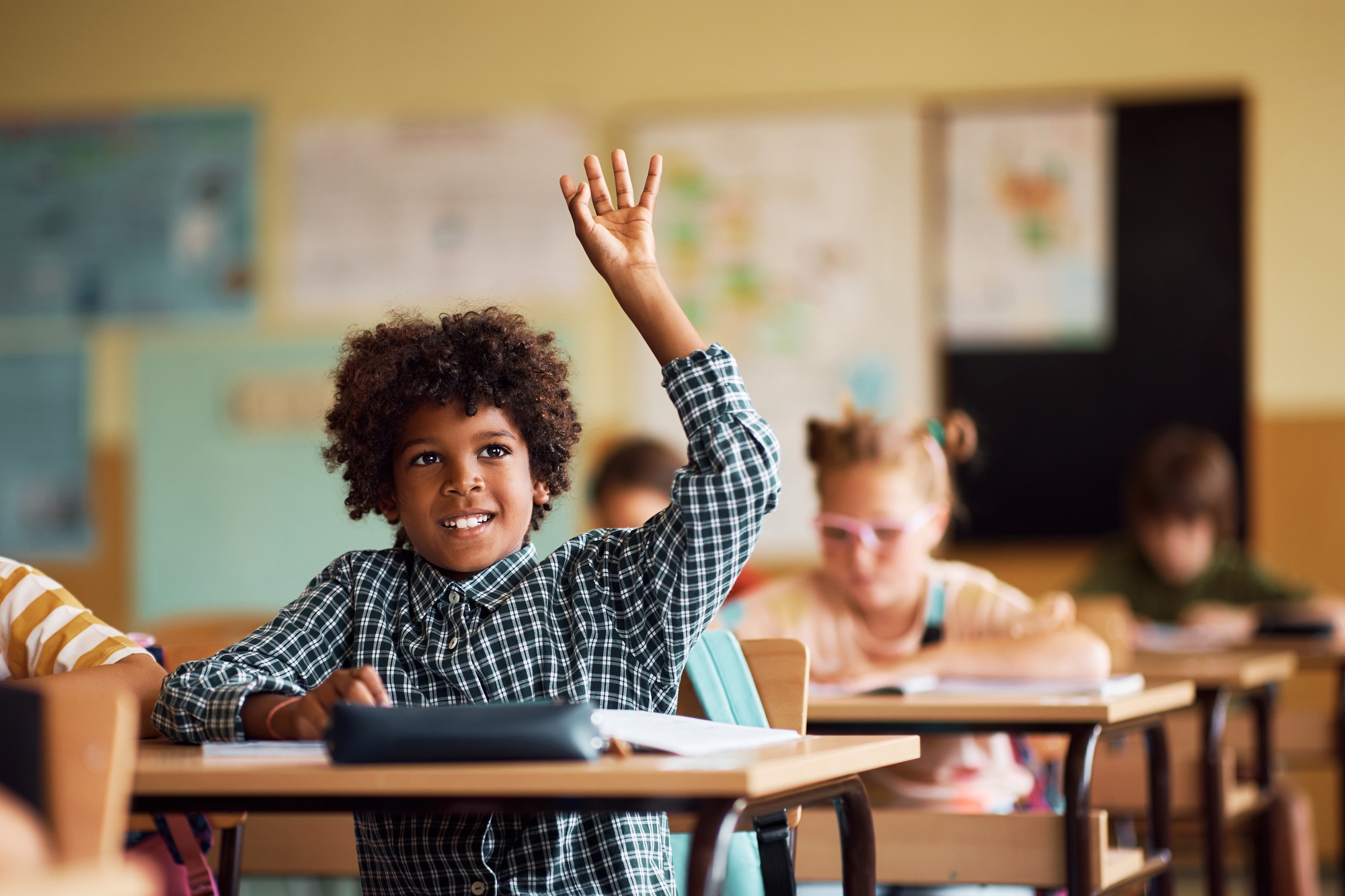
While primary education is technically free, costs for uniforms, transportation, and food keep many rural children out of school. Classrooms are overcrowded, and children with disabilities are often excluded altogether.
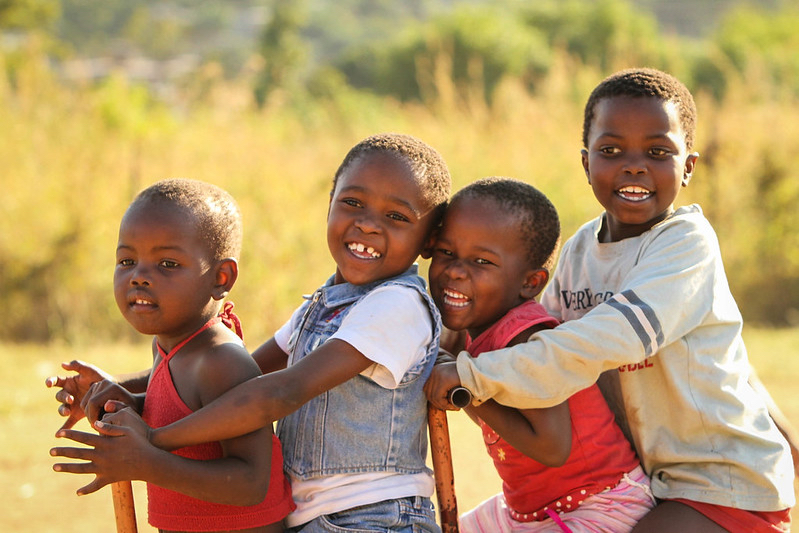
Despite these challenges, Eswatini’s children remain full of hope, dreaming of education, health, and opportunities for a better tomorrow.
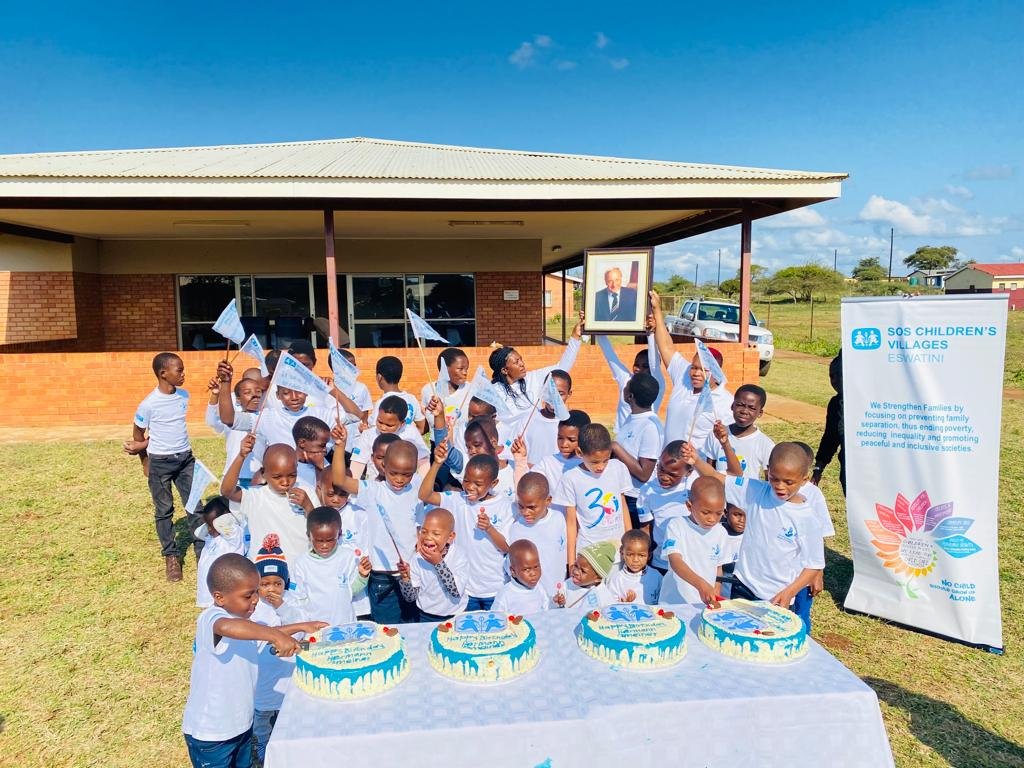
Key Contributor #1: SOS Children’s Villages Eswatini
Giving Orphans a Home, Education, and a Future
Family style homes replace fear with routine; caregivers provide stability that lets children breathe, learn, and dream without flinching. Schools and training centers build skills that translate to real work; tutors and mentors close gaps left by grief and poverty. Community teams prevent family breakdown where possible, helping relatives keep children with them through support that respects culture and need. The approach is simple and profound: safety first, then school, then purpose. Over time, attendance rises, grades improve, and small joys return to the day. A child who once counted losses begins to count wins. The village model reminds a country that healing is not an idea, it is a place, a table, a voice that says welcome and means it.
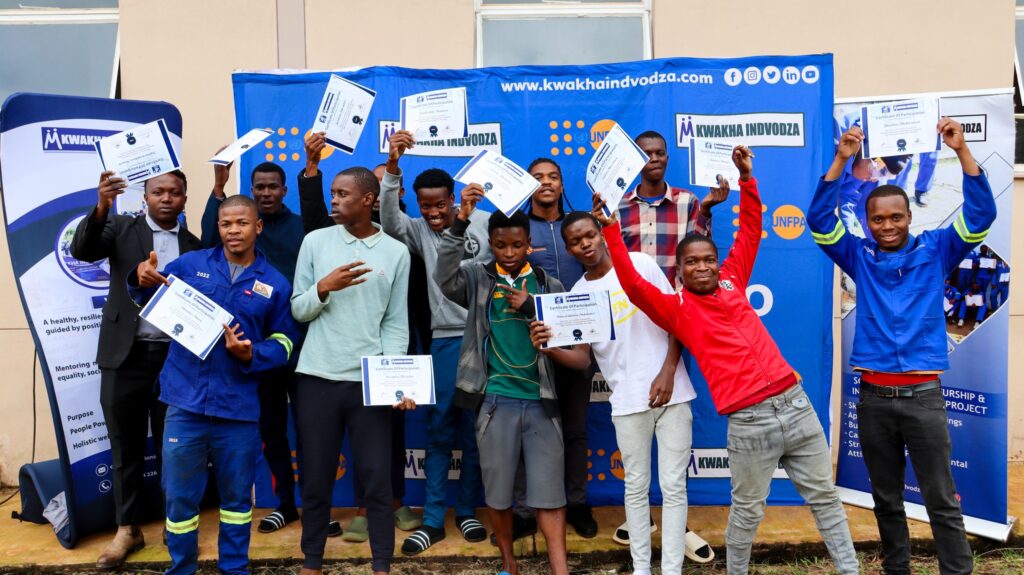
Key Contributor #2: Kwakhanya Life Project
Restoring Emotional Health Through Mentorship and Counseling
Teachers and social workers built spaces where feelings are not a secret, where group circles and one to one sessions let children name what happened and plan what comes next. Older youth mentor younger peers; storytelling, games, and guided reflection teach coping without shame. Counselors visit schools and neighborhoods; quiet check ins prevent crises; parents learn how to listen and respond. The project treats vulnerability as strength in motion; it meets silence with patient questions; it honors progress that is small and steady. Children begin to sleep, to focus, to show up for class; friendships mend; confidence grows. The work is tender and disciplined, and it teaches everyone involved that mental health is part of learning, part of life, part of rebuilding community.
Key Event #1: Village Hope Clubs – Shiselweni Region
Bringing Laughter and Learning to Orphaned Children
Saturdays filled with games, songs, and warm meals became lifelines for children carrying grief; tutors set up reading corners, elders told stories, and shy voices began to rise. Attendance held because the welcome was real; leadership rotated so responsibility was shared; small goals turned into visible gains. Nutrition eased headaches and hunger; learning felt possible again; friendships formed that lasted beyond the club hours. Grandparents and neighbors cooked, cleaned, and kept watch, turning a program into a community habit. The clubs did not solve every problem, but they created a place where joy could return and where children could practice being children. That practice is powerful, and it changes how a week feels.
Key Event #2: Safe Voices Campaign – Mbabane
Breaking the Silence Around Child Abuse and Mental Health
Survivors, students, and artists filled public spaces with poetry, murals, and conversations that refused to look away; counselors offered private sessions nearby so courage had a place to land. Workshops taught simple tools for support at home and in school; speakers named harm and modeled healing; the city listened. Media coverage widened the message; teachers carried it back to classrooms; parents carried it back to dinner tables. The campaign made protection a shared task rather than a whispered wish. It began with a single gathering and grew into ongoing dialogue that treats children’s safety as common ground. Silence lost its grip, and a new standard took root.
Top Grassroot Nonprofits Across Eswatini
Meet the five grassroot organizations seeking to make extraordinary strides in improving the lives of Burundi’s children — one community at a time.
To get started, click on the image to visit the donation page, or click on the nonprofit’s name to access their homepage.
After donating on a partner site, click the purple globe icon to register your contribution in our data tables.
Remember, your support, whether it’s visiting their homepage, donating, or following their social media, will be crucial towards helping these nonprofits grow and amplify their efforts.