All Revenue From Ads Go to Advertising and Support for Nonprofits
The Gambia: Defending Childhood Along the River of Dreams
Explore The Gambia:
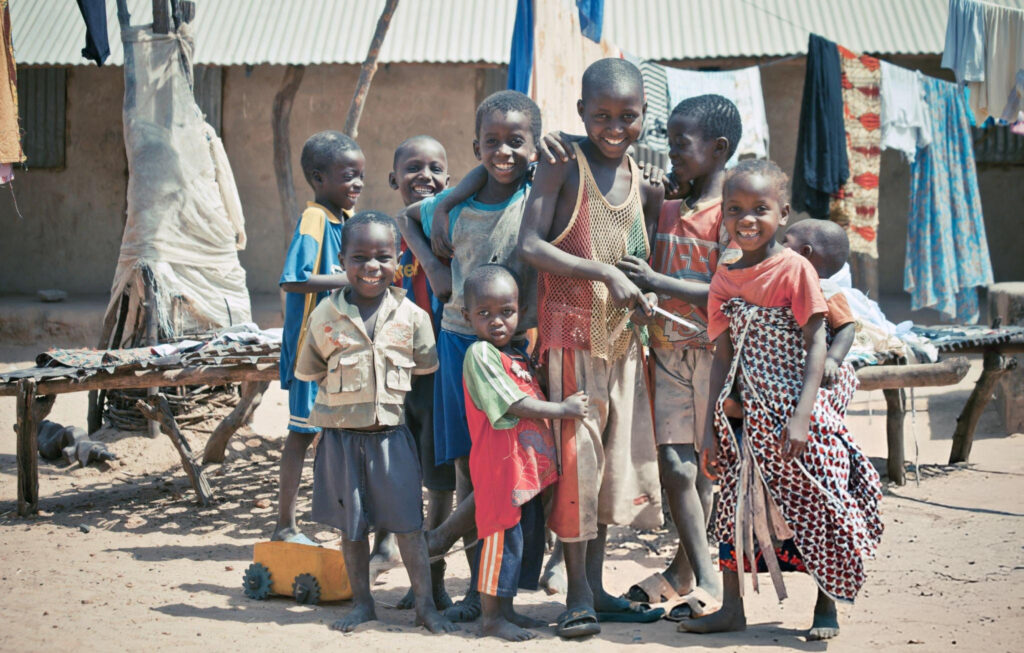
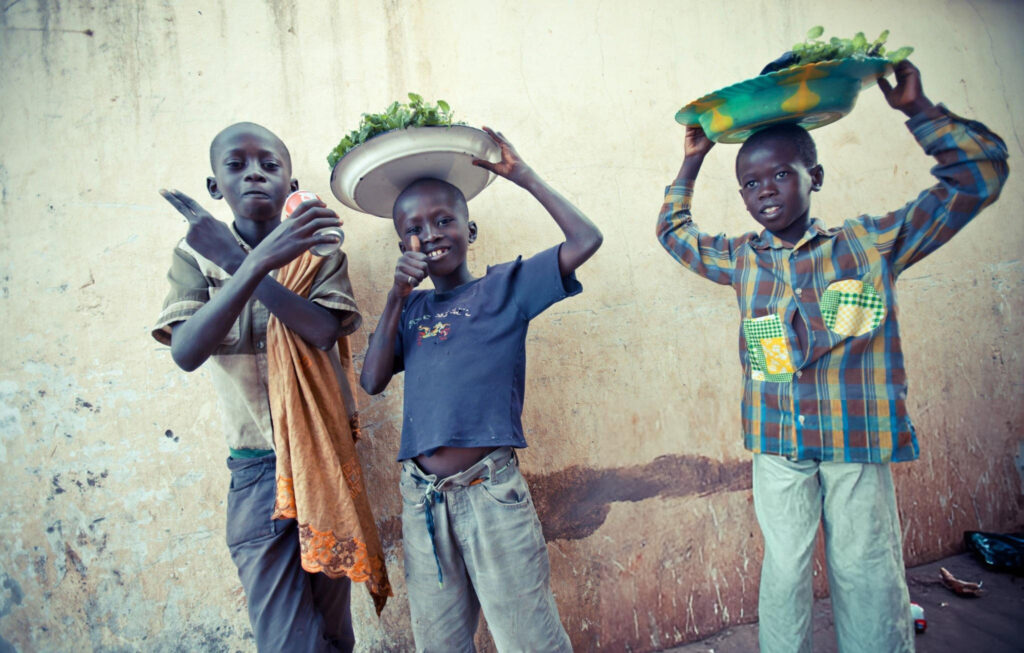
The Gambia is more than river bends and ferries, it is children striving for health, education, and dignity with grit. From the dusty roads of the Upper River to the busy alleys of Serrekunda, their stories are often muted, and that is why we are here.
The Situation for Children in The Gambia
The Gambia is peaceful and proud, stretching like a ribbon along its river. But despite relative stability, its children face systemic barriers that prevent them from reaching their full potential. These are the three most urgent challenges they face:
High Rates of Early Marriage and Gender-Based Harm
Nearly 1 in 3 girls is married before the age of 18. Harmful traditional practices like child marriage and FGM continue in some rural areas, limiting girls’ freedom, education, and safety.
While access to primary education has expanded, poverty, long distances, and social pressure keep many children — especially girls — from staying in school. Secondary school attendance is still low in remote areas.
Many children live in households with no stable income or social safety net. Child labor, food insecurity, and limited access to basic health care are common, especially outside Banjul.
Despite these challenges, Gambia’s children remain full of hope, dreaming of education, health, and opportunities for a better tomorrow.
Key Contributor #1: Safe Hands for Girls – Gambia Chapter
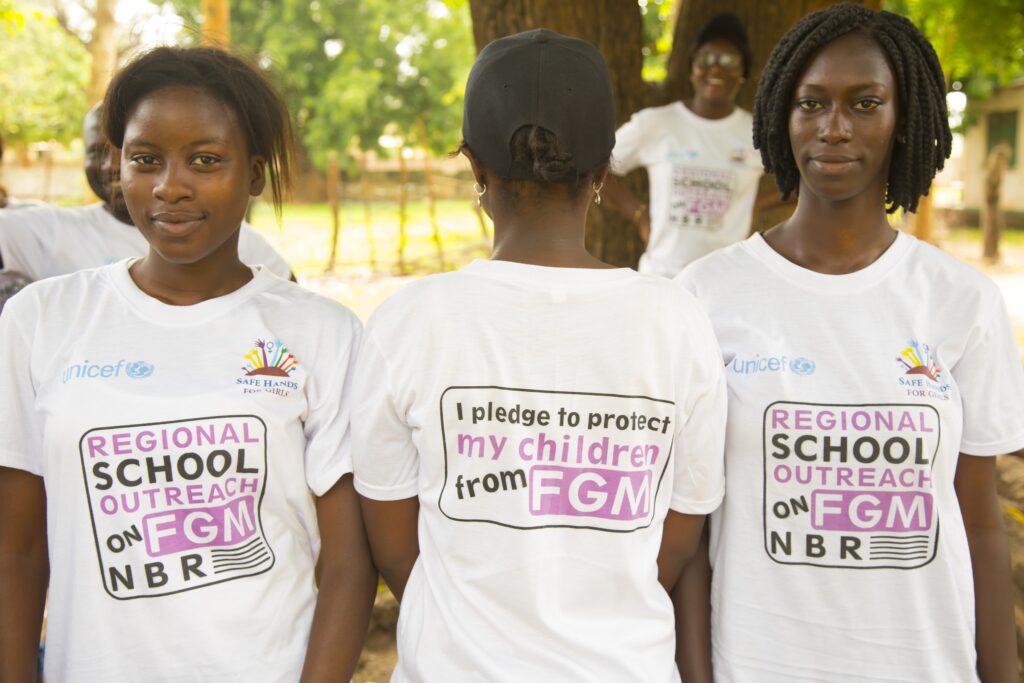
Ending FGM and Empowering Girls With Education and Voice
Survivors lead with courage; they meet girls in village halls and schoolrooms; they offer knowledge, counseling, and care. Sessions make space for questions; myths are replaced with truth; bodies are named with respect. Religious and traditional leaders join dialogues; parents hear testimonies; communities begin to weigh harm against love. Scholarships and safe spaces help girls stay in school; mentors stay present; trust grows. Over time, choices shift; more girls choose class over ceremony; more families choose protection over pressure.
Key Contributor #2: Concerned Youth Association (CYA)
Supporting Rural Youth Through Health, Education, and Advocacy
Peer educators travel by footpaths and riverboats; they bring lessons on health, consent, and confidence. Youth clubs become anchors; students discuss stress; they learn where to seek help; they practice leadership through service. Scholarships and retention support keep the school day steady; small grants help families cover costs that push children out. Dialogues invite boys to be allies; teachers see calmer classrooms; dropout rates begin to fall. The result is a network of care that reaches the last compound on the last road.
Key Event #1: Girls' Caravan – Upper River Region
Taking Advocacy and Education Into the Heart of Rural Communities
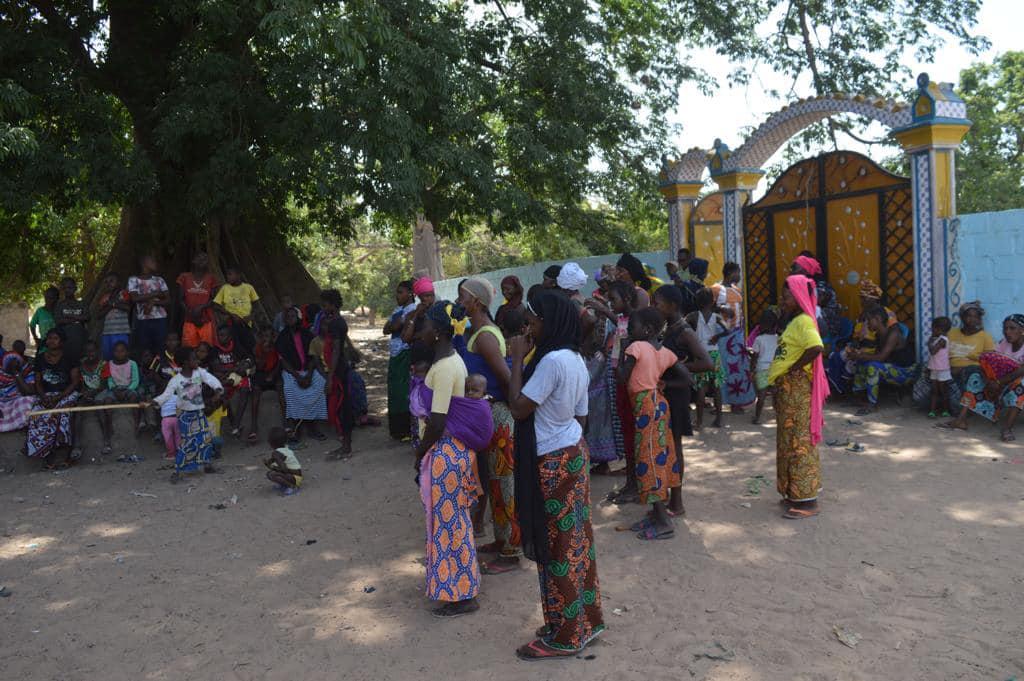
A bright convoy rolled into villages with songs and open forums; girls and parents gathered under trees to learn and share. Workshops covered health, early marriage, and rights; materials were handed out; follow up lists were made. For many, it was the first chance to speak in public; voices shook at first, then steadied; courage spread from row to row. Enrollments followed; mentors kept in touch; the road itself became a classroom; the journey turned into change.
Key Event #2: School Lunch Revival – Kiang West
Feeding Bodies and Minds to Keep Children in School
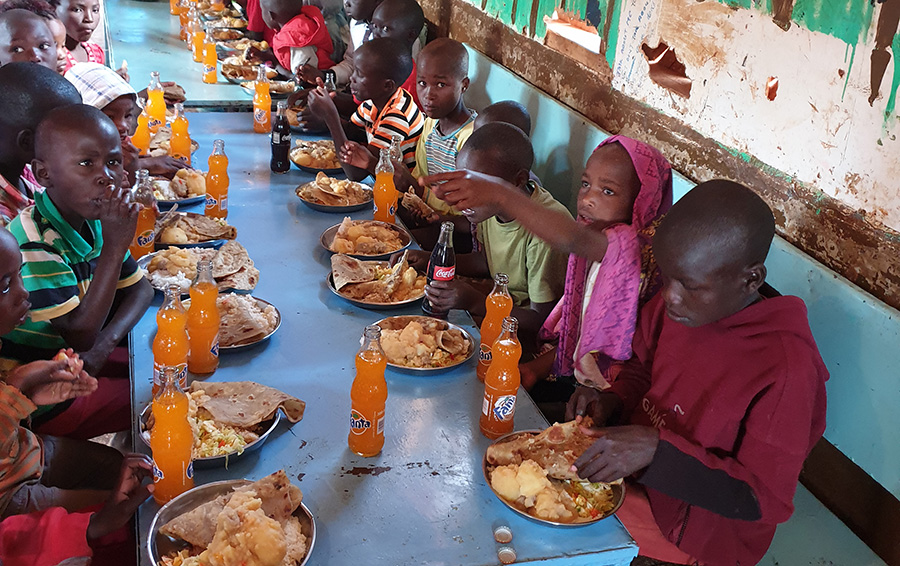
Teachers and parents rebuilt a simple promise: no child studies well on an empty stomach. With support from local farms, pots simmered again; rice, beans, and groundnut stew welcomed children at midday. Attendance rose within weeks; afternoon lessons no longer felt impossible; energy returned to playtime and reading circles. The program showed how a meal can anchor a school day; it turned hunger into focus; it kept doors open for the smallest learners.
Top Grassroot Nonprofits Across Gambia
Meet the five grassroot organizations seeking to make extraordinary strides in improving the lives of Burundi’s children — one community at a time.
To get started, click on the image to visit the donation page, or click on the nonprofit’s name to access their homepage.
After donating on a partner site, click the purple globe icon to register your contribution in our data tables.
Remember, your support, whether it’s visiting their homepage, donating, or following their social media, will be crucial towards helping these nonprofits grow and amplify their efforts.