All Revenue From Ads Go to Advertising and Support for Nonprofits
Ghana: Creating Opportunity Where Childhood Meets Challenge
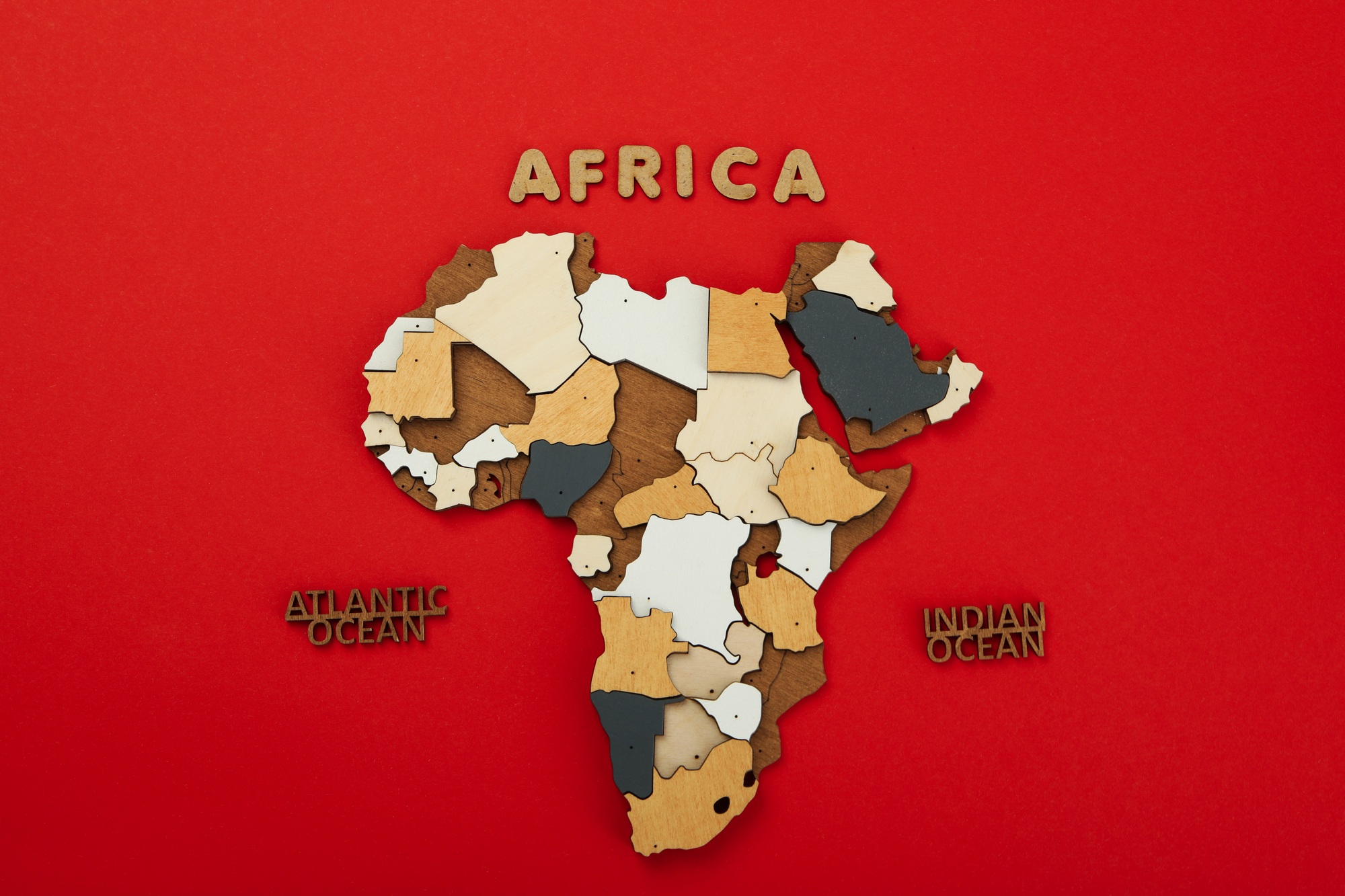
Explore Ghana:
Ghana is more than coastlines and markets, it is children pushing through every barrier for health, learning, and dignity. From fishing villages on the Volta to the crowded lanes of Accra, some voices are still ignored, and that is why we are here.
The Situation for Children in Ghana
Ghana is known for its stability, cultural pride, and growing economy — but not every child has a chance to share in that progress. Millions still face barriers tied to poverty, discrimination, and outdated practices. These are the three most urgent challenges Ghanaian children face:
Child Labor in Informal and Dangerous Work
Over 1.9 million children in Ghana are engaged in child labor — including in fishing, farming, street vending, and mining. Many are exposed to physical danger, school dropout, and long-term trauma.
Exclusion of Children With Disabilities From School and Society
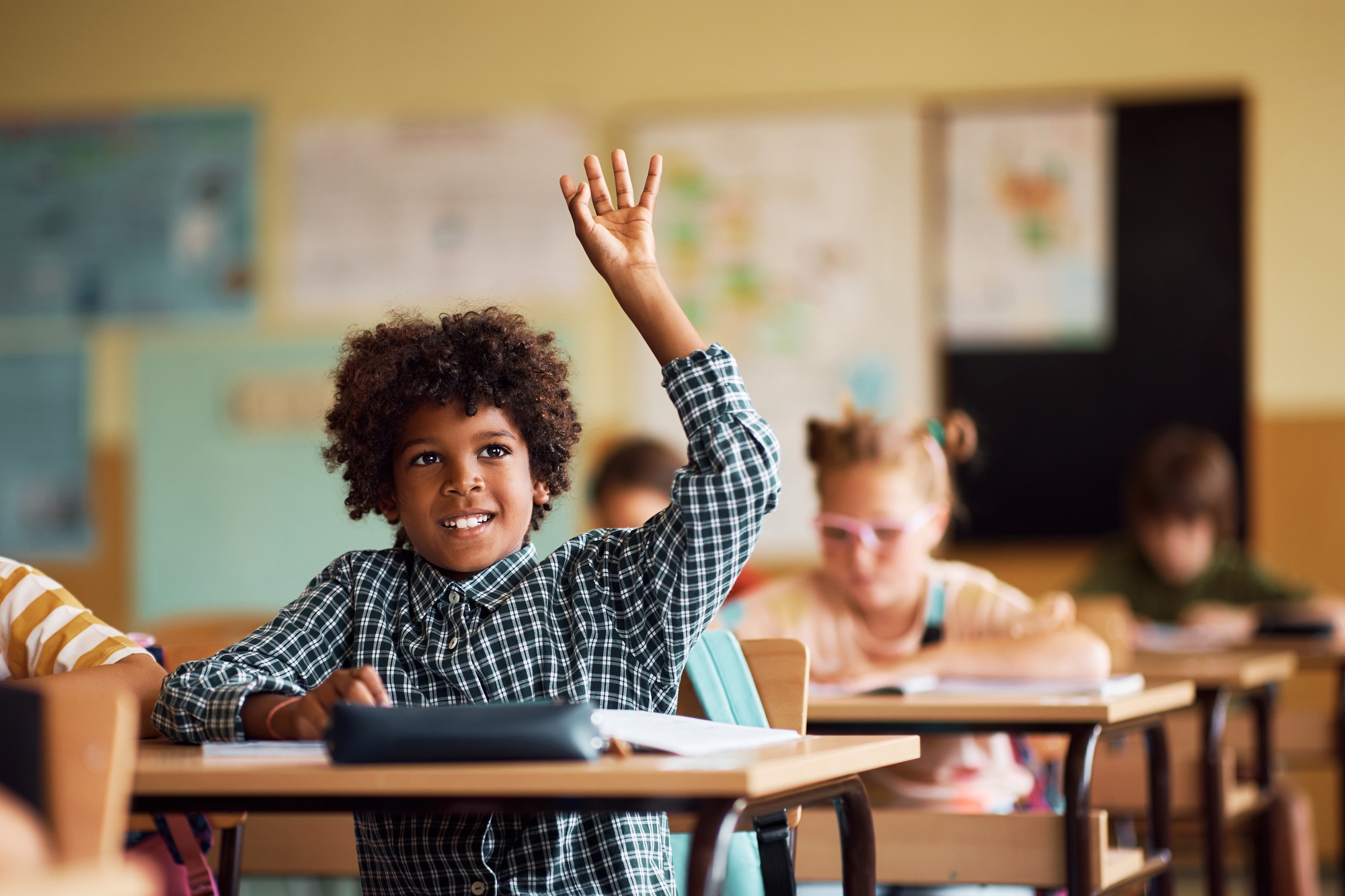
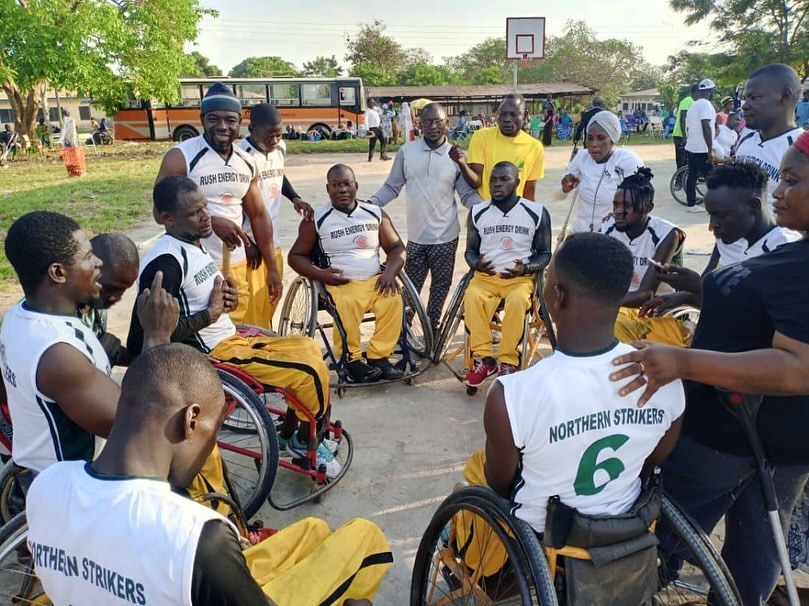
Children with disabilities are often kept out of school due to stigma, inaccessible buildings, or lack of trained teachers. Many are hidden at home and denied the chance to socialize, learn, or participate fully in community life.
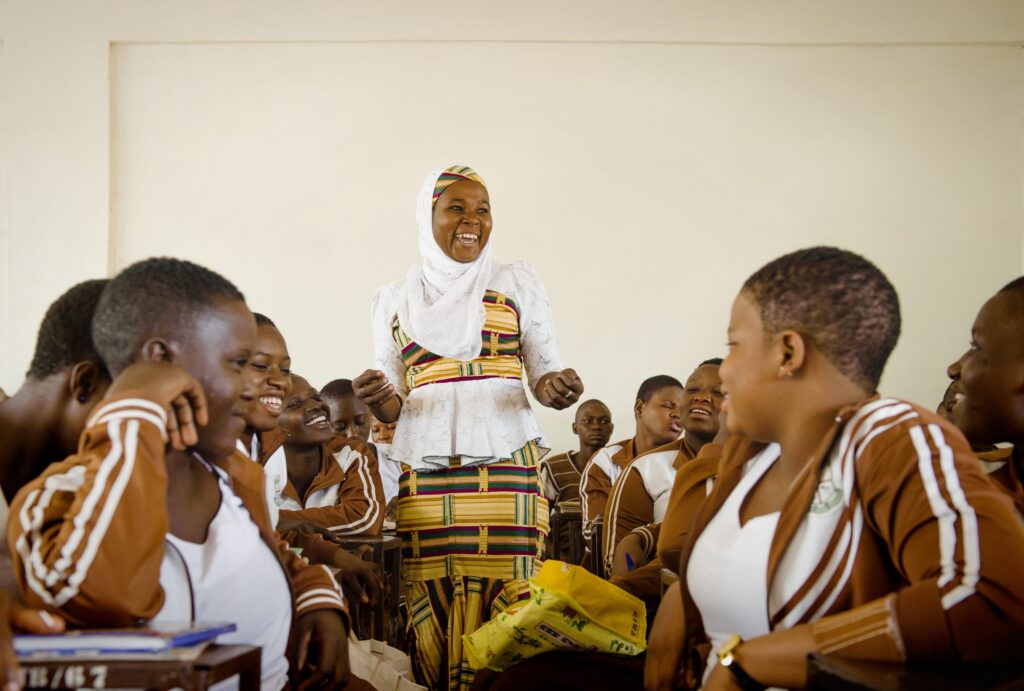
In northern and rural regions, girls face pressure to drop out early due to child marriage, poverty, or gender roles. Without strong support systems, they fall behind in literacy, confidence, and leadership.
Despite these challenges, Ghana’s children remain full of hope, dreaming of education, health, and opportunities for a better tomorrow.
Key Contributor #1: Right to Play – Ghana
Using Play to Keep Kids in School and Heal Trauma
Children learn best when their bodies move and their minds feel safe; play opens doors that fear keeps shut. Right to Play turns fields, courtyards, and classrooms into spaces for healing; games teach reading, teamwork, and trust. Coaches model respect; they show boys and girls how to resolve conflict with words, not fists; they help teachers keep children in school when home is unstable. In places shaped by poverty or loss, play lowers the noise of worry; a ball becomes a chance to listen, to breathe, to try again. Lessons stick; attendance rises; children discover that learning can feel like joy, and that joy can be a path back to school.
Key Contributor #2: Challenging Heights
Rescuing Children from Trafficking and Reclaiming Childhood
On the lakes and in the towns where work steals childhood, Challenging Heights brings children home; rescue is only the first step. Staff meet each child with shelter, counseling, and school enrollment; caregivers receive support so return is safe and lasting. Community teams confront the lies that make trafficking seem normal; they build watch groups; they guide families toward livelihoods that do not cost a child’s future. Each reunion is careful; each classroom seat regained is a promise that recovery can be steady. In time, children laugh again; they read again; they learn to trust their own voices; the cycle of harm starts to break.
Key Event #1: School-on-the-Boat – Volta Lake
Learning on Water for Children Rescued from Lake Trafficking
When shoreline classrooms are too far and roads do not exist, school can float; this boat carries books, teachers, and hope. Children rescued from hard work meet lessons that move with them; reading practice shares space with songs and simple counseling. Parents and local leaders come aboard for conversations about safety; they see school as protection, not a luxury. Every docking becomes an invitation to continue learning on land; confidence grows; the lake that once held them in labor now delivers them toward a future.
Key Event #2: Play to Learn – Tamale
Trauma Healing and School Retention Through Play
In the heat of the schoolyard, structured play helps children name feelings and build friendships; teachers notice fewer fights and fewer absences. Simple games carry lessons in letters and numbers; they also teach listening, patience, and care. Caregivers join community sessions; they learn how stress shows up in a child and how to respond with love and routine. Progress looks like mornings without fear; afternoons with homework; evenings with rest; a child who once avoided school stays through the week and begins to dream again.
Top Grassroot Nonprofits Across Ghana
Meet the five grassroot organizations seeking to make extraordinary strides in improving the lives of Ghana’s children — one community at a time.
To get started, click on the image to visit the donation page, or click on the nonprofit’s name to access their homepage.
After donating on a partner site, click the purple globe icon to register your contribution in our data tables.
Remember, your support, whether it’s visiting their homepage, donating, or following their social media, will be crucial towards helping these nonprofits grow and amplify their efforts.