All Revenue From Ads Go to Advertising and Support for Nonprofits
Guinea: Protecting Childhood in the Margins of Poverty and Promise
Explore Guinea:
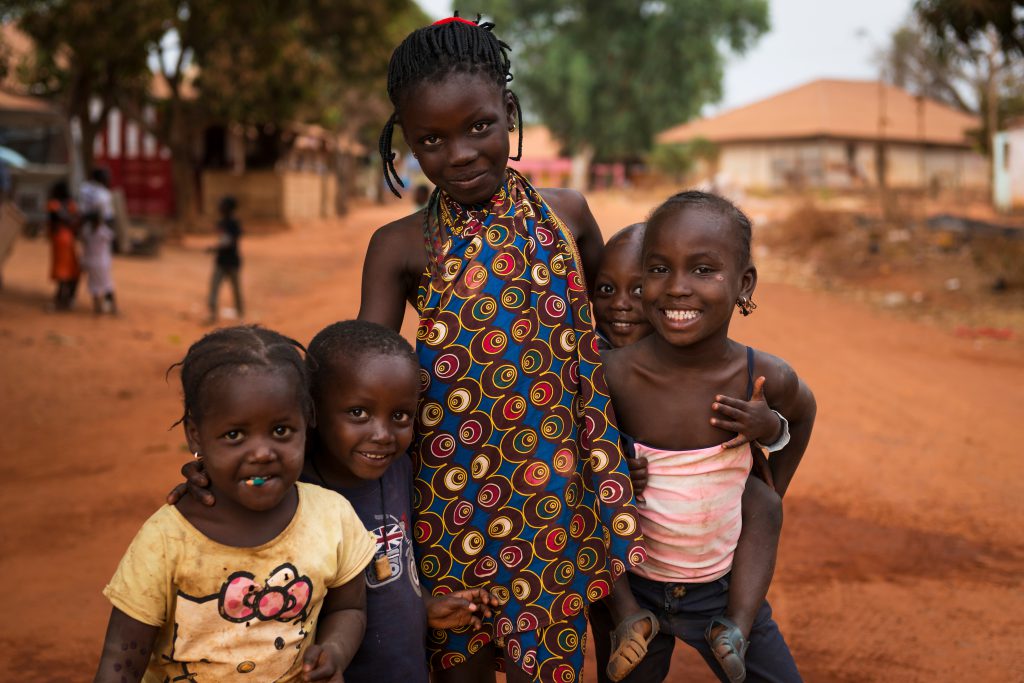
Guinea is more than mountains and mines, it is children reaching for health, education, and dignity against long odds. From busy Conakry streets to the highlands of Labé and the gold towns of Siguiri, too many stories go unheard, and that is why we are here.
The Situation for Children in Guinea
Guinea is home to immense natural wealth and a vibrant culture, yet millions of children grow up facing deep inequality and limited support. From rural villages to mining towns, they face conditions that hinder learning, safety, and self-worth. These are the three most urgent issues:
High Rates of Child Labor in Mining and Agriculture
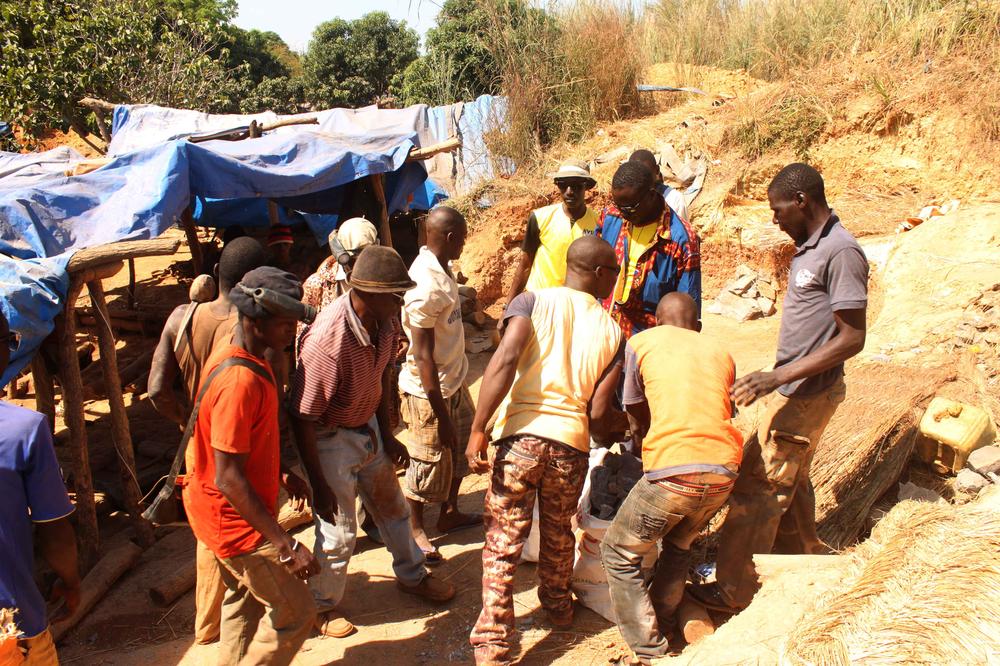
Thousands of children work in gold mines and on farms, often in unsafe, informal settings. Many begin working as early as age 7 and drop out of school due to poverty and family pressure.
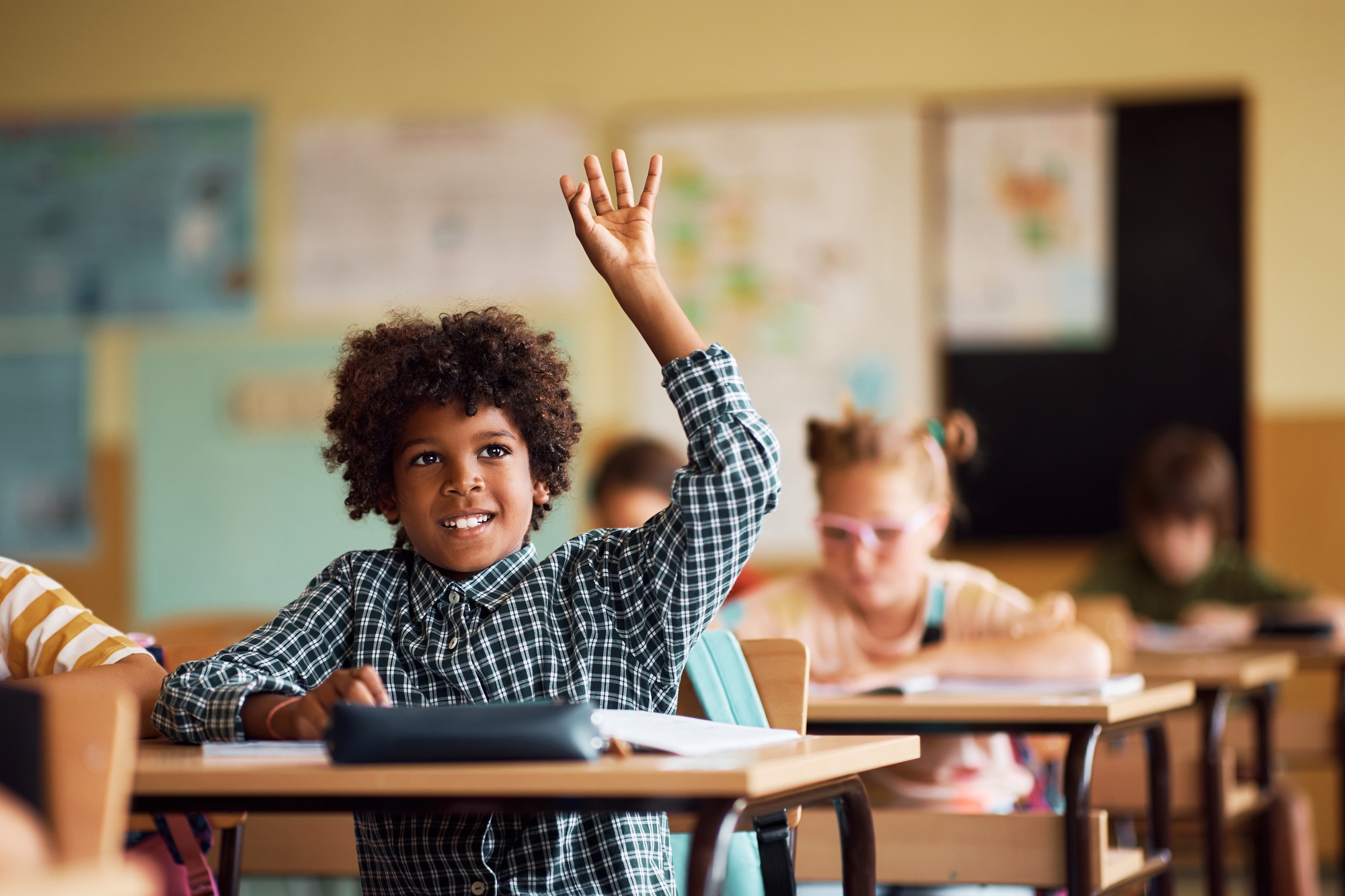
Though enrollment has improved, schools in rural Guinea are often overcrowded or under-resourced. Girls, in particular, drop out due to early pregnancy, child marriage, or long travel distances to school.
Female genital mutilation (FGM) remains widespread despite laws against it. Girls are often cut before adolescence, leading to lifelong trauma, health complications, and interrupted education.
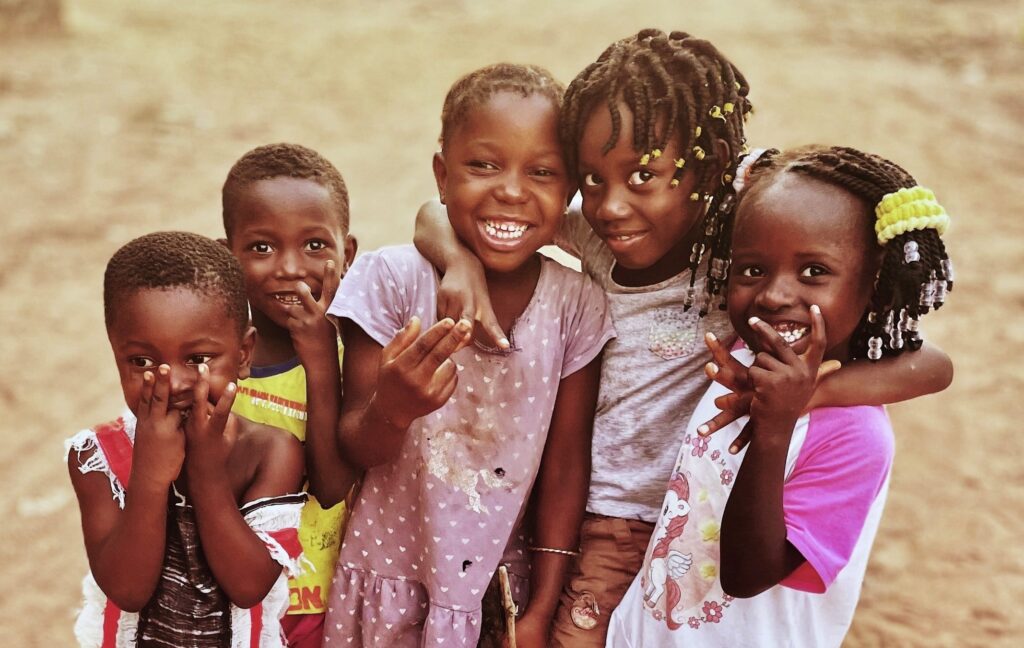
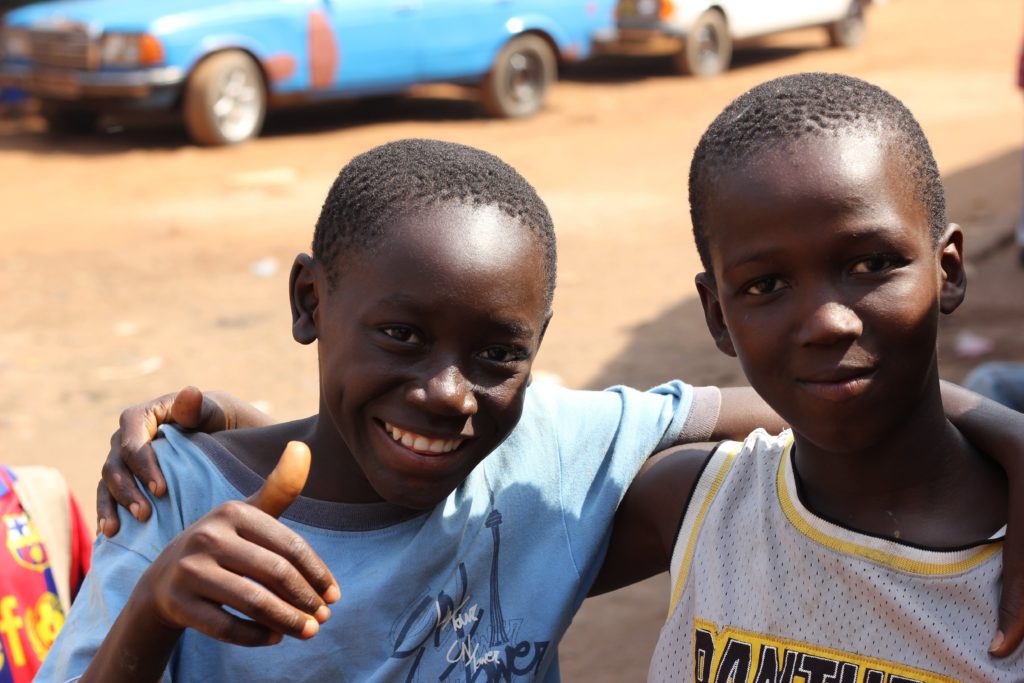
Despite these challenges, Guinea’s children remain full of hope, dreaming of education, health, and opportunities for a better tomorrow.
Key Contributor #1: Club des Jeunes Filles Leaders de Guinée
Empowering Girls to Speak Out and Stay in School
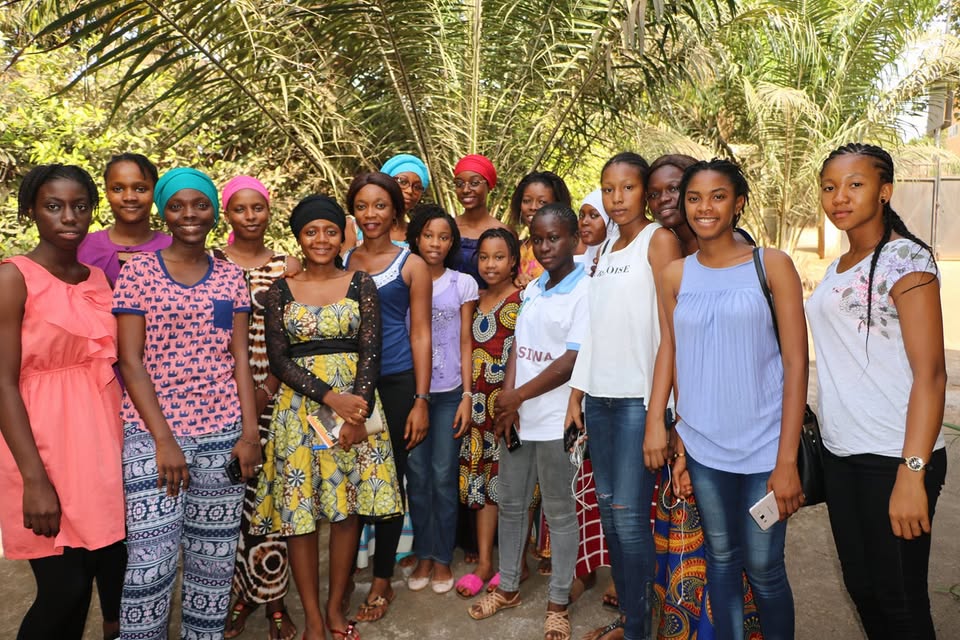
When girls learn to lead, entire communities shift; peer clubs become safe rooms for courage and truth. Mentors guide conversations about rights, health, and consent; teachers partner to keep girls in class when pressure to marry grows. Families are invited into the work; fathers hear their daughters speak; mothers share their own dreams; silence loosens its grip. Step by step, girls practice public speaking; they run small projects; they become the first in their families to finish school. Each voice that rises makes space for another; hope moves from a whisper to a chorus that will not fade.
Key Contributor #2: Sabou-Guinée
Reaching Kids in Mining Areas With School, Safety, and Support
Where gold dust settles on clothes and books are scarce, Sabou-Guinée brings lessons, meals, and protection. Mobile educators set up simple classrooms near sites where children work; they offer catch-up courses; they open a path back to formal school. Social workers listen; they help families plan for income that does not depend on a child’s labor; they link parents to services and savings groups. The message is steady: childhood is not a resource to be extracted; it is a right to be guarded. With patience and presence, children trade tools for pencils; days in the pit give way to days in class.
Key Event #1: Anti-FGM School Campaign – Labé Region
Training Girls as Peer Leaders to End Cutting
Girls learned the language of their own safety; they carried it from class to courtyard to home. Workshops mixed facts with storytelling; students practiced how to speak with elders; teachers pledged to intervene early. Radio spots amplified the message across villages; youth clubs held open forums; boys joined as allies; harm was named and challenged. Change came as conversations multiplied; some families made public commitments; some communities paused ceremonies. Each pledge protected a child; each child became a messenger for the next.
Key Event #2: Community Schools in Mining Zones – Siguiri
Bringing Classrooms and Child Protection to Gold Towns
In neighborhoods shaped by mining, new classrooms rose beside markets; learning felt close for the first time. Community volunteers mapped out the children most at risk; school leaders coordinated meal support; local clinics joined for health checks. Attendance climbed; early readers found their rhythm; older students prepared for exams with evening study circles. Parents noticed calmer homes; teachers reported fewer dropouts; protection committees watched for danger and acted fast. Education did not wait for the perfect building; it began with what people had and grew from there.
Top Grassroot Nonprofits Across Guinea
Meet the five grassroot organizations seeking to make extraordinary strides in improving the lives of Guinea’s children — one community at a time.
To get started, click on the image to visit the donation page, or click on the nonprofit’s name to access their homepage.
After donating on a partner site, click the purple globe icon to register your contribution in our data tables.
Remember, your support, whether it’s visiting their homepage, donating, or following their social media, will be crucial towards helping these nonprofits grow and amplify their efforts.