All Revenue From Ads Go to Advertising and Support for Nonprofits
Guinea-Bissau: Safeguarding Childhood in the Shadows of Instability
Explore Guinea-Bissau:
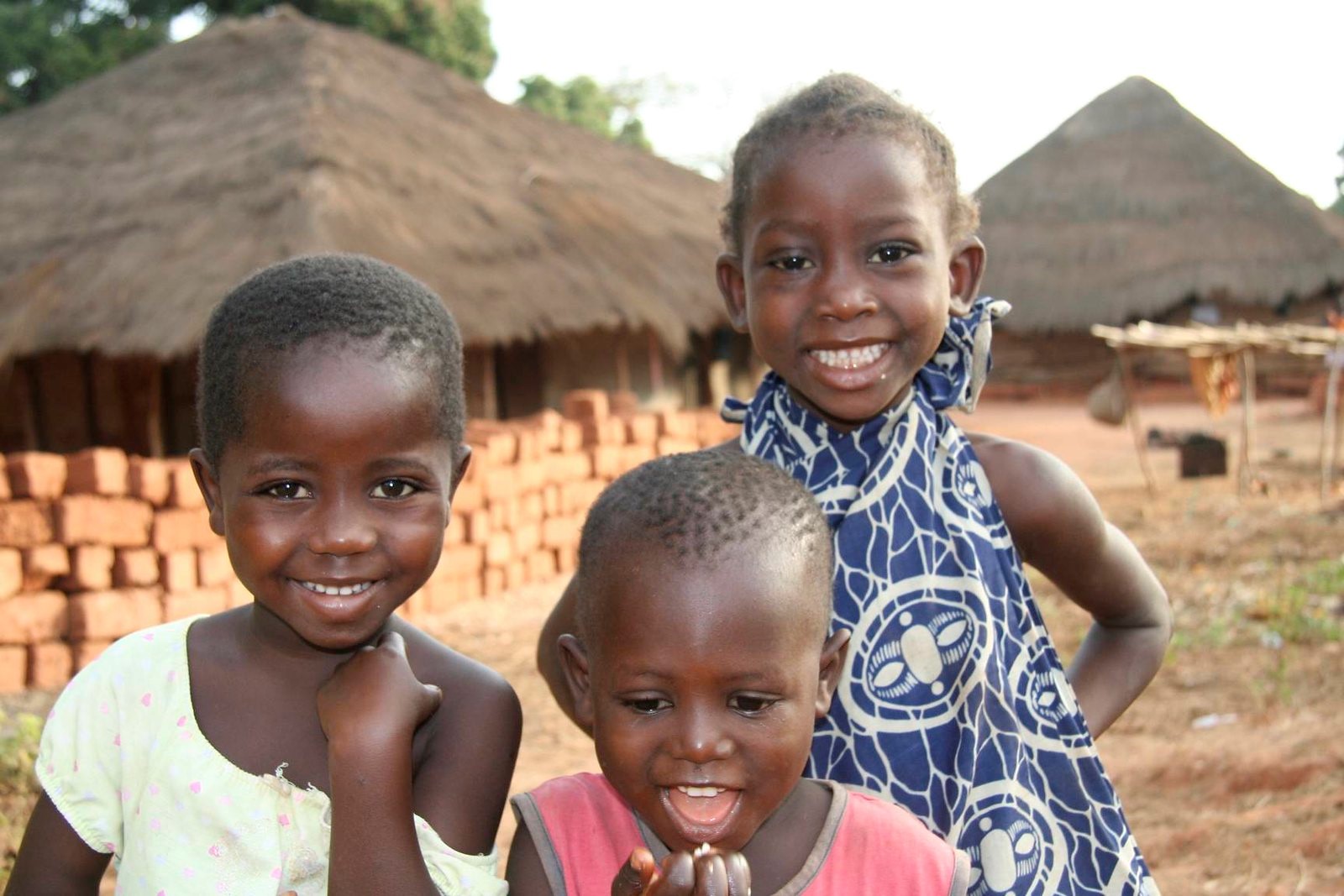
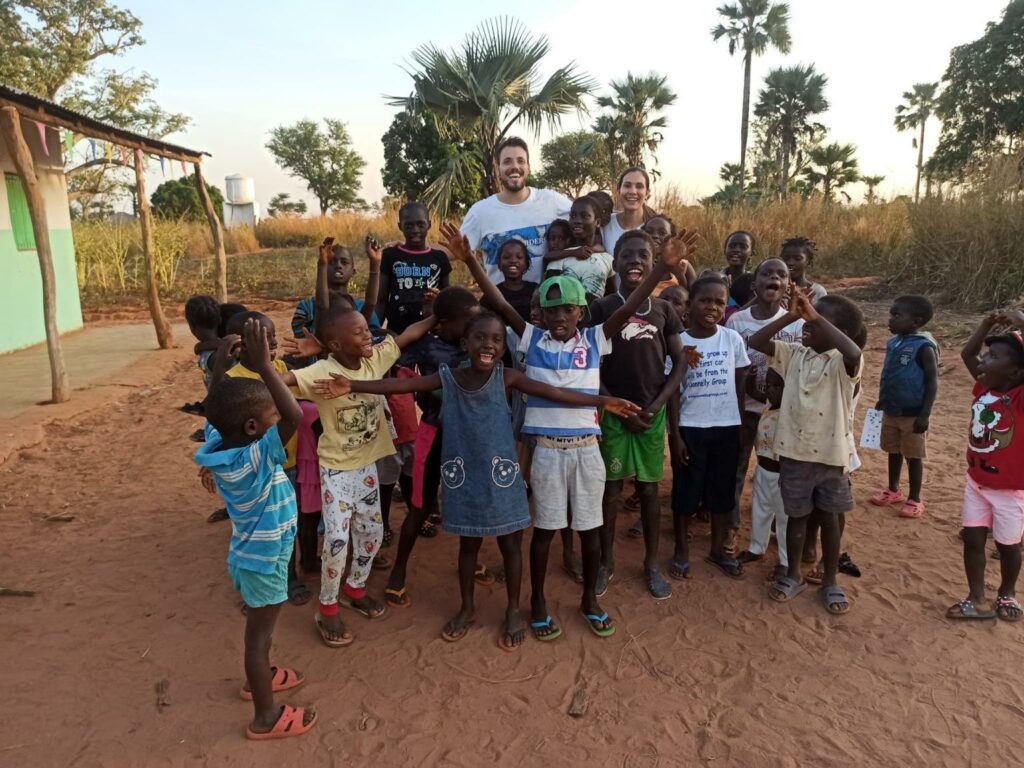
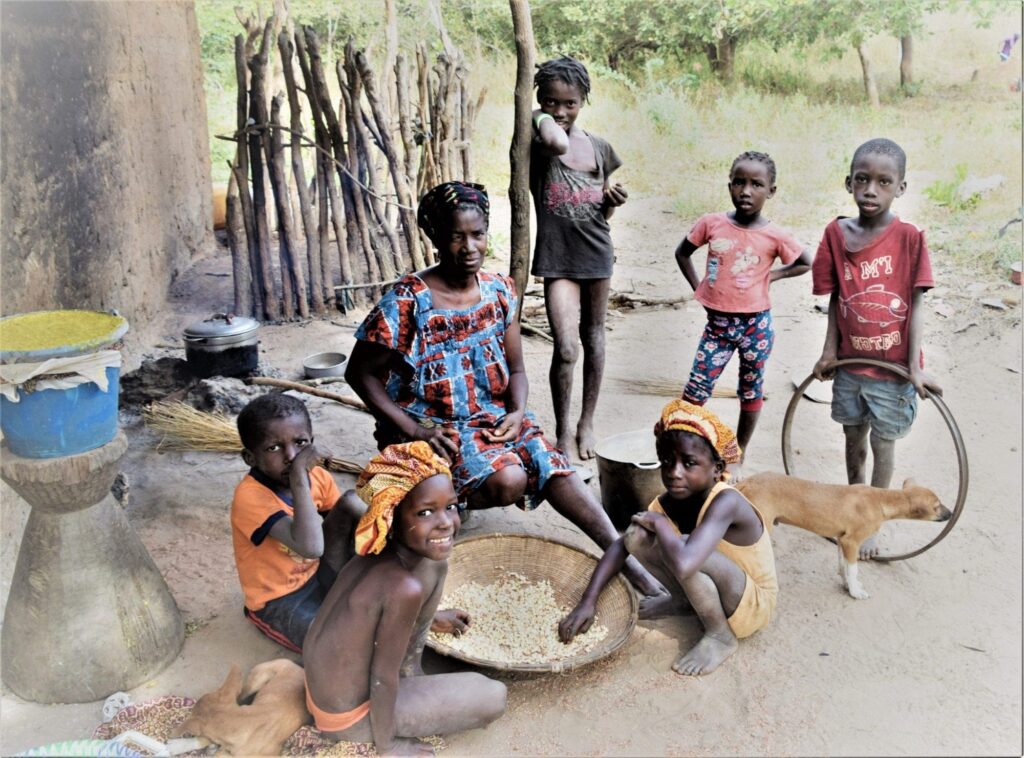
Guinea-Bissau is more than islands and mangroves, it is children holding on to health, education, and dignity through uncertainty. From Bissau’s busy neighborhoods to the border towns of São Domingos and the schools of Bafatá, many needs are unseen, and that is why we are here.
The Situation for Children in Guinea-Bissau
Guinea-Bissau is a country of rich traditions, island beauty, and post-colonial struggle. But political unrest, underfunded schools, and limited legal protection have left its children vulnerable to exploitation and neglect. These are the three most urgent issues:
Forced Child Labor and Cross-Border Trafficking
Many children are trafficked across borders into Senegal and other countries for begging, street labor, or domestic work. Others are sent away for informal religious schooling that often turns exploitative.
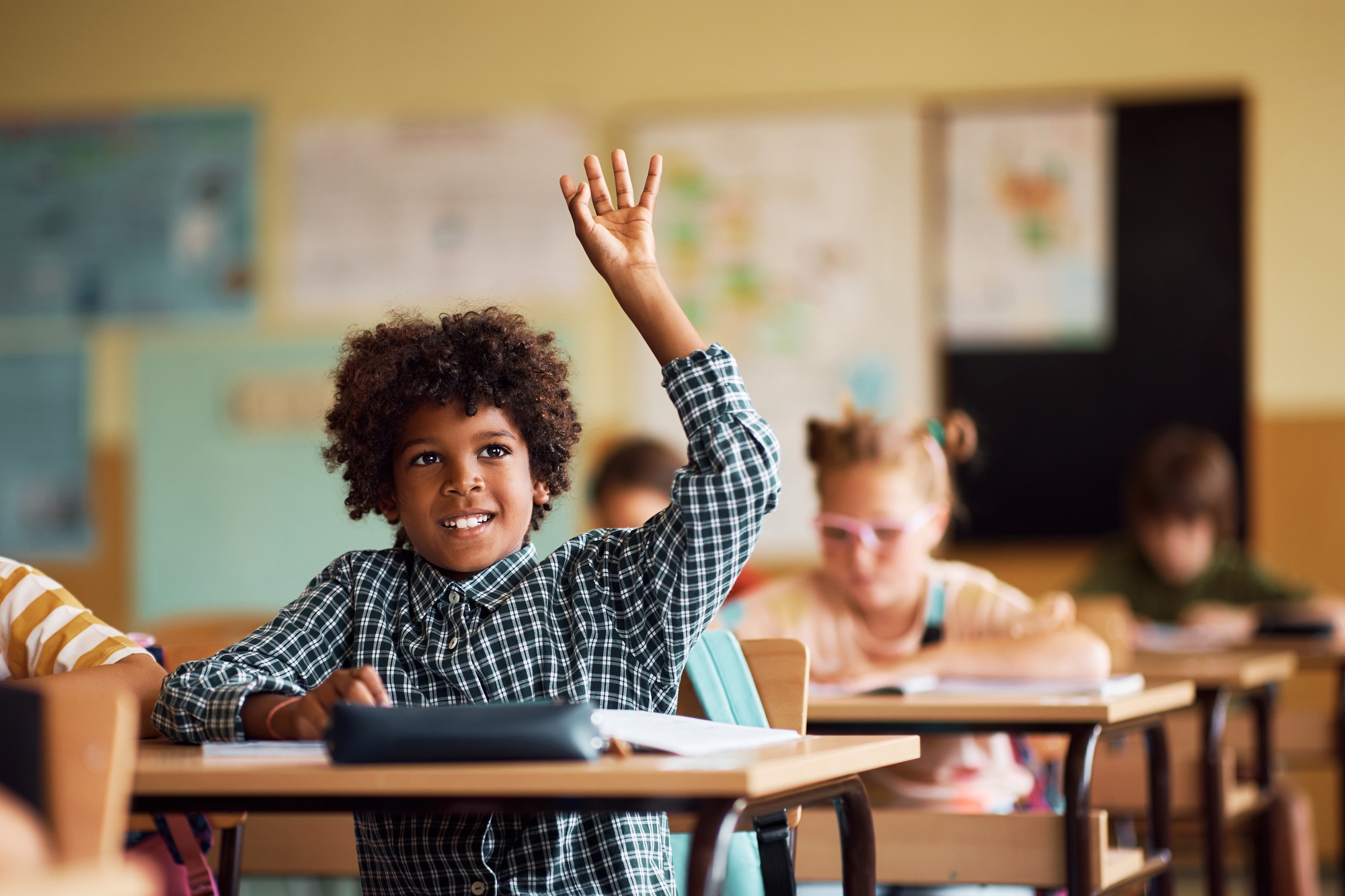
Schools in Guinea-Bissau are often closed due to strikes, lack of teachers, or political instability. Rural areas face the worst shortages, leaving thousands of children without consistent learning environments.
Girls are often pulled from school early due to child marriage, teen pregnancy, or domestic responsibilities. Without strong legal enforcement, harmful norms continue — especially in rural and island communities.
Despite these challenges, Guinea-Bissau’s children remain full of hope, dreaming of education, health, and opportunities for a better tomorrow.
Key Contributor #1: Associação dos Amigos da Criança (AMIC)
Protecting Children From Trafficking and Exploitation
Protection begins with listening; AMIC meets children where fear lives and offers steady hands. Counselors provide safe shelter and case management; legal teams pursue justice; teachers and social workers coordinate returns to school. Outreach travels to bus stations and border roads; staff train transport workers and community leaders to spot warning signs. Families receive support so reunification is secure; the goal is not a quick fix but safety that lasts. Every child who sleeps without worry and wakes for class is a quiet victory, the kind that changes a life.
Key Contributor #2: TINIGUENA
Teaching Children to Protect the Forests, Rivers, and Their Own Futures
Children cannot thrive if land and water are in crisis; Tiniguena links conservation to dignity and learning. School clubs explore mangrove nurseries and rice fields; students keep journals; they teach younger children what they discover. Elders share traditional knowledge; scientists add tools for today; care for nature becomes a shared lesson. With gardens and clean water projects, schools grow food for lunches; attendance rises; health improves. Children see that protecting a river can also protect a future; stewardship turns into a story they are proud to tell.
Key Event #1: Cross-Border Child Protection Patrols – São Domingos
Keeping Trafficked Children Safe at the Border
Mixed teams of volunteers, officers, and social workers walked the crossing points at dawn; they looked for small signs of danger. Conversations with drivers and traders built trust; hotlines were shared; safe shelters were prepared in advance. When a child needed help, the response was quick; documents were checked; families were contacted; school enrollment followed. The patrols showed that community action can slow the routes of exploitation; visibility turned into deterrence; care turned into a plan.
Scholarships, Mentorship, and Safe Spaces for Girls
Creating Safe Educational Spaces for Girls in Remote Areas
Uniforms were paid for; fees were covered; but the real change came from mentors who stayed close. Study circles met after class; girls learned to set goals; caregivers joined meetings about safety, health, and choice. Teachers tracked attendance; counselors watched for pressure to marry; problems were solved early. Results followed; exam pass rates rose; girls moved from silence to leadership; schools felt more welcoming. Each scholarship opened a door; each mentor held it long enough for the next girl to step through.
Top Grassroot Nonprofits Across Guinea-Bissau
Meet the five grassroot organizations seeking to make extraordinary strides in improving the lives of GB’s children — one community at a time.
To get started, click on the image to visit the donation page, or click on the nonprofit’s name to access their homepage.
After donating on a partner site, click the purple globe icon to register your contribution in our data tables.
Remember, your support, whether it’s visiting their homepage, donating, or following their social media, will be crucial towards helping these nonprofits grow and amplify their efforts.