All Revenue From Ads Go to Advertising and Support for Nonprofits
Lesotho: Raising Resilience on the Rooftop of Africa
Explore Lesotho:
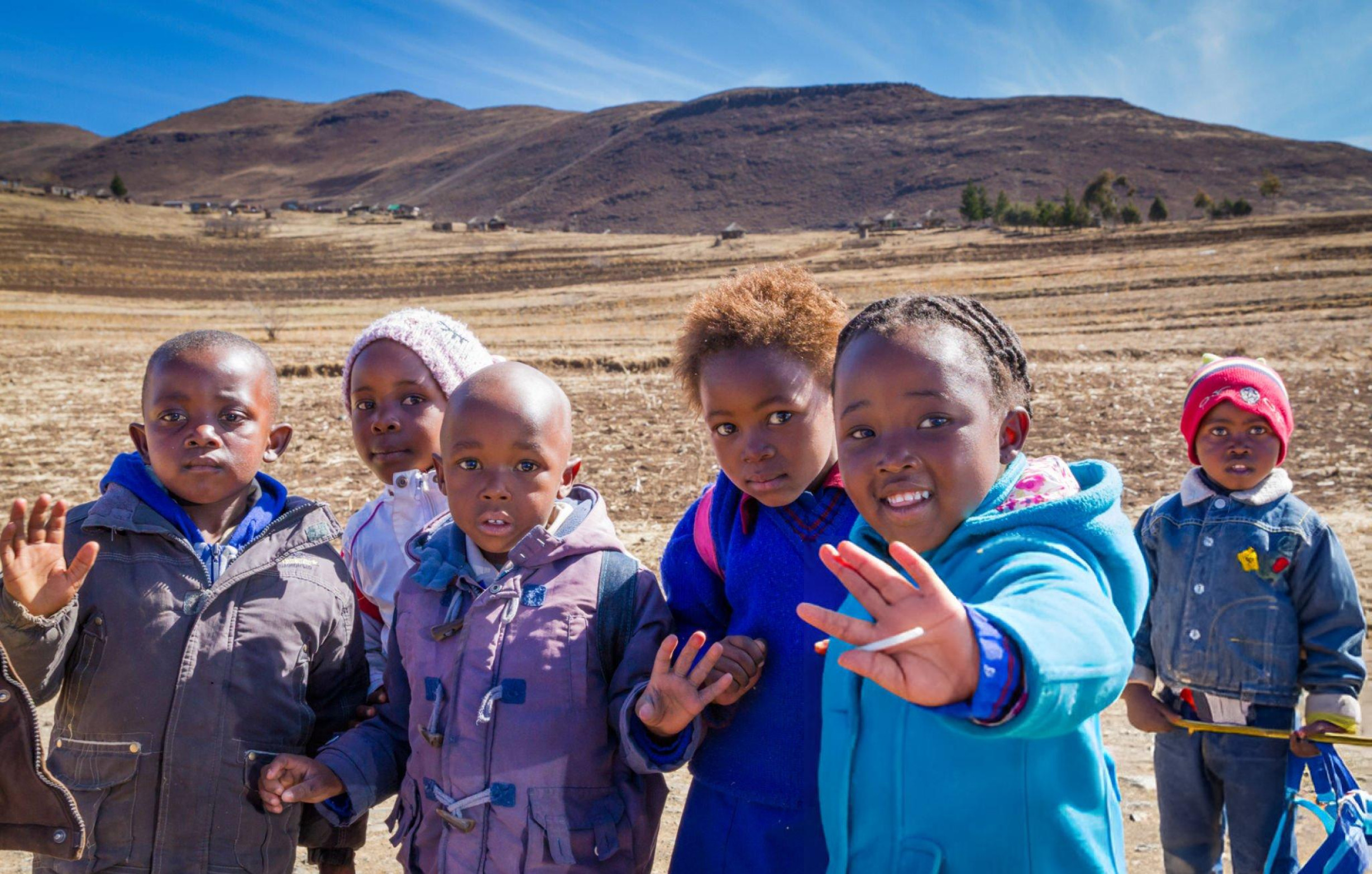
Lesotho is more than mountains and cold winds, it is children living with loss, distance, and silence while reaching for school and care. From Thaba-Tseka to Leribe, their resilience deserves company; we are here to bring it the company it needs.
The Situation for Children in Lesotho
Lesotho is a breathtaking country of highlands and hope. But for too many children, daily life is shaped by poverty, loss, and exclusion. From isolated villages to crowded townships, these are the three most urgent challenges children face:
Orphanhood Due to HIV/AIDS
Nearly 1 in 3 children in Lesotho has lost one or both parents — most due to HIV. Many live with elderly grandparents, head households alone, or are forced into informal labor to survive.
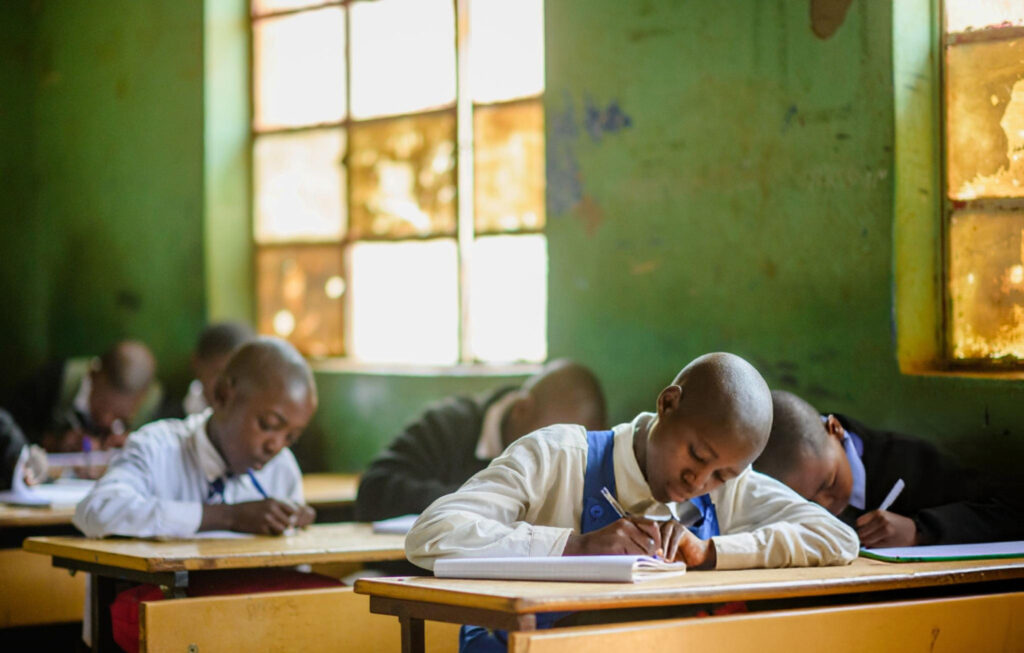
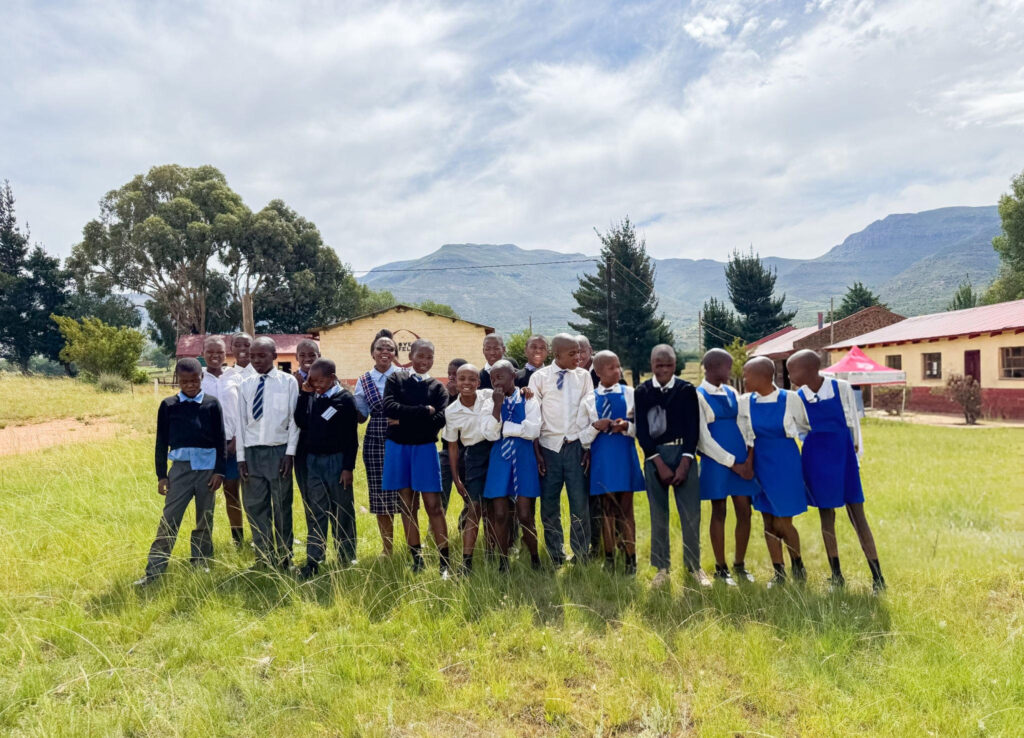
Harsh terrain, poverty, and long walking distances prevent many children — especially girls — from attending school regularly. Schools often lack materials, trained teachers, or sanitary facilities.
Children with disabilities or trauma-related challenges are often hidden at home, excluded from school, or treated as burdens. Mental health care is limited, and cultural silence deepens their isolation.
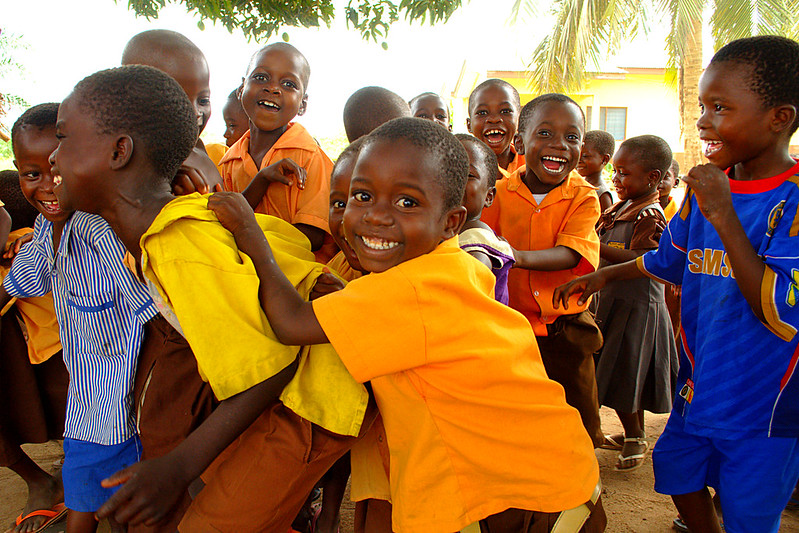
Despite these challenges, Lesotho’s children remain full of hope, dreaming of education, health, and opportunities for a better tomorrow.
Key Contributor #1: Touching Tiny Lives Foundation
Feeding, Sheltering, and Supporting Children Orphaned by HIV/AIDS
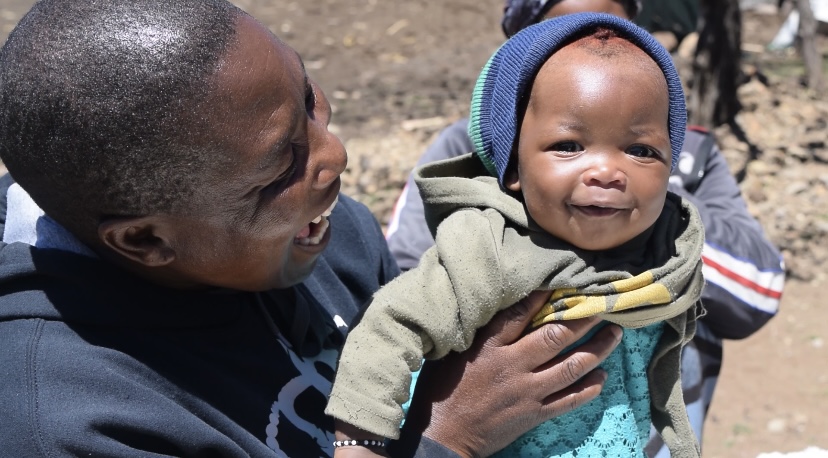
Touching Tiny Lives cares for infants and young children who lost parents or face illness, meeting urgent needs with warmth and skill. Family style shelters provide safety while guardians receive training; home based teams travel by foot or horseback to deliver formula, medicine, and counseling. Nutrition programs keep growth on track; caseworkers monitor progress and prevent relapse; community partners help children remain with relatives when possible. The work is quiet, careful, and faithful; it treats survival as a first step toward a steady childhood. In remote villages, a small group of determined adults becomes the difference between despair and strength.
Key Contributor #2: Lesotho National Federation of Organizations of the Disabled (LNFOD)
Promoting Inclusive Education and Disability Rights in Every District
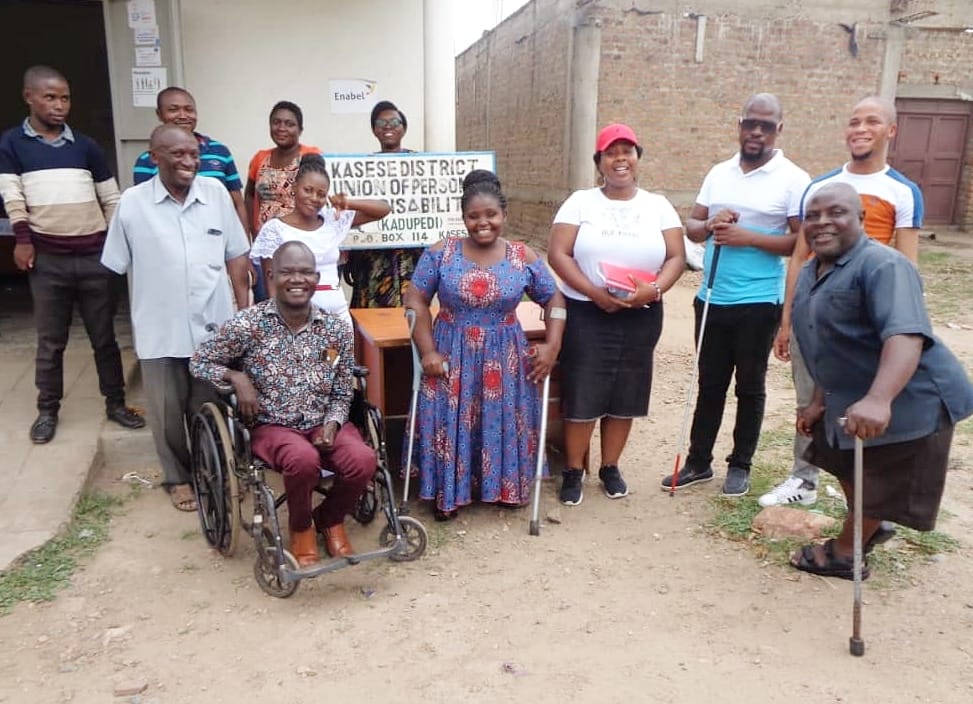
LNFOD moves inclusion from promise to daily practice by placing mobility aids, training teachers, and changing minds in classrooms and council halls. Families learn how to advocate; children return to school with pride; administrators see that access is both possible and right. Workshops replace stigma with understanding; legal advocacy gives policy a human face; follow up ensures that accommodations remain in place. Each success is visible and local: a ramp, a timetable, a teacher who waits long enough for learning to land. Bit by bit, belonging becomes the rule.
Key Event #1: Mountain School Access Drive – Thaba-Tseka
Delivering Supplies and Hope to High-Altitude Classrooms
Volunteers climbed into high villages with warm clothing, school kits, and food parcels so children could study with focus and dignity. Teachers received materials and simple tools for emotional support; community leaders mapped safe routes and pledged help during winter. The drive turned distant schools into reachable goals; mornings felt possible again; attendance held through cold months. In places where a walk can break resolve, shared effort kept doors open and children moving forward.
Key Event #2: Disability Inclusion Week – Leribe District
Creating Awareness and Access for Every Child
For several days, forums, school visits, and family events made inclusion visible and joyful. Children led performances using sign language and mobility aids; teachers practiced classroom adjustments; parents told stories that opened eyes and softened hearts. Practical guides went home in backpacks; commitments were written and shared; stigma loosened as understanding grew. The week became a baseline, not a one time celebration, and schools carried the spirit into daily routines.
Top Grassroot Nonprofits Across Lesotho
Meet the five grassroot organizations seeking to make extraordinary strides in improving the lives of Lesotho’s children — one community at a time.
To get started, click on the image to visit the donation page, or click on the nonprofit’s name to access their homepage.
After donating on a partner site, click the purple globe icon to register your contribution in our data tables.
Provides holistic health, nutritional, educational, and emotional support to orphaned and HIV‑impacted children under five in rural Lesotho through home outreach and a safe‑home model
Partners with local Lesotho groups to support orphaned and vulnerable children through education, health services, scholarships, and community care programs.
Remember, your support, whether it’s visiting their homepage, donating, or following their social media, will be crucial towards helping these nonprofits grow and amplify their efforts.