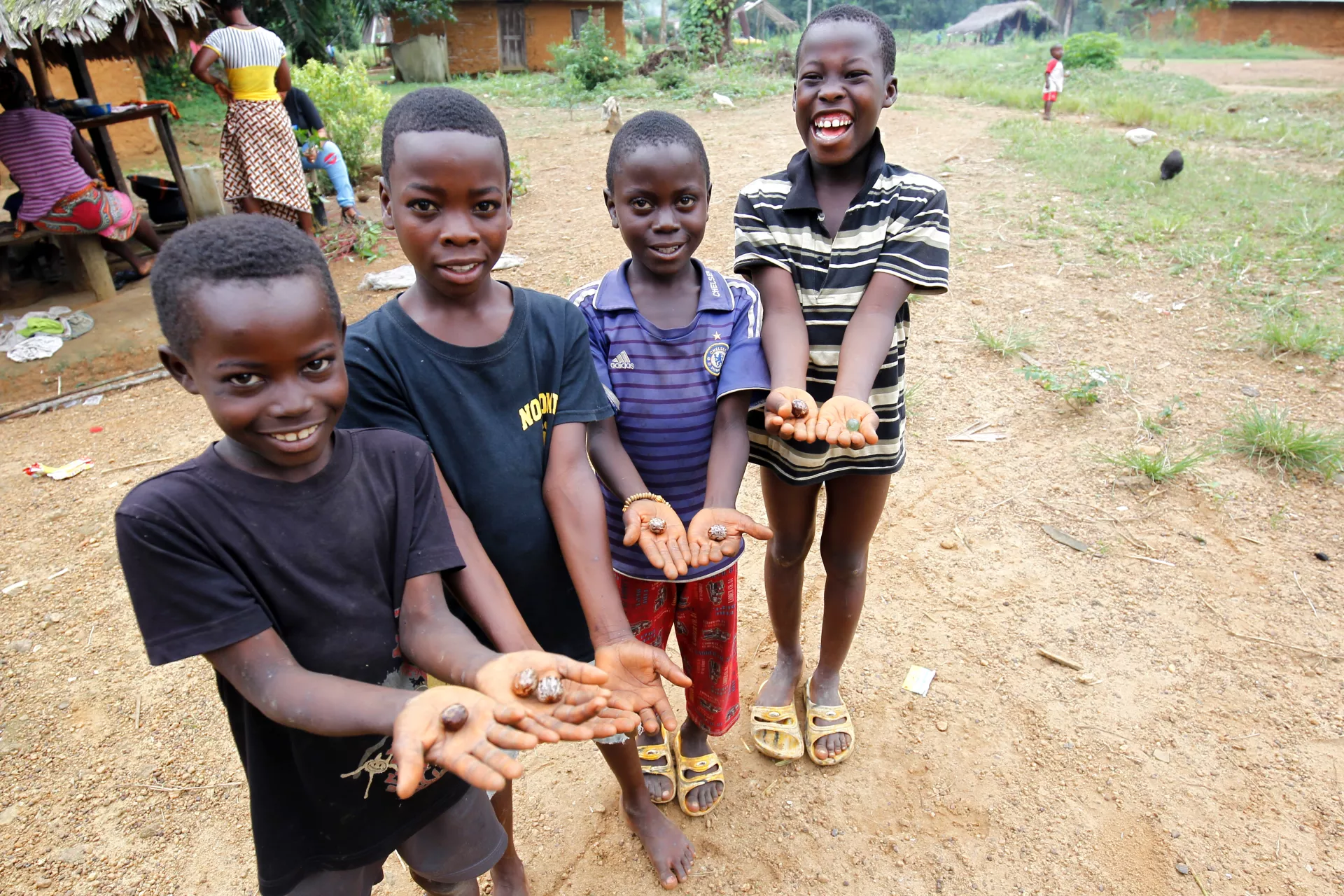
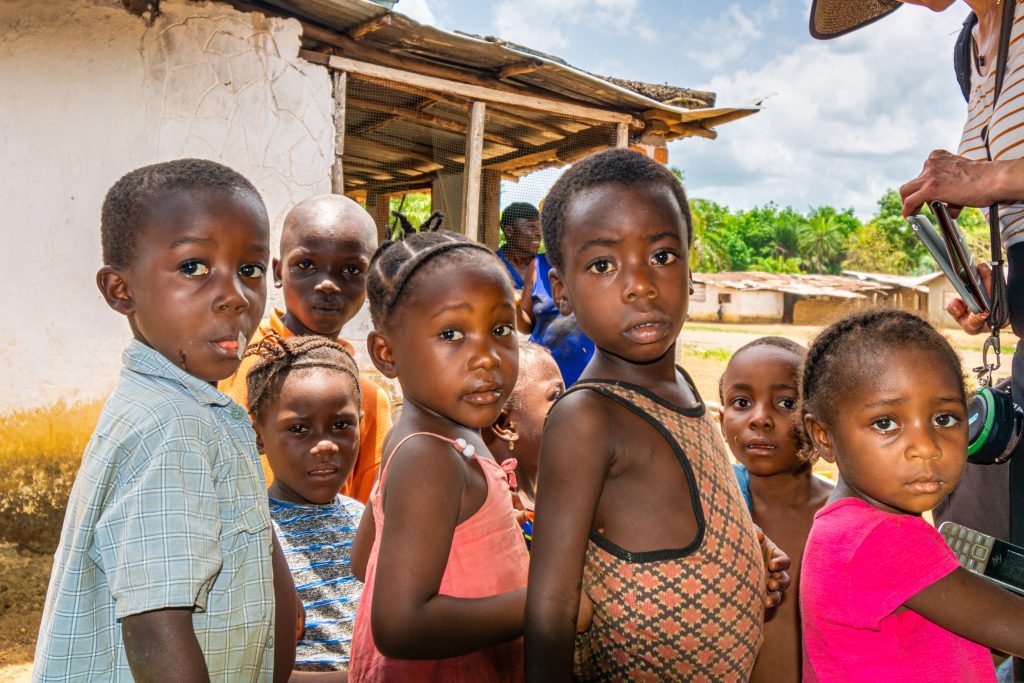
Liberia is more than headlines and hurt, it is children carrying war’s echo, poverty, and fear while still asking for justice and school. From Monrovia to Bong and Grand Bassa, their voices deserve safety and follow through; we are here to help provide both.
Liberia has one of the highest rates of child sexual abuse in West Africa. Survivors often face stigma, lack access to legal protection, and are pressured into silence or forced settlements.
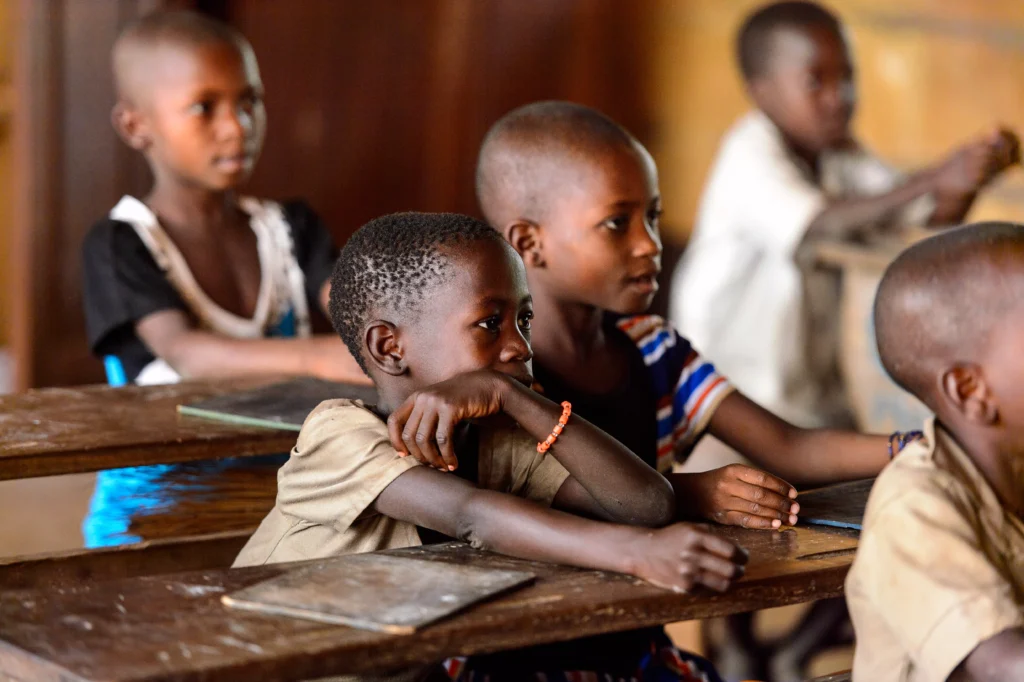
Though primary education is officially free, fees for uniforms, materials, and transport keep many out of school. Girls face the added burden of teen pregnancy, early marriage, and harassment.
The trauma of war, Ebola, poverty, and abuse remains largely unaddressed. Children have few safe spaces to talk, play, or begin to heal — and trained counselors are scarce outside of Monrovia.
Think Liberia offers shelter that feels like home and advocacy that does not step back, surrounding survivors with legal help, counseling, and a return to learning. Staff prepare girls to lead their own cases and their own futures; radio and school programs widen the conversation so silence loses ground. Partnerships with police and courts push systems toward accountability; mentors model strength that is gentle and steady. The work honors pain without letting it define identity; it treats a girl’s voice as a tool for protection and for hope. In a country that still heals from many wounds, this is what care can look like when it is relentless.
THINK brings trauma counseling, psychosocial support, and education sponsorship to children who have lived through conflict, loss, and neglect. Mobile units reach neighborhoods where services are rare; safe rooms offer quiet, play, and listening that rebuilds trust. Life skills training gives rhythm to days; caseworkers reconnect children to family or place them with caregivers who can provide stability. Vocational options help older youth imagine work with dignity; community dialogues make protection a shared responsibility. With time and consistent care, identity returns; classrooms feel safe again; possibility replaces fear.
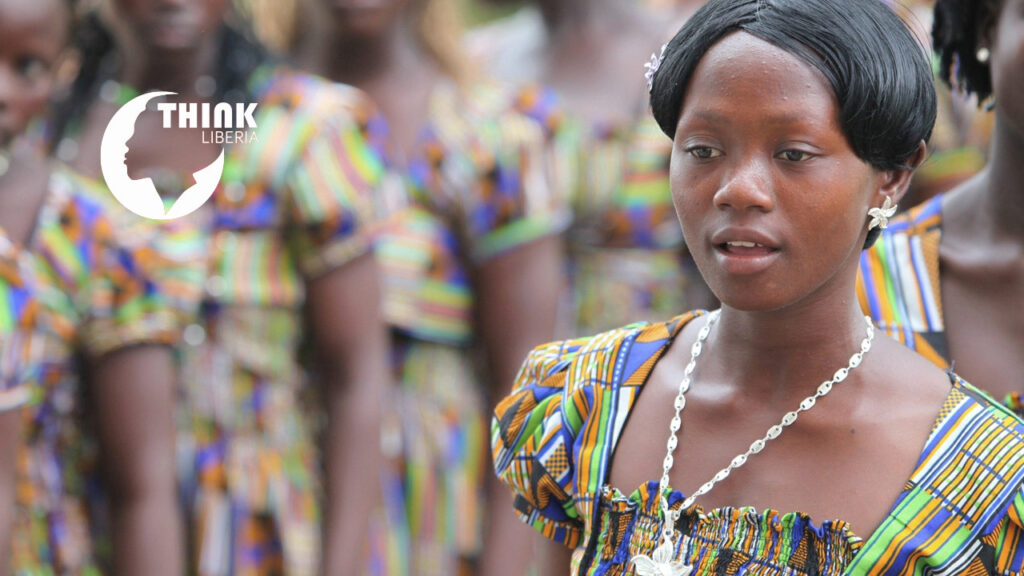
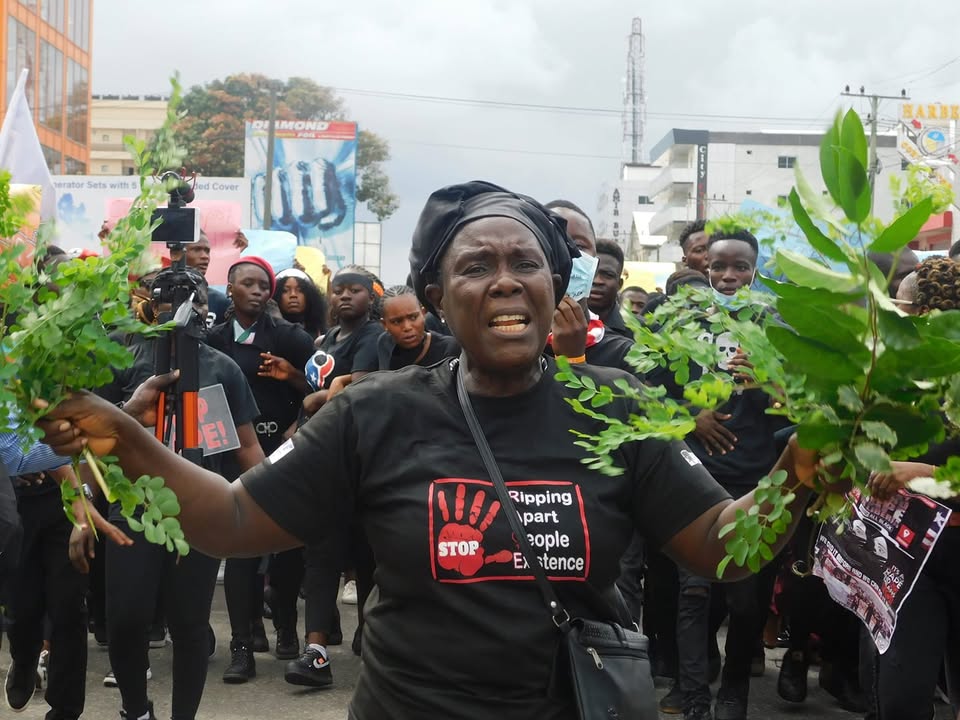
Survivors, students, and allies filled the streets with signs, songs, and testimony that refused to be pushed back into private rooms. Calls for stronger laws and faster prosecutions met applause and commitment; names were read; silence broke. Organizers trained volunteers to connect families to legal aid and counseling; media carried the message across counties; schools invited follow up talks. The march was protest and promise at once: a demand for justice and a vow that girls will not be quiet again.
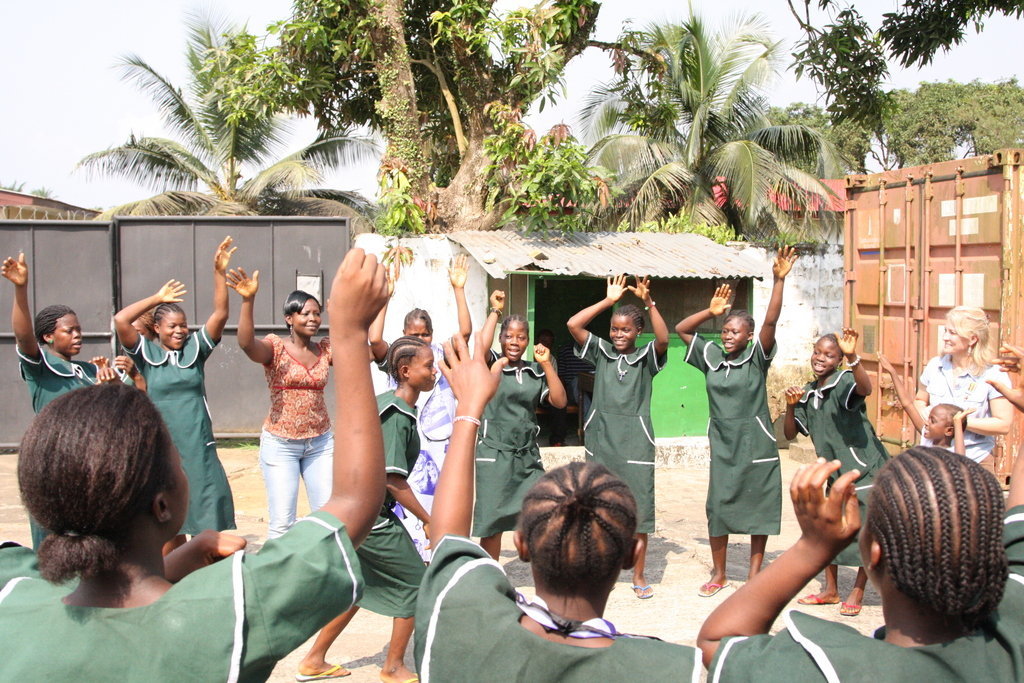
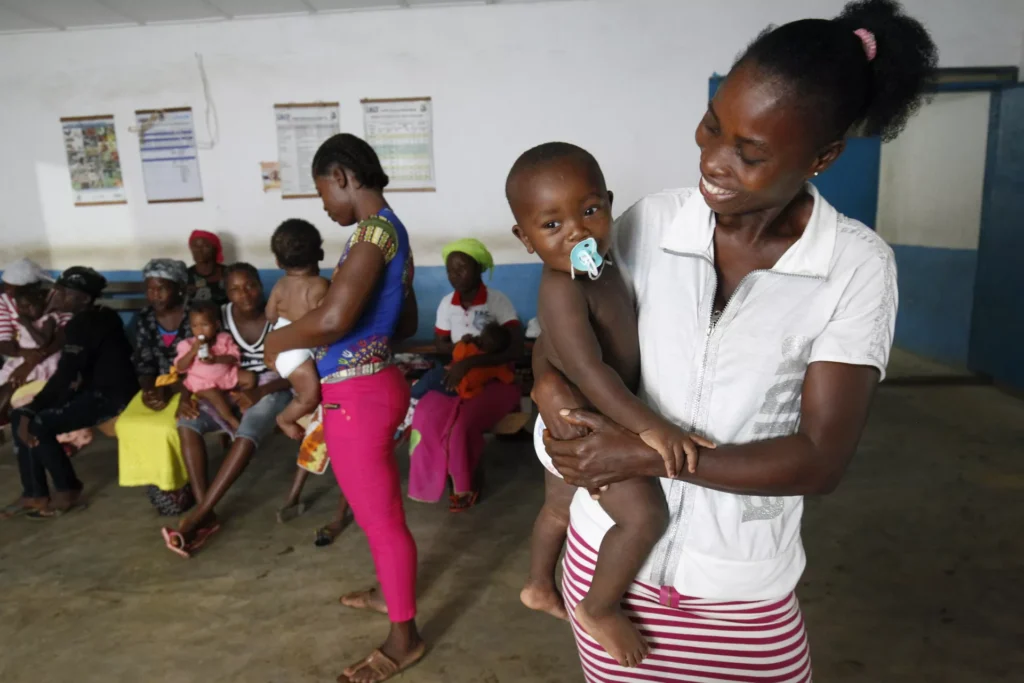
Small groups met in rooms arranged for safety and calm; counselors led stories, songs, drawing, and moments of rest that helped children name what had been carried alone. Themes of fear and hope appeared side by side; peers listened without judgment; staff watched for signs that needed extra care. Families joined closing circles; simple practices went home in pockets and notebooks; school attendance improved as nights grew quieter. The circles did not erase pain, but they taught ways to live, learn, and dream beyond it.
Supports women and children through education, health outreach, and income-generating projects.
Mobilizes youth in Liberia to lead social change through civic education and leadership development.
Provides microloans and training to help women start businesses and lift families out of poverty.
Improves access to vocational training, nutrition, and medical care in underserved regions.