All Revenue From Ads Go to Advertising and Support for Nonprofits
Libya: Protecting Childhood Amid Conflict and Collapse
Explore Libya:
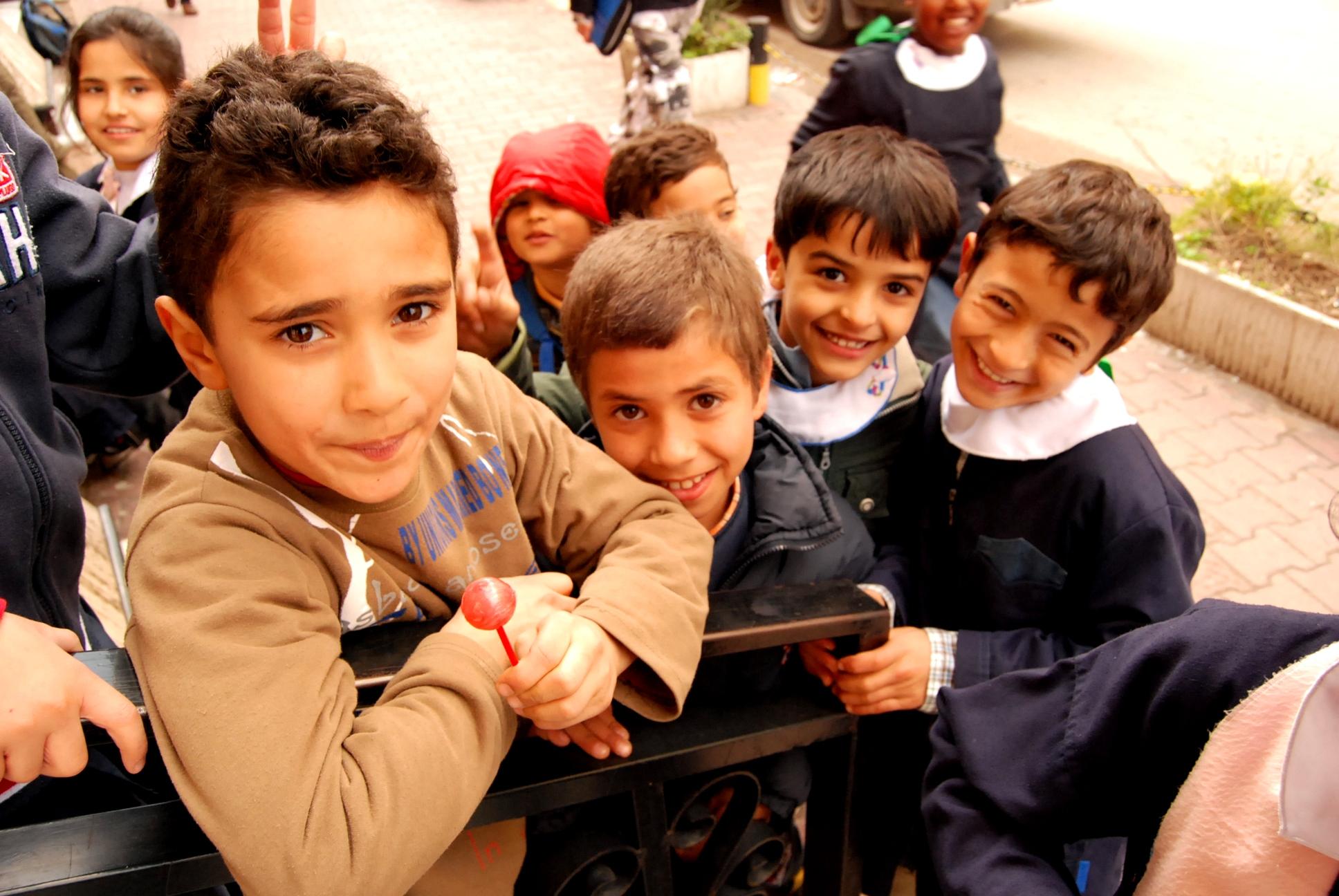
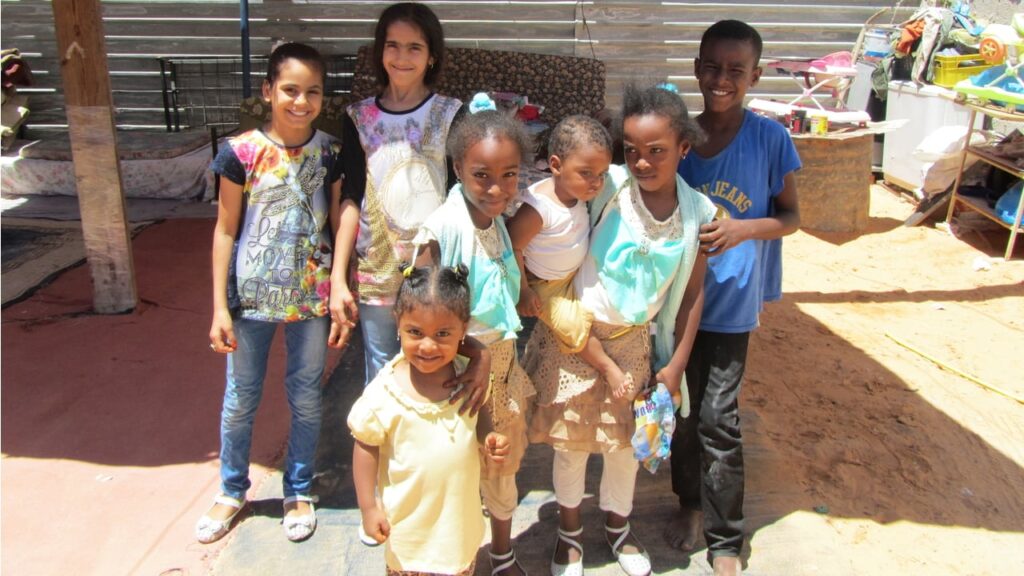
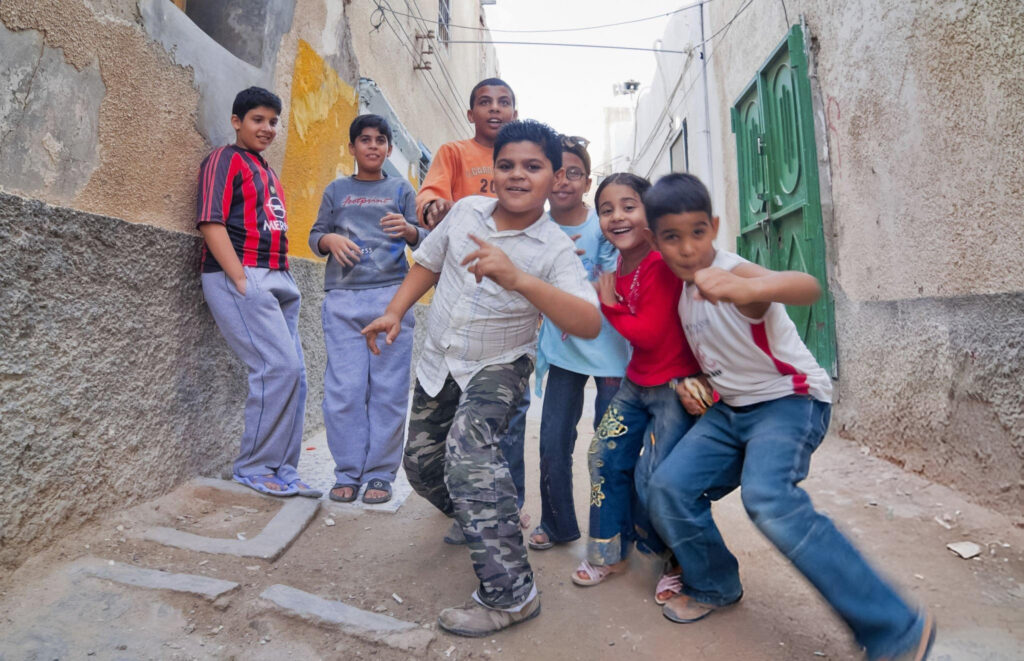
Libya is more than wrecked buildings and news alerts, it is children pushing through fear, distance, and loss to find school, safety, and voice. From Tripoli to Sabha and Derna, their courage is real and present; we are here to lift it and invite America to stand with them.
The Situation for Children in Libya
Years of conflict and political collapse have left Libya’s children exposed to danger, instability, and abandonment. In a nation where institutions have crumbled, it is often communities — not governments — who step up to care for the next generation. These are the three most urgent challenges:
Displacement and Exposure to Armed Conflict
Thousands of children have been forced from their homes due to fighting between militias, living in camps or unsafe urban areas. Many face shelling, recruitment risks, or the trauma of losing parents and homes.
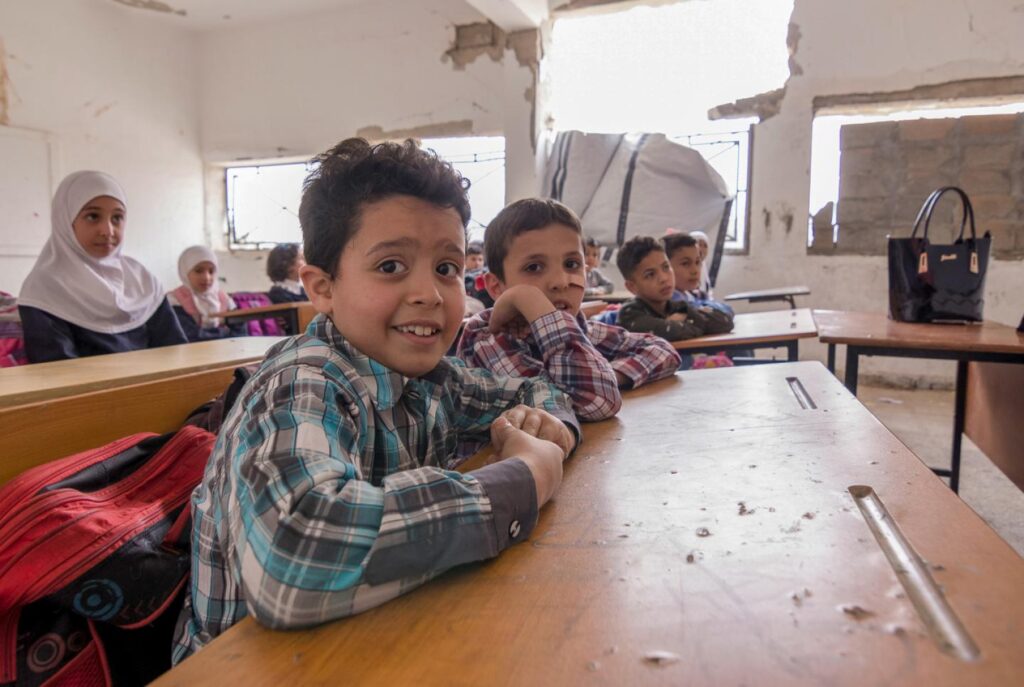
Many schools are damaged, closed, or occupied by armed groups. Health care is limited, and displaced or disabled children often have no access to learning, vaccines, or emotional care.
Abuse and Exploitation of Migrant and Stateless Children
Libya is a transit point for migration, and children in detention centers or on the move face physical abuse, forced labor, trafficking, and sexual violence — with little to no protection from authorities.
Despite these challenges, Libya’s children remain full of hope, dreaming of education, health, and opportunities for a better tomorrow.
Key Contributor #1: Basmah Organization for Children’s Rights
Protecting Displaced and Orphaned Children From Violence and Neglect
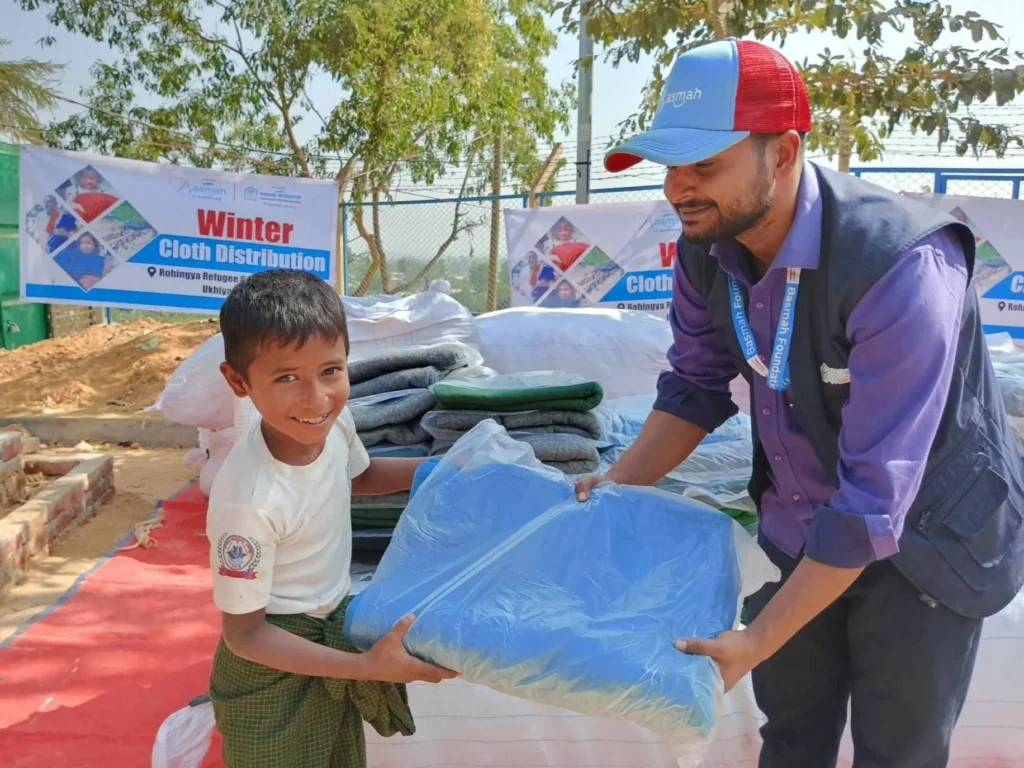
In cities stretched thin by conflict, Basmah meets children where safety has collapsed and begins with presence, food, and a calm adult who knows their name. Caseworkers secure temporary shelter; teachers reopen a path to learning; counselors sit with grief until it quiets. Mobile teams carry hygiene kits and medicines into informal camps, then return with follow up so gains do not fade. Staff help families navigate documents and services; they advocate when authorities look away; they keep protection plans simple and close to the ground. For the child who lost home and routine, small anchors matter: a bed; a book; a schedule that holds. Step by step, belonging returns, and with it a future that can be imagined again.
Key Contributor #2: Noor Al-Amal (Light of Hope) Youth Center
Creating Safe Learning Spaces for Children in Conflict Zones
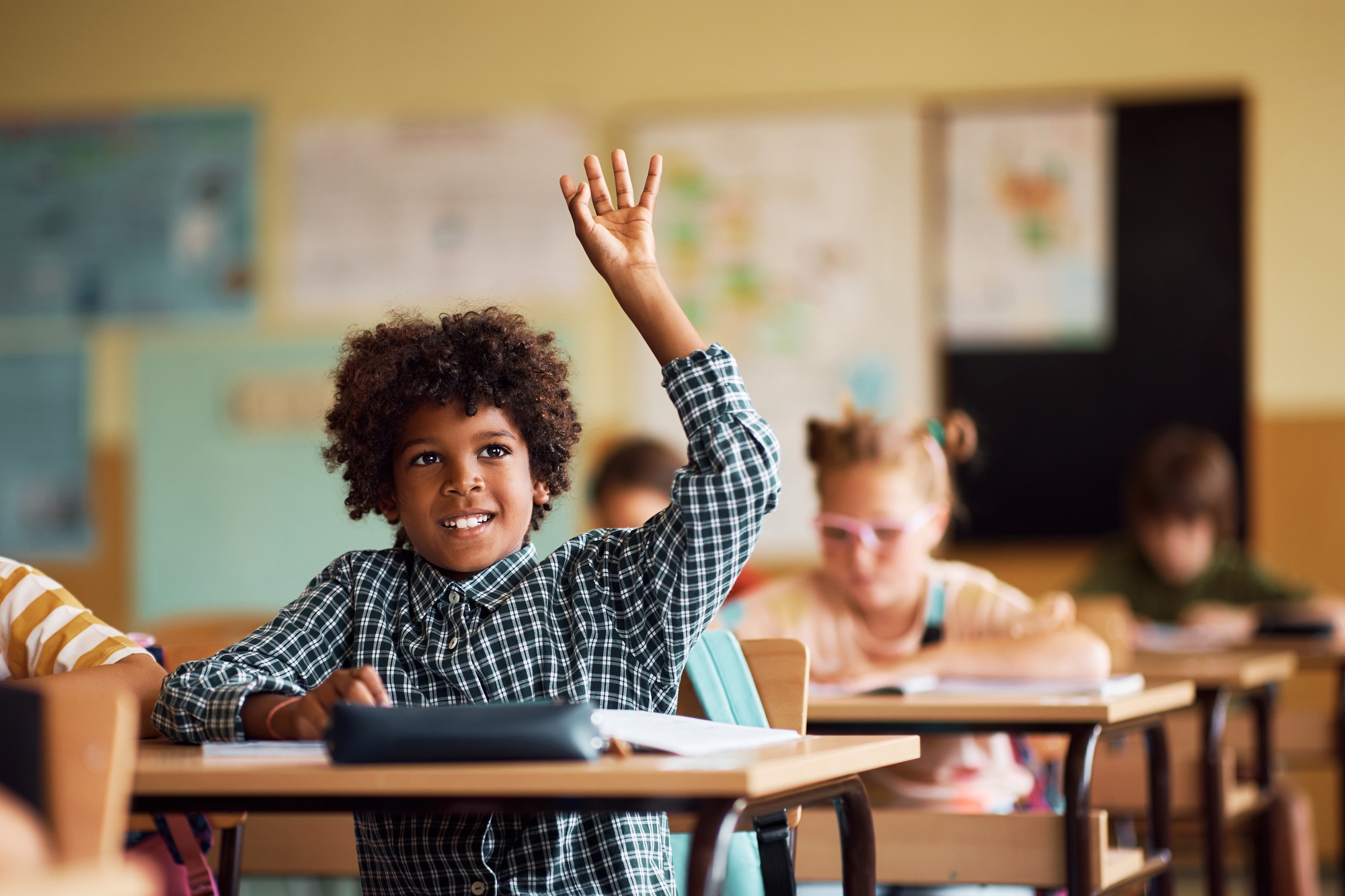
When schools close, Noor Al-Amal opens rooms where learning, play, and healing can breathe together. Youth mentors and trained teachers guide accelerated lessons; art and reading circles help children name fear and practice calm. Doors stay open to displaced, disabled, and migrant children; the welcome is without conditions; the tone is patient and clear. Families are invited to see progress; parents learn how to support study at home; leaders hear why protection must start with predictable hours and caring adults. This is education as refuge and recovery: routine that steadies the body; curiosity that reawakens the mind; community that keeps watch. Where war once filled every corner, light begins to gather again.
Key Event #1: Camp Classroom Initiative – Sabha and Derna
Turning Tents Into Schools for Displaced Children
Empty tents became classrooms, stocked with books, tables, and simple materials; retired teachers and volunteers arrived with lessons and gentle structure. Children who had waited for years traced letters, shared poems, and felt the lift of being called on by name. The schedule placed reading beside drawing so emotion could settle; short breaks kept attention steady; every improvement was noticed and celebrated. Families stood in doorways at first, then joined in setting routines and keeping materials safe. The result was more than instruction; it was rhythm and dignity returning to a day that had scattered. A tent can be a school when trust is present and care is consistent; that truth traveled across the camp.
Key Event #2: Children’s Peace Week – Misrata Region
Helping Children Cope With Conflict Through Art and Dialogue
Across one hopeful week, children gathered for stories, murals, music, and circles where honesty felt possible. Youth leaders modeled how to listen without judgment; teachers blended play with skills that help the body calm and the mind focus. Parents were invited to the closing showcase; they watched courage on paper and stage; they heard words that had been quiet for years. Resource tables offered contacts for continued support; mentors planned follow ups so confidence did not fade. The week proved that peace is a practice: learned, shared, repeated; it belongs in schools and homes, not only in slogans. Children left smiling, and the community carried that smile forward.
Top Grassroot Nonprofits Across Libya
Meet the five grassroot organizations seeking to make extraordinary strides in improving the lives of Libya’s children — one community at a time.
To get started, click on the image to visit the donation page, or click on the nonprofit’s name to access their homepage.
After donating on a partner site, click the purple globe icon to register your contribution in our data tables.
Remember, your support, whether it’s visiting their homepage, donating, or following their social media, will be crucial towards helping these nonprofits grow and amplify their efforts.