All Revenue From Ads Go to Advertising and Support for Nonprofits
Malawi: Strengthening Childhood in the Warm Heart of Africa
Explore Malawi:
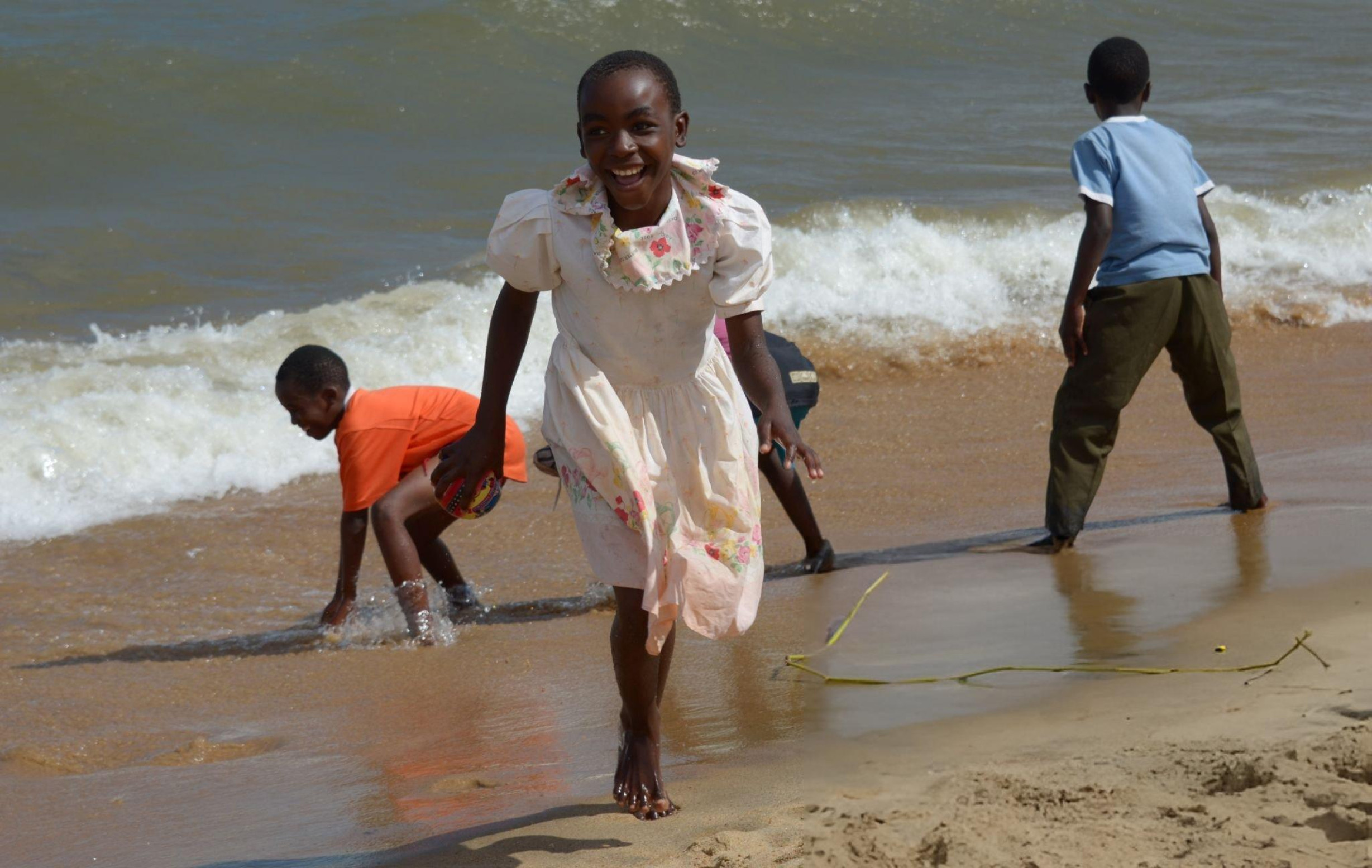
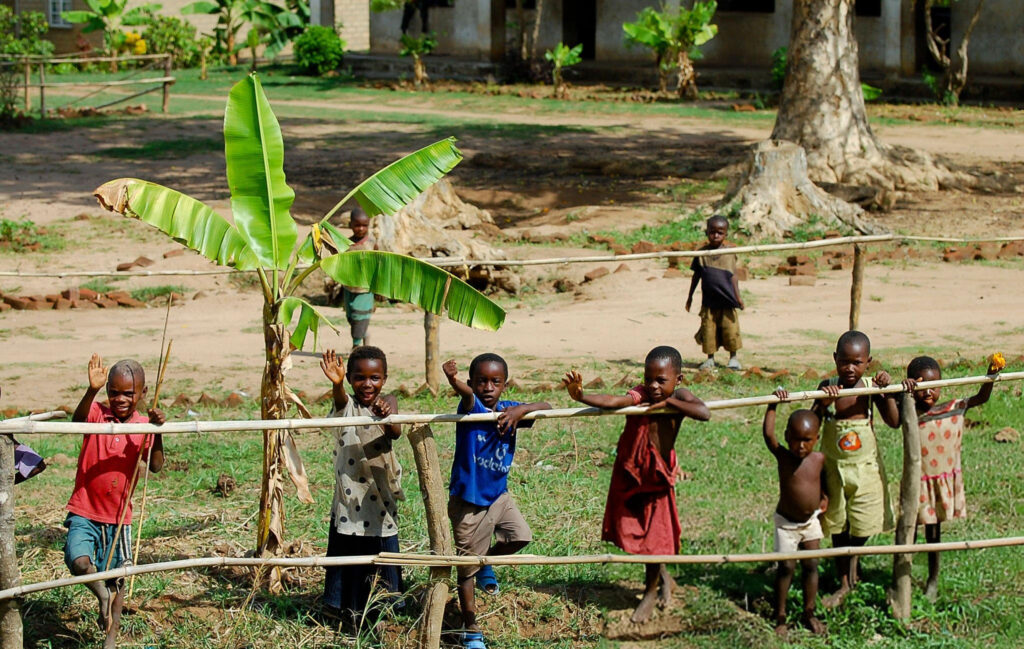
Malawi is more than kind greetings and quiet fields, it is children facing hunger, floods, and early marriage while still choosing school. From Mangochi to the southern flood zones, their resolve is clear; we are here to stand with them and keep doors open.
The Situation for Children in Malawi
Malawi is known as the “Warm Heart of Africa,” but behind its hospitality lies a quiet emergency for its youngest citizens. From flood-prone villages to food-insecure towns, many children are fighting for basics — not just dreams. These are the three most urgent challenges:
Hunger and Food Insecurity in Rural Regions
Droughts, floods, and economic hardship have left many families unable to feed their children consistently. Nearly 40% of children under five are stunted due to chronic malnutrition.
High Rates of Child Marriage and School Dropout Among Girls
Nearly half of all Malawian girls are married before age 18, often dropping out of school permanently. Poverty, tradition, and a lack of enforcement drive this crisis.
Climate Disasters Displacing Families and Disrupting Schooling
Cyclones and floods have repeatedly destroyed homes and classrooms. Displaced children often lose access to education, healthcare, and protection during recovery.
Helping Girls Escape Early Marriage and Stay in School
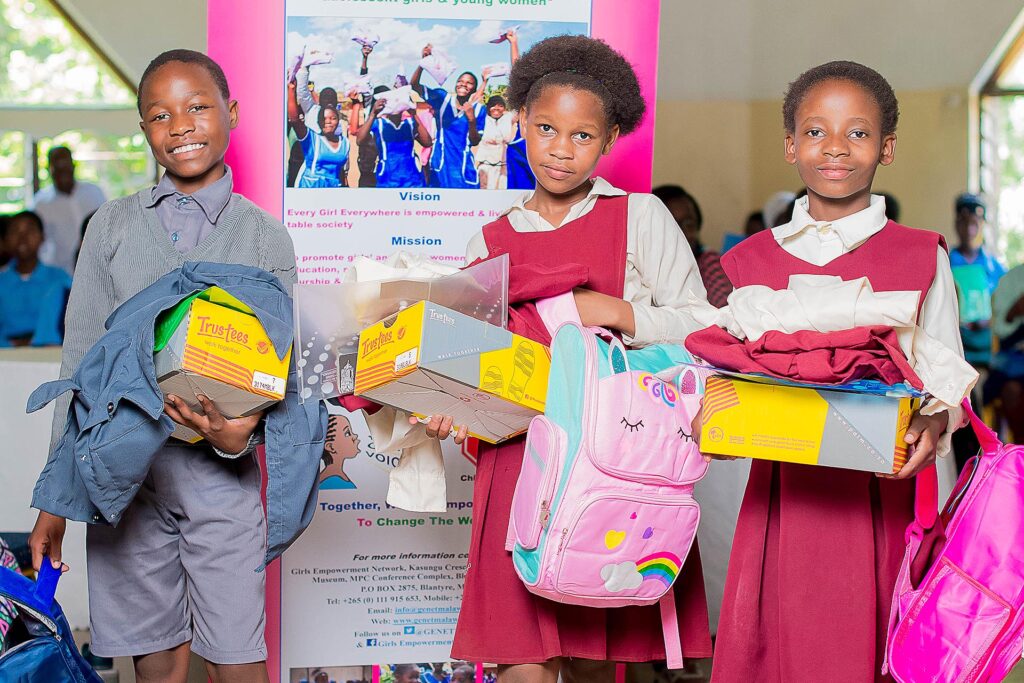
GENET meets girls at the point where pressure closes in and offers knowledge, counsel, and a plan that puts school first. Mentors host safe circles after class; girls learn about rights, health, and the power of steady attendance; they practice leadership that carries into homes and assemblies. Staff work with chiefs and parents to undo harmful arrangements and support reentry; uniforms and supplies remove small barriers; counseling steadies confidence. Legal partners act when needed; community agreements prevent repeat harm; success is celebrated publicly so the message spreads. A girl who once thought her path was set finds new direction and allies who walk beside her.
Key Contributor #2: YONECO (Youth Net and Counselling)
Feeding, Counseling, and Rebuilding Safety After Disaster
When storms scatter families and routines, YONECO brings food, counseling, and practical help that makes tomorrow feel reachable. Mobile teams find children in shelters and damaged neighborhoods; they offer safe rooms, group play, and conversations that bring calm. Child protection services reconnect youth with caregivers; radio programs let young people speak for themselves and learn where to find support. Nutrition outreach keeps bodies strong while minds heal; referrals link families to longer care and learning. The approach is local, steady, and kind; it treats recovery as a community project, not a short visit.
Key Event #1: Girls’ Return to School Campaign – Mangochi District
Reversing Early Marriage Through Community Commitment
Over one focused campaign, chiefs, teachers, families, and peers turned a hard choice into a shared promise: girls would return to class and be supported there. Caseworkers helped annul unsafe unions; mentors walked beside students to rebuild study habits; schools prepared welcome plans that honored dignity. Supplies and transport were solved with creativity; morning check ins kept momentum; public ceremonies made each return a community win. Attitudes shifted because involvement widened; responsibility no longer sat on one child’s shoulders. The result was not only enrollment, it was a blueprint for how a community protects its daughters.
Key Event #2: Emergency Learning Pods – Southern Flood Zones
Restoring Education Access for Displaced Children
When water took homes and classrooms, learning moved into tents and churches with simple kits, trained instructors, and meals that welcomed exhausted students. Lessons matched many levels; rest and play were woven in; counselors taught grounding skills that children could carry anywhere. Parents helped set schedules; volunteers kept spaces clean and safe; local leaders pledged support until repairs were done. The pods held more than classes; they held community together, one morning at a time.
Top Grassroot Nonprofits Across Malawi
Meet the five grassroot organizations seeking to make extraordinary strides in improving the lives of Malawi’s children — one community at a time.
To get started, click on the image to visit the donation page, or click on the nonprofit’s name to access their homepage.
After donating on a partner site, click the purple globe icon to register your contribution in our data tables.
Remember, your support, whether it’s visiting their homepage, donating, or following their social media, will be crucial towards helping these nonprofits grow and amplify their efforts.