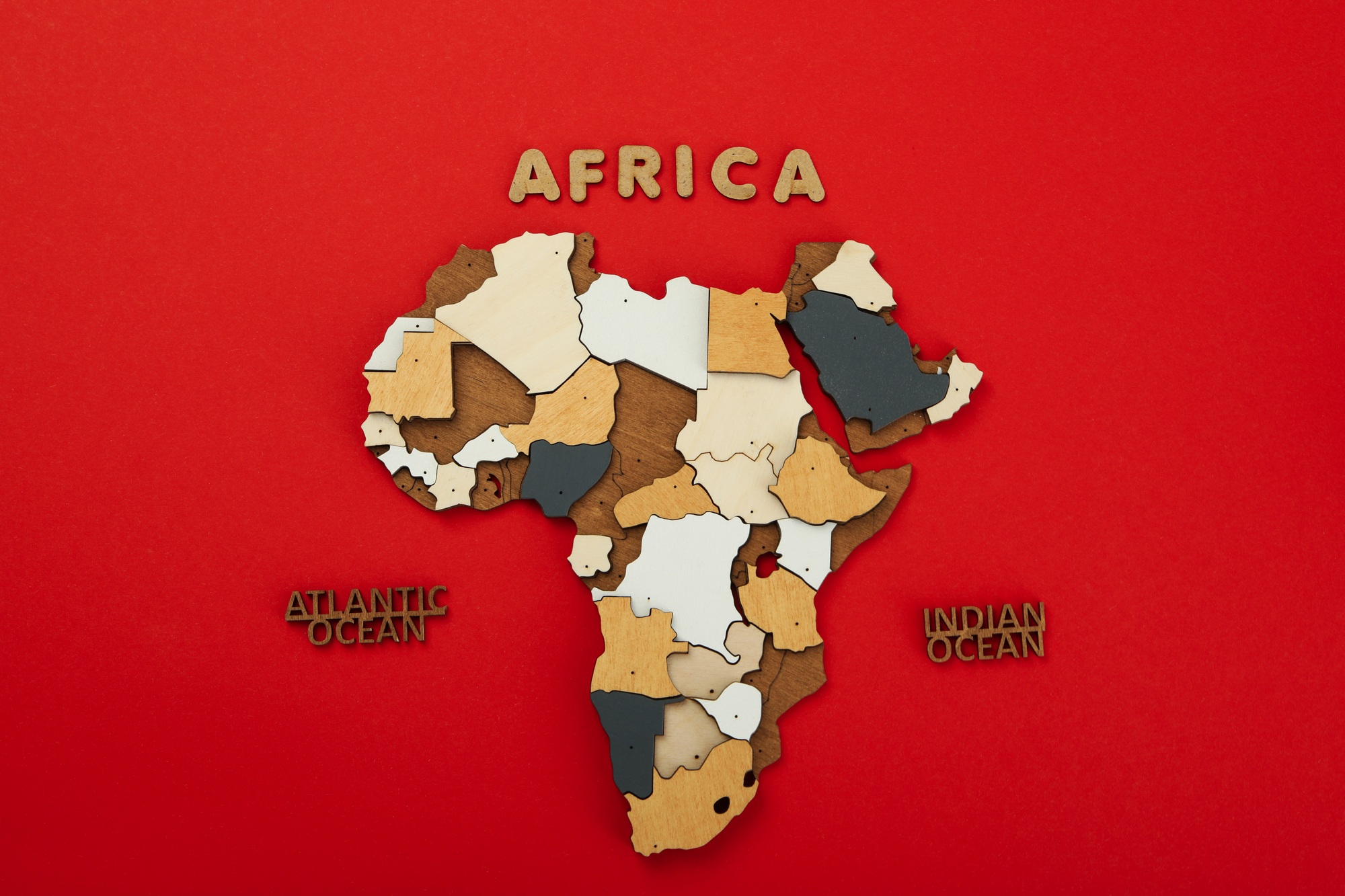
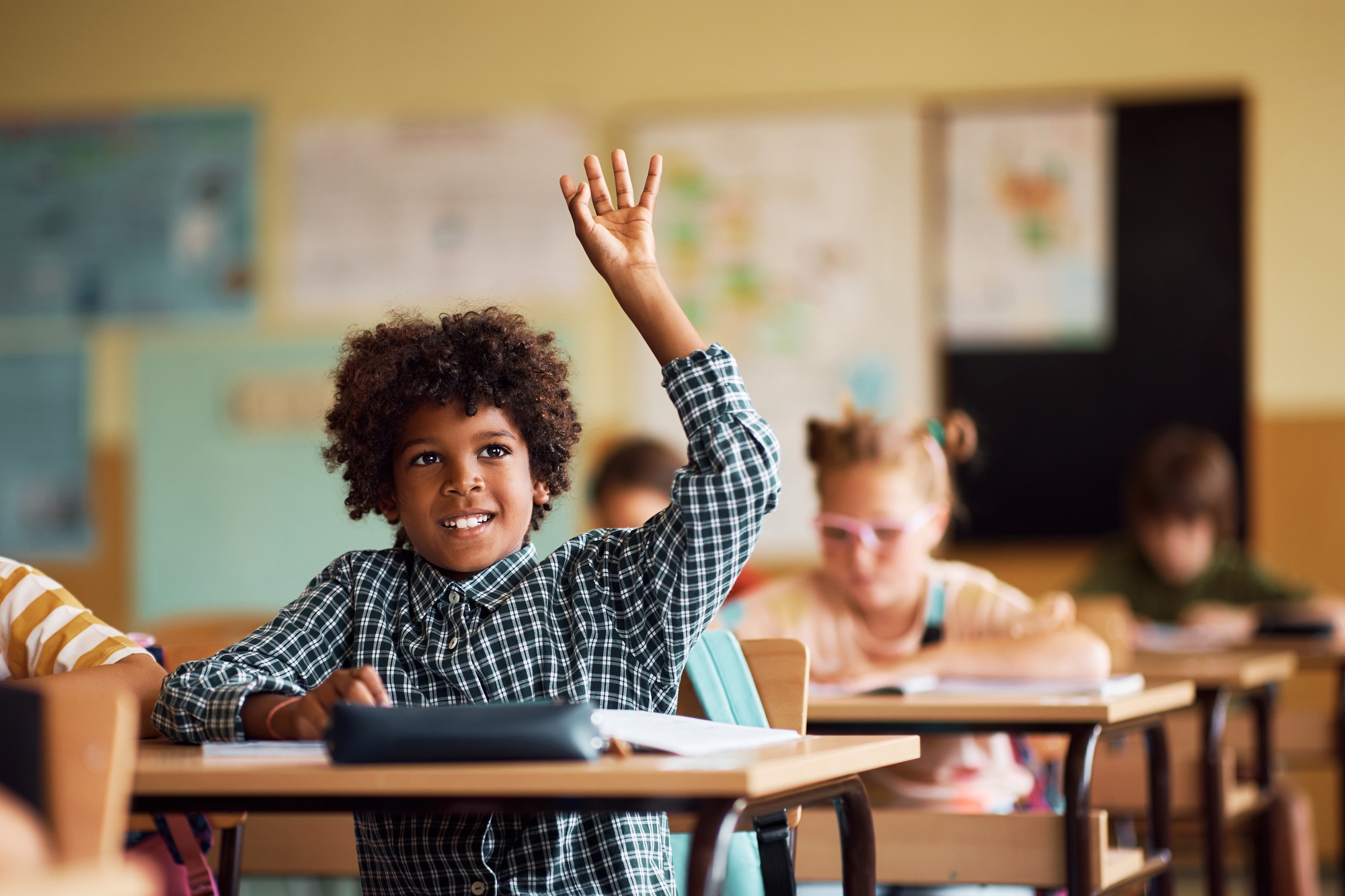
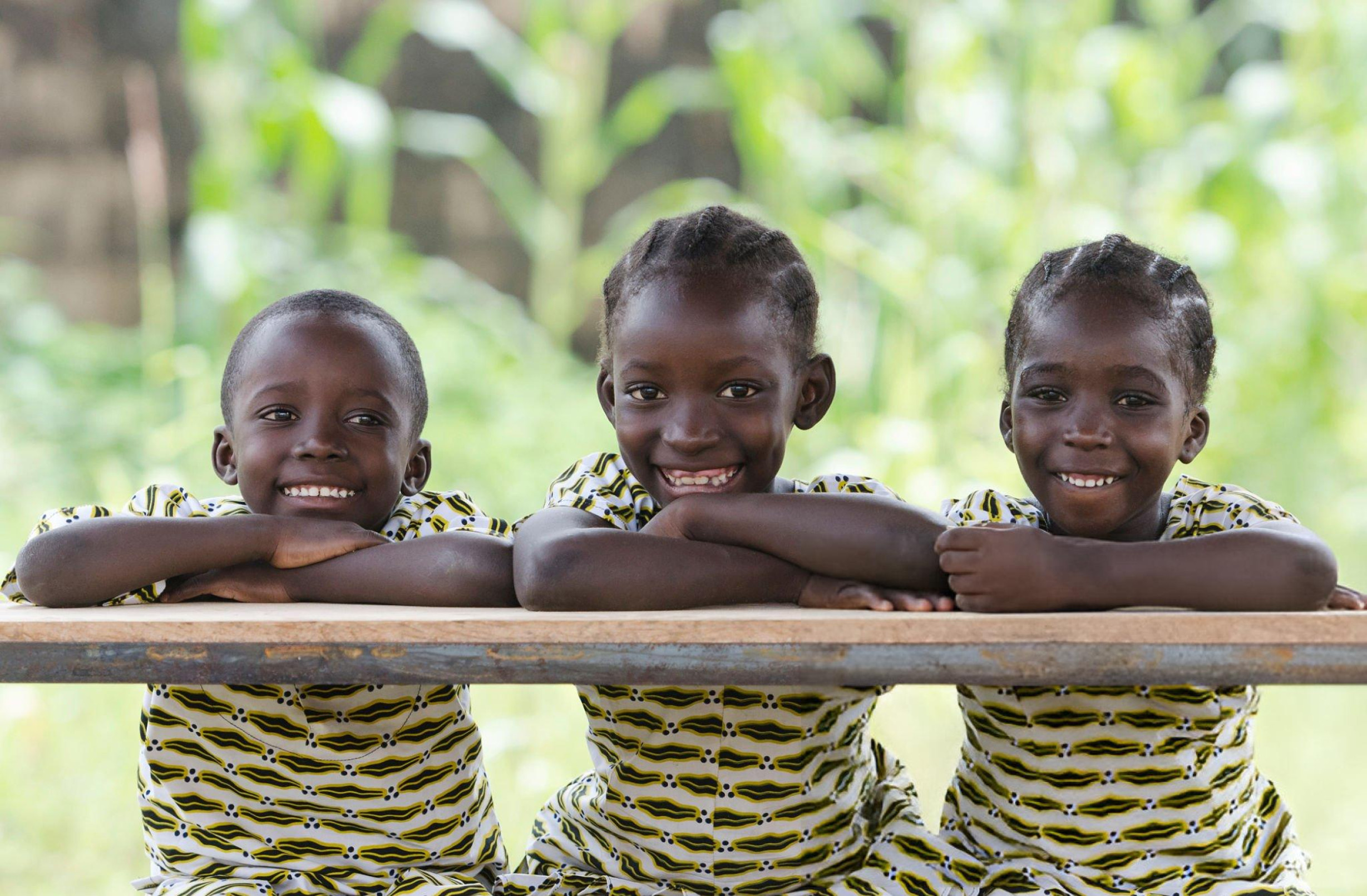
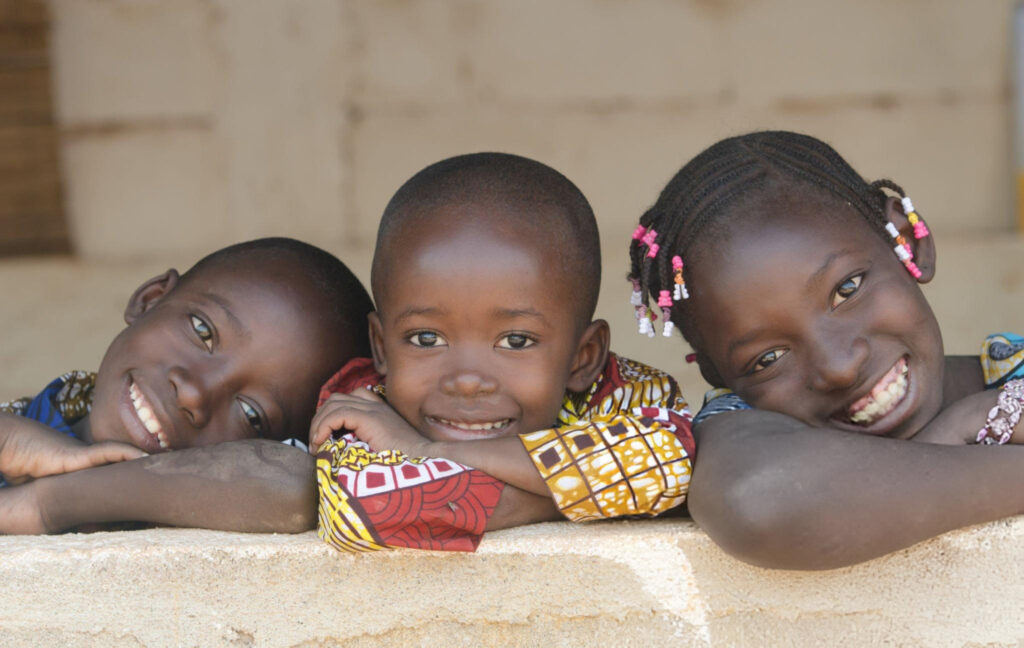
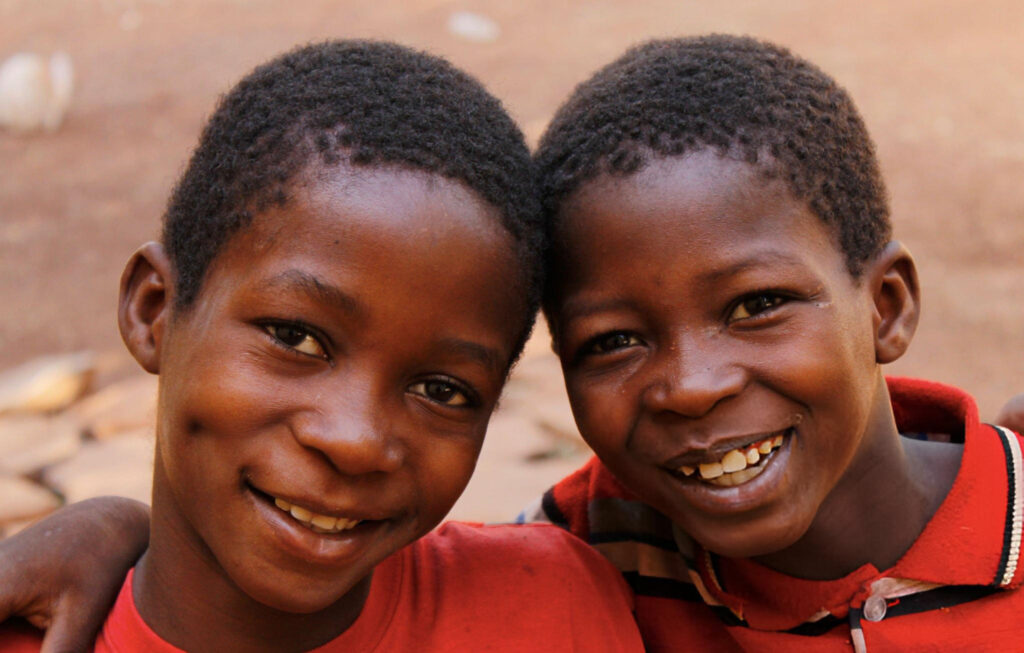
Mali is more than conflict maps and dust roads, it is children holding on to school, to peace, and to one another with quiet courage. From Mopti to Bamako and the northern camps, their voices are steady and real; we are here to honor them and help keep doors open.
Thousands of children have been forced to flee their homes due to militant violence. Some are recruited by armed groups, while others live in overcrowded camps with no access to school or protection.
Schools are frequently closed or attacked, especially in the north and central regions. Girls are disproportionately affected by early marriage, gender-based violence, and long travel distances.
Economic hardship pushes children into agricultural work, street vending, or domestic servitude. Many children never return to school — and some are trafficked or forced to beg.
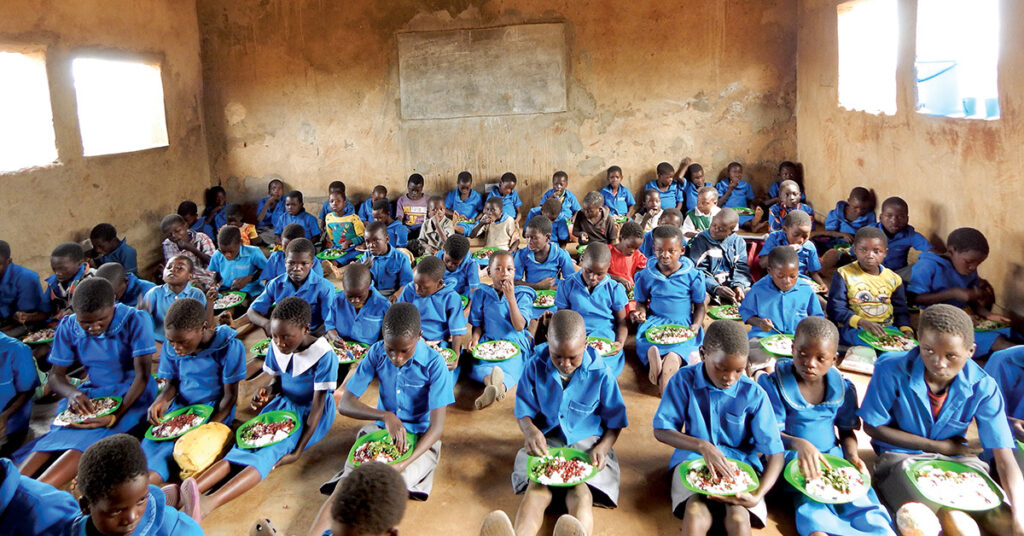
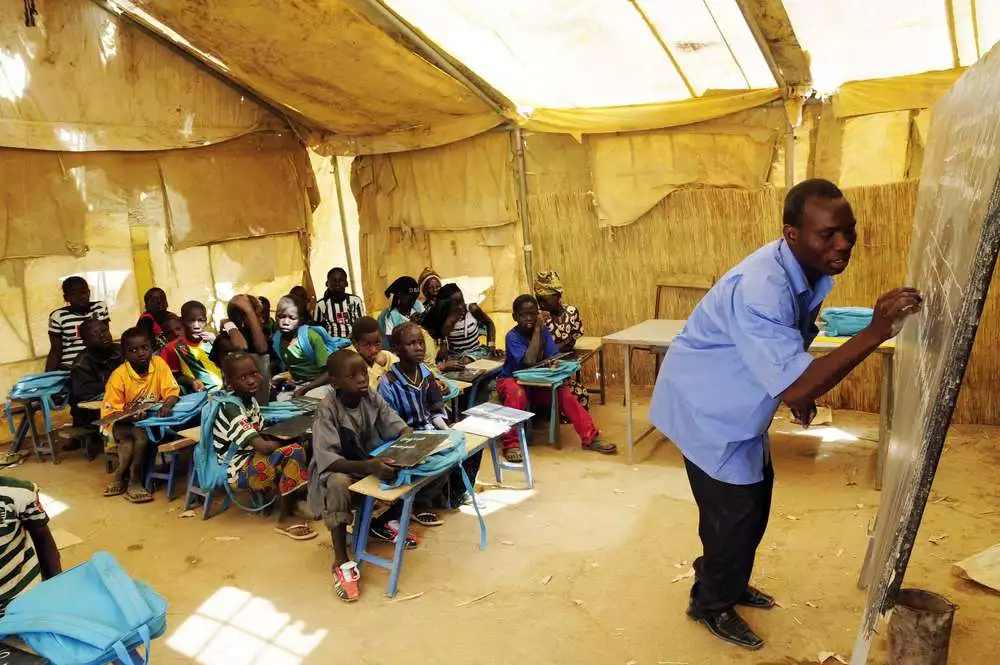
Where classrooms have fallen silent, EDUCONS rides out with chalkboards, books, and teachers trained to welcome children back at their own pace. Temporary schools rise under trees and beside tents; lessons rebuild letters and numbers alongside the habits that make learning stick. Parents and elders are invited into planning so protection and attendance become shared work. Each child receives a kit, a seat, and a name called with respect; each teacher receives support that keeps courage from running out. It is education at its simplest and strongest: local, patient, and present.
ENDA meets children at markets, crossings, and workshops where survival has pushed them into danger, then offers a way back. Social workers listen first; counseling eases fear; legal and family support rebuild safety; bridge classes reopen a path to school. Community dialogues confront norms that hide harm; youth advocates speak in circles that include imams and elders. Step by step, children move from exploitation to protection and from silence to voice.
A caravan unfolded into classrooms wherever children gathered, placing mats on sand and books in careful hands. Meals anchored the day; teachers adapted lessons for many levels; attendance held because the team returned on time. The message traveled faster than the trucks: your right to learn is moving with you.
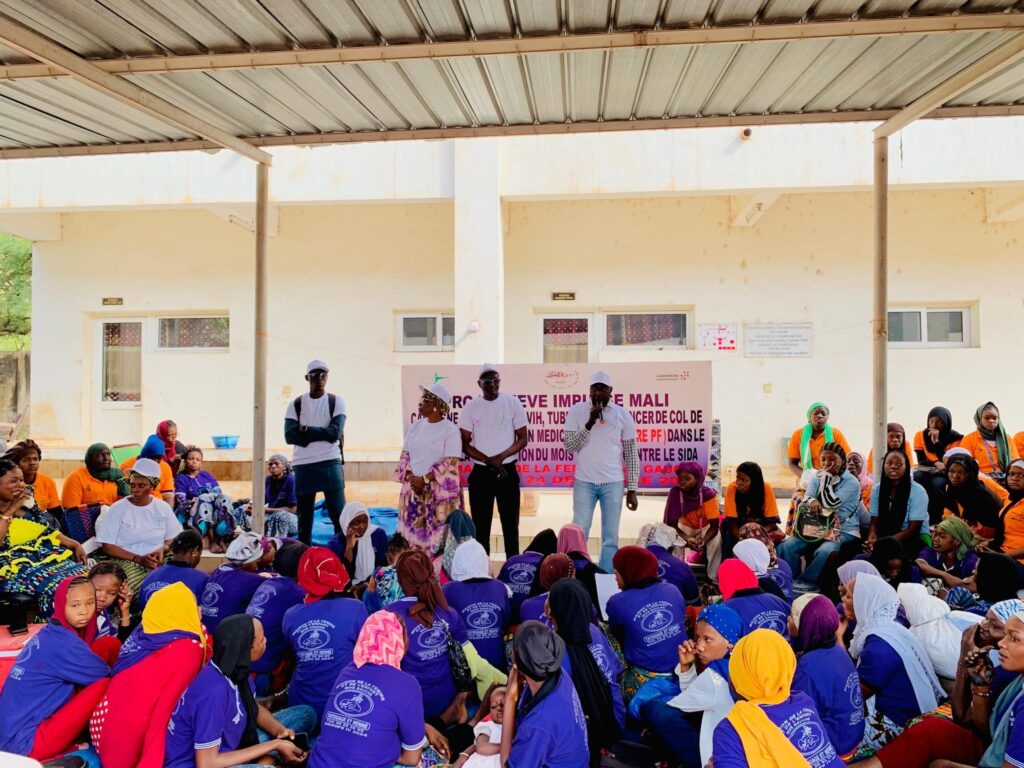
Parents, elders, and imams sat together to hear survivors, ask questions, and draft clear promises. Youth groups used music and theater to teach; hotlines and referral routes were posted where people live and work. By the end, protection felt like a community habit rather than a rare intervention. Accountability began to grow roots.
Builds rural middle schools and supports teacher training, school supplies, and local leadership to expand education access and uplift villages in Mali.
Partners with civil society groups to advance democracy, human rights, and community empowerment.
Promotes intercultural understanding and leadership development for youth through global education programs.
Helps vulnerable Malians with climate-resilient agriculture, income generation, and local development.
Works to eliminate infectious diseases by supporting vaccine access, clinical research, and health education.