Mauritania

All Revenue From Ads Go to Advertising and Support for Nonprofits

Mauritania: Restoring Childhood in the Shadows of Slavery and Silence

Explore Mauritania:

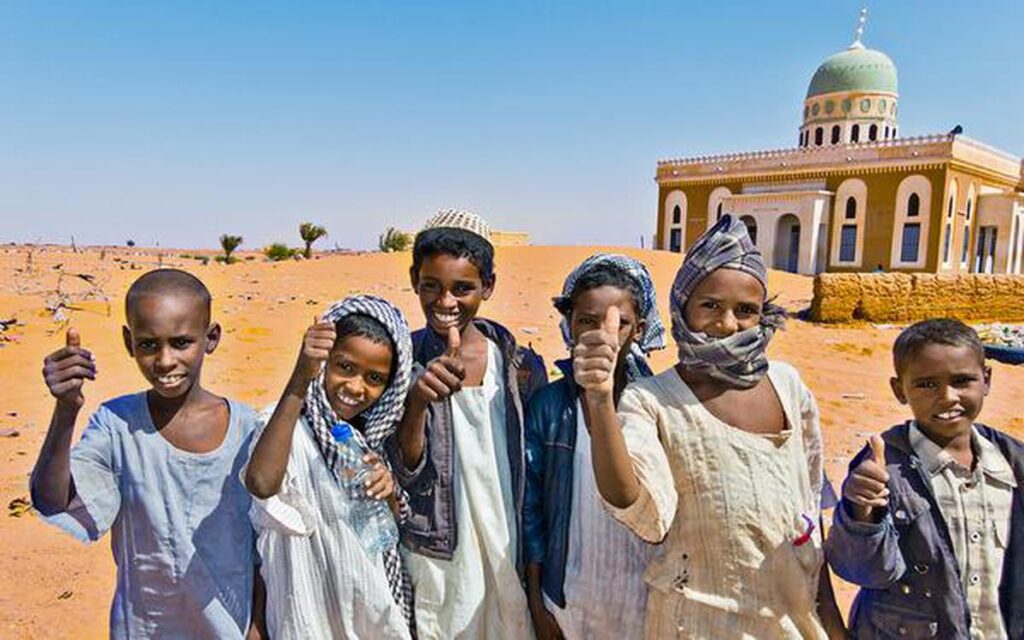
Mauritania is more than sand and silence, it is children stepping out of servitude, out of invisibility, and into classrooms with names and rights intact. From Nouakchott to Brakna and desert villages beyond, their courage asks for steady allies; we are here to answer.

The Situation for Children in Mauritania

Mauritania is a nation of vast deserts and layered traditions, but for many children, it is also a place of deep injustice. Systemic inequality, modern slavery, and school exclusion have made childhood fragile — especially for those born into the wrong class or caste. These are the three most urgent challenges:
Descent-Based Slavery and Child Domestic Servitude​
Descent-Based Slavery and Child Domestic Servitude

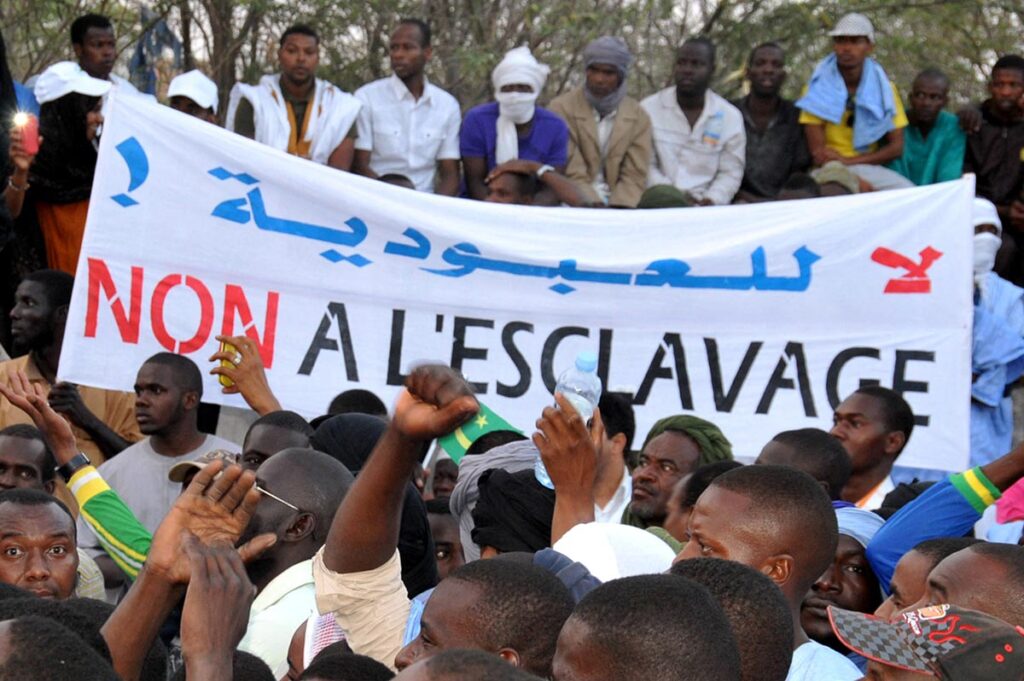
Children born into the Haratine (former slave) caste or Black African communities are still forced into unpaid labor, herding, or domestic servitude — especially girls. Legal protections exist but are rarely enforced.

Exclusion From Education Due to Poverty, Discrimination, and Gender​
Exclusion From Education Due to Poverty, Discrimination, and Gender

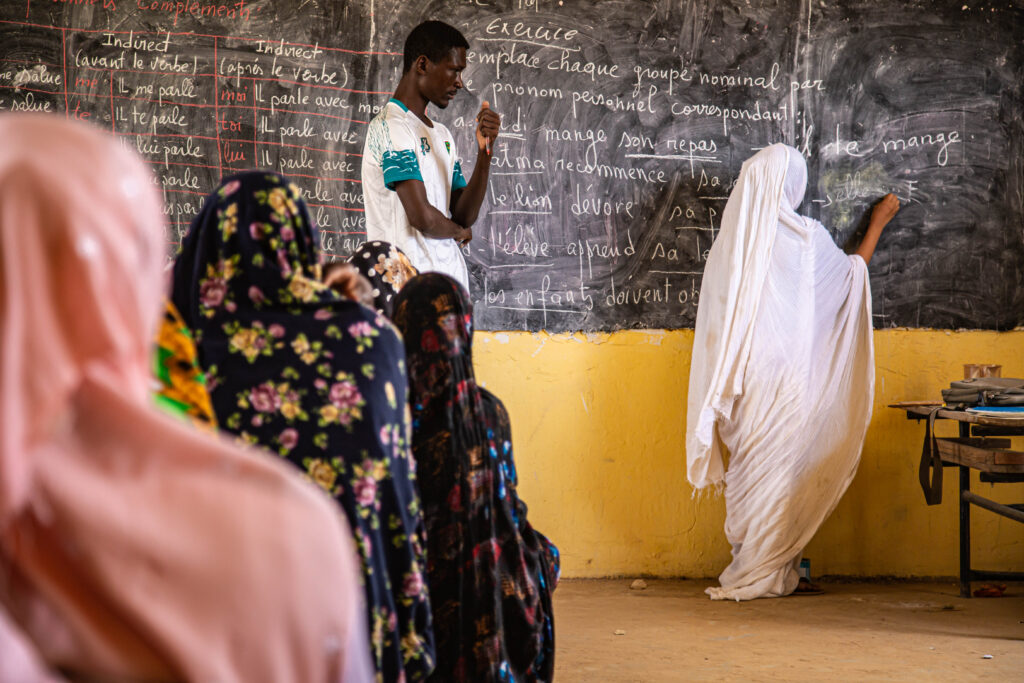
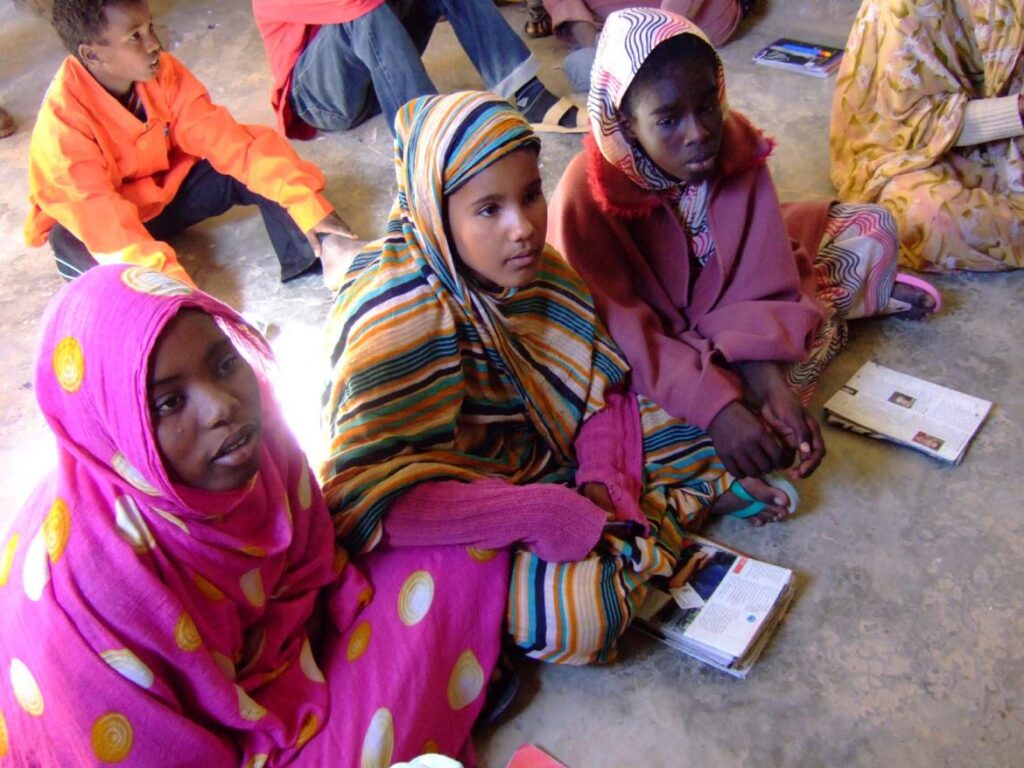
Many children in rural areas — especially girls and ethnic minorities — are excluded from schooling due to cost, language barriers, or cultural restrictions. Some schools segregate informally, and dropout rates remain high.

Statelessness and Lack of Birth Registration

Thousands of children, especially from Afro-Mauritanian or migrant communities, lack birth certificates. Without legal identity, they are barred from school, healthcare, and protection — rendering them invisible.

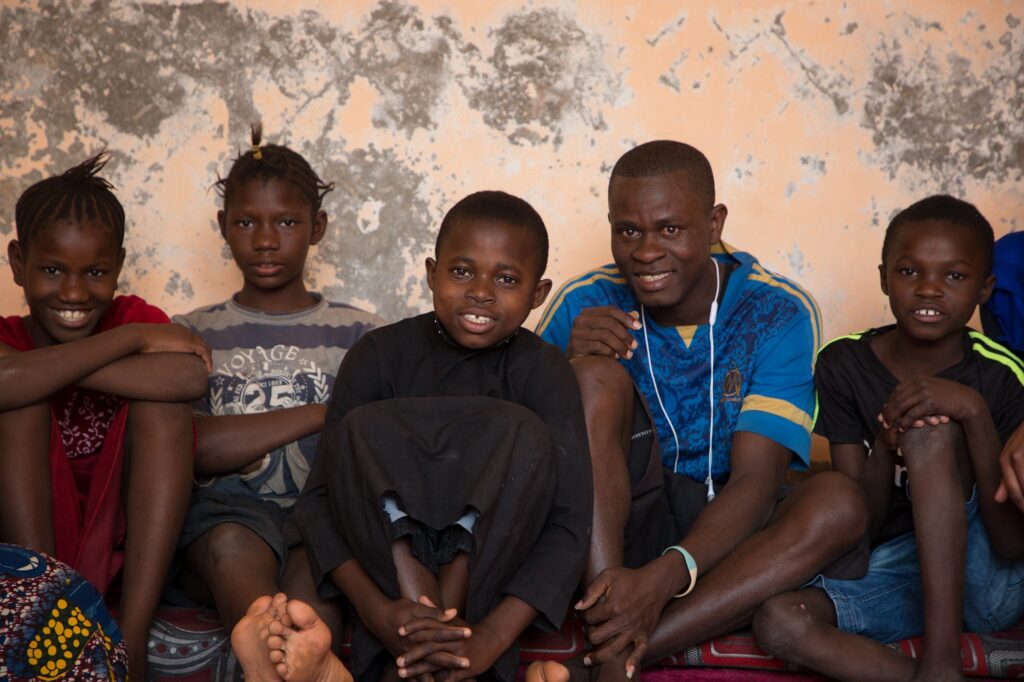
Despite these challenges, Mauritania’s children remain full of hope, dreaming of education, health, and opportunities for a better tomorrow.
Key Contributor #1: SOS Esclaves

Freeing Children From Modern Slavery and Fighting for Justice

For children born into descent based servitude, SOS Esclaves is a doorway and a shield. The team rescues, shelters, and enrolls survivors in school; lawyers pursue rare but vital prosecutions; counselors help families rebuild trust in one another and in the law. Community outreach teaches rights and routes to help; caseworkers follow every step so gains do not slip away. Freedom is not only legal here, it is daily: a uniform, a meal, a quiet bed, a future named aloud.

SOS Esclaves
Association des Femmes Chefs de Famille (AFCF)

Key Contributor #2: Association des Femmes Chefs de Famille (AFCF)

Defending Girls and Stateless Children From Abuse and Exclusion

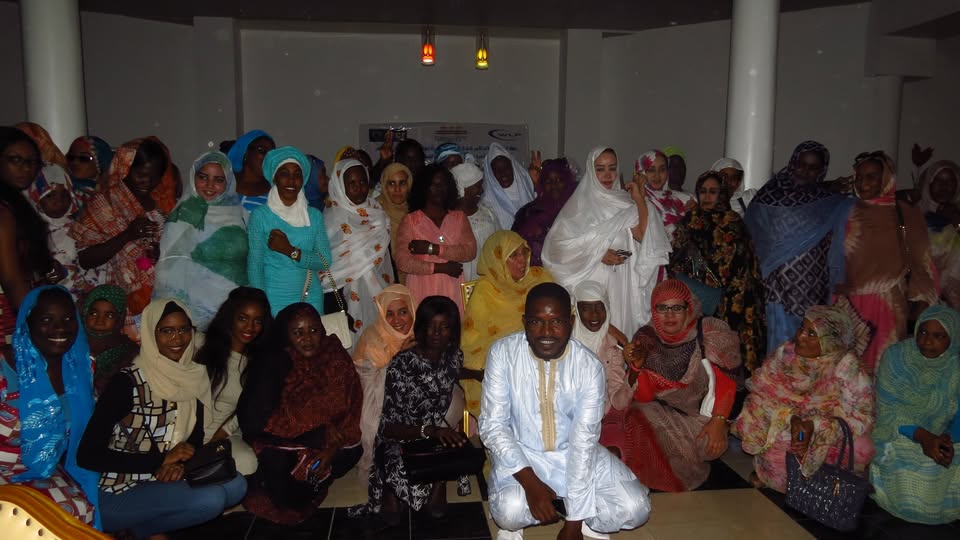
AFCF receives girls escaping violence and children without papers, then walks them through safety, documentation, and school. Shelters feel like home; social workers keep pace with each case; teachers and lawyers coordinate so protection becomes practical. Mobile clinics and legal days meet families where they are; identity documents unlock services; dignity returns with a name on record. The work turns erasure into belonging.

Key Event #1: Freedom Through Education Campaign – Brakna Region

Transitioning Formerly Enslaved Children Into School and Safety

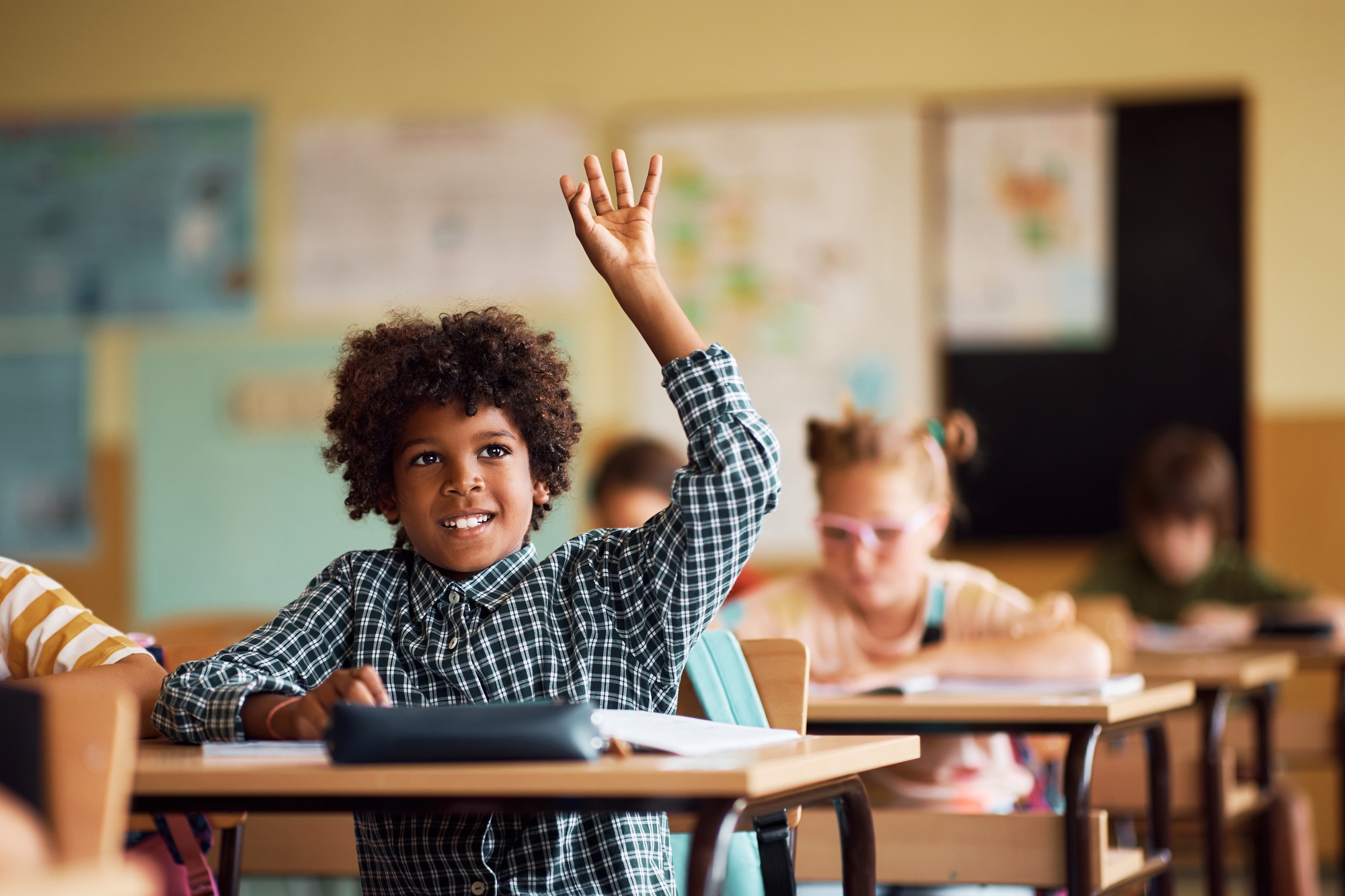
Uniforms, meals, and trauma aware classrooms welcomed children newly freed from domestic servitude. Teachers were trained to notice fear and celebrate small wins; mothers attended rights workshops; attendance held as confidence grew. The campaign proved what freedom needs to last: a desk, a plan, a community that keeps watch.

Freedom Through Education Campaign – Brakna Region
Identity for Every Child Drive – Nouakchott

Key Event #2: Identity for Every Child Drive – Nouakchott

Registering Stateless Children and Reopening Doors to School

Volunteers moved door to door with forms and patience; mobile legal teams checked cases; officials processed documents that had felt out of reach for years. Hundreds of children received proof of identity; enrollment followed; clinic doors opened. A piece of paper changed daily life; a child moved from unseen to protected.

Top Grassroot Nonprofits Across Mauritania

Meet the five grassroot organizations seeking to make extraordinary strides in improving the lives of Mauritania’s children — one community at a time.

To get started, click on the image to visit the donation page, or click on the nonprofit’s name to access their homepage.

After donating on a partner site, click the purple globe icon to register your contribution in our data tables.

Supports children and disadvantaged families through schooling, health access, and family empowerment.

Assists migrants, refugees, and displaced persons with shelter, reintegration, and health services.

Works with communities to improve child well-being through clean water, education, and faith-led outreach.

Provides clean water, food, health services, education support, and livelihood assistance to vulnerable communities across Mauritania

Strengthens local organizations and governance to deliver sustainable health and development solutions.

Remember, your support, whether it’s visiting their homepage, donating, or following their social media, will be crucial towards helping these nonprofits grow and amplify their efforts.