Mauritius is more than beaches and postcards, it is children facing abuse, exclusion, and the quiet ache of being left behind by school. From Port Louis to Curepipe and coastal estates, their truths deserve room and remedy; we are here to stand with them.
Many children in low-income neighborhoods experience emotional, physical, or sexual abuse — often in silence. Shame, fear, and cultural taboos prevent them from seeking help.
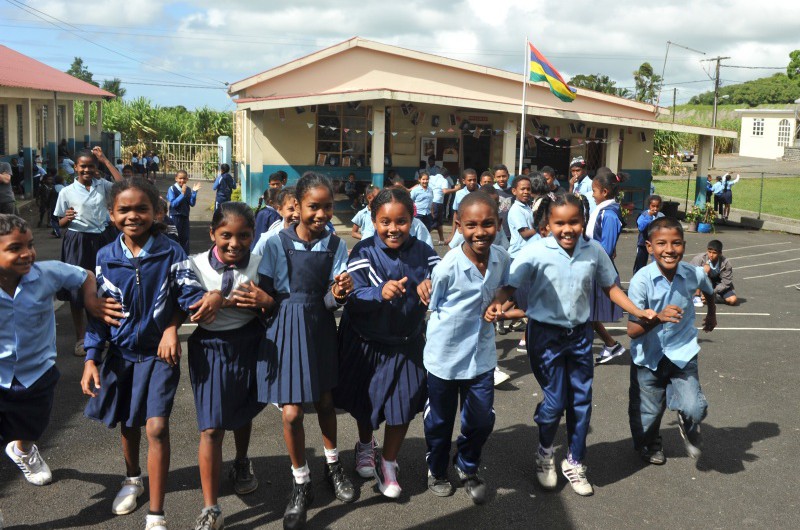
While education is technically free, private tutoring, transport costs, and unequal school quality leave low-income children — especially in rural and coastal areas — struggling to stay in class.
Unemployment, substance abuse, and family fragmentation have led to increased juvenile delinquency, mental health struggles, and neglect — particularly in areas like Roche Bois and Cité La Cure.
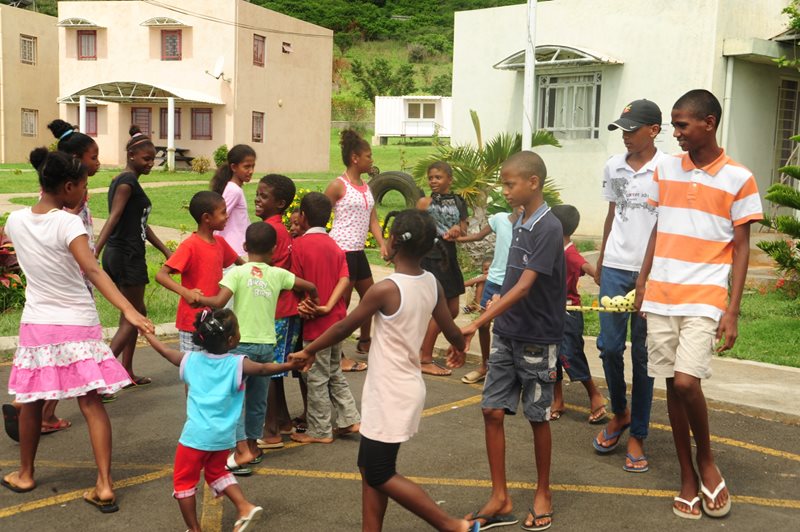
CEDEM opens warm, family style shelters where children recover from harm with counseling, tutoring, and steady care. Caseworkers rebuild links to safe relatives or long term guardians; school reintegration plans protect dignity and pace; prevention programs teach adults how to see and respond. Trust grows in small, daily ways: a quiet breakfast, a kind teacher, a bedtime story. When a child is believed and protected, healing begins, and learning follows.
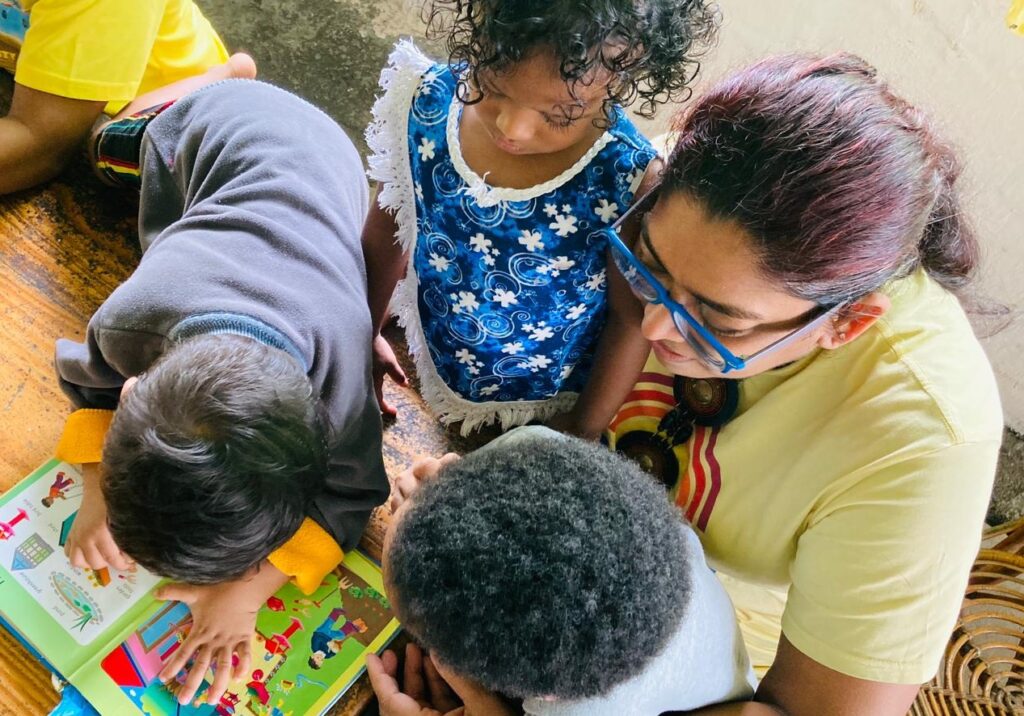
PADE welcomes children labeled as failures and shows them that learning can fit their minds and lives. Classes use play, creativity, and patient instruction; mentors guide focus and confidence; families learn how to support progress without shame. Training helps schools adapt, not exclude; community events celebrate strengths often missed. A child who once hid at the back of the room steps forward and speaks.
Paintings, poems, and anonymous stories filled public rooms where children could speak and be safe. The exhibition sparked teacher trainings on recognizing and responding to abuse; conversations spread from galleries to staff rooms and homes. When truth is seen, protection becomes possible, and the country begins to change its mind.
Children who had been dismissed as slow led demonstrations in science, music, and storytelling; parents and teachers joined workshops on emotional learning and inclusive practice. Pride replaced shame; curiosity replaced fear; classrooms began to look wider. The festival rewrote who gets to shine and how success is measured.
Assists low-income families with food support, education initiatives, and medical relief.
Fights poverty by providing food, educational aid, and basic healthcare to vulnerable communities.
Empowers women and girls through skills training, leadership programs, and gender equality advocacy.
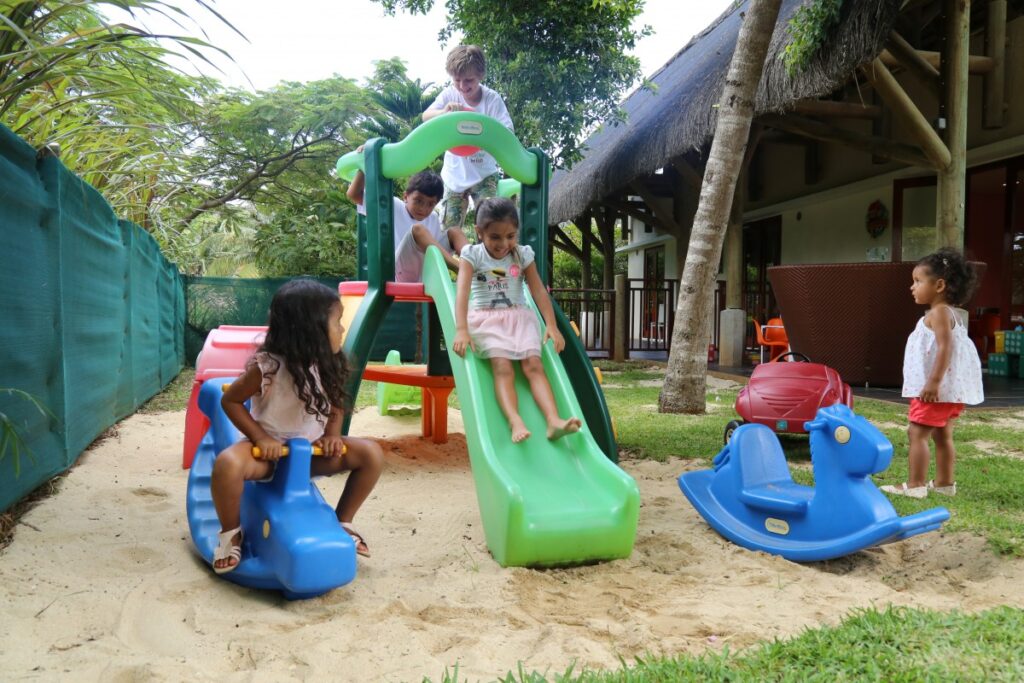
Supports children and vulnerable families via kindergartens, after-school learning, parent training, and community aid.
Reduces food waste and hunger by rescuing surplus food and redistributing it to those in need.