All Revenue From Ads Go to Advertising and Support for Nonprofits
Mozambique: Holding on to Childhood Through Storms and Struggle
Explore Mozambique:
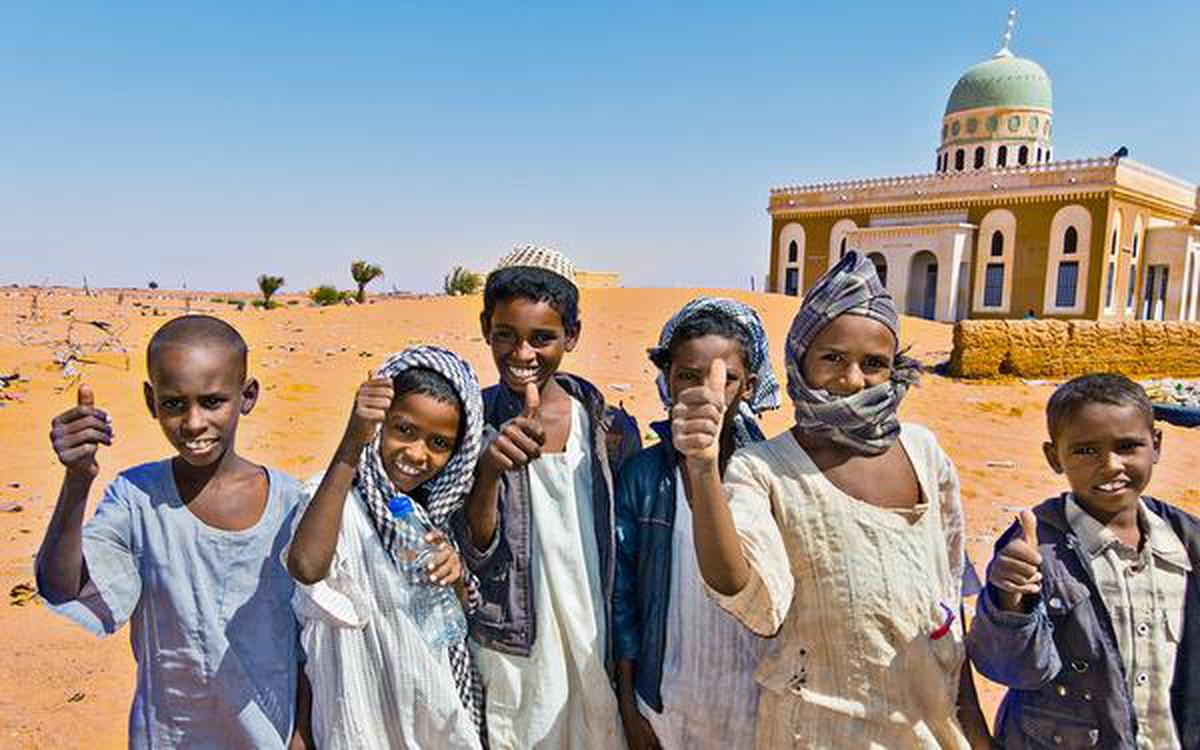
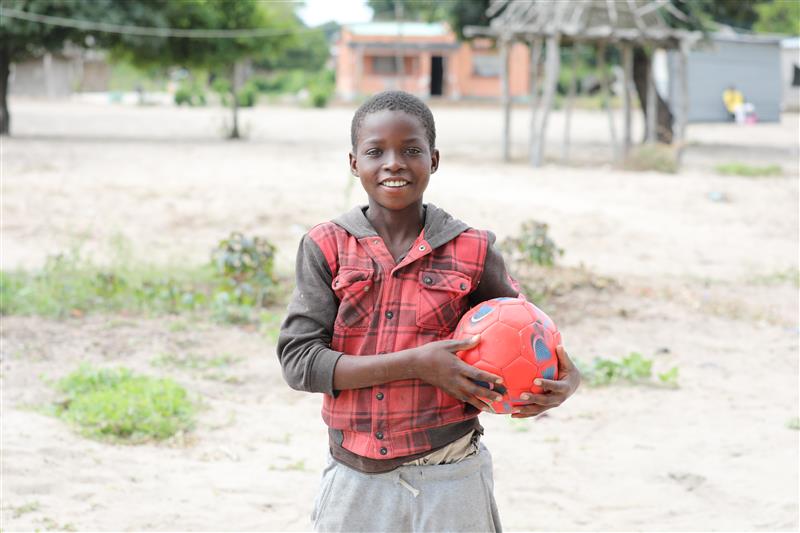
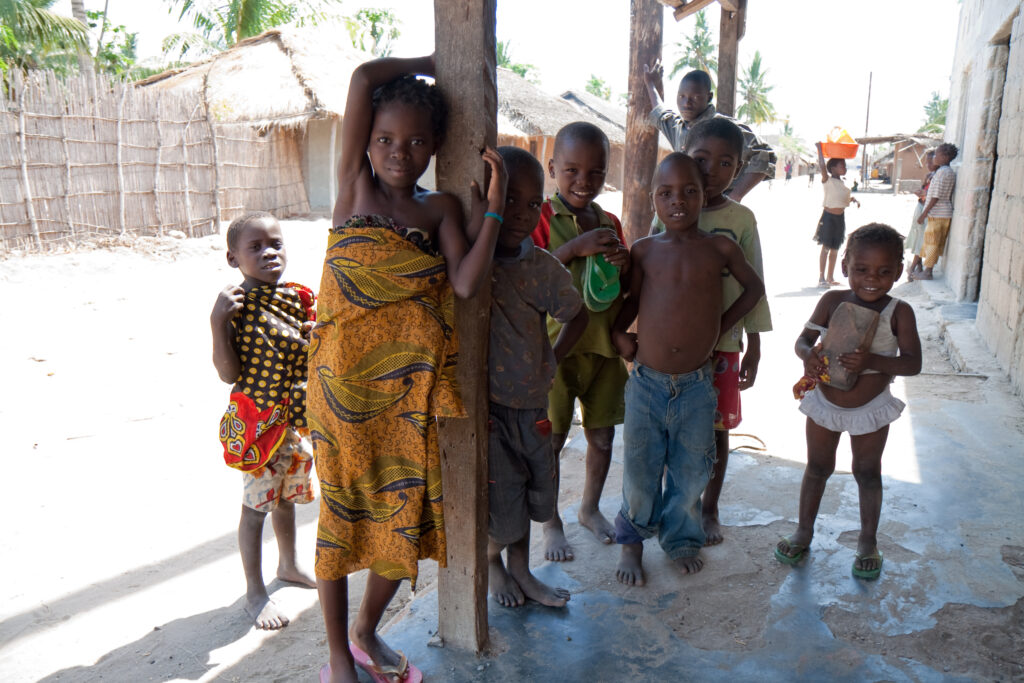
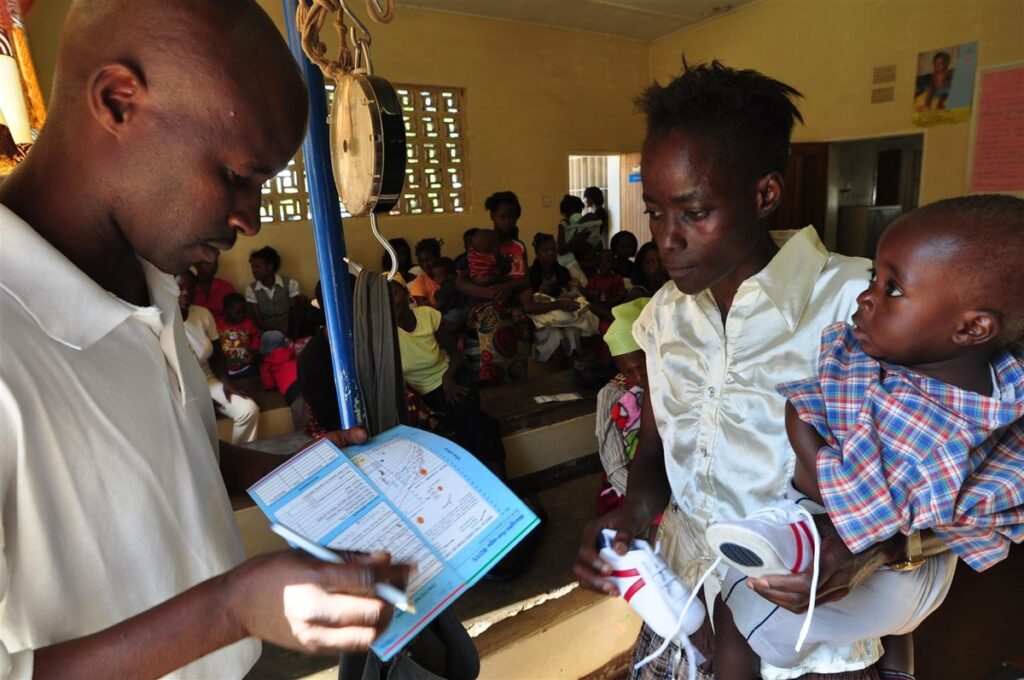
Mozambique is more than storms and headlines, it is children carrying on through conflict, hunger, and long roads to class with a calm that teaches all of us. From Cabo Delgado to Zambézia and Maputo’s edges, their voices deserve light and follow through; we are here to lift them.
The Situation for Children in Mozambique
Mozambique’s children are growing up amid overlapping crises — from armed conflict in the north to devastating cyclones along the coast. In both rural and urban areas, many children face daily danger, hunger, or loss. These are the three most urgent challenges:
Conflict and Displacement in Northern Provinces
Ongoing violence in Cabo Delgado has displaced over 1 million people. Children live in camps with little access to schooling, security, or psychosocial support, and some are vulnerable to trafficking or recruitment.
Mozambique is one of the world’s most disaster-prone countries. Repeated cyclones and floods have destroyed schools, homes, and healthcare facilities, leaving children without stability or shelter.
Early Marriage and Exploitation in Rural Communities
In many provinces, girls as young as 12 are married due to poverty, tradition, or displacement. Others are forced into domestic labor or trading sex for food and protection.
Despite these challenges, Mozambique’s children remain full of hope, dreaming of education, health, and opportunities for a better tomorrow.
Key Contributor #1: Associação Hixikanwe
Providing Emergency Support and Protection for Displaced Children
In the crowded camps of the north, Hixikanwe begins with presence, food, and a gentle welcome that steadies frightened children. Mobile teams register new arrivals, place school kits, and guide families toward safe spaces where learning and play return in small, healing steps. Caseworkers track each child with care; counselors lead circles that help fear loosen; protection officers watch for the risks that hide in confusion. Girls’ clubs teach rights and boundaries; boys learn to look out for one another; parents practice routines that make classrooms possible again. Nothing is loud, everything is close, and progress is measured in quiet wins: a full meal, a friend found, a page finished. In a place shaped by loss, Hixikanwe keeps dignity close and the path to school open.
Key Contributor #2: Geração Biz Program (Youth Generation Program)
Empowering Youth With Life Skills, Reproductive Health, and Rights Education
Peer educators gather teens in courtyards and classrooms to talk about health, choice, and respect, then stay long enough for questions that are hard to ask. Sessions mix clear facts with role play and problem solving; girls learn language that protects them; boys learn how care looks in practice. Referrals connect students to clinics without shame; leadership tracks invite youth to mentor others; parents are welcomed into honest conversations. In rural schools and busy towns, the message is constant: your body, your voice, your future. Step by step, confidence rises, early marriage loses ground, and the walk to class feels safer. What begins with information becomes a movement for dignity that teenagers can carry themselves.
Key Event #1: Girls’ Rights Caravan – Zambézia Province
Mobilizing Communities to End Child Marriage Through Art and Dialogue
A youth led convoy arrived with music, theater, and open forums; village squares filled with girls, parents, and elders ready to talk. Testimonies broke silence; peer educators answered hard questions; health teams explained options and rights with patience. Leaders pledged to delay marriages; families signed up for school support; girls left with contacts and courage. The caravan turned awareness into relationship and relationship into protection, one stop at a time.
Bringing Education and Healing to Children Displaced by Conflict
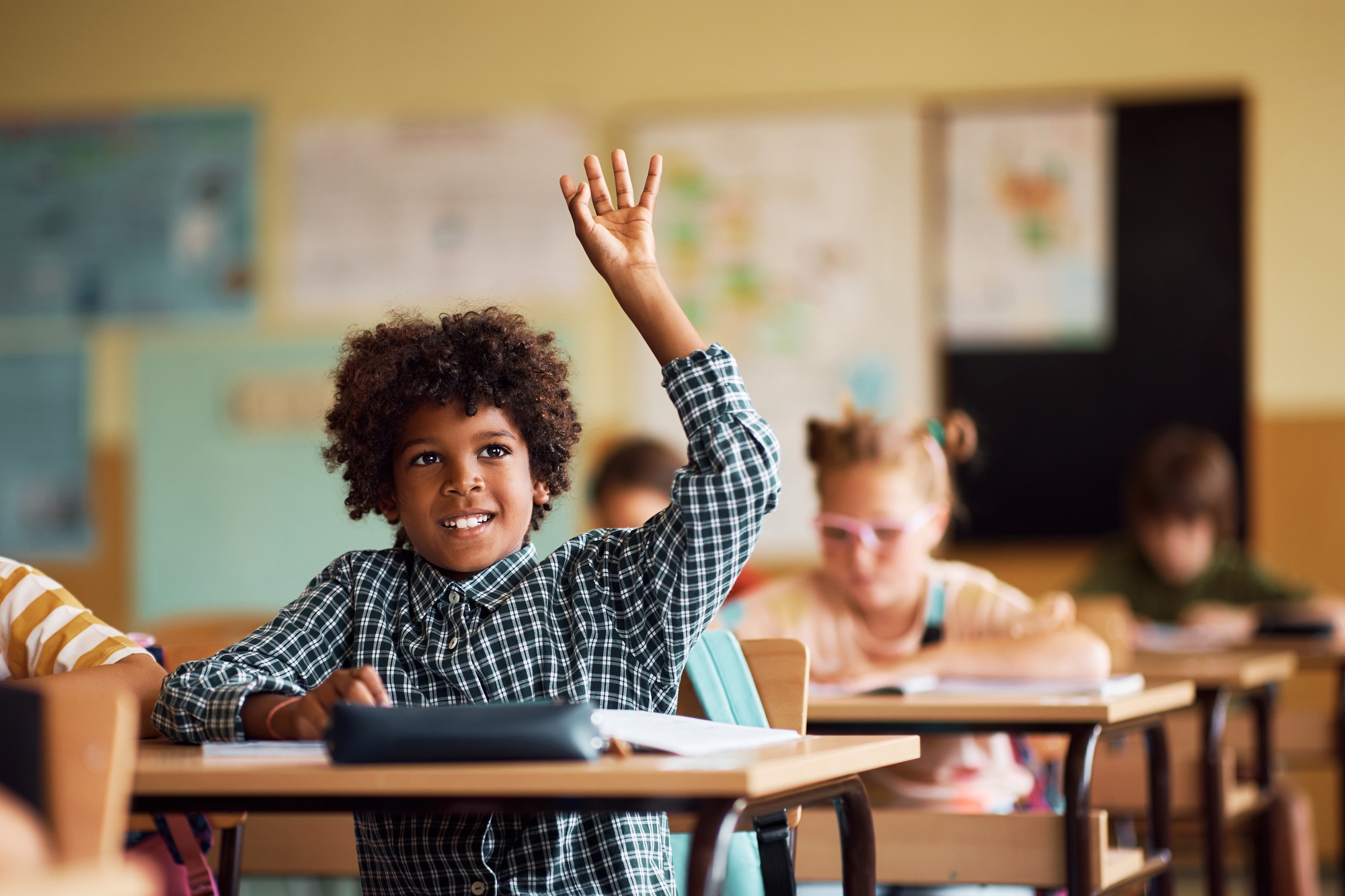
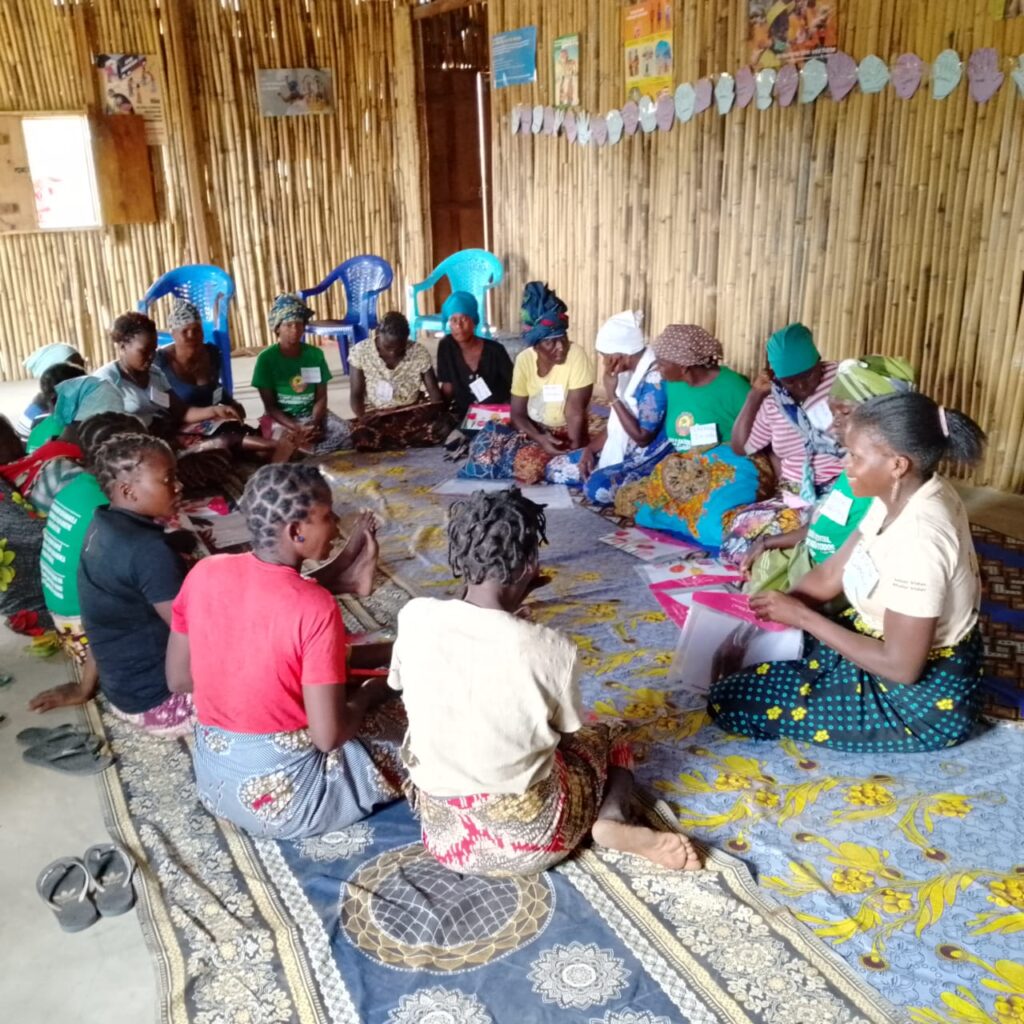
Tents opened into classrooms where songs, stories, and simple routines helped children breathe again. Teachers blended early learning with practices that calm the body; parents joined group sessions that named fear and taught ways to keep evenings gentle. Children drew pictures of home, practiced letters, and found their names on attendance lists that promised tomorrow. A mat on sand became a circle of safety; a small shelf of books became a reason to arrive on time; a chalkboard became a door to what comes next. The spaces were simple, the effect profound: school returned, and with it a piece of childhood.
Top Grassroot Nonprofits Across Mozambique
Meet the five grassroot organizations seeking to make extraordinary strides in improving the lives of Mozambique’s children — one community at a time.
To get started, click on the image to visit the donation page, or click on the nonprofit’s name to access their homepage.
After donating on a partner site, click the purple globe icon to register your contribution in our data tables.
Remember, your support, whether it’s visiting their homepage, donating, or following their social media, will be crucial towards helping these nonprofits grow and amplify their efforts.