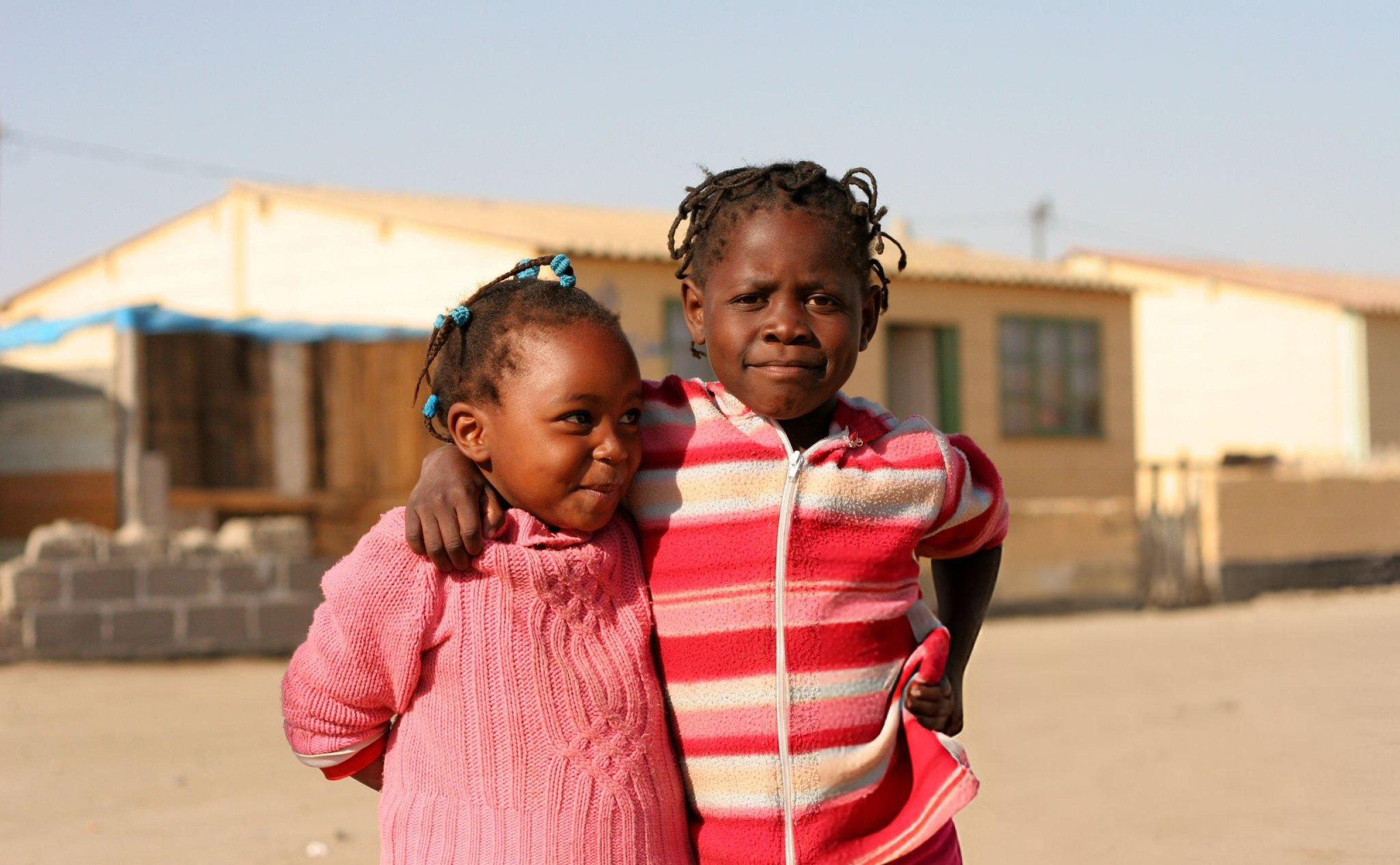
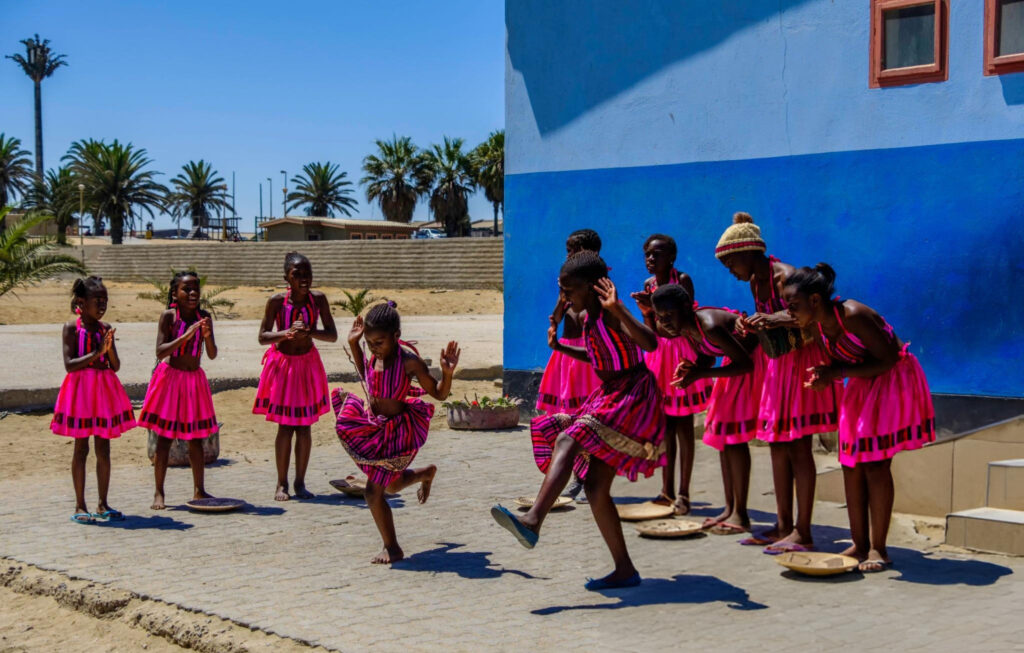
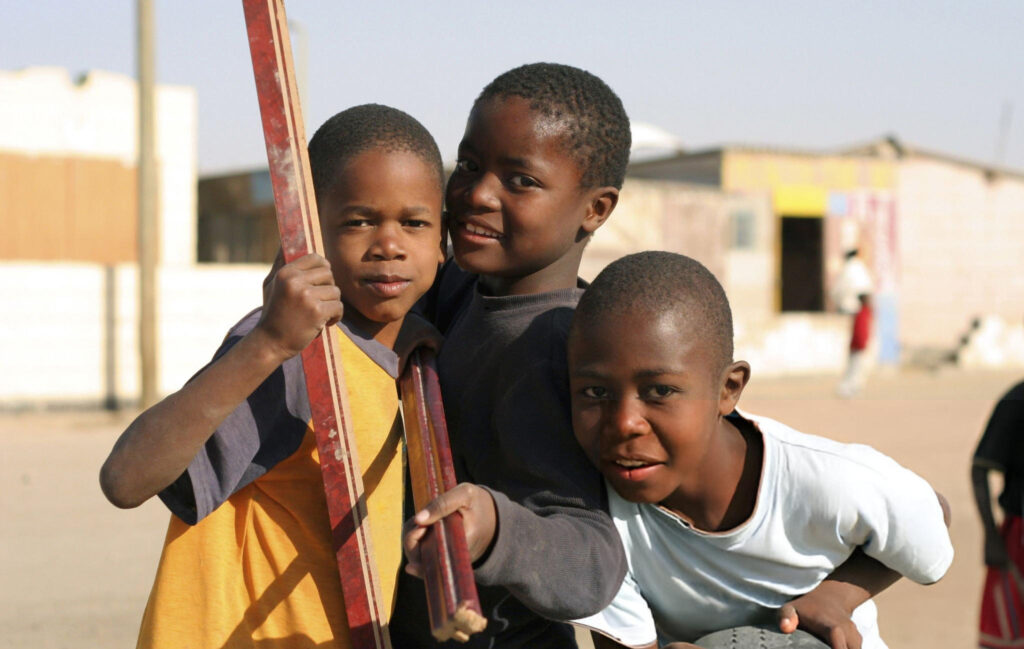
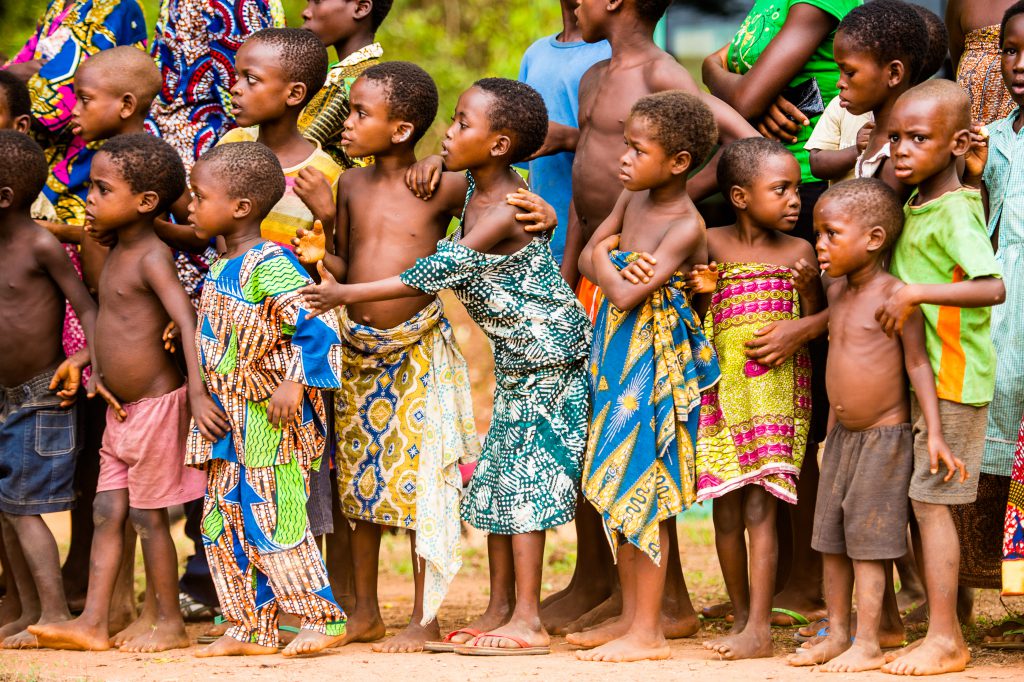
Namibia is more than dunes and distance, it is children navigating hunger, exclusion, and quiet neglect while reaching for school and belonging. From Katutura to the drought hit north, their needs are clear; our job is to stand close, listen well, and help carry the load.
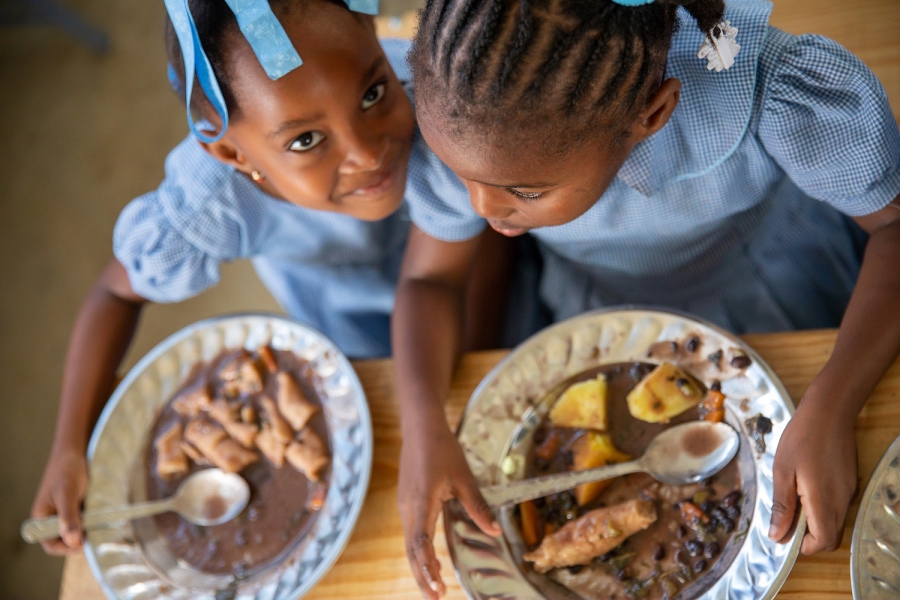
Nearly 1 in 4 Namibian children is stunted due to chronic malnutrition. Hunger is most severe in drought-prone northern regions and overcrowded informal settlements.
While Namibia’s school enrollment rates are relatively high, many children with disabilities lack appropriate services. In remote areas, schools may lack classrooms, teachers, or resources — driving dropouts.
In areas like Katutura and Havana, rapid urban migration and unemployment have created fragile homes. Many children live without engaged guardians, facing neglect, abuse, or a lack of emotional support.
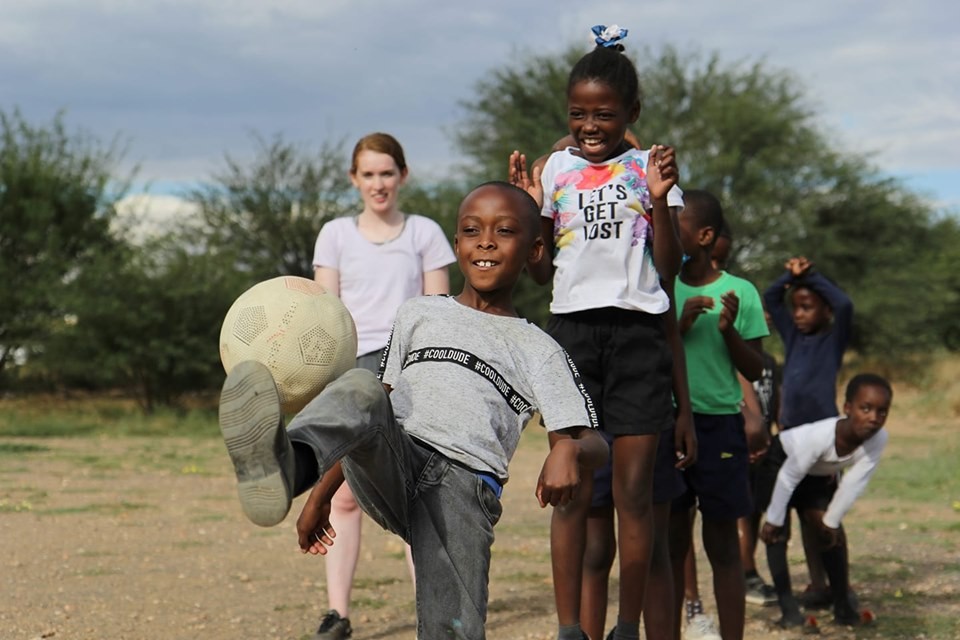
In Windhoek’s underserved neighborhoods, PAY pairs hot meals with homework help, mentoring, and play so children can learn without the weight of hunger and worry. Afternoons start with food, then settle into reading, numbers, and small group check ins that teach focus and trust. Coaches model teamwork; tutors celebrate steady effort; health sessions catch problems before they grow. For children who live with fragile routines, PAY provides a second home where adults remember their names and show up on time. Confidence rises as stomachs fill; grades improve; tempers cool; friendships take root. It is ordinary care done faithfully, and that is why it works.
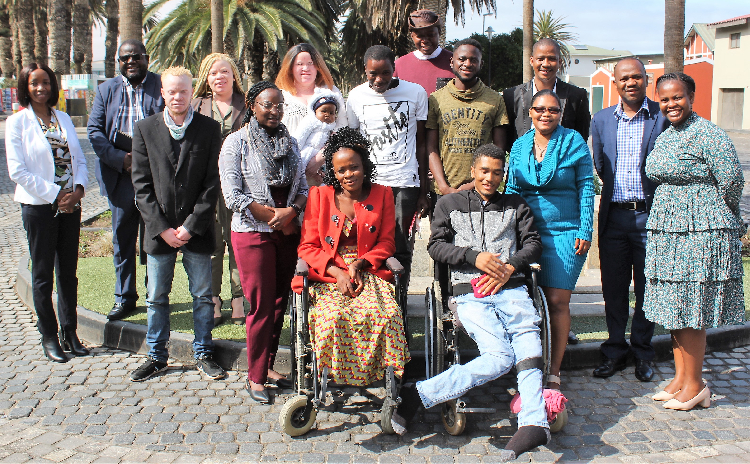
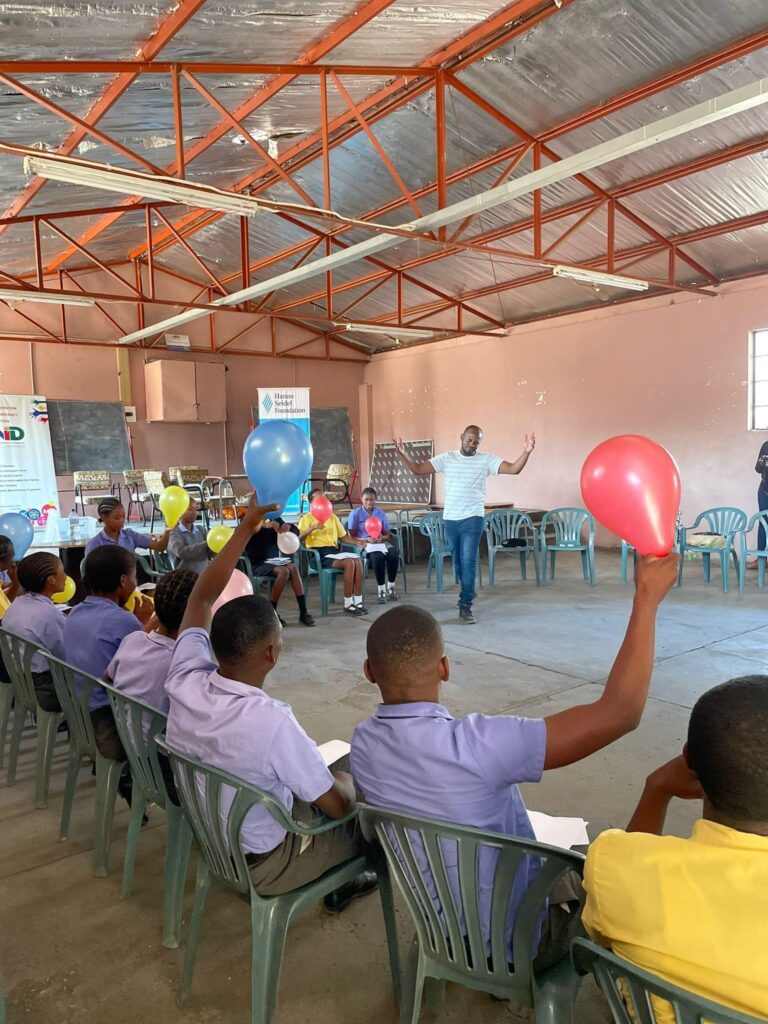
NFPDN turns inclusion from a slogan into daily practice by placing mobility aids, training teachers, and walking families through the steps that open classroom doors. Workshops cover sign language basics, adaptive materials, and gentle strategies that keep learning within reach. Advocates push for ramps and schedules that fit real lives; counselors stand with parents who have felt alone; children return to school with pride. Policy work meets personal follow up so change survives past the first week. Each accommodation is small, each message is large: every child belongs, every day.
Porridge, fruit, and simple hygiene kits arrived with a promise that school would hold through hard months. Attendance jumped; teachers planned with confidence; mornings began to feel possible again. Younger siblings waited at the fence, then enrolled; families organized cooking rosters; pride moved through the line with every bowl served. A meal is not charity here, it is infrastructure for learning, and it worked.
Dozens of teachers and community leaders gathered to learn, practice, and rethink what inclusion requires. Sessions paired tools with testimony; parents described children once hidden now welcomed; commitments were written and shared aloud. The forum closed with a call that became a standard: no more silent classrooms, no more empty seats. Mindsets shifted; plans followed; access grew.
Provides emotional care, health services, and outreach to children and families in crisis.
Runs schools, HIV programs, and youth empowerment projects in underserved communities.
Protects endangered wildlife through conservation education, habitat preservation, and advocacy.