All Revenue From Ads Go to Advertising and Support for Nonprofits
Niger: Protecting the Youngest in One of the World’s Hardest Places to Grow Up
Explore Niger:
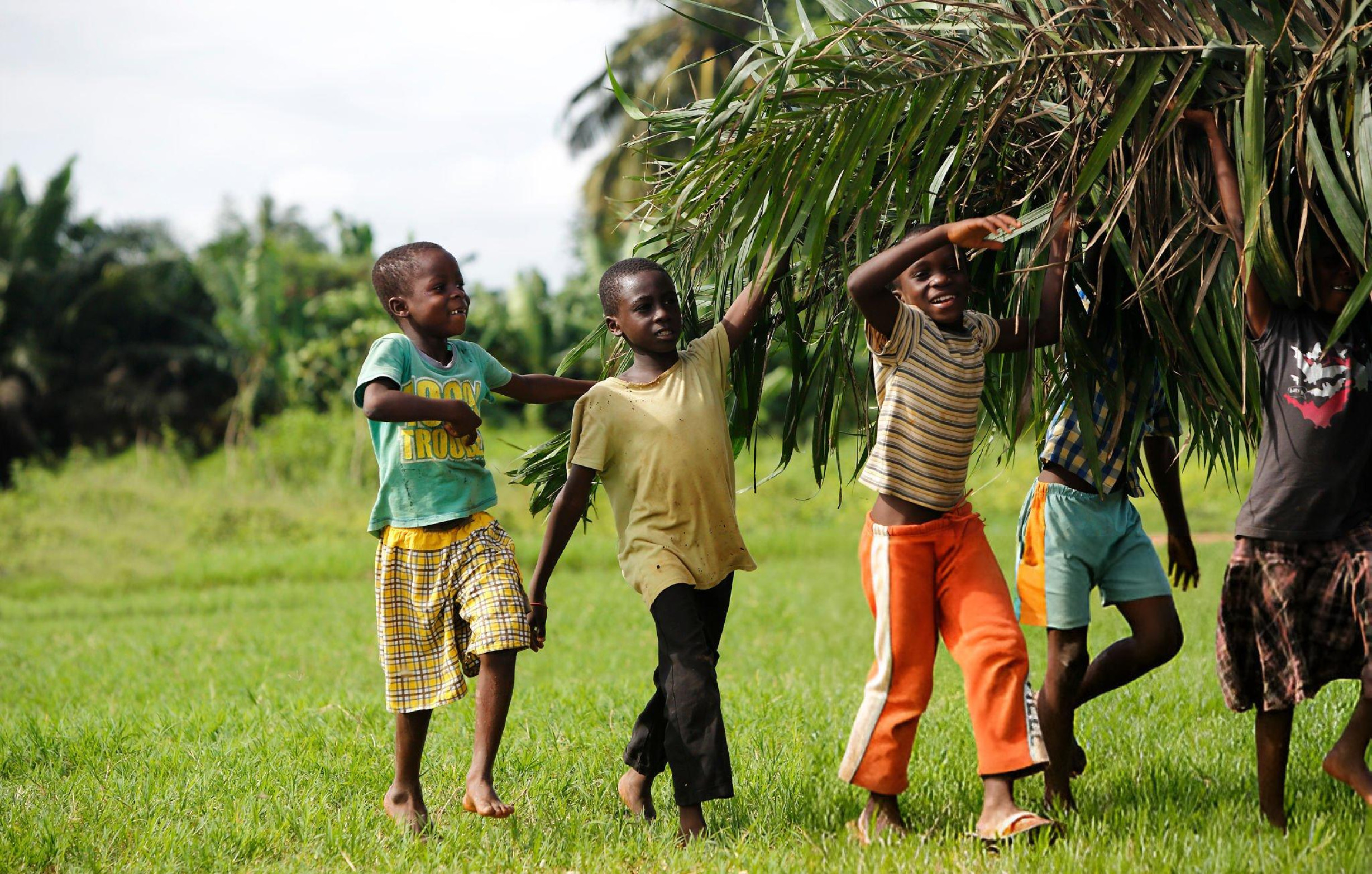
Niger is more than sand and scarcity, it is children holding to school and safety through hunger, conflict, and long distances. From Maradi to Tahoua and Diffa, their courage is daily and unsung; our work is to lift it, protect it, and invite others to stand close.
The Situation for Children in Niger
Niger is consistently ranked among the world’s poorest nations — and children bear the heaviest burden. From early marriage to hunger and displacement, survival often comes before schooling. These are the three most urgent challenges:
Child Marriage and Girls Forced Out of School
Nearly 3 in 4 girls are married before the age of 18. Many drop out by grade 5 and face lifelong consequences — from early childbirth to lost opportunities and emotional trauma.
Prolonged drought, poverty, and instability have left over 40% of children chronically malnourished. In some regions, children go days without meals or rely on humanitarian aid to survive.
Armed violence in western and southeastern border areas has displaced tens of thousands of families. Many children live in informal camps with no school access, high trauma, and risks of trafficking or recruitment.
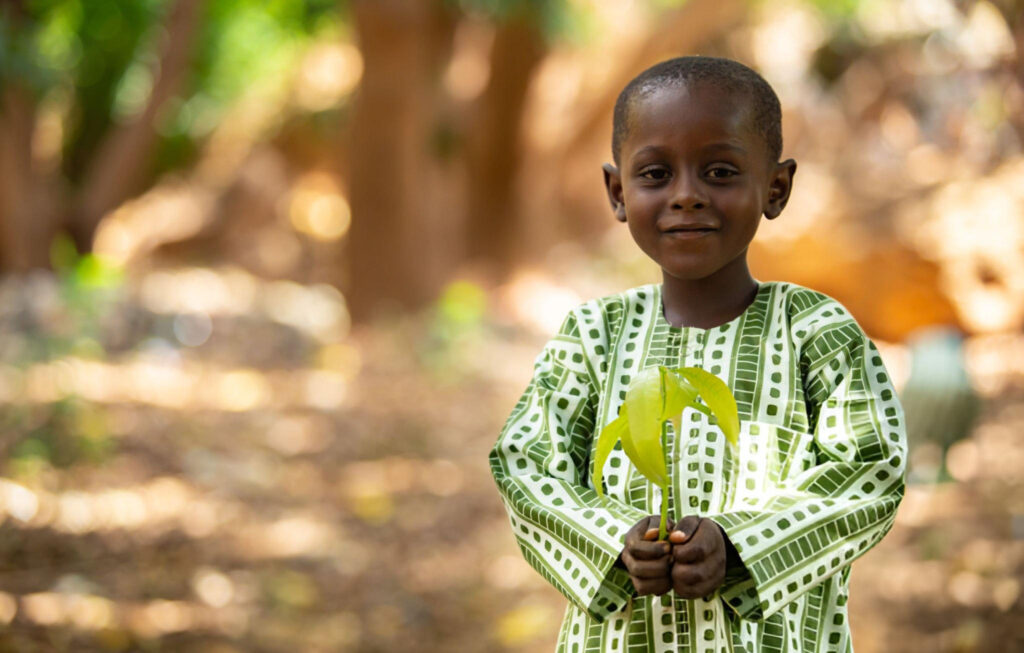
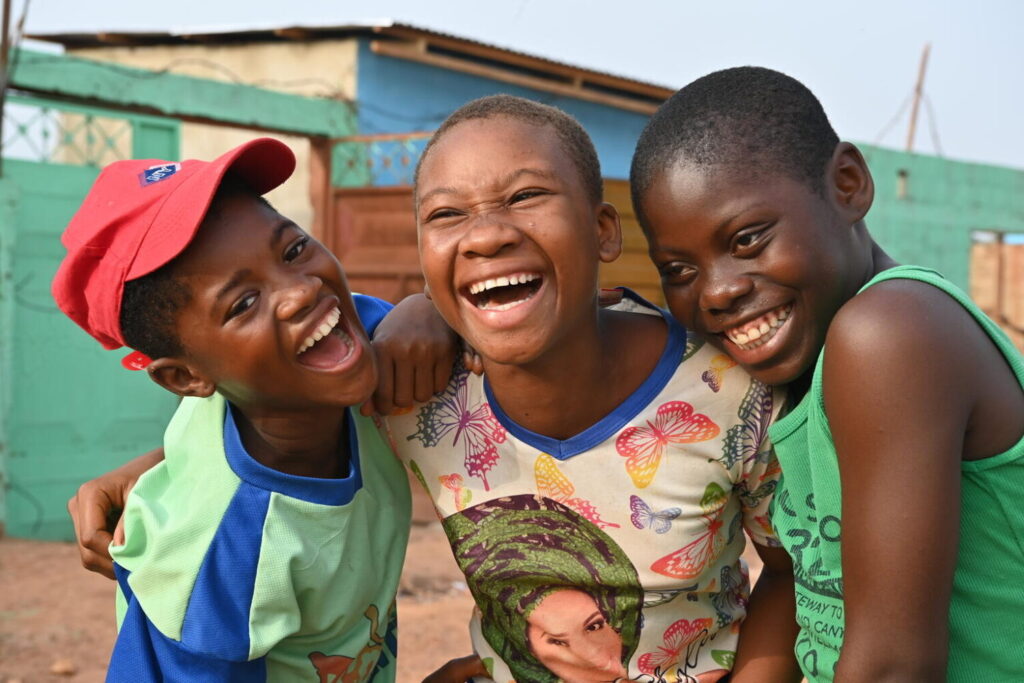
Despite these challenges, Niger’s children remain full of hope, dreaming of education, health, and opportunities for a better tomorrow.
Key Contributor #1: ONG Lafia Matassa
Protecting Young Brides and Rebuilding Futures for Girls
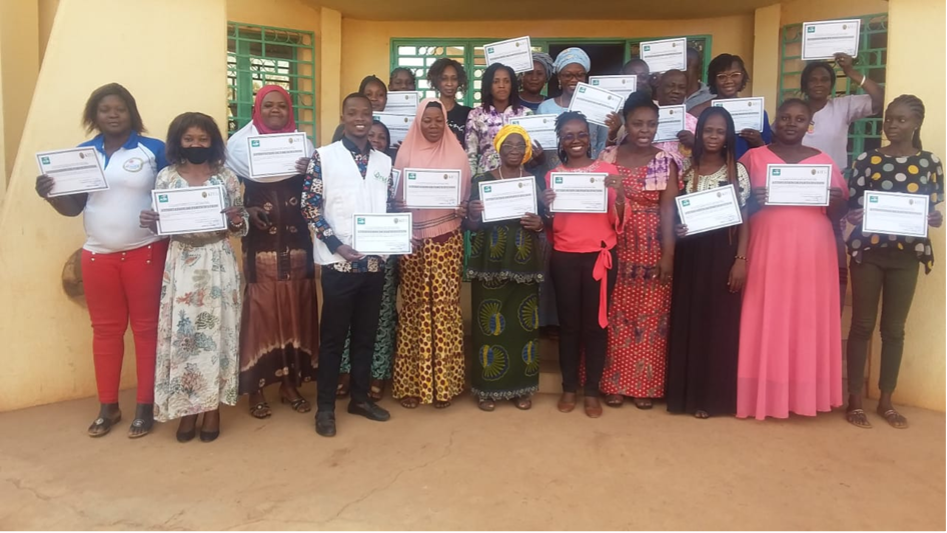
In Tahoua and Zinder, Lafia Matassa receives girls who were treated as labor or wives and tells them the truth: you are a student, you are a child, you have rights. Shelters offer calm; counselors help name fear; bridge classes rebuild letters and numbers; vocational tracks meet older teens where they are. Legal aid confronts forced unions; caseworkers mediate with families and elders; community pledges make protection public. Parent workshops replace rumor with knowledge; mentors stay close so courage does not fade after the first week. Supplies, uniforms, and safe transport remove barriers that once felt impossible. Each girl’s plan is practical and personal; success looks like attendance that holds, a notebook filled, a voice returning in class and at home.
Key Contributor #2: HED Tamat
Feeding, Listening, and Supporting Children Displaced by Violence
Along border regions where schools closed and families scattered, HED Tamat sets up tents, unfolds boards, and starts lessons that restore rhythm. Children receive food packs and school kits; teachers trained in trauma aware practice pace the day with patience; play circles steady the body. Peer educators learn to notice distress and to lead with kindness; parents join sessions on safety that feel possible in camp life. Mobile teams register new arrivals, track progress, and return on schedule so trust can grow. The work is simple and near; it treats education and nutrition as one promise. In places shaped by fear, small circles of peace form around children, and learning takes root again.
Key Event #1: Back to Learning Campaign – Diffa Region
Helping Displaced Children Restart School With Dignity and Support
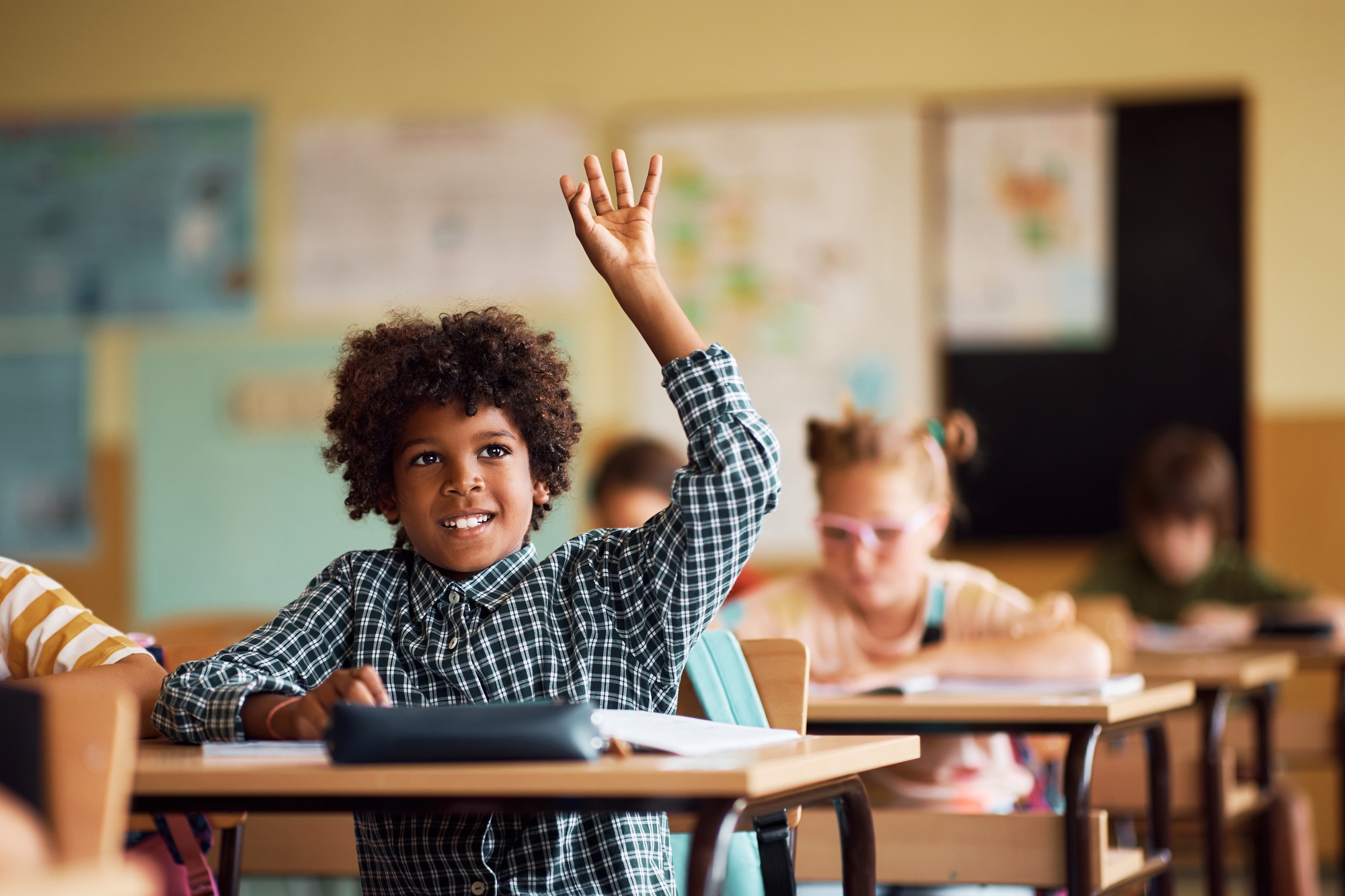
Community educators mapped settlements, enrolled children where they slept, and placed tents where paths crossed; makeshift classrooms filled by morning. Each learner received a kit and a name on a roll; group counseling helped quiet the jump of sudden noises; reading returned line by line. Parents attended evening talks on protection; volunteers kept spaces clean and safe; older students tutored those who had missed years. Teachers adapted lessons to mixed levels; meals anchored the day; attendance rose because predictability returned. The campaign restored more than school, it restored a sense of tomorrow, a plan that families could hold. Hope felt close enough to touch.
Key Event #2: Girls’ Rights Forum – Maradi and Tahoua
Uniting Survivors, Mothers, and Elders to End Child Marriage
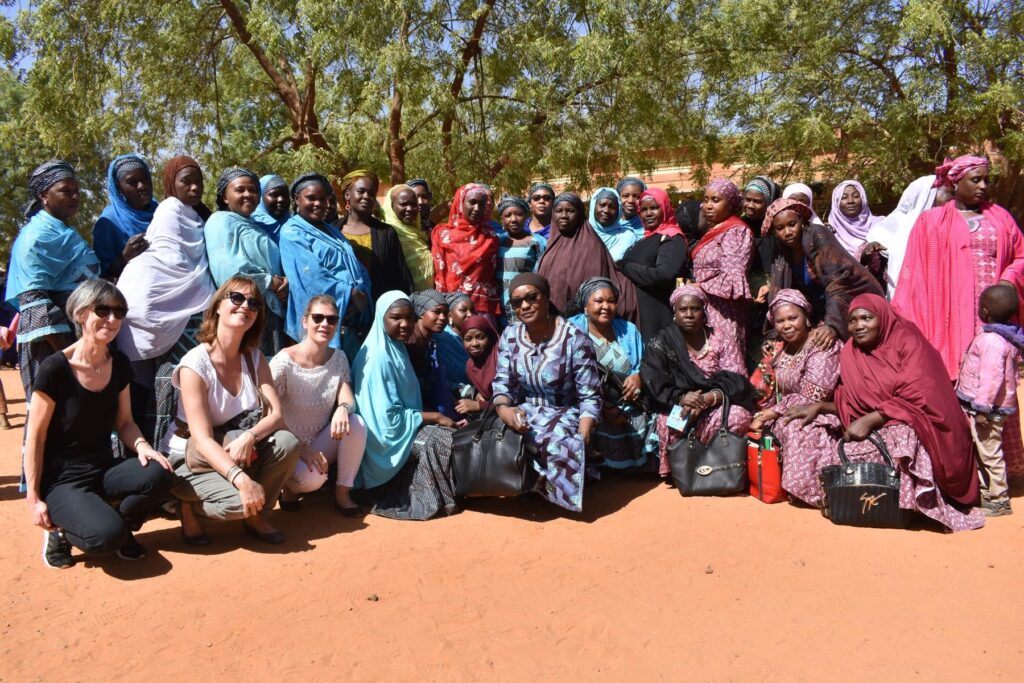
Women, grandmothers, teachers, and former child brides gathered in open halls; testimonies were given, hard questions asked, quiet tears shared. Health workers explained risk and care; legal teams outlined routes to protection; faith leaders spoke of dignity with clarity. Art corners let girls paint futures; enrollment desks registered those ready to return; mentors collected contacts for visits. Village pledges followed; murals declared we are more than wives; study circles formed that night. The forum ended, but the promises traveled home and began to change decisions. Community by community, childhood gained ground.
Top Grassroot Nonprofits Across Niger
Meet the five grassroot organizations seeking to make extraordinary strides in improving the lives of Niger’s children — one community at a time.
To get started, click on the image to visit the donation page, or click on the nonprofit’s name to access their homepage.
After donating on a partner site, click the purple globe icon to register your contribution in our data tables.
Remember, your support, whether it’s visiting their homepage, donating, or following their social media, will be crucial towards helping these nonprofits grow and amplify their efforts.