All Revenue From Ads Go to Advertising and Support for Nonprofits
Nigeria: Defending Childhood in the Midst of Chaos and Courage
Explore Nigeria:
Nigeria is more than noise and numbers, it is children facing conflict, street survival, and silence while still reaching for a name, a desk, a safe room. From Borno to Lagos and Kano, their stories ask for steady hands; we are here to carry them with care and truth.
The Situation for Children in Nigeria
Nigeria is Africa’s most populous country — but for many children, life begins in conflict, poverty, or abandonment. From the insurgency in the northeast to urban street survival, children are losing more than time — they’re losing trust. These are the three most urgent challenges:
Armed Conflict and Mass Displacement in the Northeast
Boko Haram and ongoing insurgency have displaced over 2 million people — half of them children. Many live in camps or on the streets with little access to school, therapy, or safety.
In cities like Lagos and Kano, thousands of children live and work on the streets. Many are orphans, abandoned, or victims of trafficking — vulnerable to exploitation, drug use, and police violence.
Rape, incest, and child sexual exploitation are widespread but underreported. Most survivors never receive legal support or emotional care, and the justice system often fails to act.
Despite these challenges, Nigeria’s children remain full of hope, dreaming of education, health, and opportunities for a better tomorrow.
Key Contributor #1: Borno Women Development Initiative (BOWDI)
Rebuilding Safety and Schooling for Girls Displaced by Conflict
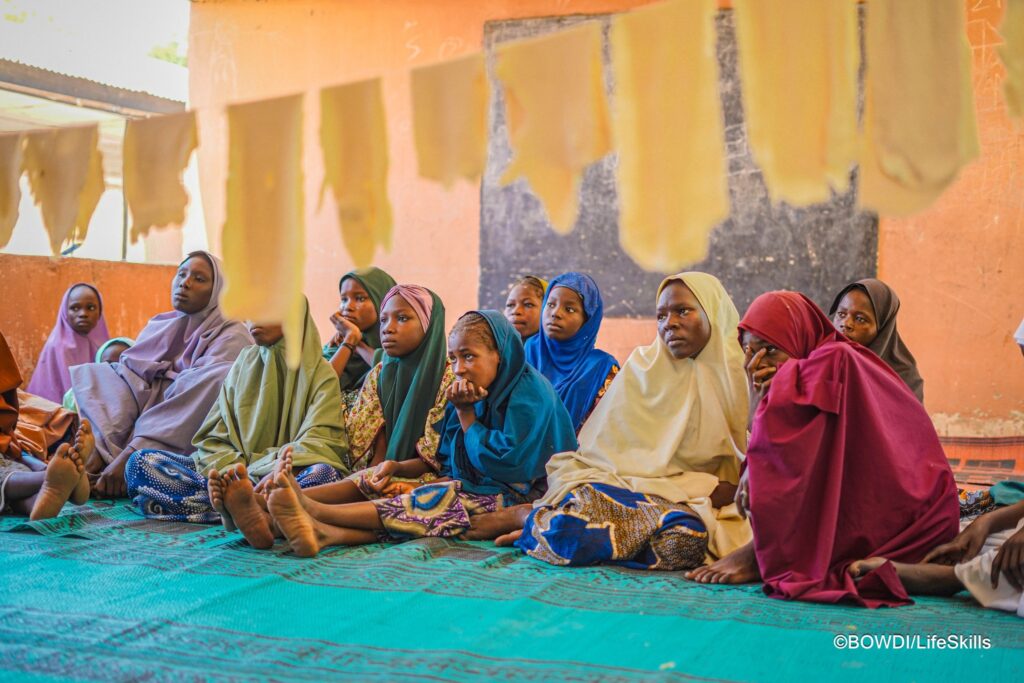
In the northeast, BOWDI welcomes girls who fled abduction, early marriage, and assault; the first gifts are rest, food, and voice believed. Counselors sit gently with pain; teachers guide accelerated lessons that rebuild confidence; legal advocates accompany girls who choose to seek justice. Mobile teams visit camps with play therapy and hygiene kits; caseworkers follow progress and prevent disappearance. Families are prepared for reunification with patience; when home is unsafe, alternatives are created; protection plans are living documents, not files. The measure of success is simple and profound: a girl who attends, sleeps, laughs, and plans. In a landscape bent by violence, this becomes a map back to childhood.
Key Contributor #2: Street Child Nigeria
Supporting Street-Connected and Orphaned Children With Shelter and Schooling
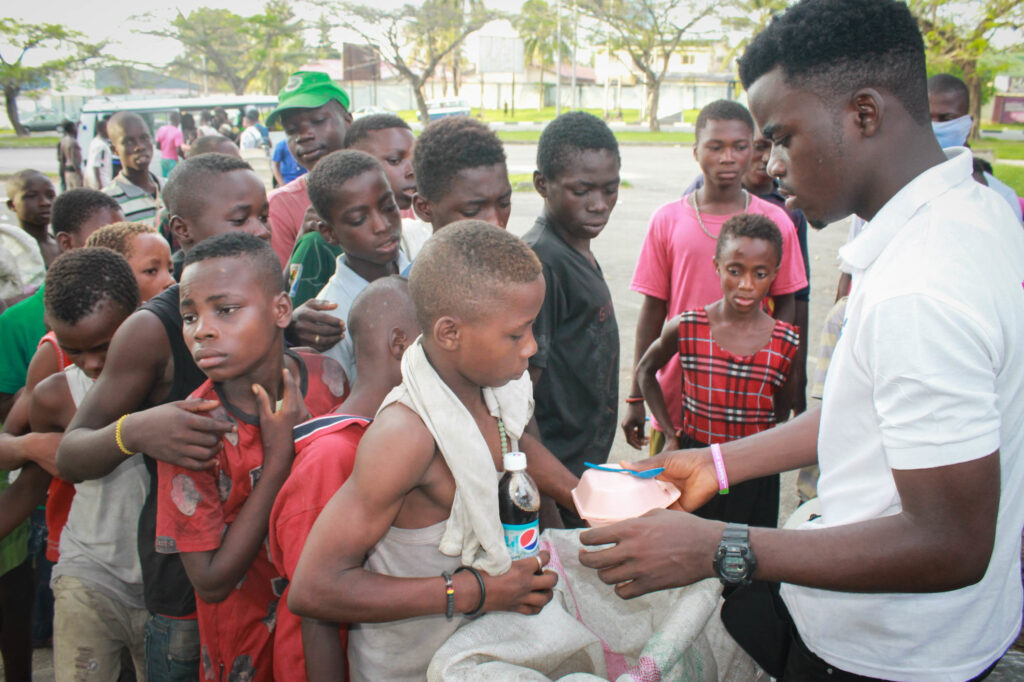
At drop in centers in Lagos, Borno, and Kaduna, children find hot meals, clean water, and a welcome that does not interrogate. Staff trace relatives, secure temporary care, and enroll students in nearby schools; psychologists teach coping; paralegals pursue documents that unlock services. Outreach workers walk markets and stations; they learn names, return on time, and carry trust from pavement to classroom. Volunteers help with homework; mentors model calm; small, steady wins replace chaos. For children without papers or guardians, identity and belonging become possible; doors open where walls stood. A child who once hid from adults begins to ask for help and to believe help will come.
Key Event #1: Mobile Healing Circles – Borno IDP Camps
Bringing Psychosocial Support to Children Living With Trauma
Trained facilitators gathered boys and girls under shade; stories were told, drawings made, songs sung until shoulders lowered. Simple grounding skills were practiced and kept; parents learned how to soothe night terrors and anger; teachers received tools for calmer classrooms. Attendance grew as children realized the circle would return; friendships formed in the quiet between activities. The work honored grief, then made room for curiosity; a path back to school became visible. Healing moved from wish to routine; week by week, trust came back.
Key Event #2: Street Identity Drive – Lagos and Kano
Helping Street Children Secure Legal Identity and Access to Services
Teams registered children where they lived, near bridges and bus depots; provisional IDs were issued; birth records began their path through offices. Social workers cross-checked names and contacts; reunification searches started; shelters held beds for those without family. With documents in hand, enrollment and clinics opened; fear eased when a child’s name existed on paper. The drive turned invisibility into protection and gave thousands a first credential to carry into school.
Top Grassroot Nonprofits Across Nigeria
Meet the five grassroot organizations seeking to make extraordinary strides in improving the lives of Nigeria’s children — one community at a time.
To get started, click on the image to visit the donation page, or click on the nonprofit’s name to access their homepage.
After donating on a partner site, click the purple globe icon to register your contribution in our data tables.
A U.S.-based nonprofit alumni network of Peace Corps volunteers and diaspora members providing grants to grassroots Nigerian organizations to support education, healthcare, and community development.
Remember, your support, whether it’s visiting their homepage, donating, or following their social media, will be crucial towards helping these nonprofits grow and amplify their efforts.