All Revenue From Ads Go to Advertising and Support for Nonprofits
São Tomé and Príncipe: Nurturing Childhood in a Small Island Nation
Explore São Tomé and Príncipe:
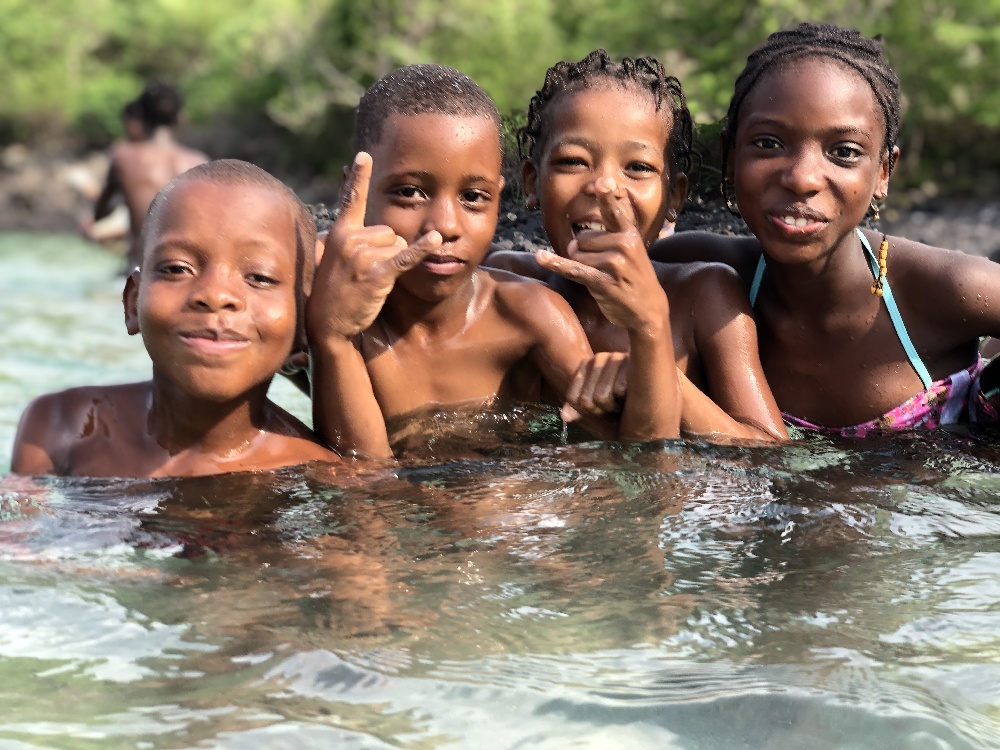
São Tomé and Príncipe is more than postcard greens, it is children facing hunger, distance, and thin school systems while still choosing hope. From Lembá to Cantagalo and the hills beyond the capital, their needs are real and near; we are here to meet them with care.
The Situation for Children in São Tomé and Príncipe
São Tomé and Príncipe is often described as peaceful and beautiful. But behind the postcard image, many children face poverty, undernutrition, and weak education systems. Rural isolation and economic inequality shape the lives of the youngest citizens. These are the three most urgent challenges:
Undernutrition and Child Health Gaps
More than one in three children under five suffers from chronic malnutrition. Limited healthcare access, especially in rural and coastal communities, increases the risk of preventable diseases and stunted growth.
While school enrollment is high, classroom overcrowding, teacher shortages, and long travel distances prevent many children from learning effectively — especially outside the capital.
High unemployment among parents and young adults contributes to neglect, emotional distress, and school dropout. Many children grow up without consistent adult guidance or opportunity.
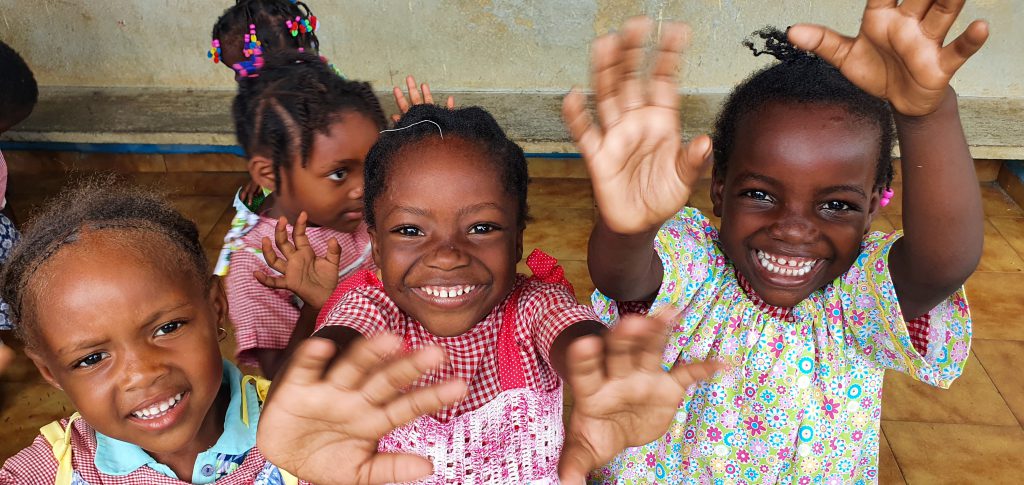
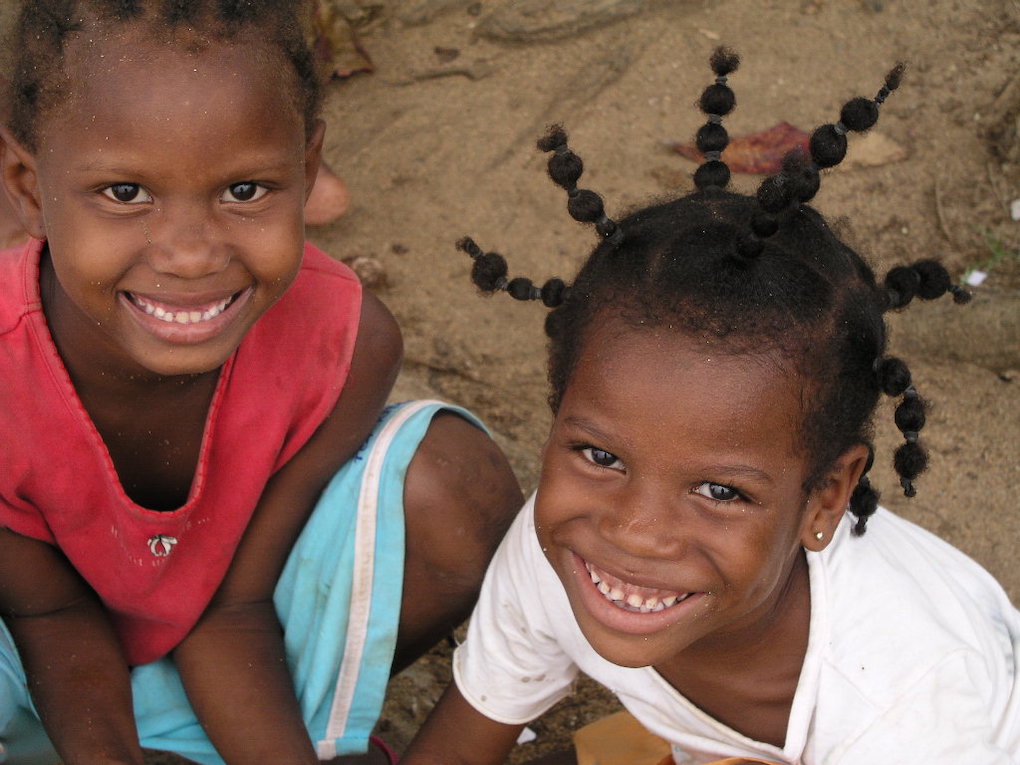
Despite these challenges, STP’s children remain full of hope, dreaming of education, health, and opportunities for a better tomorrow.
Key Contributor #1: CENAST (Centro Nacional de Apoio Social às Crianças)
Feeding and Protecting Children Through Community-Based Nutrition and Care
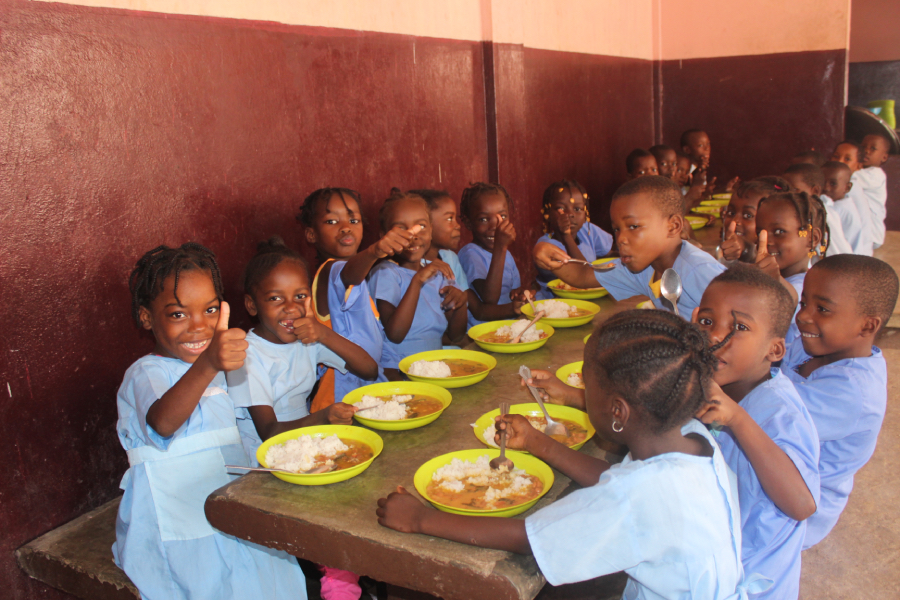
CENAST runs neighborhood nutrition points where children are screened, fed, and followed; caregivers learn practical steps that fit local food and income. Growth is tracked with simple charts; clean water habits are taught; referrals connect families to clinics before illness grows. Partnerships with schools ensure no child studies hungry; small gardens and cooking demos make lessons stick at home. Social workers check on the most fragile; dignity frames every interaction; progress is measured in energy, attendance, and steady smiles. The center’s presence says to each child: you are seen, you are worth the effort, you can thrive here.
Key Contributor #2: ONG STP Solidária
Bringing School Access and Belonging to Children in Remote Villages
STP Solidária closes the distance between home and learning with bicycles, materials, and mentors who travel the last road. Reading circles meet in shade; workshops teach study habits; volunteer teachers receive training that turns goodwill into skill. Classrooms are made safer and friendlier; families feel part of the school day; evening lamps allow homework where power is scarce. The work is simple and relational; it treats inclusion as logistics plus love. Children who once missed class find a seat, a plan, and a reason to return tomorrow.
Key Event #1: Nutrition Week – Lembá District
Feeding Children and Training Families to Prevent Malnutrition
For one focused week, children were screened and served fortified meals; caregivers practiced recipes with local crops; handwashing stations stood beside cooking pots. Health workers answered questions with patience; radio messages carried tips across the islands; leaders helped gather families who had never attended a clinic talk. Dignity shaped the tone; knowledge traveled home in notebooks and memory; children left stronger and ready for class. The week planted new habits that kitchen tables can keep.
Key Event #2: Rural Learning Caravan – Cantagalo
Delivering School Supplies and Mentorship to Remote Students
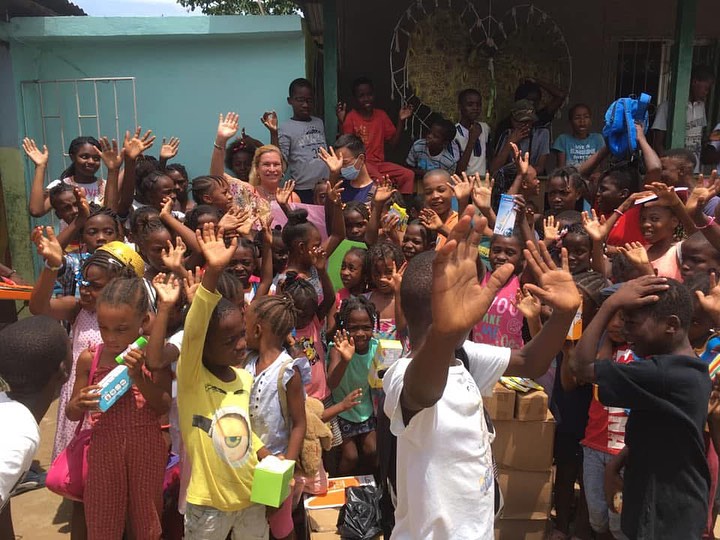
A van arrived with books, kits, chalkboards, and young mentors; villages turned out; reading circles started under trees. Children created art, tried science games, practiced standing to speak; teachers received materials and morale; families carried solar lamps for homework after sunset. The caravan left schedules and contacts so momentum would hold; volunteers promised return visits. Learning felt like celebration; celebration felt like invitation; attendance rose in its wake.
Top Grassroot Nonprofits Across STP
Meet the five grassroot organizations seeking to make extraordinary strides in improving the lives of STP’s children — one community at a time.
To get started, click on the image to visit the donation page, or click on the nonprofit’s name to access their homepage.
After donating on a partner site, click the purple globe icon to register your contribution in our data tables.
Remember, your support, whether it’s visiting their homepage, donating, or following their social media, will be crucial towards helping these nonprofits grow and amplify their efforts.