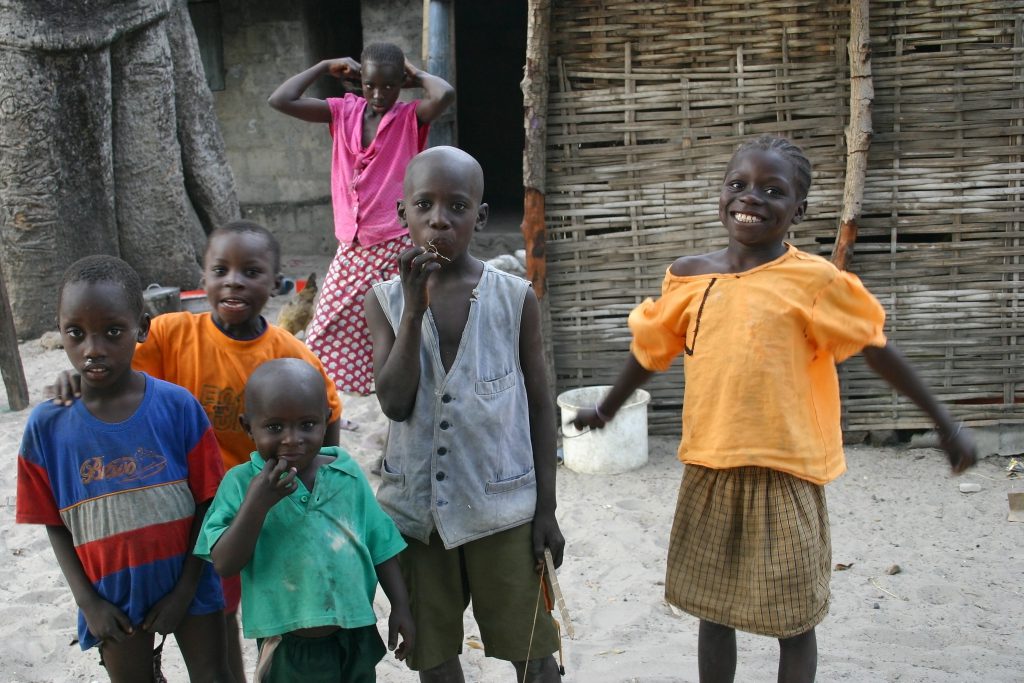
Senegal is more than peace and progress headlines, it is children navigating street life, early marriage, and quiet harm while still reaching for safety and school. From Saint-Louis to Kolda and Dakar’s alleys, their voices deserve care and follow through; we are here to lift them into the light.
Tens of thousands of boys live in Islamic boarding schools, where many are forced to beg on the streets. Some suffer abuse, neglect, and unsafe living conditions with little oversight or protection.
Girls in regions like Kolda and Matam face early marriage, school dropout, and limited access to reproductive health. Their voices are often ignored in both family and policy decisions.
Abuse often goes unreported due to stigma, fear, or distrust of the justice system. Many children suffer in silence, especially in poor or conservative communities where protection services are lacking.
At the center in Saint-Louis, boys arrive tired and guarded; they are met with showers, clean clothes, a hot meal, and names spoken with respect. Nurses treat wounds; teachers reopen the path to learning with patient lessons and simple books; social workers help trace family and plan reunions that do not collapse. Soccer on sand softens worry; art tables give feelings a place to land; bedtime brings the first safe sleep in months. Staff walk the streets each morning to check on boys still begging; every conversation builds trust; every return visit says you matter. The goal is not a night indoors, it is dignity and a future: school enrollment, documents in hand, family prepared to protect. Where survival once set the day, belonging begins to set it instead.
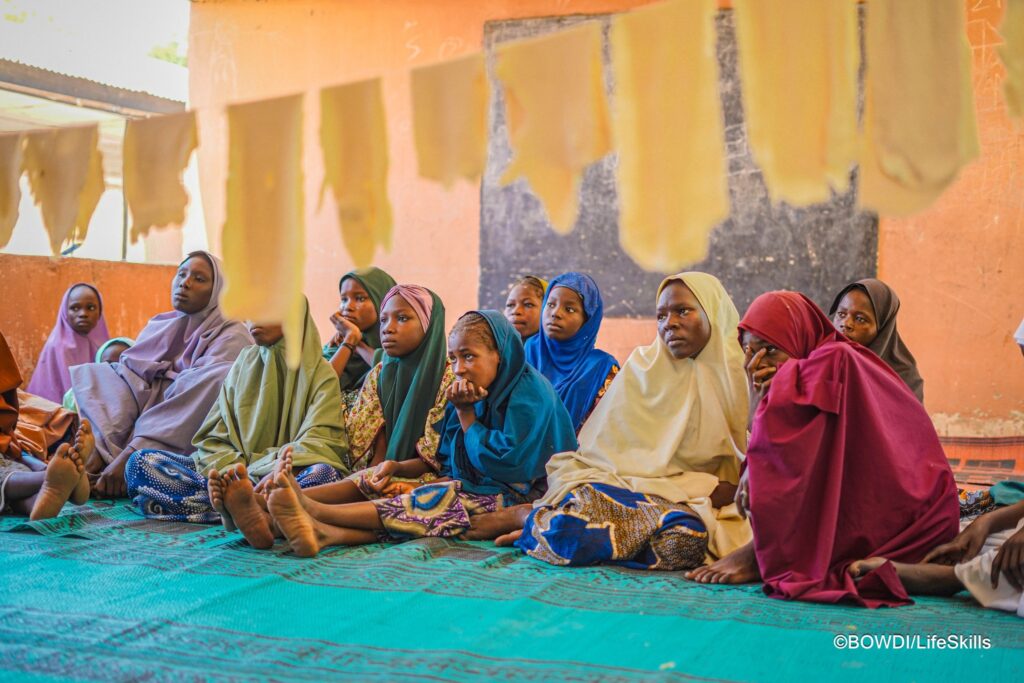
In Kolda and Sédhiou, La Lumière gathers girls after class, listens, and builds strength that can stand when pressure arrives. Mentors teach study skills, health, and rights; teachers coordinate retention plans; mothers join circles where worry is answered with practical steps. Community dialogues bring elders and religious leaders to the same table; harmful customs are named with care; alternatives are mapped. Scholarships cover uniforms and exams; safe transport keeps attendance steady; counseling protects confidence after hard weeks. When a case of early marriage surfaces, the team acts with calm urgency, works through the law, and keeps the girl at the center. Change looks like a timetable pinned above a bed, a father proud at roll call, a girl who stays in school by choice.
The expansion opened doors to dozens more boys who had slept under stalls and bridges; bunks were made, lockers labeled, classrooms set with charts and chalk. Each child received hygiene kits and a welcome routine: wash, eat, rest, meet the teacher, try a quiet page of reading. A small clinic treated infections that had lingered; play areas turned strangers into teammates; rules were simple, consistent, kind. Family tracing began on day one; reunions were prepared with care, not haste; school enrollment followed when trust could hold. Staff kept walking street routes, inviting others to step inside tomorrow; neighbors learned the schedule and pointed boys toward safety. The new space became more than shelter; it became proof that stability is possible and that growth begins with a bed and a book.
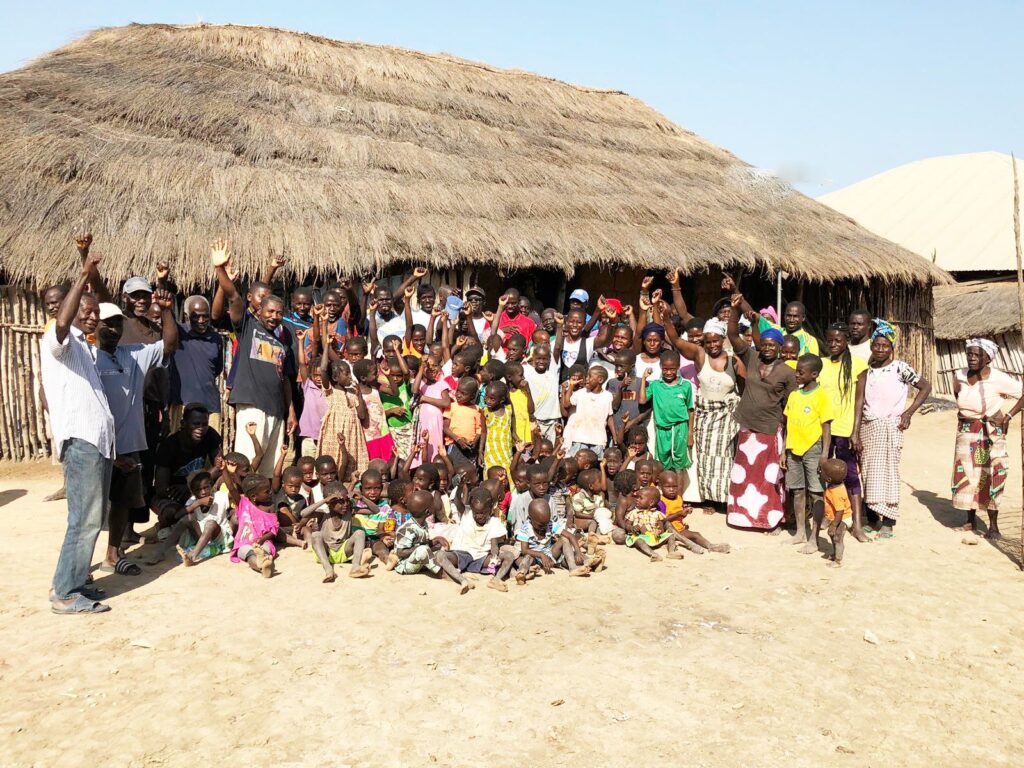
The caravan arrived with songs, testimonies, and peer mentors; village squares filled as girls named dreams and elders listened. Sessions explained health, choice, and law; mothers asked questions long held in private; pledge cards waited on a nearby table. Teachers mapped reentry plans for students who had left; counselors arranged follow up visits; local leaders scheduled community checks. The road became a classroom; courage spread from microphone to crowd; fathers signed first, then neighbors followed. New enrollments were processed on the spot; study groups formed; contact lists made return visits easy. What began as an event became a shared promise: girls will have time to grow, time to learn, time to lead.
Supports vulnerable children and families with healthcare, education access, and household resilience.
Partners with faith-based organizations to deliver education, capacity building, and aid programs.
Protects girls from violence and early marriage through outreach, counseling, and legal support.
Advocates for marginalized youth and women through training, health awareness, and civic engagement.