All Revenue From Ads Go to Advertising and Support for Nonprofits
Seychelles: Protecting Childhood in the Shadow of Paradise
Explore Seychelles:
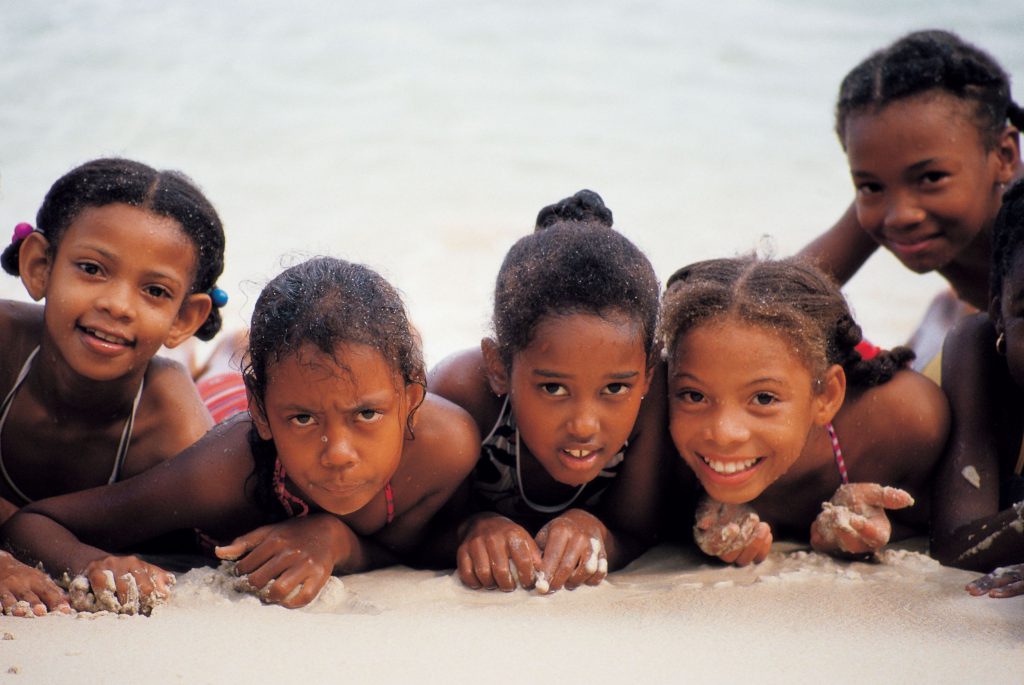
Seychelles is more than beaches and postcards, it is children living with quiet neglect, fear, and the ache of being unseen in a tourist economy. From crowded corners of Mahé to islands where services feel far, their voices need room, and we are here to make that room real.
The Situation for Children in Seychelles
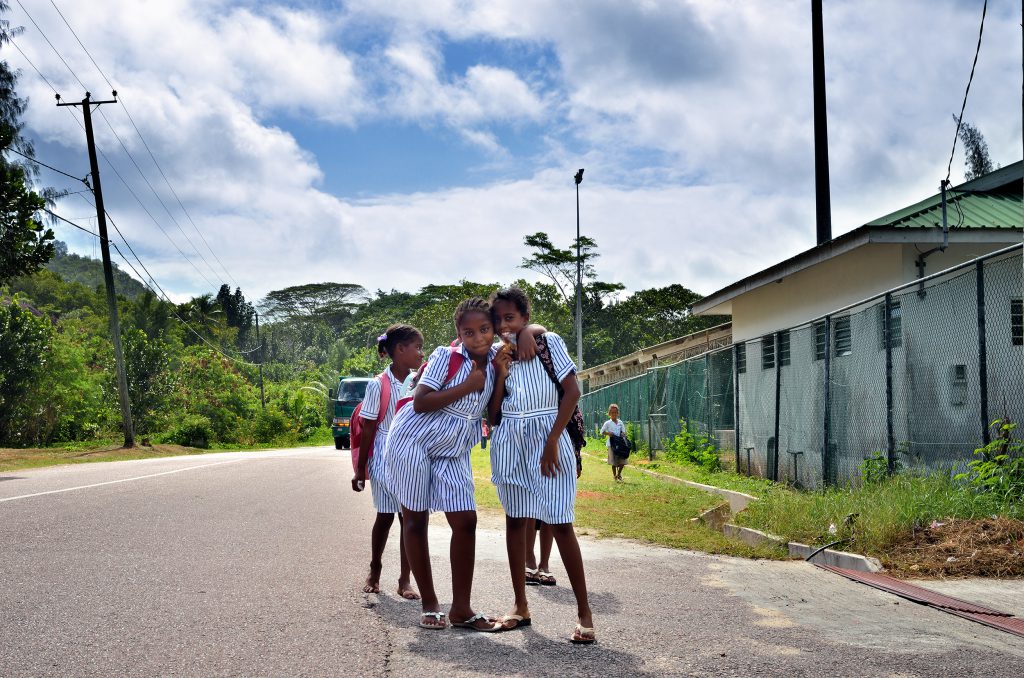
Though often seen as a tourist haven, Seychelles faces serious challenges for children and youth, especially in low-income communities. Rapid development and social inequality have left many families struggling to keep children healthy, safe, and in school. These are the three most urgent challenges:
Emotional Neglect and Family Breakdown in Urban Areas
Alcohol abuse, unemployment, and poverty have led to rising cases of child neglect. Many children lack strong emotional support at home and grow up feeling isolated or unprotected.
Teen drug use and mental health issues have been on the rise, especially on Mahé island. Access to counseling is limited, and stigma often prevents early support.
Physical and sexual abuse cases have increased, but Seychelles lacks enough trained child psychologists, legal advocates, or safe shelters for survivors.
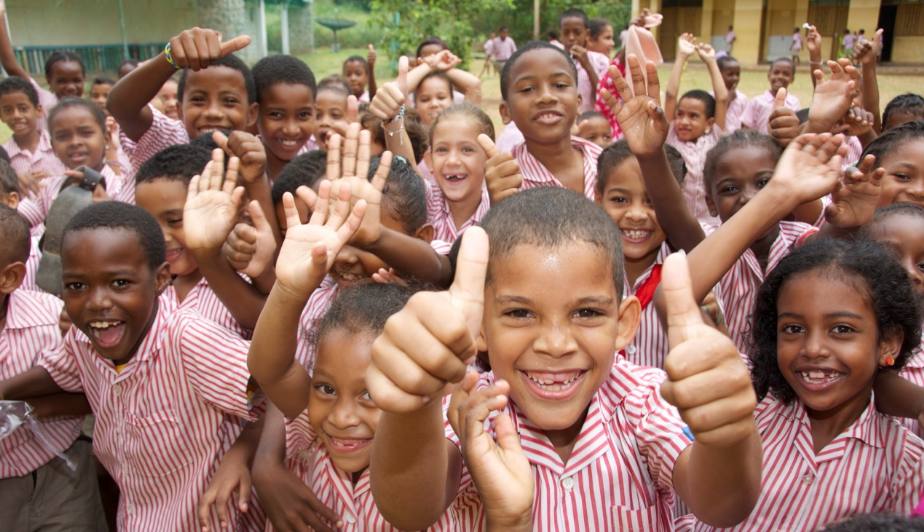
Despite these challenges, Seychelles’s children remain full of hope, dreaming of education, health, and opportunities for a better tomorrow.
Key Contributor #1: CEPS Youth Empowerment Program
Offering Emotional Support and Mentorship to At-Risk Youth
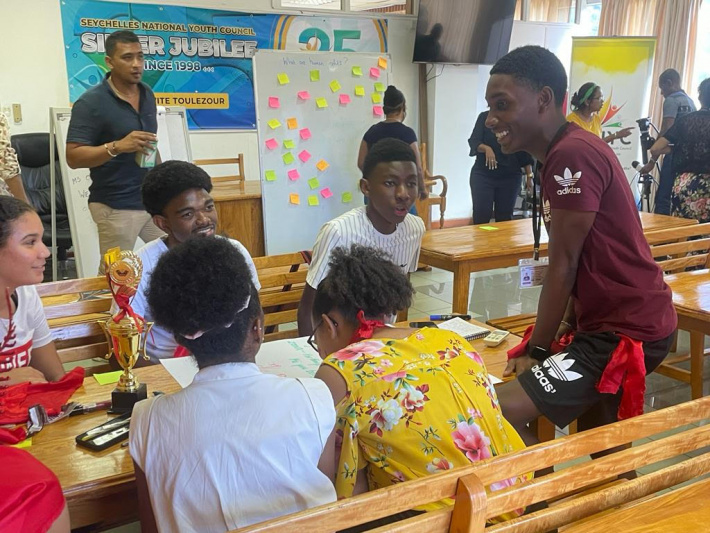
In rooms that feel safe and simple, CEPS welcomes teens who carry isolation, conflict at home, and school loss, then offers mentors who listen with patience. Life skills grow beside counseling; study circles rebuild attention and steady routines; peer groups teach how to ask for help without shame. Staff work with teachers and social workers so support follows the young person across the day; small plans are kept close, practical, and personal. A student who stopped showing up returns with a timetable, a contact, and a reason to try again. Parents are invited to learn how to guide without fear; schools learn how to hold a seat without judgment. The goal is not a perfect speech, it is a life that holds together with care and structure. At CEPS, teenagers learn that support is something they deserve and can keep.
Key Contributor #2: UNISEC (Unit for the Protection of Children)
Protecting Survivors of Abuse and Strengthening Family Systems
UNISEC steps in where harm has stolen safety, providing legal protection, shelter, and clear routes to counseling that match a family’s real capacity. Caseworkers move early, document carefully, and keep children at the center of decisions; parents receive coaching that replaces fear with steady practice. Teams coordinate with schools so learning can resume when a child is ready; teachers know who to call and what to watch for. Parenting sessions meet in churches and halls near home; neighbors learn the warning signs and how to respond with care. Every file is a child with a name and a plan; every plan is checked and kept alive with follow up. The message is calm and firm: no child faces harm alone, and no caregiver has to guess the next step. Protection becomes a habit the whole island can learn.
Key Event #1: Community Family Dialogues – Mahé Island
Rebuilding Trust and Parenting Skills in At-Risk Neighborhoods
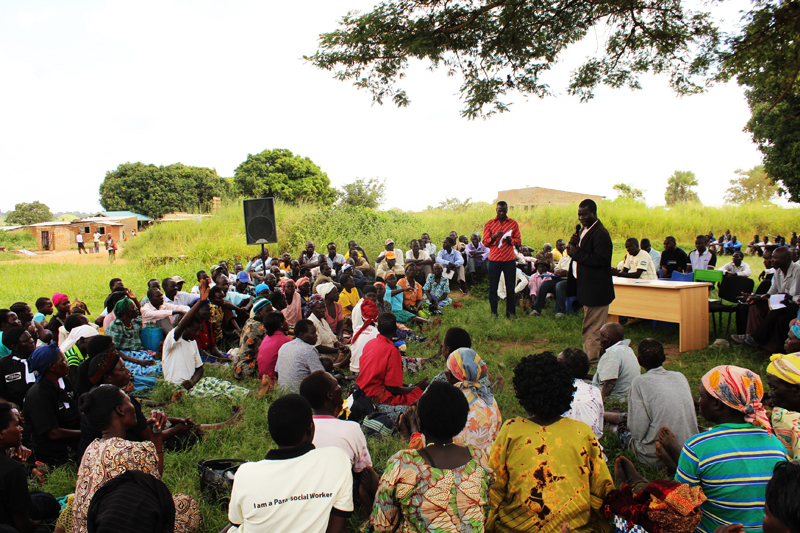
Across central Mahé, families gathered in churches and halls to talk about discipline, stress, and the kind of listening that rebuilds trust. Facilitators used stories and simple games to open hard topics; teens spoke first, then parents, and a shared language began to form. Caregivers practiced calm routines for evenings and mornings; youth practiced asking for help before anger and silence took over. Small commitments were written on cards, not as promises to an organization, but as promises to one another. Follow ups were scheduled on the spot; contact lists made support feel near. The change was not loud, it was steady: fewer fights at home, more presence in class, a sense that families can learn together. For many, it was the first time they felt heard in the same room.
Key Event #2: Safe Start Awareness Week – National Campaign
Educating Families and Youth About Child Abuse and Mental Health
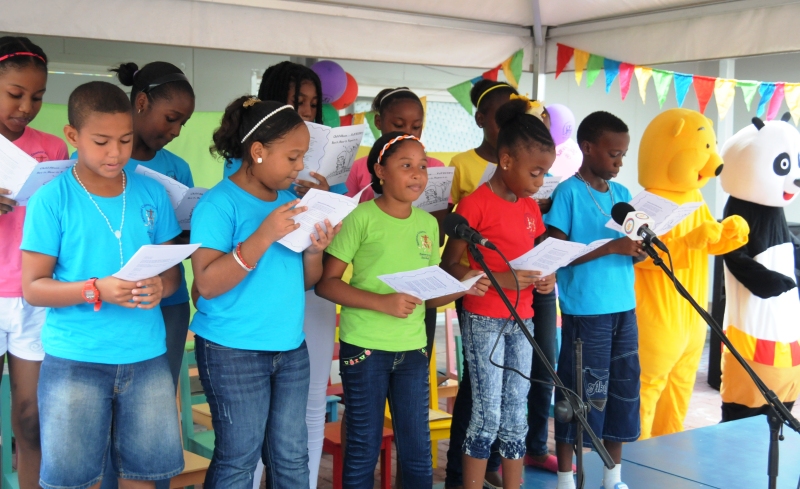
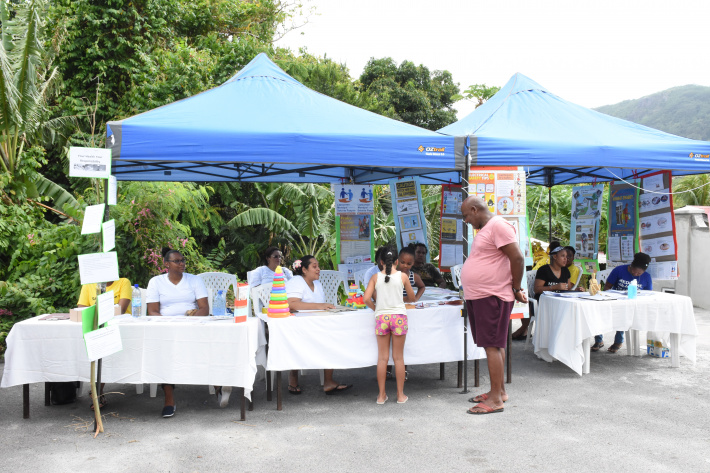
For one week, schools, radio shows, and street art carried a single purpose across the islands: teach the signs of harm early, point to help that is real, and invite youth to speak. Assemblies mixed facts with testimony; survivors shared through poetry and painting; students led panels that adults stayed to hear. Hotlines were posted where eyes would find them; teachers received simple guides; parents collected tools they could use that night. The campaign refused to be a slogan; it was a map, clear and close to daily life. Afterward, more cases were reported and supported, not hidden; more students asked for counseling and returned to class with confidence. Awareness turned into action, and action turned into protection that can last.
Top Grassroot Nonprofits Across Seychelles
Meet the five grassroot organizations seeking to make extraordinary strides in improving the lives of Seychelles’s children — one community at a time.
To get started, click on the image to visit the donation page, or click on the nonprofit’s name to access their homepage.
After donating on a partner site, click the purple globe icon to register your contribution in our data tables.
Remember, your support, whether it’s visiting their homepage, donating, or following their social media, will be crucial towards helping these nonprofits grow and amplify their efforts.