All Revenue From Ads Go to Advertising and Support for Nonprofits
Somalia: Protecting Childhood on the Front Lines of Crisis
Explore Somalia:
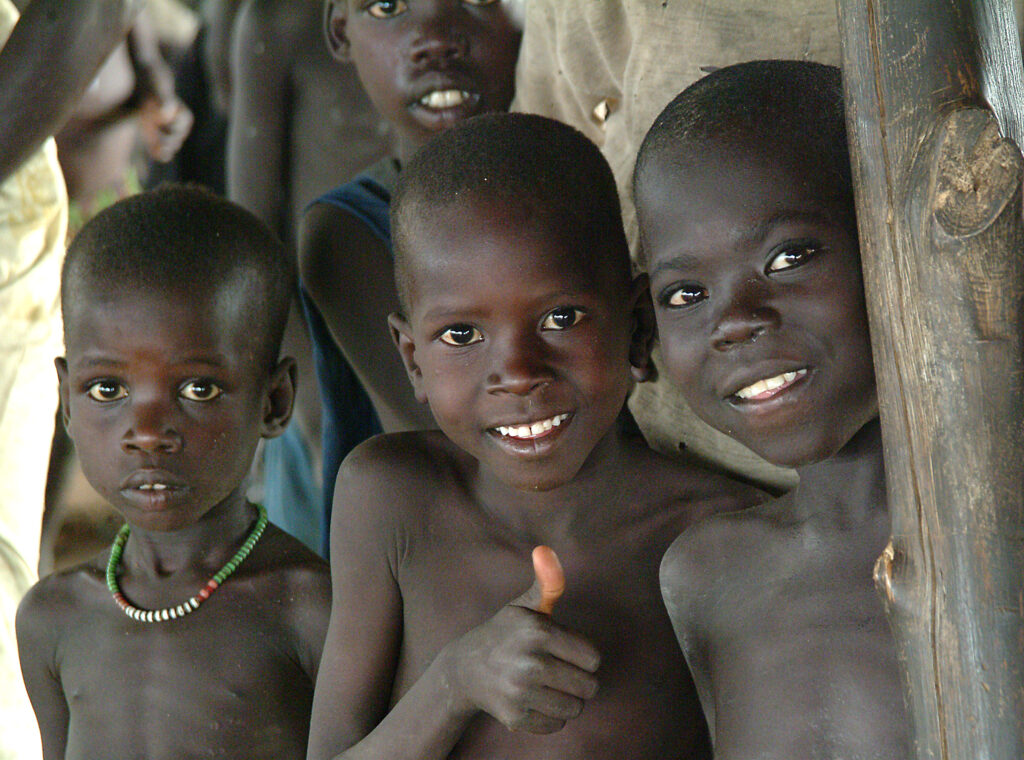
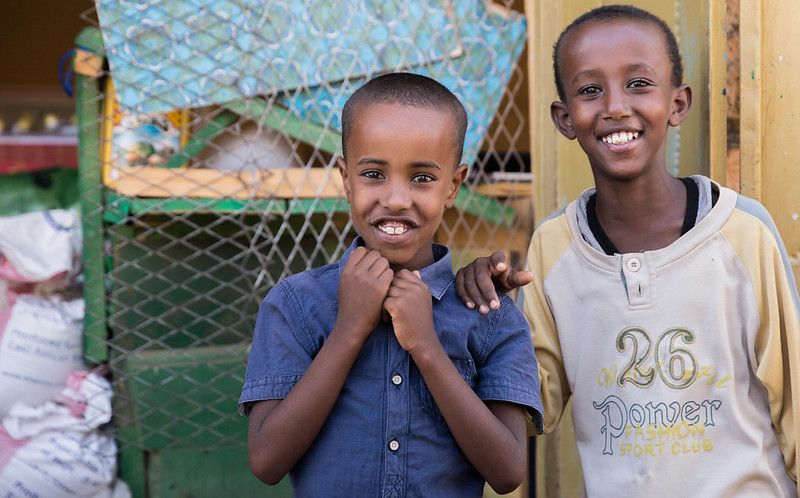
Somalia is more than crisis headlines and dry riverbeds, it is children making a stand for safety, food, and school in places that test every promise. From Mogadishu to Lower Shabelle and camps along dusty roads, their hope is stubborn, and we are here to defend it.
The Situation for Children in Somalia
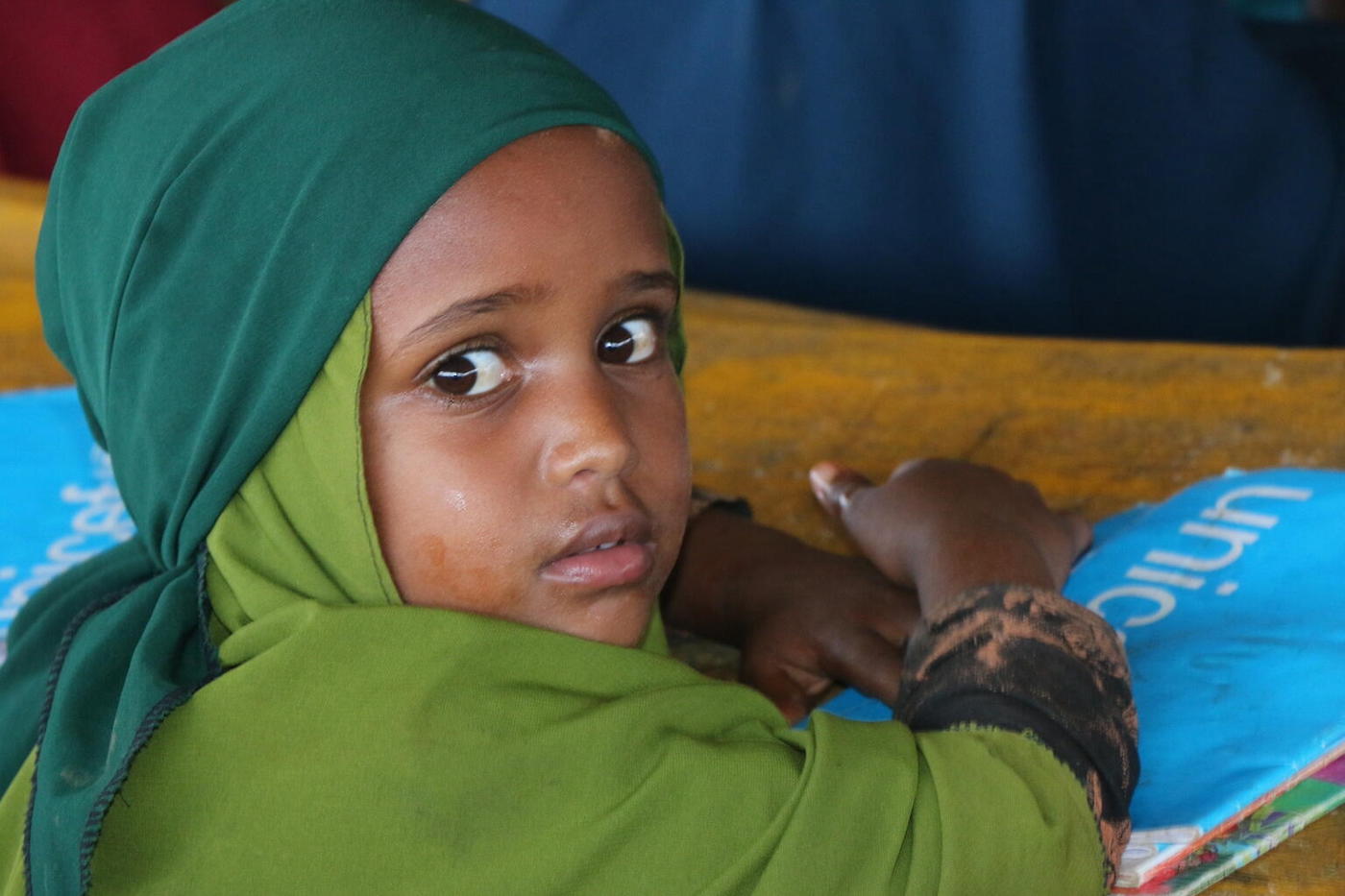
Somalia is one of the most challenging places in the world to be a child. Years of civil conflict, climate disasters, and institutional collapse have left millions of children vulnerable to hunger, exploitation, and neglect. These are the three most urgent challenges:
Widespread Displacement and Loss of Stability
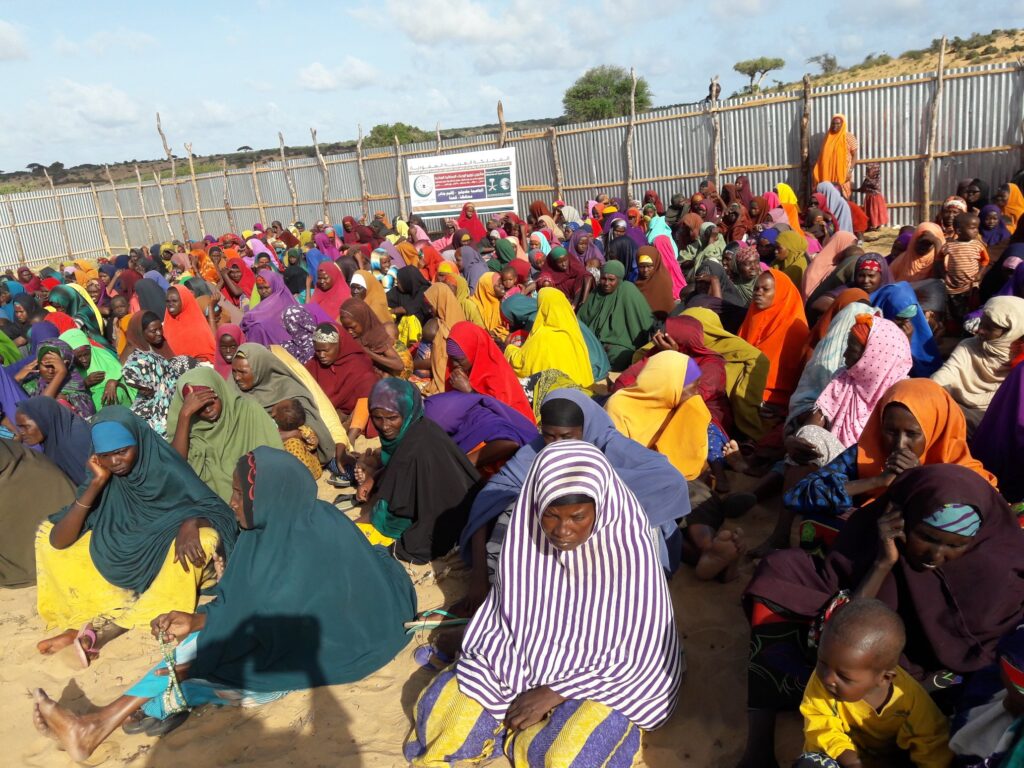
Millions of children live in makeshift camps after being forced to flee drought, floods, or violence. Most lack consistent food, education, or emotional care — and grow up without a sense of home.
Somalia has one of the highest child malnutrition rates globally. Many children are born into hunger and face life-threatening health issues without access to pediatric care or clean water.
Recruitment, Abuse, and Protection Failures in Conflict Zones
Armed groups continue to recruit children, while sexual violence and trafficking go largely unpunished. Child protection systems are underfunded, and survivors often receive no support.
Despite these challenges, Somalia’s children remain full of hope, dreaming of education, health, and opportunities for a better tomorrow.
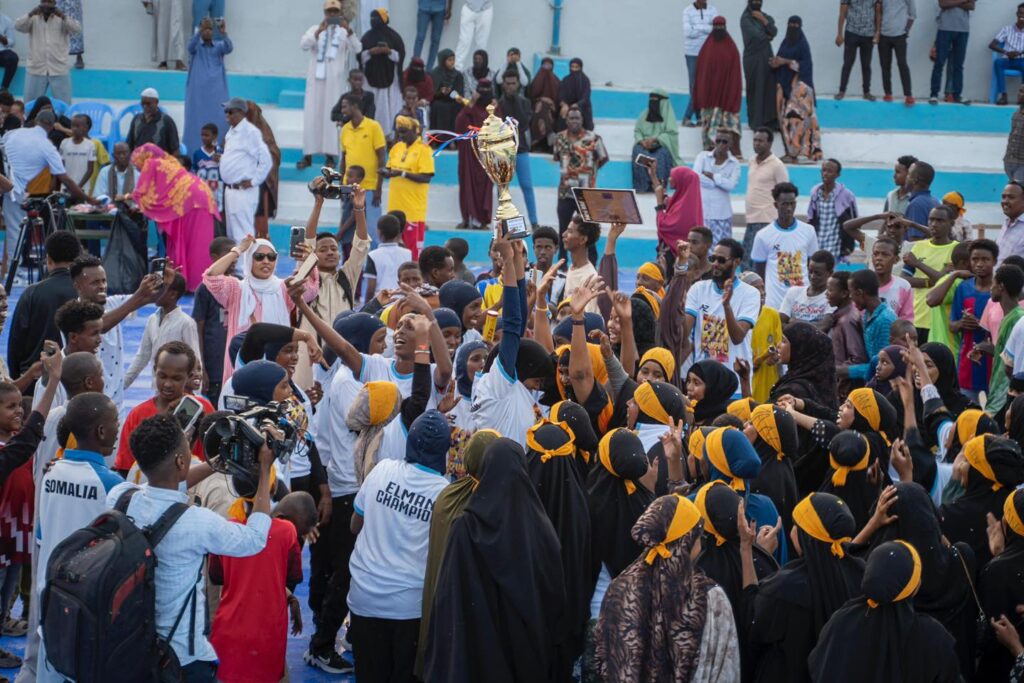
Key Contributor #1: Elman Peace Somalia – Child Protection Program
Supporting Displaced and Conflict-Affected Children With Safety and Voice
Elman Peace meets children in camps and high risk zones with shelter, protection, and a return to learning that respects trauma and pace. Classrooms take shape in tents; peer mentors model calm; counselors teach skills that make sleep possible again. Staff prevent recruitment by staying present and known; outreach invites youth to choose leadership and dialogue over survival on their own. Families are traced; reunions are prepared with care; when home is unsafe, alternatives hold dignity and routine. The work is not loud, it is faithful; a teacher shows up on time; a caseworker remembers a name; a plan survives a hard week. Childhood begins to reassemble in those details, and the future gains edges that can be followed.
Key Contributor #2: SAACID Somalia
Feeding and Caring for Children Facing Severe Malnutrition
In neighborhoods where hunger steals energy and attention, SAACID sets up mobile kitchens and clinics that bring nutrition and care within reach. Children are screened, treated, and followed; mothers learn how to prepare simple, strong meals and how to spot danger before it grows. The all female teams carry competence and compassion in equal measure; dignity frames every interaction. Health education travels home in memory and in notes; weight rises slowly, then steadily. Referrals connect fragile cases to hospitals; partnerships keep food stocks reliable through lean months. The aim is more than survival, it is strength that lasts long enough for school to matter again. In the middle of crisis, SAACID makes healing feel near and possible.
Key Event #1: Safe Learning Zones – Lower Shabelle Camps
Creating School Access for Displaced and Orphaned Children
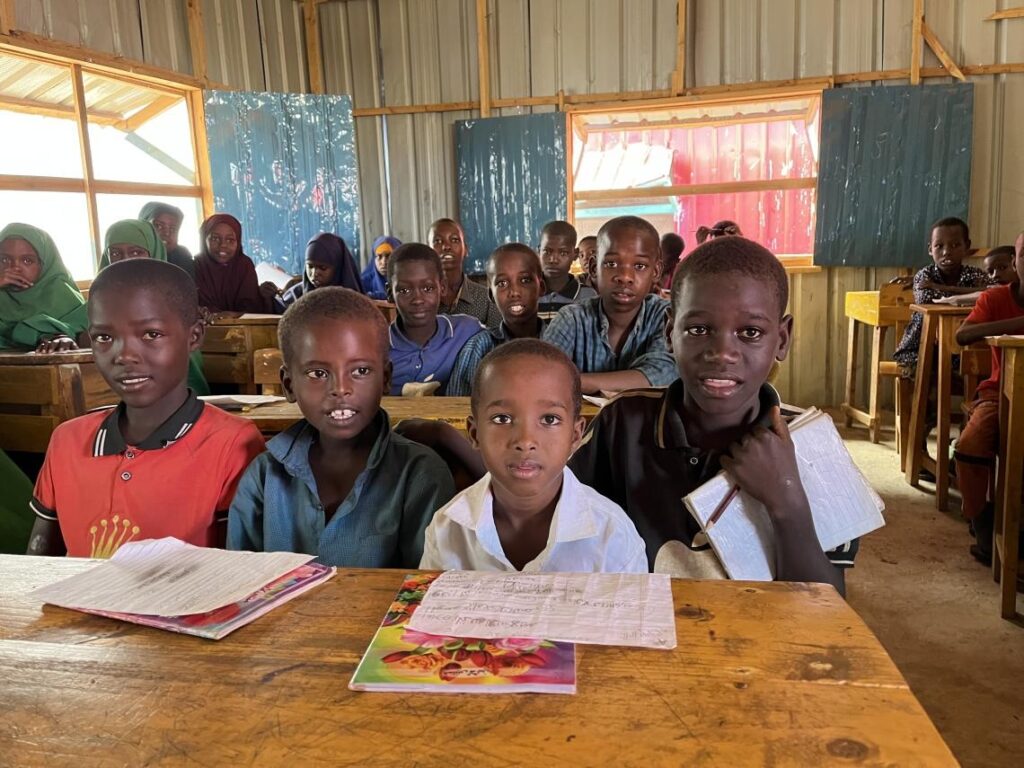
Tents opened to chalkboards and circles where names were learned and fears could rest; more than five hundred children began to study after years of interruption. Older youth served as mentors; peace lessons sat beside reading and number practice; shared meals made attention possible. Parents watched from the edge, then joined, then helped keep the schedule when rain or heat threatened to break it. The message traveled from camp to camp: school can arrive where you are, and you are welcome inside. For children who had never held a pencil, the first page was a quiet milestone, the first of many. Hope took the shape of a daily routine.
Responding to Child Malnutrition With Urgent Nutritional Care
During severe drought, SAACID’s teams moved across informal settlements with fortified porridge, rehydration therapy, and careful follow up. Lines formed before sunrise; mothers said they had walked for days; workers answered with gentle speed and names remembered. Children who had been too weak to cry began to gain strength; appointments were scheduled and kept; home visits caught setbacks early. The campaign paired food with knowledge so recovery could continue after the pot cooled. In a city stretched thin, this was the difference between waiting and healing. Thousands were reached, and thousands carried that strength into the next week of life and learning.
Top Grassroot Nonprofits Across Somalia
Meet the five grassroot organizations seeking to make extraordinary strides in improving the lives of Somalia’s children — one community at a time.
To get started, click on the image to visit the donation page, or click on the nonprofit’s name to access their homepage.
After donating on a partner site, click the purple globe icon to register your contribution in our data tables.
Remember, your support, whether it’s visiting their homepage, donating, or following their social media, will be crucial towards helping these nonprofits grow and amplify their efforts.