All Revenue From Ads Go to Advertising and Support for Nonprofits
South Sudan: Protecting Childhood in the Aftermath of War
Explore South Sudan:
South Sudan is more than camps and conflict lines, it is children carrying loss, hunger, and fear while still reaching for school and peace. From Bentiu to Juba and villages after floods, their courage is daily, and we are here to honor it with action.
The Situation for Children in South Sudan
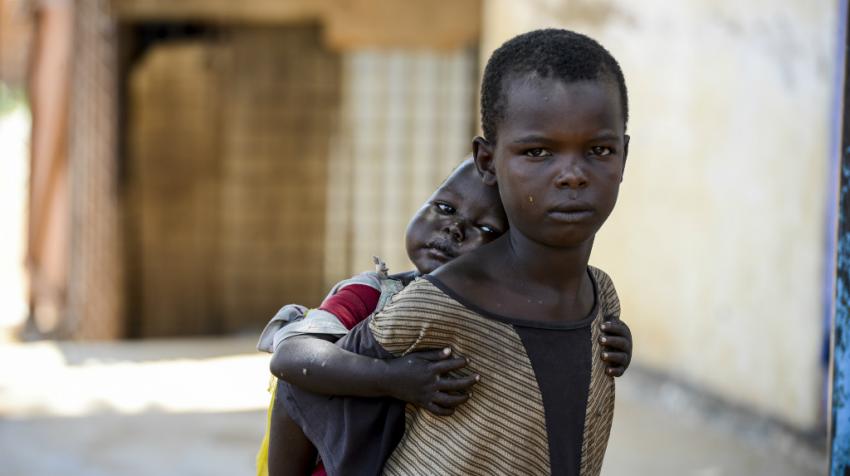
South Sudan is the world’s youngest country, and one of the most dangerous places to be a child. Years of civil war, displacement, and hunger have left generations without security or opportunity. These are the three most urgent challenges:
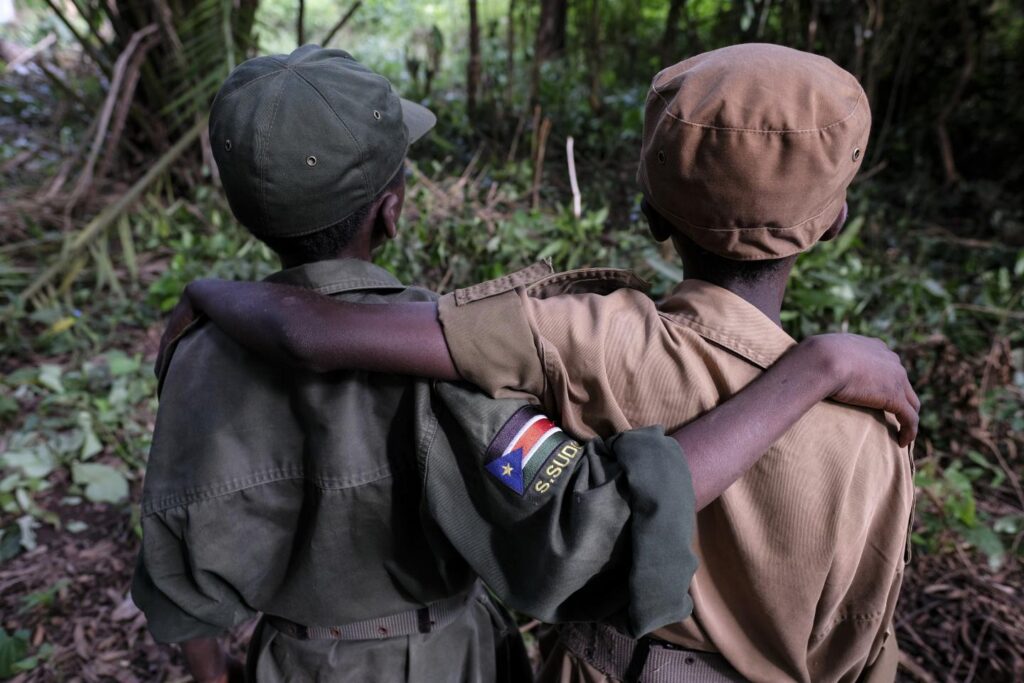
Child Soldiers and Armed Group Recruitment
Thousands of children have been forcibly recruited into armed groups or militias. Many are used as fighters, cooks, porters, or “wives” — robbed of their childhood and often traumatized by what they witness.
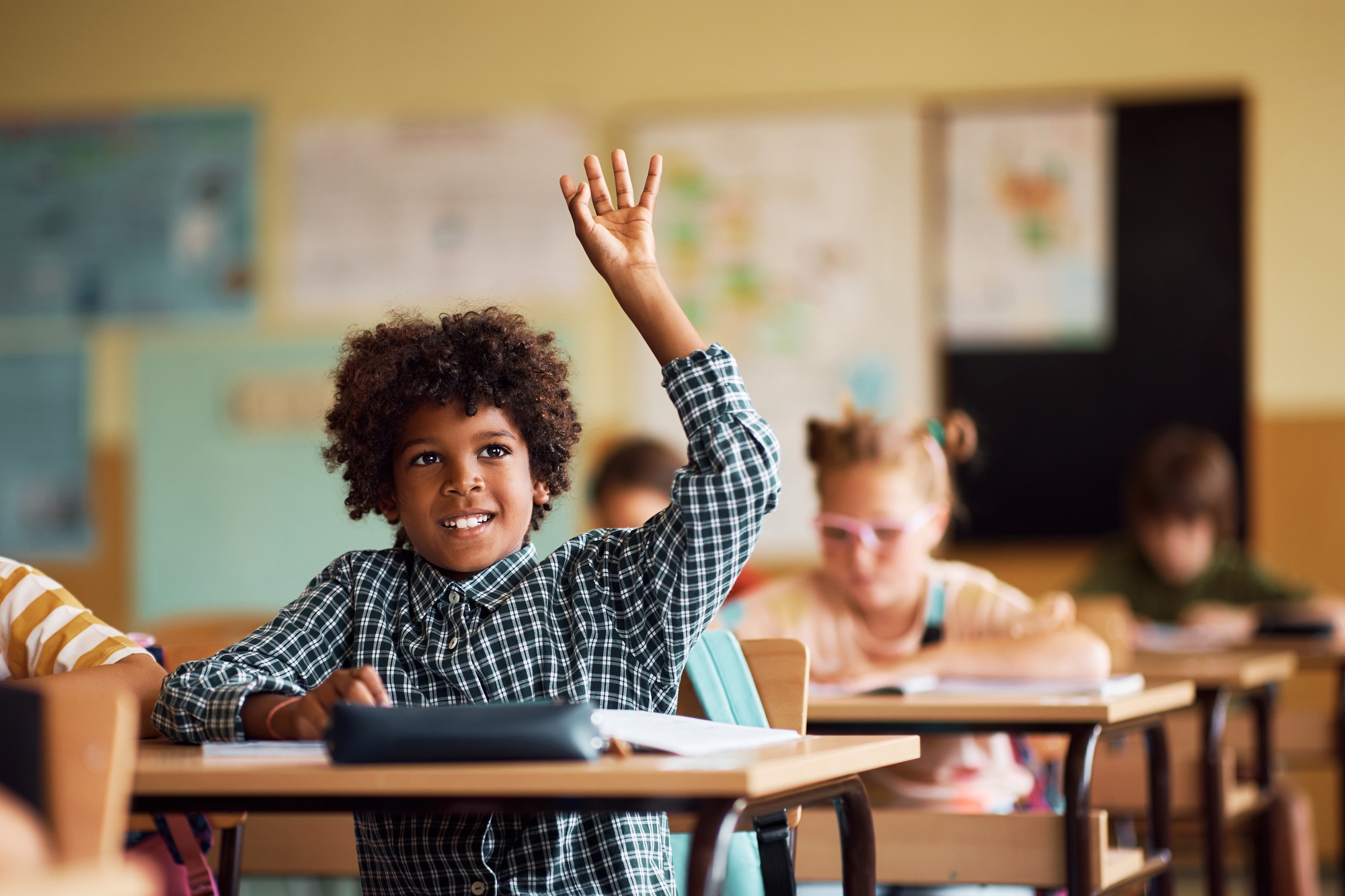
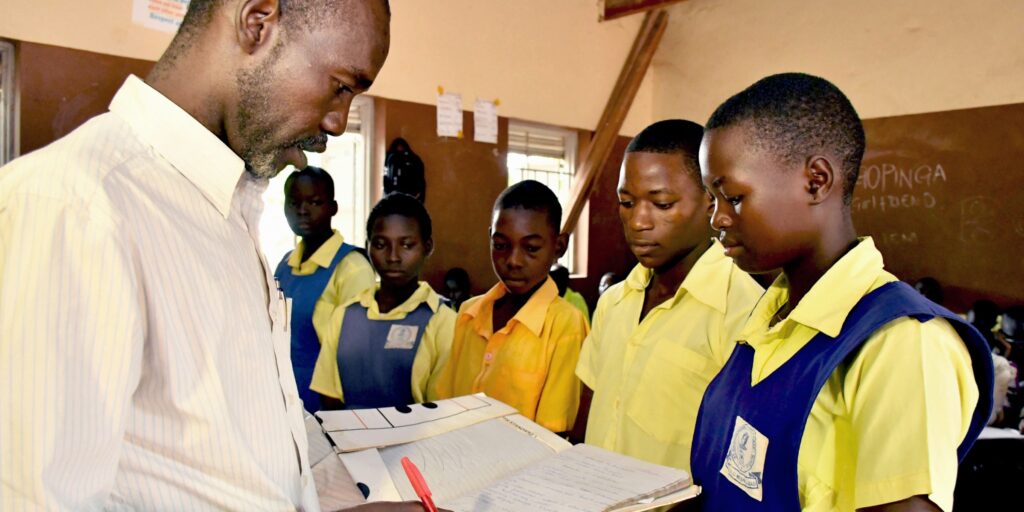
Millions of children live in temporary camps or flooded villages without access to school. Some have never seen a classroom. Others have missed years of learning due to violence, floods, or poverty.
One in ten children suffers from severe acute malnutrition. With few functioning hospitals or clinics, treatable diseases like malaria, diarrhea, and pneumonia often go untreated.
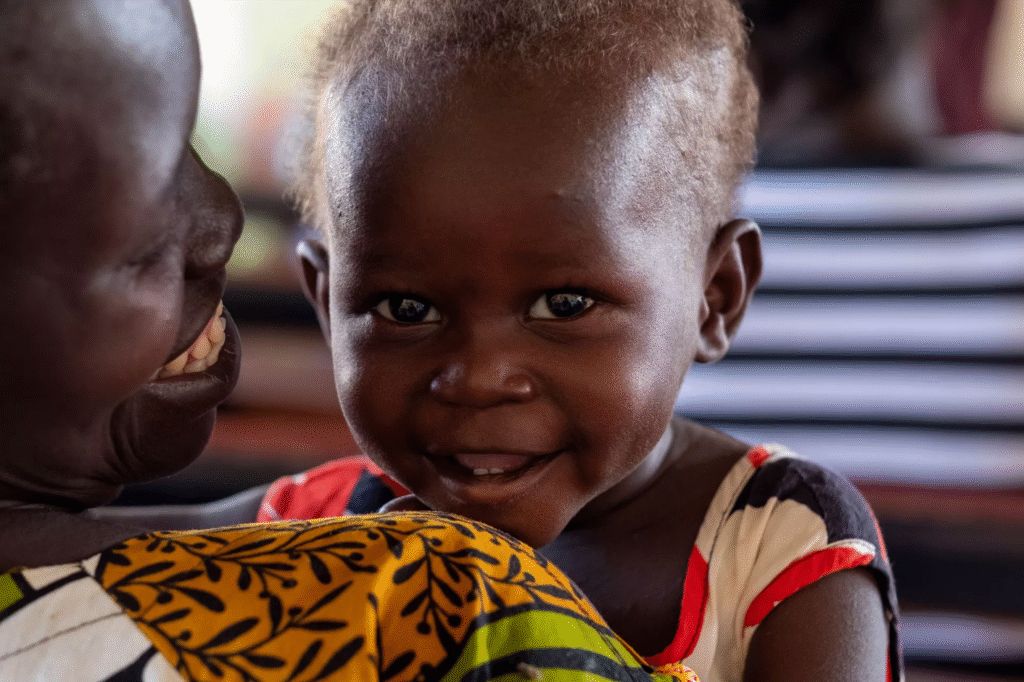
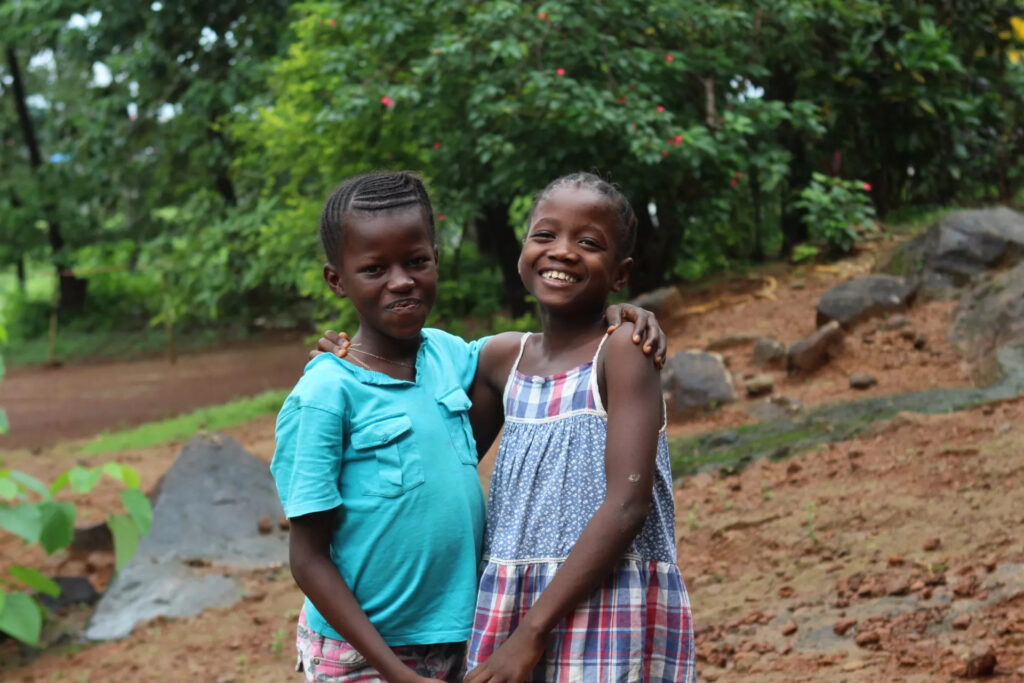
Despite these challenges, South Sudan’s children remain full of hope, dreaming of education, health, and opportunities for a better tomorrow.
Key Contributor #1: Hold the Child
Supporting Orphans, Displaced Youth, and Survivors of Trauma
Hold the Child builds circles of care where children who lost family find foster homes, counseling, and emergency schooling grounded in dignity. Staff work with local leaders to locate the most vulnerable and to train caregivers who can offer steady love. Teachers learn trauma-aware practices so classrooms feel safe enough for learning to return. Paperwork and protection plans are handled with patience; reunifications are prepared, not rushed. In a landscape of grief, routine becomes medicine: morning lessons, shared meals, evenings with calm. The program’s promise is simple and radical—belonging is possible here. That promise holds.
Key Contributor #2: Confident Children out of Conflict (CCC)
Reintegrating Former Child Soldiers and Children in Armed Conflict
CCC meets youth on the other side of war and refuses to see them only by what they endured. Residential care offers rest; therapy untangles memory; education and apprenticeships restore purpose. Family tracing and community prep keep return safe; legal advocacy pushes back against recruitment and harm. Mentors stay close as identity rebuilds. The work is personal and persistent, anchored in the belief that a child is never the sum of their worst days. School replaces orders; a future replaces a weapon. Healing becomes a practice, not a point.
Key Event #1: Child Soldier Reintegration Camp – Juba Region
Helping Youth Transition From War to School
Six weeks of medical care, counseling, and daily lessons gave teenagers a first taste of quiet and a path toward classrooms or trades. Literacy and peacebuilding sat beside tailoring and agriculture so heads and hands could heal together. Sleep returned; nightmares eased; friendships formed in the safety of predictable days. For many, holding a pencil was as new as resting without fear. The camp returned identity to those who had been told they didn’t have one. It was a beginning—and a good one.
Key Event #2: Mobile School Program Launch – Bentiu Camp
Delivering Education to Children Living in Displacement Camps
Tents, solar lights, and patient teachers turned a crowded corner of a camp into a place of learning and pride. Reading circles and math games welcomed children back to routine; parents joined learning groups and kept attendance strong. Rain and heat did not stop the schedule; joy did not wait for perfect buildings. The program taught families something precious: school can travel to where you are. In a hard place, that truth changed days.
Top Grassroot Nonprofits Across South Sudan
Meet the five grassroot organizations seeking to make extraordinary strides in improving the lives of South Sudan’s children — one community at a time.
To get started, click on the image to visit the donation page, or click on the nonprofit’s name to access their homepage.
After donating on a partner site, click the purple globe icon to register your contribution in our data tables.
Remember, your support, whether it’s visiting their homepage, donating, or following their social media, will be crucial towards helping these nonprofits grow and amplify their efforts.