All Revenue From Ads Go to Advertising and Support for Nonprofits
Sudan: Defending Childhood in the Midst of Conflict
Explore Sudan:
Sudan is more than war maps and headlines, it is children surviving displacement, hunger, and violence while still reaching for safety, school, and voice. From the White Nile corridor to Kassala and border camps, their hope persists, and we are here to protect it.
The Situation for Children in Sudan
Sudan is now one of the most dangerous places in the world to be a child. With civil war intensifying since 2023, millions have been forced to flee, and many children have witnessed violence, starvation, and the collapse of safety. These are the three most urgent challenges:
Mass Displacement and Family Separation
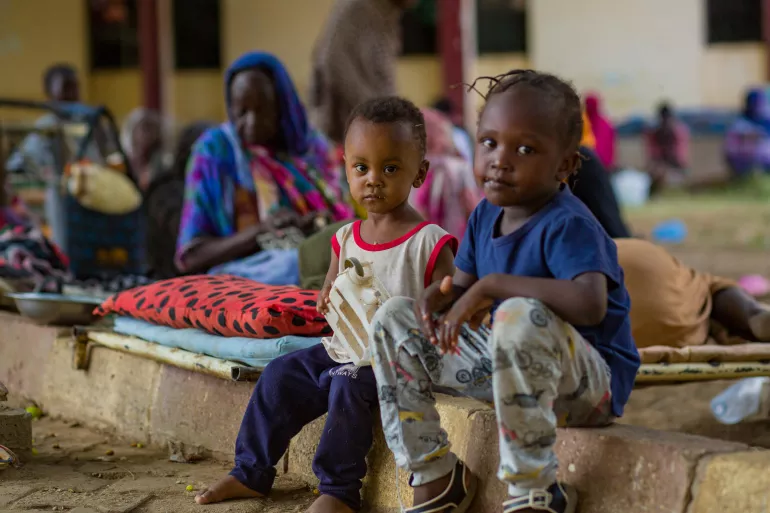
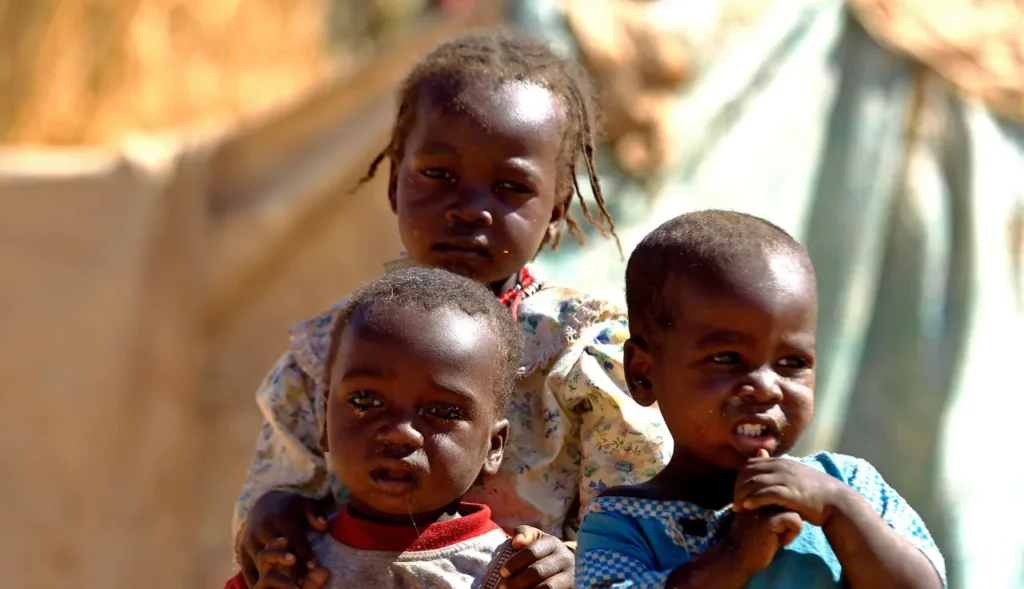
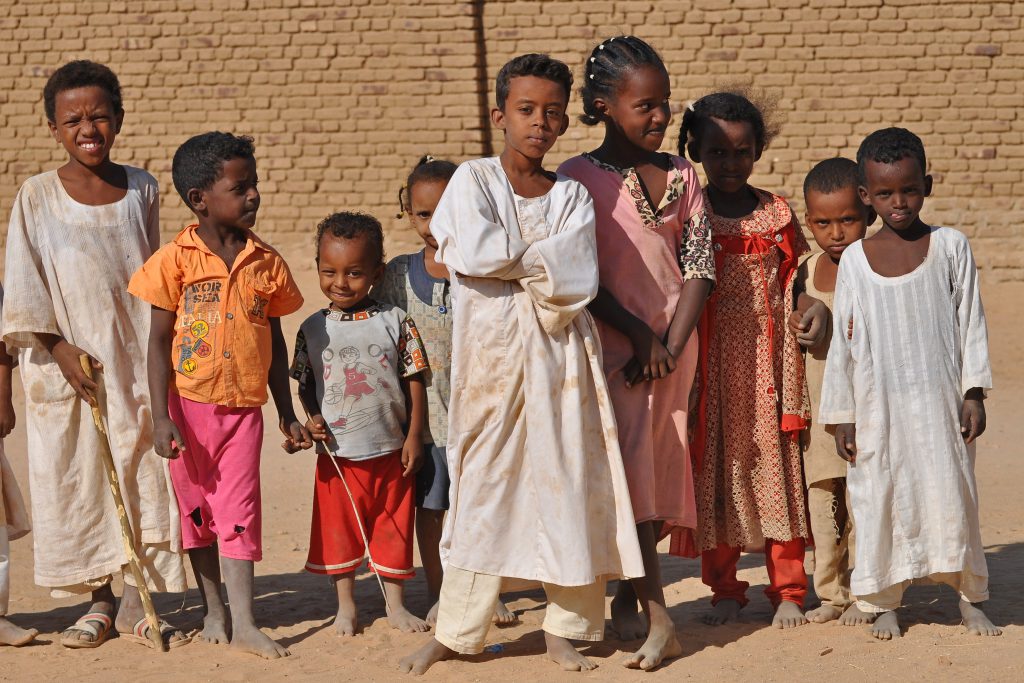
Over 4 million children have been displaced inside and outside Sudan. Many are separated from parents or caregivers, living in camps or on the move without food, shelter, or guidance.
Reports of child killings, rape, and recruitment by armed groups are rising. Children are often caught between military groups with no protection, and the trauma they carry often goes untreated.
Schools and clinics have been bombed, shut down, or abandoned. In many areas, children have no access to education or medical care, especially in Darfur, Khartoum, and border regions.
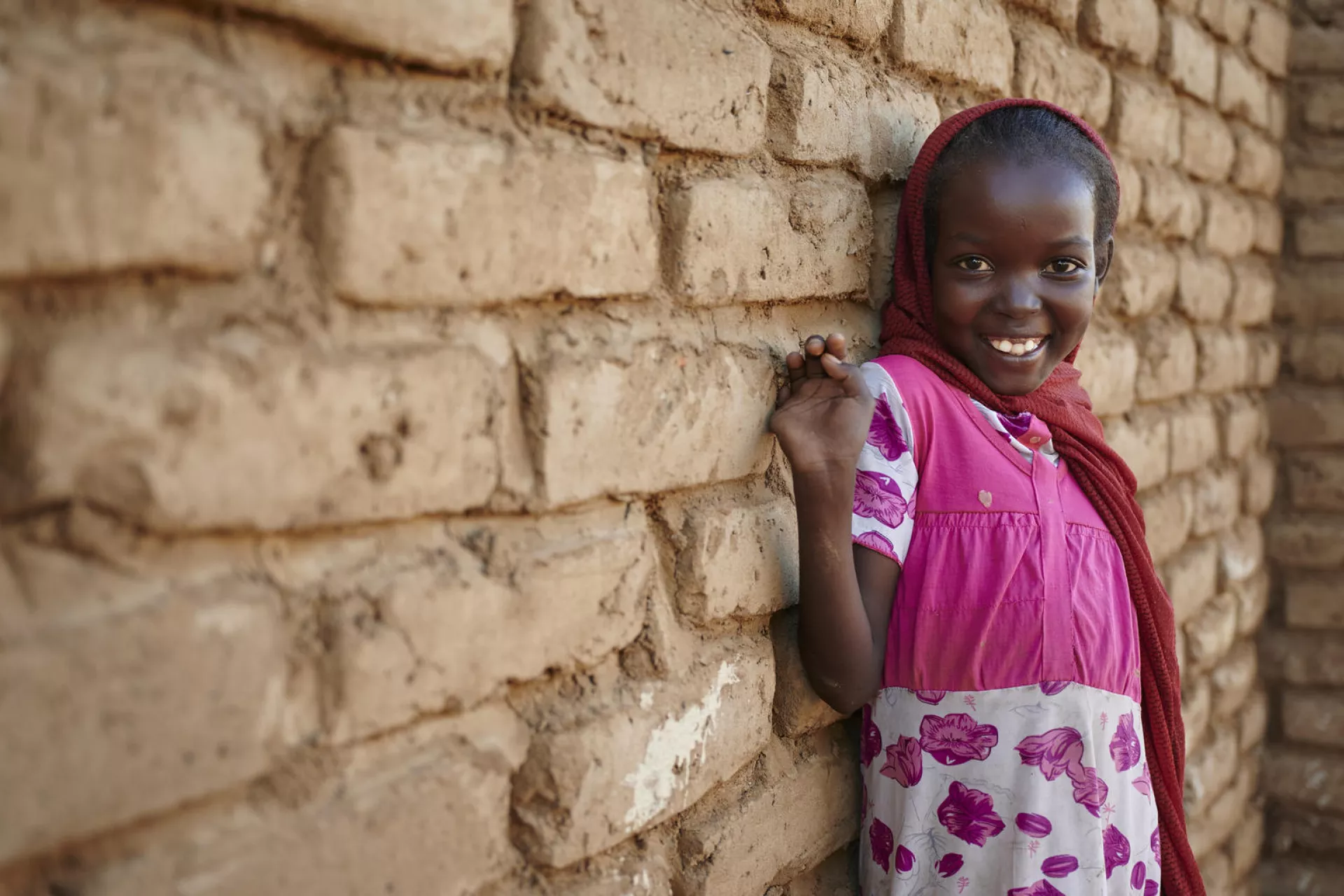
Despite these challenges, Sudan’s children remain full of hope, dreaming of education, health, and opportunities for a better tomorrow.
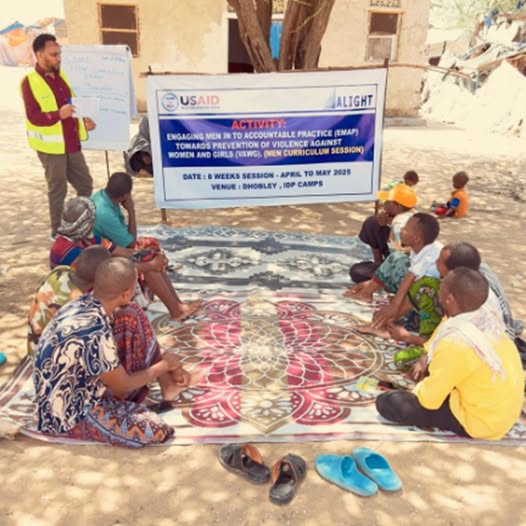
Key Contributor #1: Alight Sudan (Formerly American Refugee Committee – Local Branch)
Offering Trauma Support and Education in Displacement Zones
Alight sets up child-friendly spaces where art, play, and early learning help children breathe again after flight. Staff guide parents through reunification and gentle routines; social workers and teachers are trained to recognize trauma and respond with dignity. Mobile teams reach settlements where violence has stripped away every service. Circles for songs and stories open the door to trust; simple lessons return concentration. In chaos, these spaces make safety feel real. That feeling is where healing starts.
Key Contributor #2: Child Development Foundation Sudan
Protecting Children From Violence and Restoring Access to Education
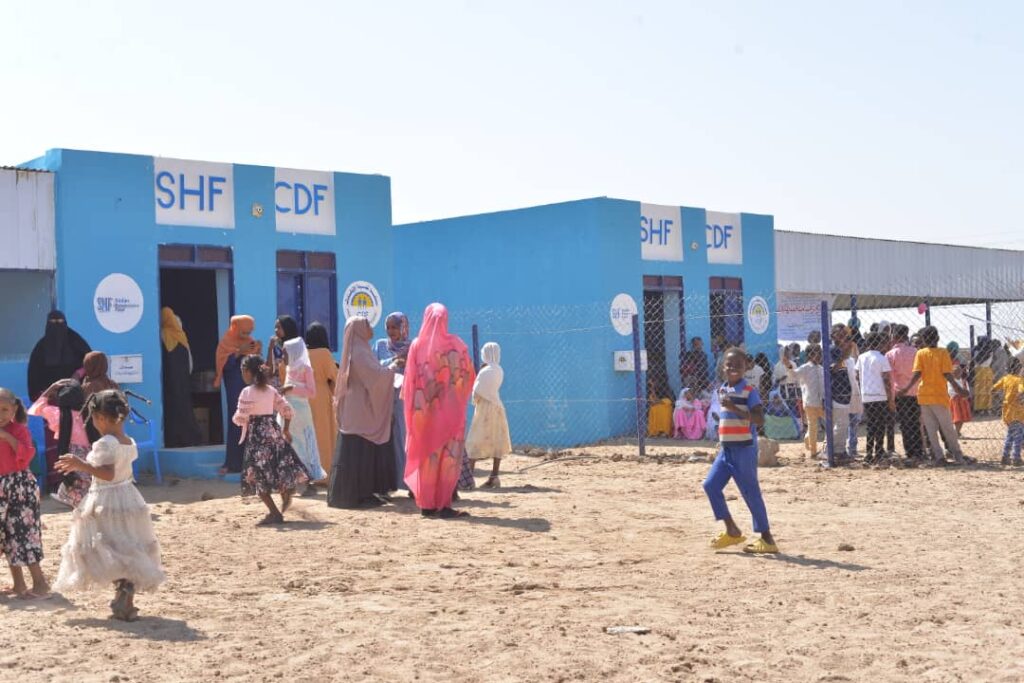
CDF rebuilds learning where schools have fallen—tents, kits, volunteer teachers—and matches it with community talks that prevent gender-based violence and recruitment. Training keeps classrooms safer; materials let children study even when power is gone. Parents and older siblings are guided to support lessons at home so progress doesn’t stop between visits. The work is humble and effective: structure where there was none, care where there was fear. Children begin to imagine tomorrow again. That is no small thing.
Key Event #1: Safe Learning Tent Setup – White Nile Refugee Corridor
Giving Displaced Children a Place to Learn and Feel Safe
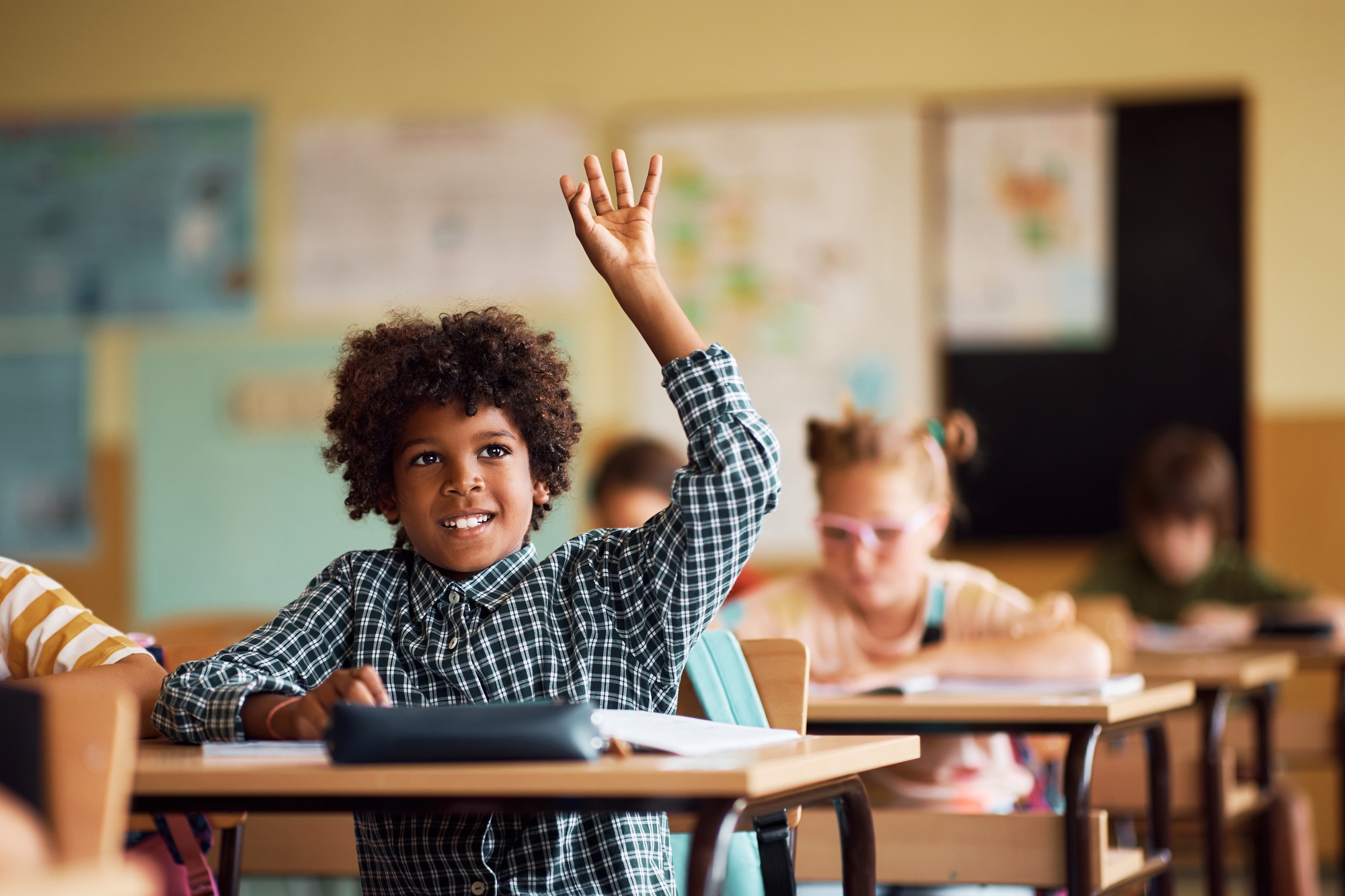
Clusters of tents welcomed children who had fled Khartoum and Darfur, offering reading circles, drawing, and math games that eased tight shoulders. Volunteers learned names and kept schedules; laughter returned in moments that used to hold panic. Parents watched and joined; routines spread beyond the tent flaps. The spaces brought back more than lessons—they brought back joy. In a war, that matters.
Key Event #2: Emergency Education Kit Distribution – Kassala Region
Reaching Children Cut Off From Schools With Tools to Learn at Home
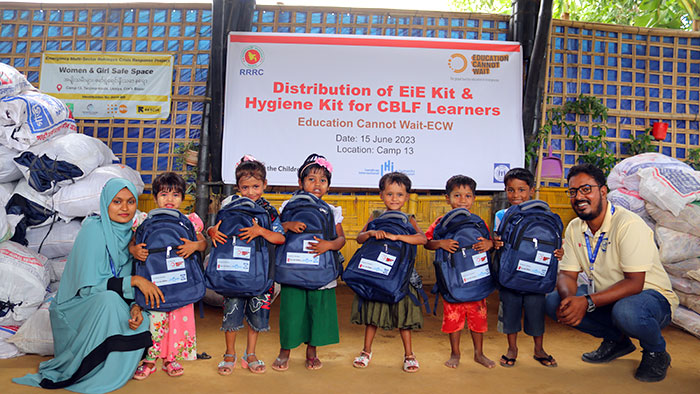
Thousands of kits—notebooks, pencils, storybooks—turned kitchens and tents into classrooms led by siblings and parents. Without electricity or teachers, children still gathered daily to study and teach each other. The kits were small, the effect was large: identity as a student returned. Families carried a new rhythm into days shaped by uncertainty. Learning found a way to stay.
Top Grassroot Nonprofits Across Sudan
Meet the five grassroot organizations seeking to make extraordinary strides in improving the lives of Sudan’s children — one community at a time.
To get started, click on the image to visit the donation page, or click on the nonprofit’s name to access their homepage.
After donating on a partner site, click the purple globe icon to register your contribution in our data tables.
Remember, your support, whether it’s visiting their homepage, donating, or following their social media, will be crucial towards helping these nonprofits grow and amplify their efforts.