All Revenue From Ads Go to Advertising and Support for Nonprofits
Tanzania: Uplifting Children in Forgotten Rural Communities
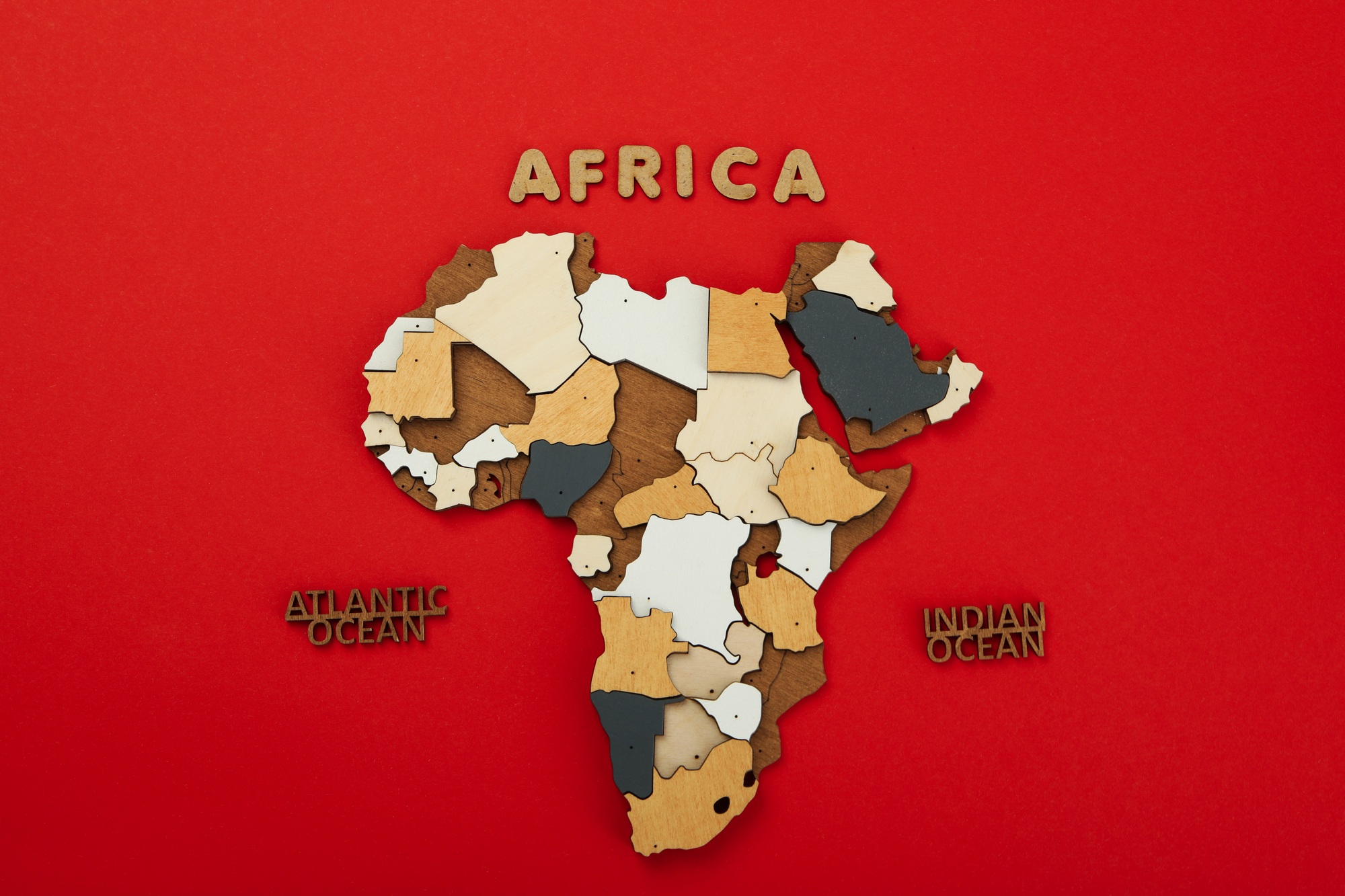
Explore Tanzania:
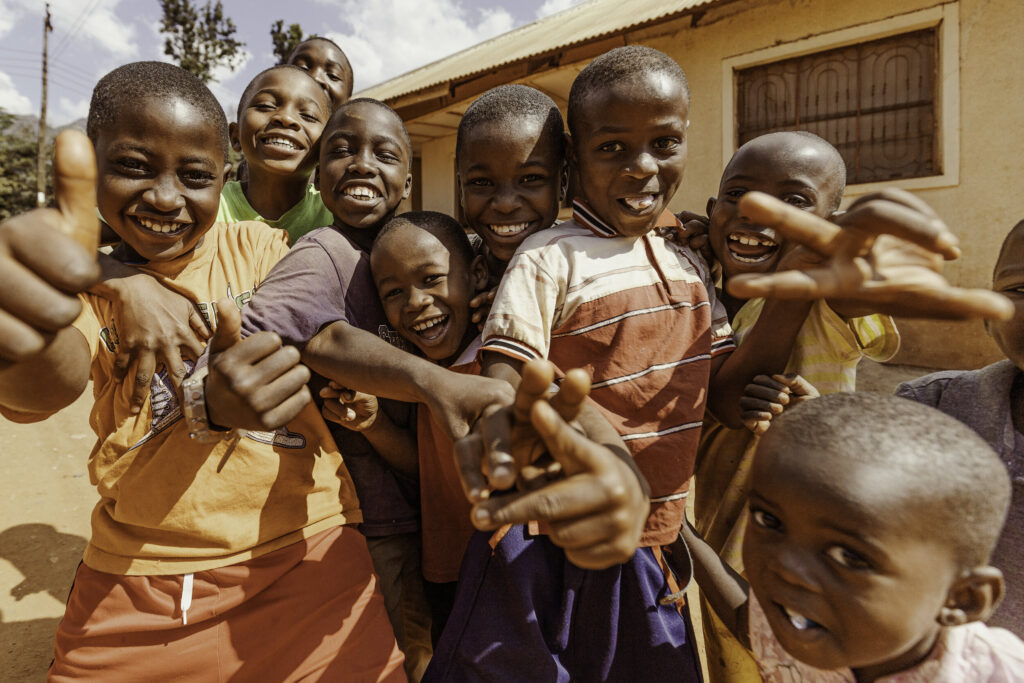
Tanzania is more than mountains and wide plains, it is children working long hours, walking far for water, and still choosing school when a path appears. From Dodoma to Lindi and the coast, their needs are clear and human, and we are here to stand close.
The Situation for Children in Tanzania
Tanzania has made important progress in education and child health, but gaps remain for the poorest and most remote communities. Many children still grow up without clean water, classroom access, or legal protection from harm. These are the three most urgent challenges:
Child Labor in Agriculture and Domestic Work
Hundreds of thousands of children work long hours in farms, mines, or homes — missing out on school and often exposed to injury, exploitation, or abuse.
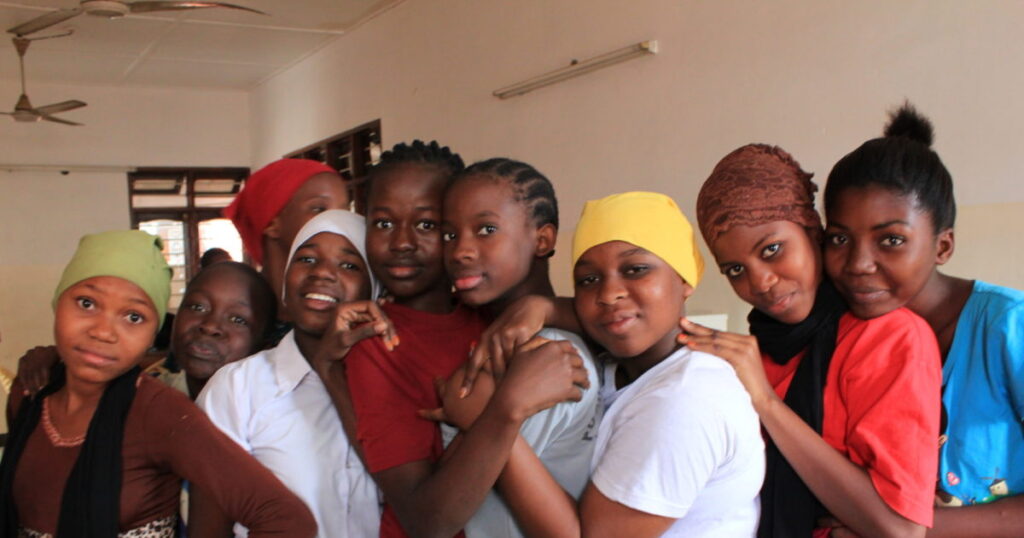
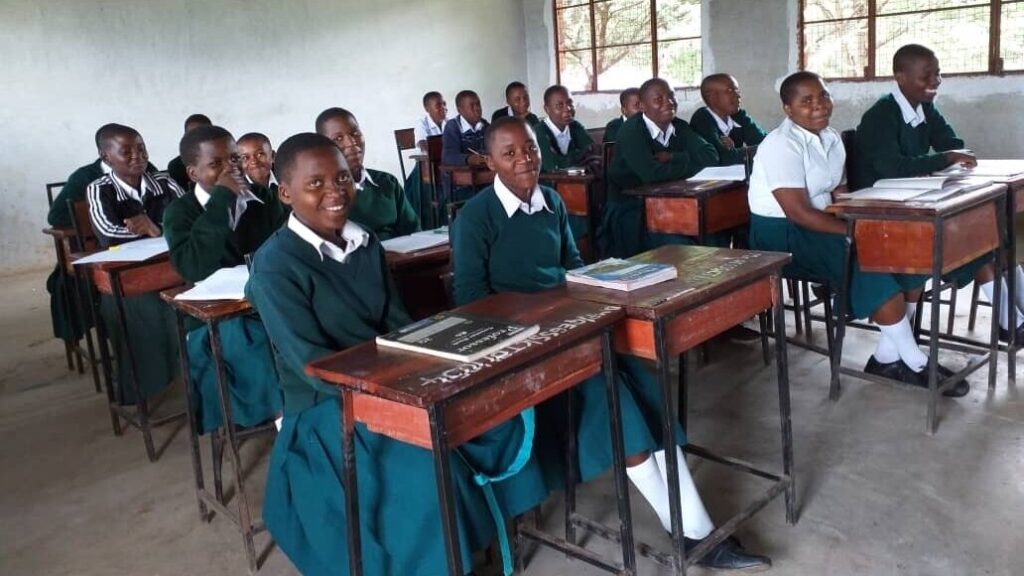
In rural areas, many girls drop out before secondary school due to marriage, pregnancy, or financial pressure. Legal enforcement is weak, and social norms keep them from returning to class.
Many children in remote areas suffer from malnutrition, diarrhea, and malaria due to lack of healthcare, clean water, or trained medical staff. Clinics are far, and caregivers often can’t afford transportation.
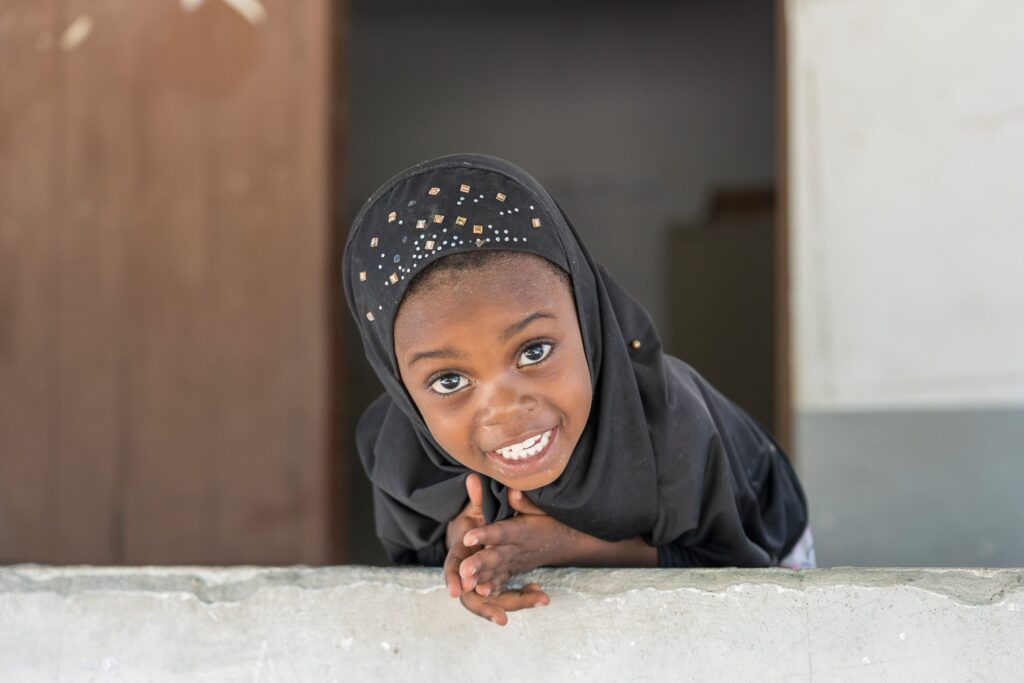
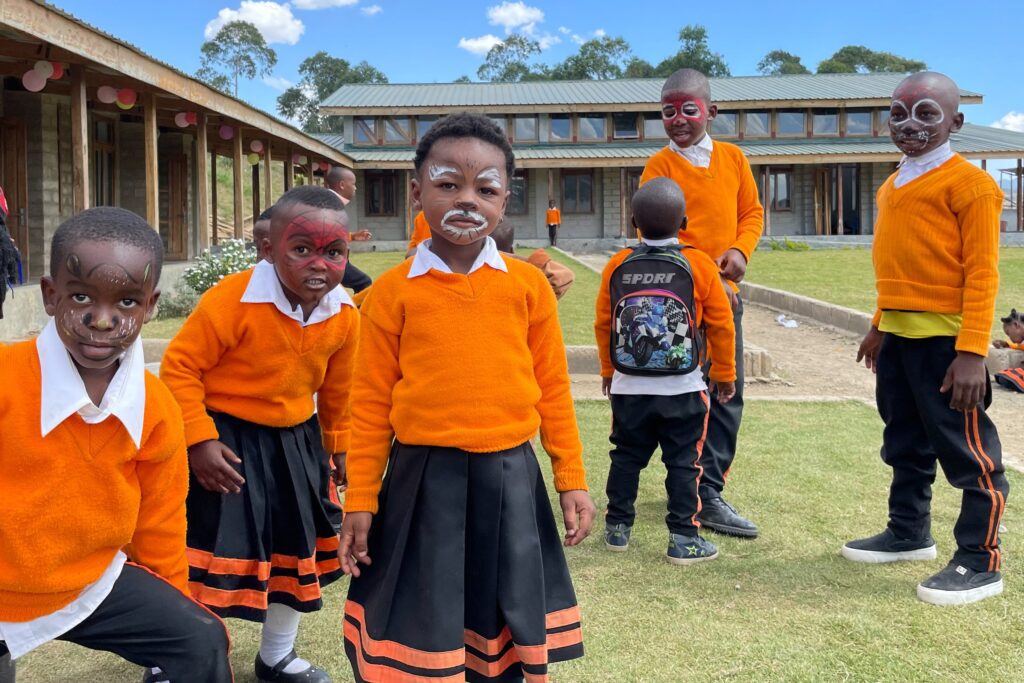
Despite these challenges, Tanzania’s children remain full of hope, dreaming of education, health, and opportunities for a better tomorrow.
Key Contributor #1: Kiwohede (Kiota Women’s Health and Development)
Protecting Girls From Exploitation and Supporting Their Return to School
Kiwohede keeps doors open for girls when communities would rather close them, offering safe houses, counseling, and second chances built on respect. Outreach challenges harmful norms with testimony and truth; reentry plans pair uniforms with mentorship so shame does not send a child back out. Staff stand beside families as they relearn how to support a daughter’s education; schools receive tools that make inclusion possible. For survivors of trafficking or early marriage, healing is matched with practical steps: documents, health care, and a timetable that holds. Peer leaders carry the message further than any poster can. Progress shows up in attendance and in voices that no longer whisper. The change feels local because it is.
Key Contributor #2: Health Integrated Multisectoral Development (HIMD)
Delivering Healthcare and Nutrition to Children in Remote Regions
When clinics are far and roads are rough, HIMD arrives on motorcycles and on foot with tests, vaccines, and calm instruction. Mobile teams weigh babies, screen for malnutrition, and treat malaria; parents learn handwashing, breastfeeding, and kitchen garden basics they can keep using. School-based health days catch problems early so learning can stick. Volunteers from each village are trained to monitor growth and to call for help before danger grows. The tone is practical and kind, the schedule predictable. For children who had no doctor, HIMD becomes the health system. Strength returns one visit at a time.
Key Event #1: Back-to-School Girls’ Caravan – Dodoma Region
Helping Dropout Girls Return to Class With Confidence and Support
Music and stories drew crowds; then came hard conversations about rights, safety, and the long view of a girl’s education. Leaders signed pledges; parents met counselors; girls joined literacy games and left with contacts who would walk the next miles with them. The caravan showed what reentry looks like in practice, not theory. It turned hope into a plan: supplies, schedules, allies. The road itself became a classroom where confidence could grow. Villages kept that lesson when the convoy moved on.
Key Event #2: Health on Foot – Mobile Clinics in Lindi
Bringing Medical Care to Children Living Far From Clinics
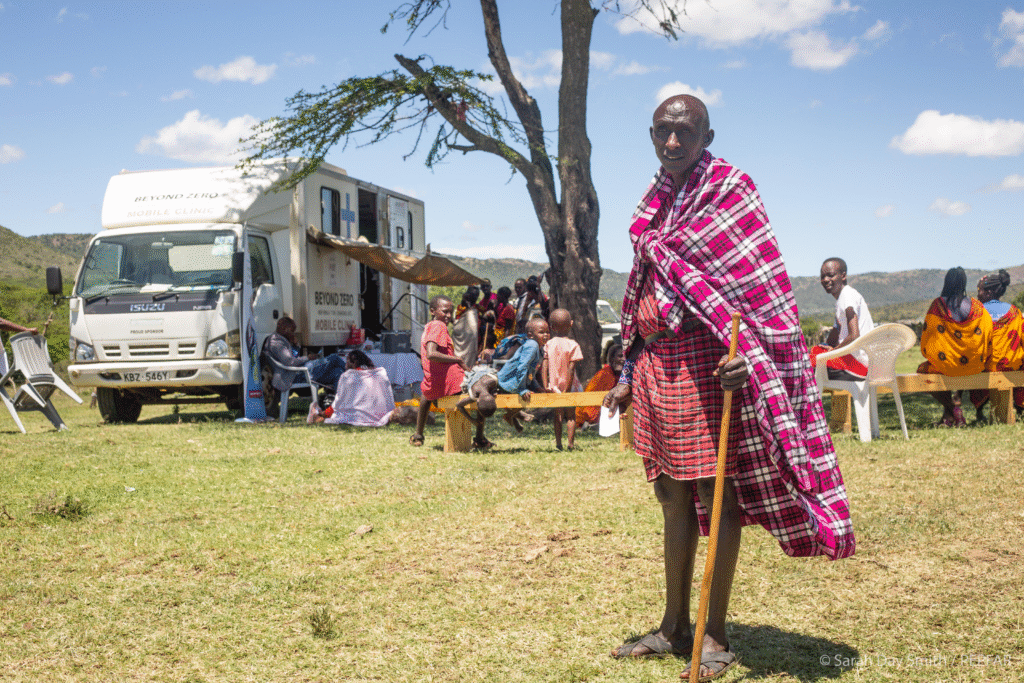
Backpacks carried tests and medicines into hamlets beyond the last road; nurses set up under trees and met families who had waited years. Children received treatment and vitamins; infants were immunized; mothers left with simple, doable steps for home care. Visits were logged; return dates were kept; trust grew because the team did. For many, it was a first appointment and a first relief from worry. The campaign showed that distance should not decide who gets to be healthy. It made care a local fact, not a rumor.
Top Grassroot Nonprofits Across Tanzania
Meet the five grassroot organizations seeking to make extraordinary strides in improving the lives of Tanznia’s children — one community at a time.
To get started, click on the image to visit the donation page, or click on the nonprofit’s name to access their homepage.
After donating on a partner site, click the purple globe icon to register your contribution in our data tables.
Remember, your support, whether it’s visiting their homepage, donating, or following their social media, will be crucial towards helping these nonprofits grow and amplify their efforts.