All Revenue From Ads Go to Advertising and Support for Nonprofits
Tunisia: Rebuilding Trust and Safety for a New Generation
Explore Tunisia:
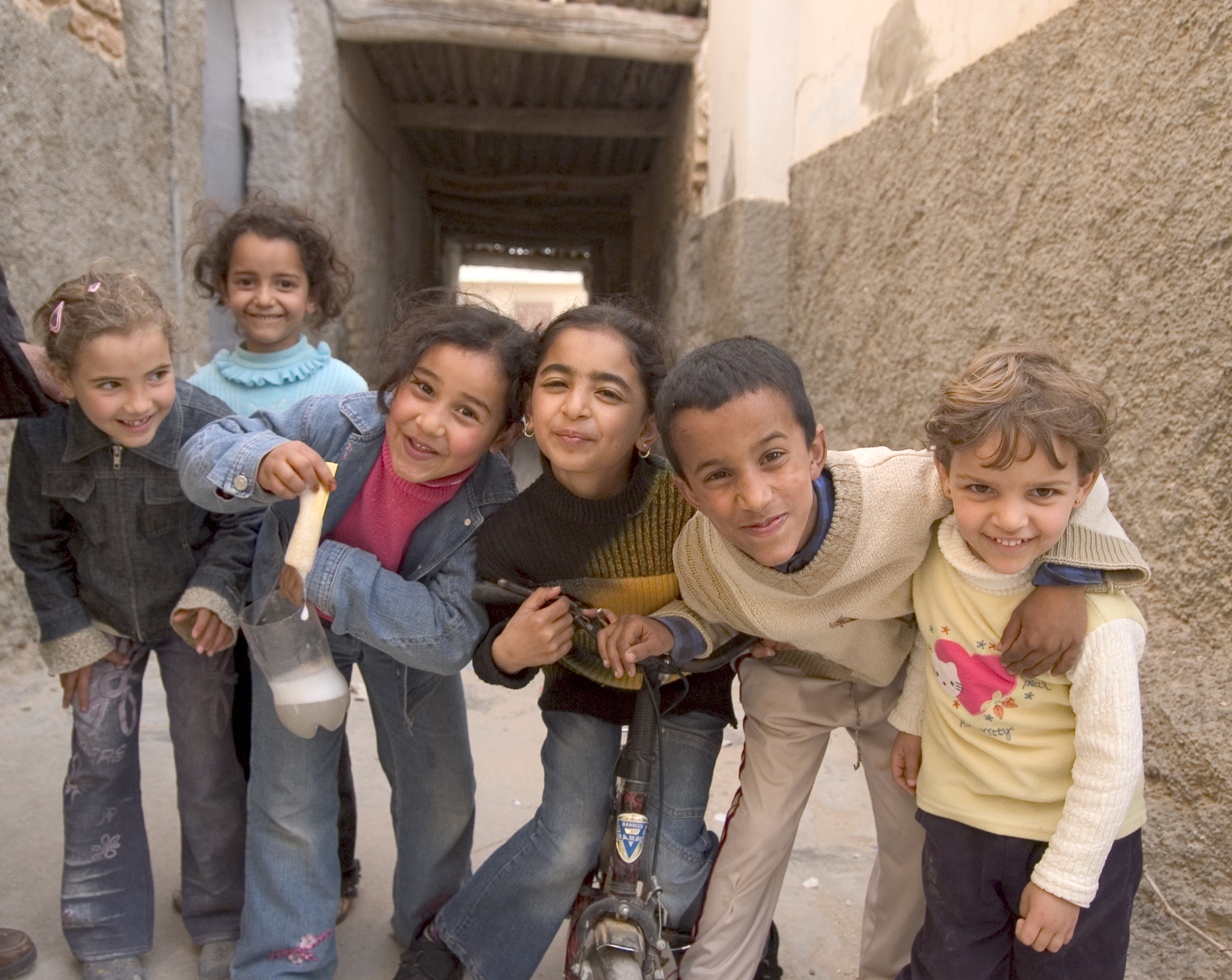
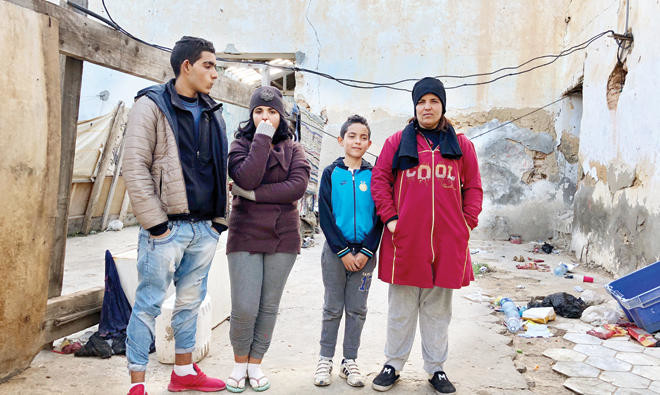
Tunisia is more than seaside streets and politics, it is children facing abuse, dropout, and silence while still looking for trust and stability. From Monastir to Kasserine and Sfax, their needs are specific and solvable, and we are here to meet them with care.
The Situation for Children in Tunisia
Tunisia has made strides in health and education, but persistent inequality and social disconnection leave many children vulnerable. Economic instability, discrimination, and family breakdowns continue to create risks that often go unseen. These are the three most urgent challenges:
Child Abuse and Lack of Trust in Protection Systems
Reports of physical, emotional, and sexual abuse are increasing, but many families are afraid to report or don’t believe the system will help. Children often suffer in silence without legal, psychological, or safe shelter support.
Thousands of children leave school early due to poverty, academic pressure, or lack of support. Once they leave, many feel directionless — leading to social isolation or involvement in dangerous environments.
Depression, anxiety, and trauma are common, especially among youth affected by violence, poverty, or neglect. Mental health services for children remain limited, and social stigma keeps many from seeking help.
Despite these challenges, Tunisia’s children remain full of hope, dreaming of education, health, and opportunities for a better tomorrow.
Key Contributor #1: Amal Association for the Family and Child
Providing Safety, Counseling, and Legal Support for Abused and Abandoned Children
Amal opens doors that feel safe the moment a child walks in—warm meals, health checks, quiet rooms, and adults who listen without judgment. Legal advocates handle protection orders and court steps; psychologists guide recovery at the child’s pace; reintegration is planned for safety, not speed. Many arrive with deep wounds from homes marked by violence and neglect; routines and storytelling begin to soften what’s tight. Staff coordinate with schools so learning can resume when ready. Dignity is restored in the details: a bed made, a voice heard, a name respected. That is how a life turns.
Key Contributor #2: Youth Without Borders (Jeunes Sans Frontières – JSF)
Reengaging Out-of-School Youth Through Education and Mental Health Support
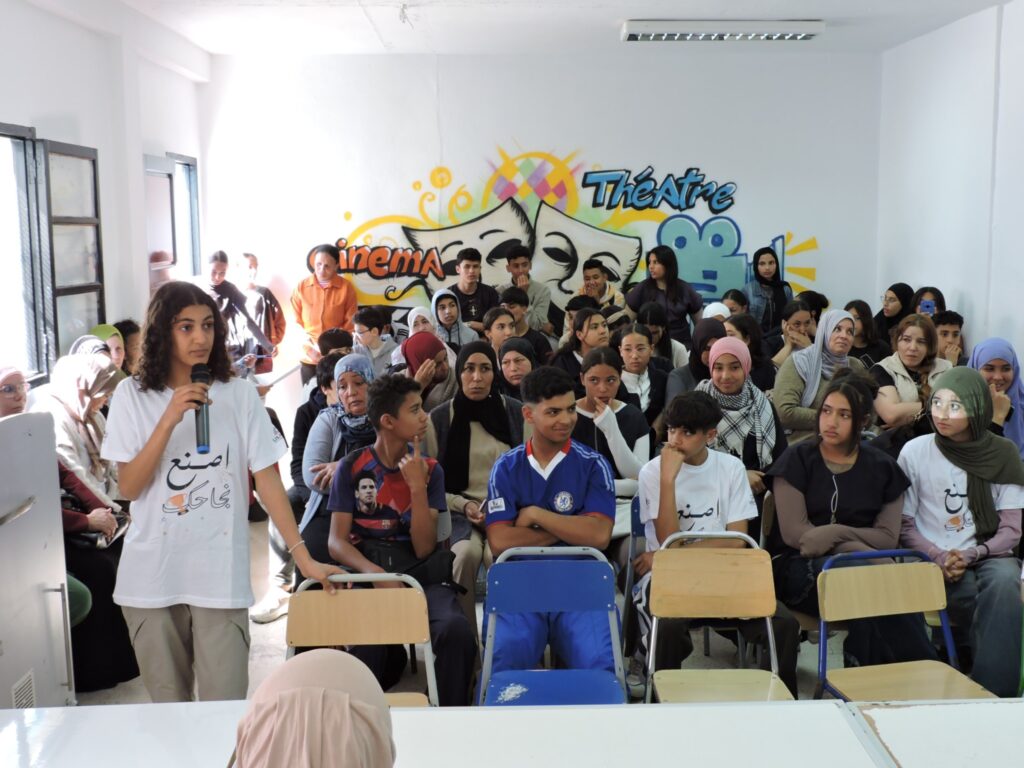
JSF meets adolescents where they feel lost and offers mentorship, civic education, and mobile counseling that bring them back into community. Group therapy and life-skills workshops turn isolation into connection; peer leaders show that struggle can become service. School reentry and vocational paths are mapped with real steps and supportive adults. For many, it is the first time someone has believed in their capacity and stayed long enough to prove it. Confidence grows; direction returns. Healing looks like a plan you can carry.
Key Event #1: Safe Haven Week – Monastir Shelter Program
Providing Emergency Care and Hope for Children Escaping Abuse
New arrivals received welcome kits and gentle schedules—storytelling, drawing, play—that helped fear loosen its grip. Medical checks and counseling began; staff built predictable routines so rest could return. By week’s end, guarded faces softened; trust in adults felt possible again. The event marked a beginning many had never been offered. Safety, then voice, then learning. Step by step, hope grew.
Key Event #2: Mental Health Caravan – Kasserine and Sfax Regions
Delivering Emotional Support and School Reentry Services to Isolated Youth
The caravan brought therapists, peer groups, and art sessions into neighborhoods where services had never reached. Youth told their stories, practiced coping, and left with contact to counselors and a path back to school or training. Local volunteers helped carry the work forward after the van left. Silence turned into solidarity; isolation into plans. The road connected care to those who needed it most. And the connection held.
Top Grassroot Nonprofits Across Tunisia
Meet the five grassroot organizations seeking to make extraordinary strides in improving the lives of Tunisia’s children — one community at a time.
To get started, click on the image to visit the donation page, or click on the nonprofit’s name to access their homepage.
After donating on a partner site, click the purple globe icon to register your contribution in our data tables.
Remember, your support, whether it’s visiting their homepage, donating, or following their social media, will be crucial towards helping these nonprofits grow and amplify their efforts.