All Revenue From Ads Go to Advertising and Support for Nonprofits
Zambia: Growing Up Strong in the Face of Poverty and Silence
Explore Zambia:
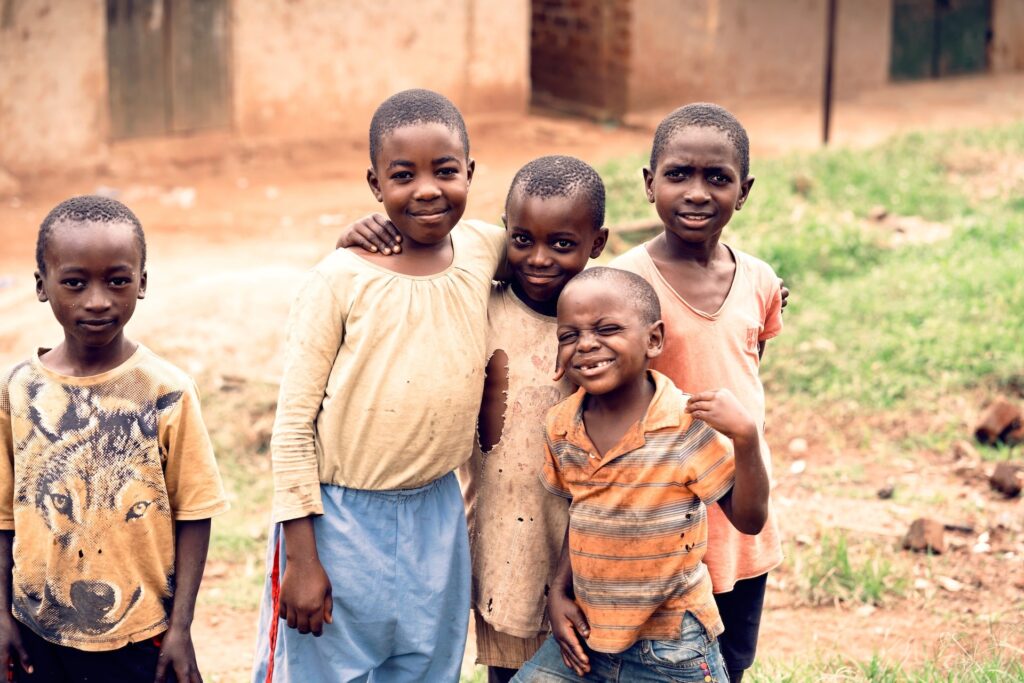
Zambia is more than warm smiles and green hills, it is children facing hunger, abuse, and early marriage while still reaching for books and safety. From rural kitchens to Lusaka’s crowded streets, their voices are ready to be heard, and we are here to carry them.
The Situation for Children in Zambia
Zambia is a country of resilience and potential, but many children grow up without consistent support, safety, or access to opportunity. From early marriage to malnutrition, the most vulnerable often live in silence. These are the three most urgent challenges:
Gender-Based Violence and Child Abuse
Violence against children — including sexual abuse, neglect, and physical harm — remains widespread. Many survivors do not report due to fear, stigma, or lack of trust in legal systems.
In rural areas, many children suffer from stunted growth and poor health due to hunger, lack of protein, and minimal access to medical care. Malnutrition weakens immune systems and limits development.
Nearly one in three girls is married before the age of 18. Most of these girls drop out of school permanently and face health risks, isolation, and lost potential.
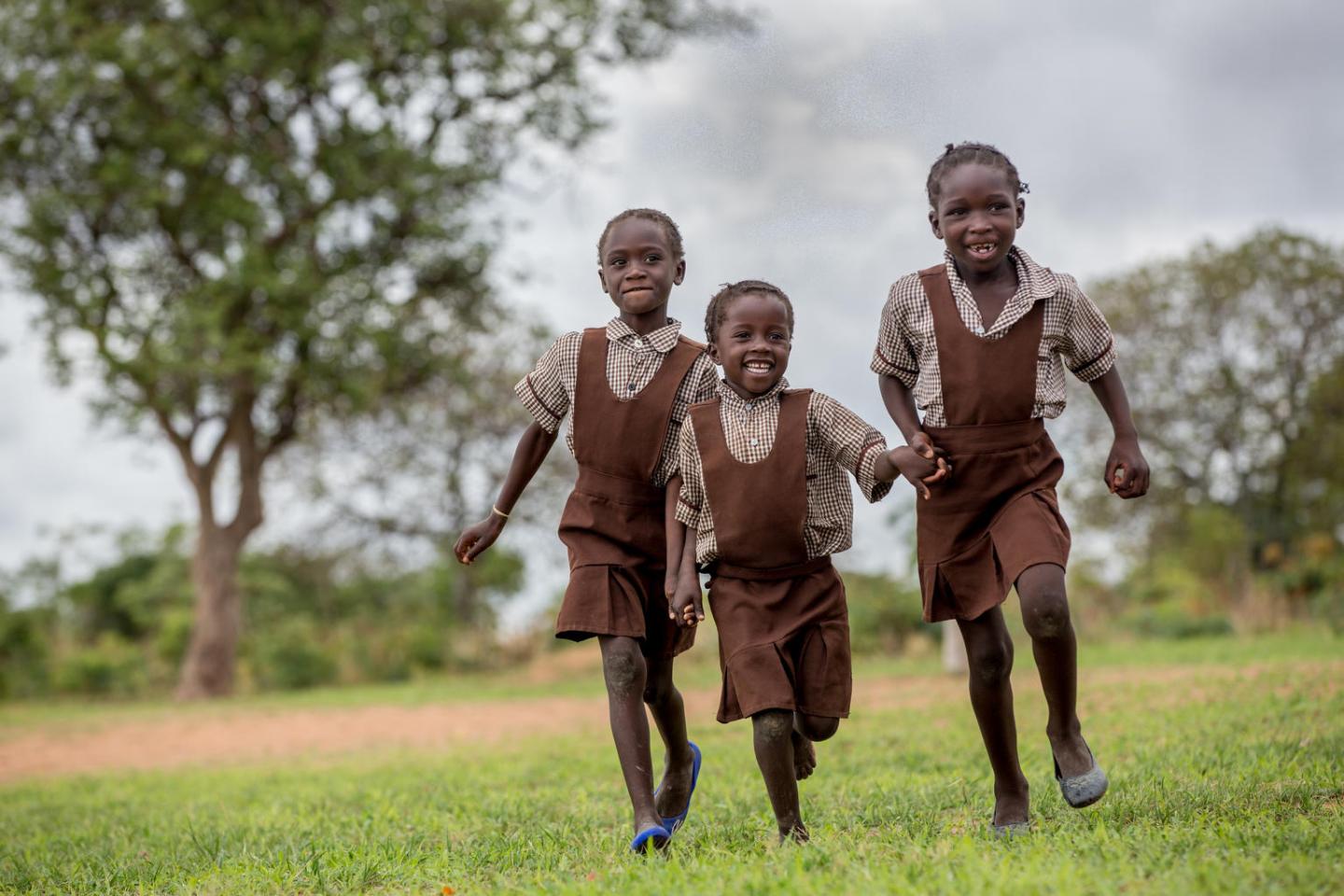
Despite these challenges, Zambia’s children remain full of hope, dreaming of education, health, and opportunities for a better tomorrow.
Key Contributor #1: Forum for African Women Educationalists Zambia (FAWEZA)
Empowering Girls to Stay in School and Resist Early Marriage
FAWEZA surrounds girls with what keeps them in class: supplies, mentorship, and adults who say “your future is yours.” Safe spaces host study circles and honest conversations about rights and health; teachers and parents become partners rather than barriers. When a girl is at risk of marriage or dropout, intervention is swift and respectful, focused on protection and return to learning. Peer leaders grow from the same clubs that once sheltered them; they guide younger students through the hard weeks. Community pledges follow the girls’ momentum, not the other way around. Uniforms, fees, and transport are solved so attendance can hold. The result is resilience you can measure in morning roll call and exam rooms.
Key Contributor #2: Children in Need Network (CHIN)
Protecting Children From Abuse and Neglect Through Community Action
CHIN links local nonprofits into one listening, acting system so a child doesn’t have to search for help alone. Case managers coordinate counseling, health care, and legal steps; trainings teach neighbors and teachers to notice harm early and respond safely. Outreach replaces stigma with information; survivors hear “we believe you” and “here’s the next step” in the same conversation. Shelters and referrals are organized so support is close, not theoretical. Families learn skills for calmer homes; boys and girls learn language for boundaries and voice. The network’s strength is its consistency across districts. Protection becomes a habit communities share.
Key Event #1: Girls Back to School Campaign – Eastern Province
Helping Girls Return to School After Early Marriage or Pregnancy
Volunteers moved house to house with gentle questions and practical help; parents heard testimonies from girls who had already returned and thrived. School kits, counseling, and peer mentorship met each student at her pace; administrators smoothed reentry; neighbors pledged to keep pressure away. The campaign shifted conversations at kitchen tables where decisions are made. Enrollments rose because dignity rose with them. Families saw that school is protection as much as instruction. What began as advocacy became daily routine: wake, dress, learn, hope.
Key Event #2: Community Child Protection Week – Lusaka and Copperbelt
Training Families and Teachers to Prevent and Respond to Abuse
Role plays and stories turned policy into practice; caregivers learned to spot signs and to act without delay; students learned where help lives. Local leaders drafted plans with timelines, not slogans; hotlines and referral points were posted where people actually gather. Teachers carried trauma-aware strategies back to crowded classrooms; children carried safety language home. Pledges became action items and action items became calendar entries. The week drew a line in public: protection is everyone’s job. And then it showed how to do that job.
Top Grassroot Nonprofits Across Zambia
Meet the five grassroot organizations seeking to make extraordinary strides in improving the lives of Zambia’s children — one community at a time.
To get started, click on the image to visit the donation page, or click on the nonprofit’s name to access their homepage.
After donating on a partner site, click the purple globe icon to register your contribution in our data tables.
Remember, your support, whether it’s visiting their homepage, donating, or following their social media, will be crucial towards helping these nonprofits grow and amplify their efforts.