All Revenue From Ads Go to Advertising and Support for Nonprofits
Zimbabwe: Restoring Childhood in the Face of Crisis
Explore Zimbabwe:
Zimbabwe is more than drought and crisis lines, it is children facing hunger, school loss, and harm while still hoping for steady days. From Mutare to Midlands and rural districts, their needs are urgent and fixable, and we are here to help carry the load.
The Situation for Children in Zimbabwe
Zimbabwe’s children are growing up in the midst of overlapping challenges — economic crisis, drought, and a collapsing social safety net. Many are hungry, out of school, or facing abuse in homes strained by poverty. These are the three most urgent challenges:
Child Hunger and Food Insecurity
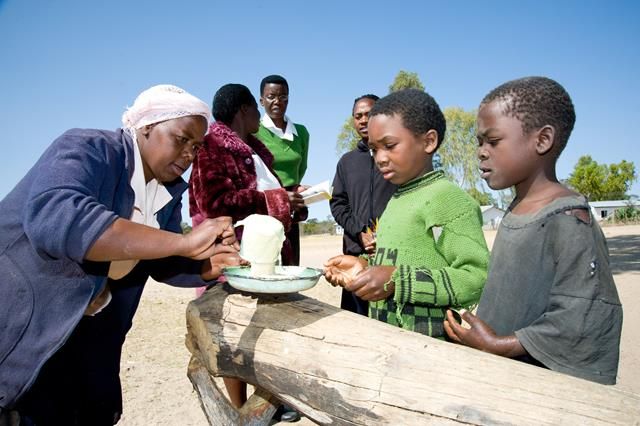
Years of drought and inflation have left millions without enough to eat. Children are especially affected, with high rates of stunting, malnutrition, and related health issues.
Stress from poverty and migration has led to rising child abuse and abandonment. Social services are underfunded, and children often lack protection or safe alternatives.
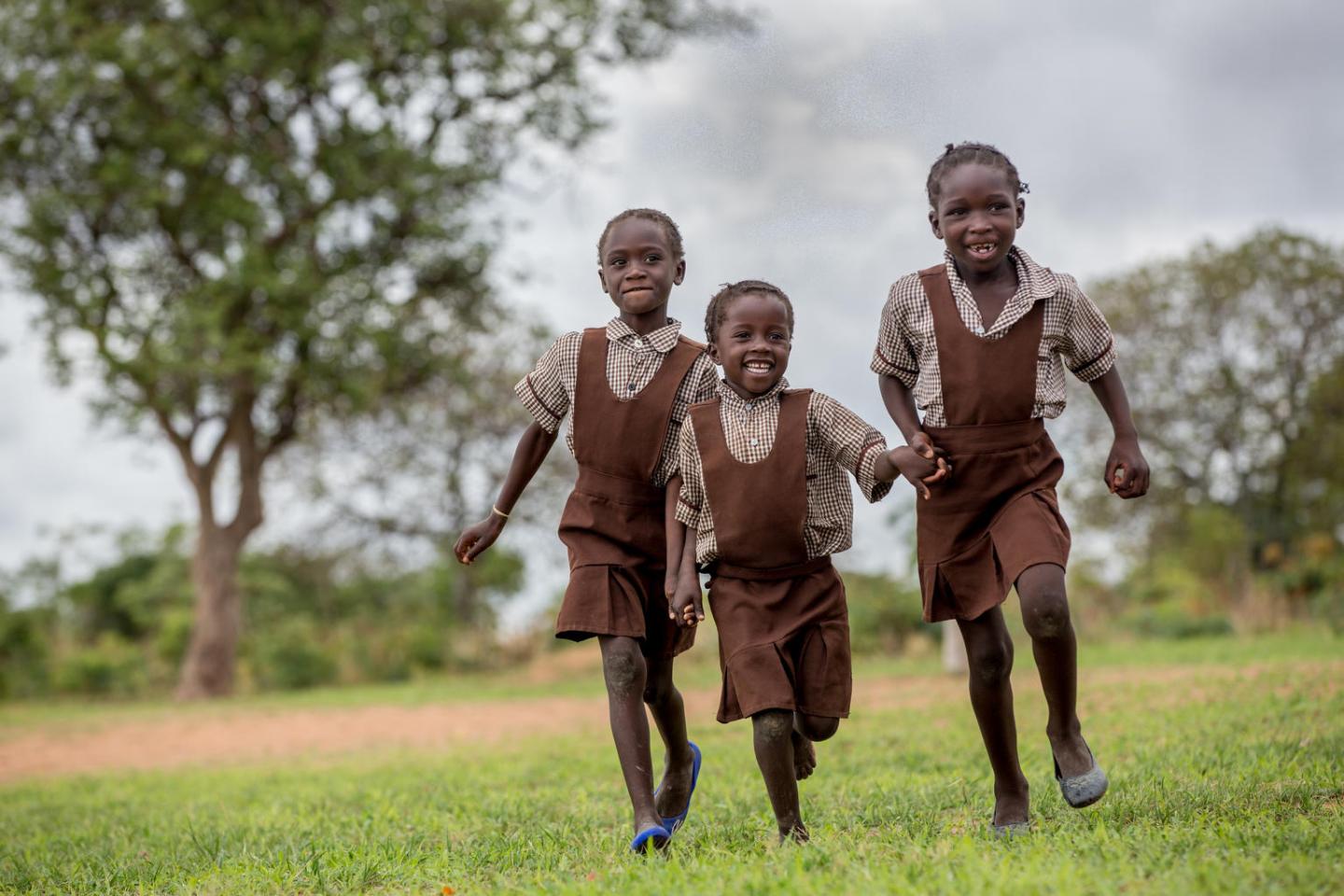
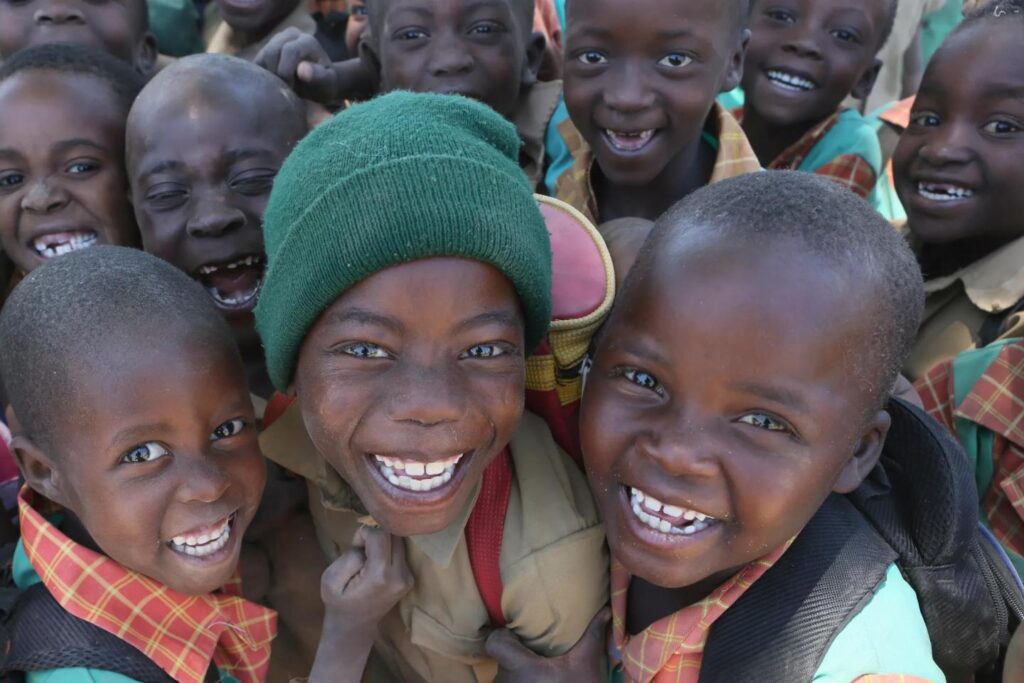
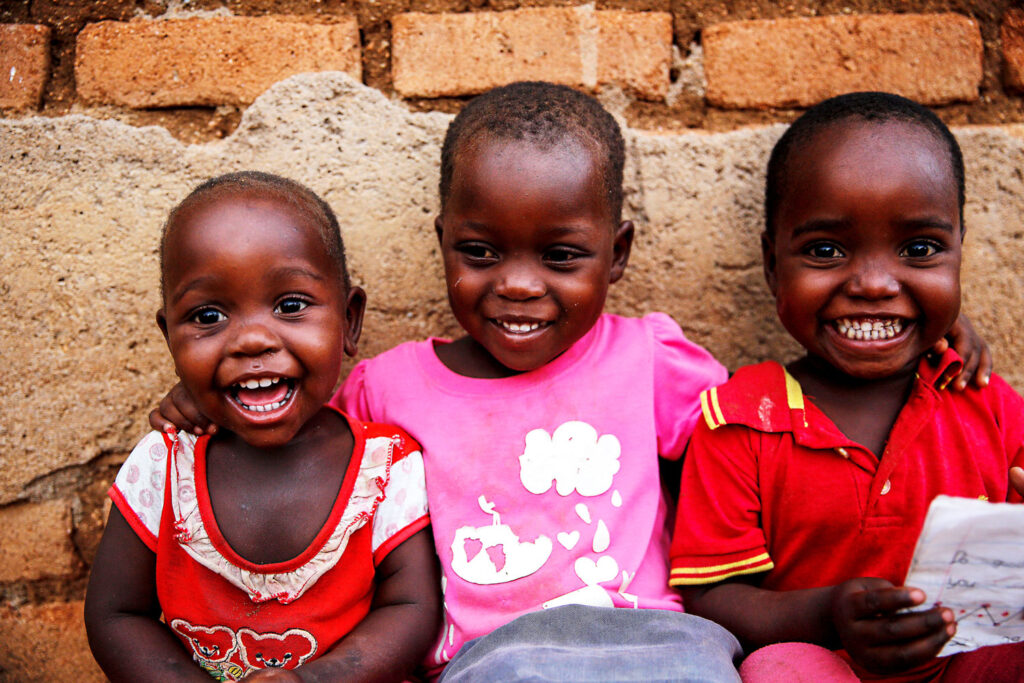
Despite these challenges, Zimbabwe’s children remain full of hope, dreaming of education, health, and opportunities for a better tomorrow.
Key Contributor #1: Simukai Child Protection Program
Rescuing and Rehabilitating Children in Crisis and On the Streets
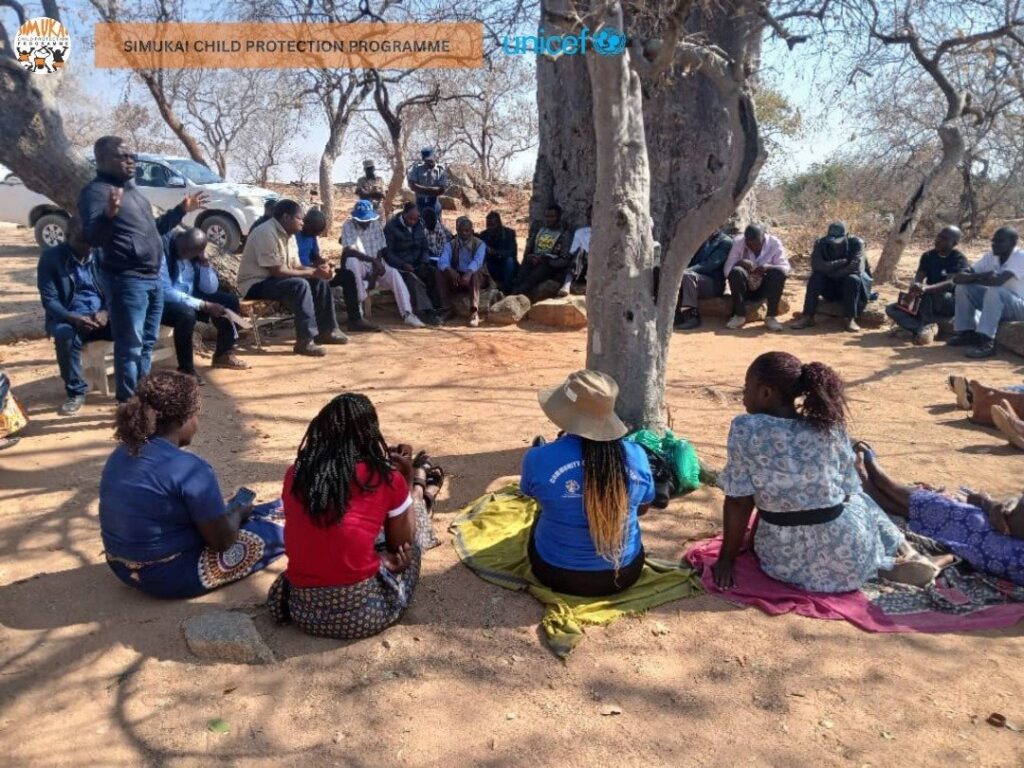
Simukai offers emergency shelter that feels human: a bed, a meal, a counselor who listens, and a teacher who believes in slow, steady progress. Children arrive from abandonment, abuse, or life on the street; they are met with safety plans and reunification work that puts their well-being first. Partnerships with schools and police keep protection coordinated; therapy and play ease the weight children carry. Daily routines rebuild trust in adults and in mornings that start on time. When home is safe, return is supported; when not, long-term care holds the child. The goal is not a night off the street, it is a new life in community. And step by step, that is what happens.
Keeping Children in School Through Support and Supplies
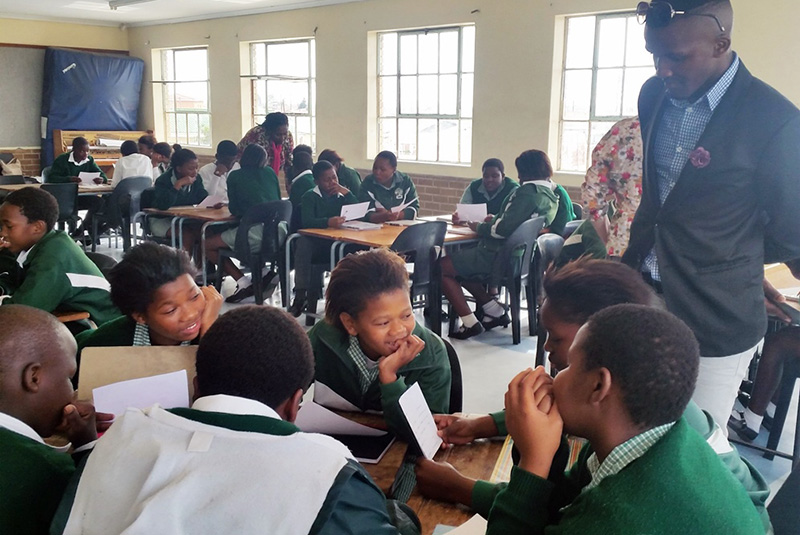
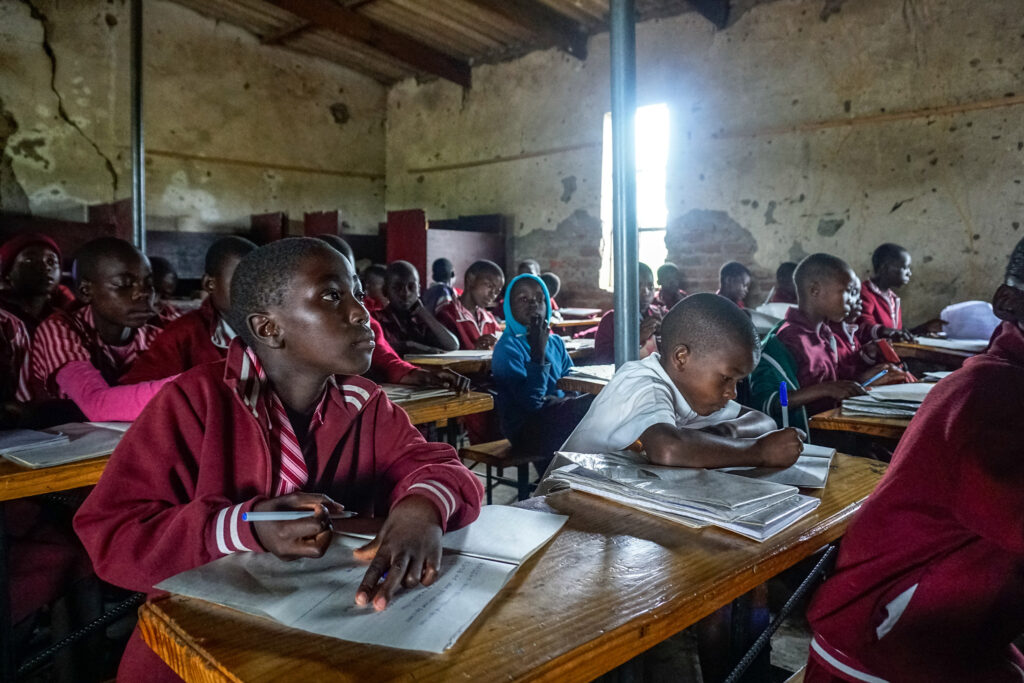
BEAM removes the most stubborn barriers to learning—fees, uniforms, and materials—so attendance can stabilize. Schools and parent committees identify children most at risk; support is delivered early and tracked across the year. Mentorship helps students believe they belong in class even when home is hard. For many, BEAM is the difference between dropping out and finishing a term with pride. The model is simple and effective: remove the cost, keep the child, grow the future. Classrooms stay full, and futures stay open.
Offering Safe Shelter to Abused and Abandoned Children
New beds, play areas, and therapy rooms turned an overstretched shelter into a place where dozens more children could breathe. Staff established gentle routines—school lessons, art, shared meals—that calmed bodies and minds. Laughter returned where fear had lived; trust followed as adults kept their promises. Each child received a personal plan; reunification or longer care came with real follow up. Expansion meant more than space; it meant time and attention. That is what recovery needs.
Key Event #2: School Access Drive – Midlands Province
Helping Children Return to School With the Support They Need
Uniforms, notebooks, and transport stipends met families at the exact points where school had stalled. Teachers held orientation days to welcome students back with dignity; volunteers kept contact lists so no one slipped away again. Hundreds re-enrolled, and classrooms felt possible even in lean months. The drive proved a simple truth: if the basics are there, children will come. And when they come, hope grows.
Top Grassroot Nonprofits Across Zimbabwe
Meet the five grassroot organizations seeking to make extraordinary strides in improving the lives of Zimbabwe’s children — one community at a time.
To get started, click on the image to visit the donation page, or click on the nonprofit’s name to access their homepage.
After donating on a partner site, click the purple globe icon to register your contribution in our data tables.
Remember, your support, whether it’s visiting their homepage, donating, or following their social media, will be crucial towards helping these nonprofits grow and amplify their efforts.